


Coltan Supply Crisis Threatens Electronics Sellers | 200+ Dead in Congo Mine Collapse
- Rubaya mine disaster disrupts 15-30% of global coltan supply; electronics sellers face 8-15% component cost increases and 4-6 week sourcing delays through 2025




!role~Preview!mt~photo!fmt~JPEG%20Baseline)











Overview
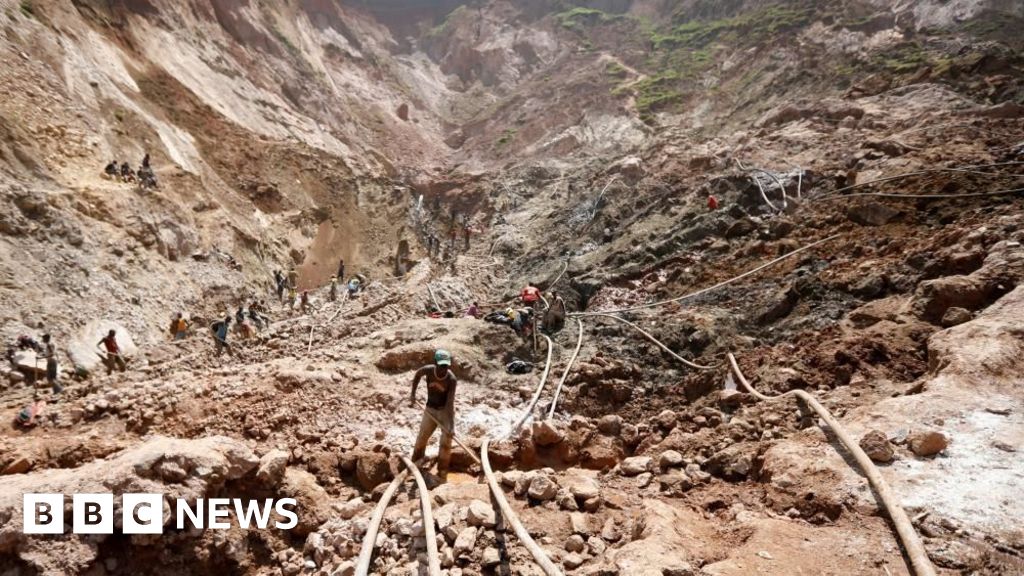
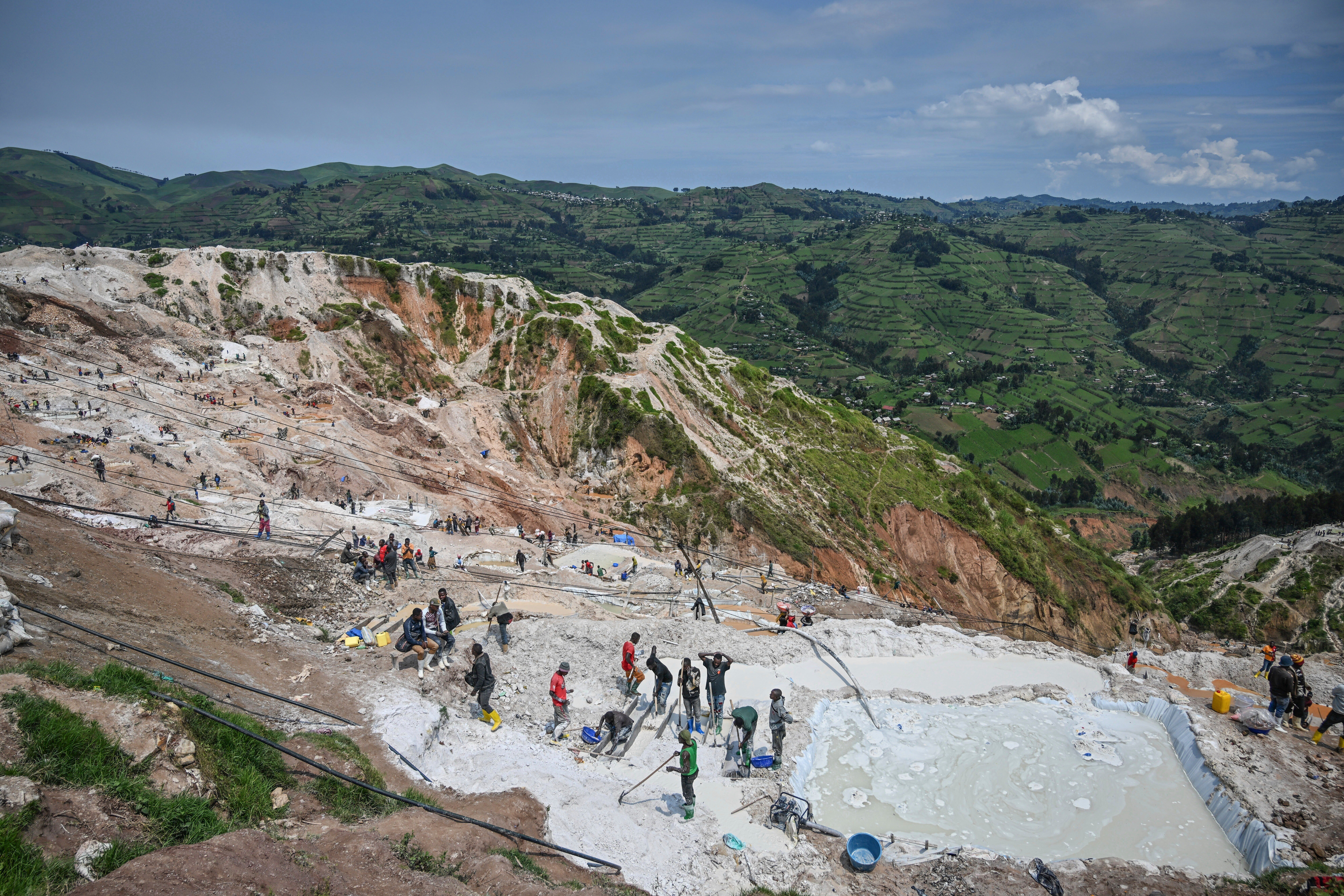
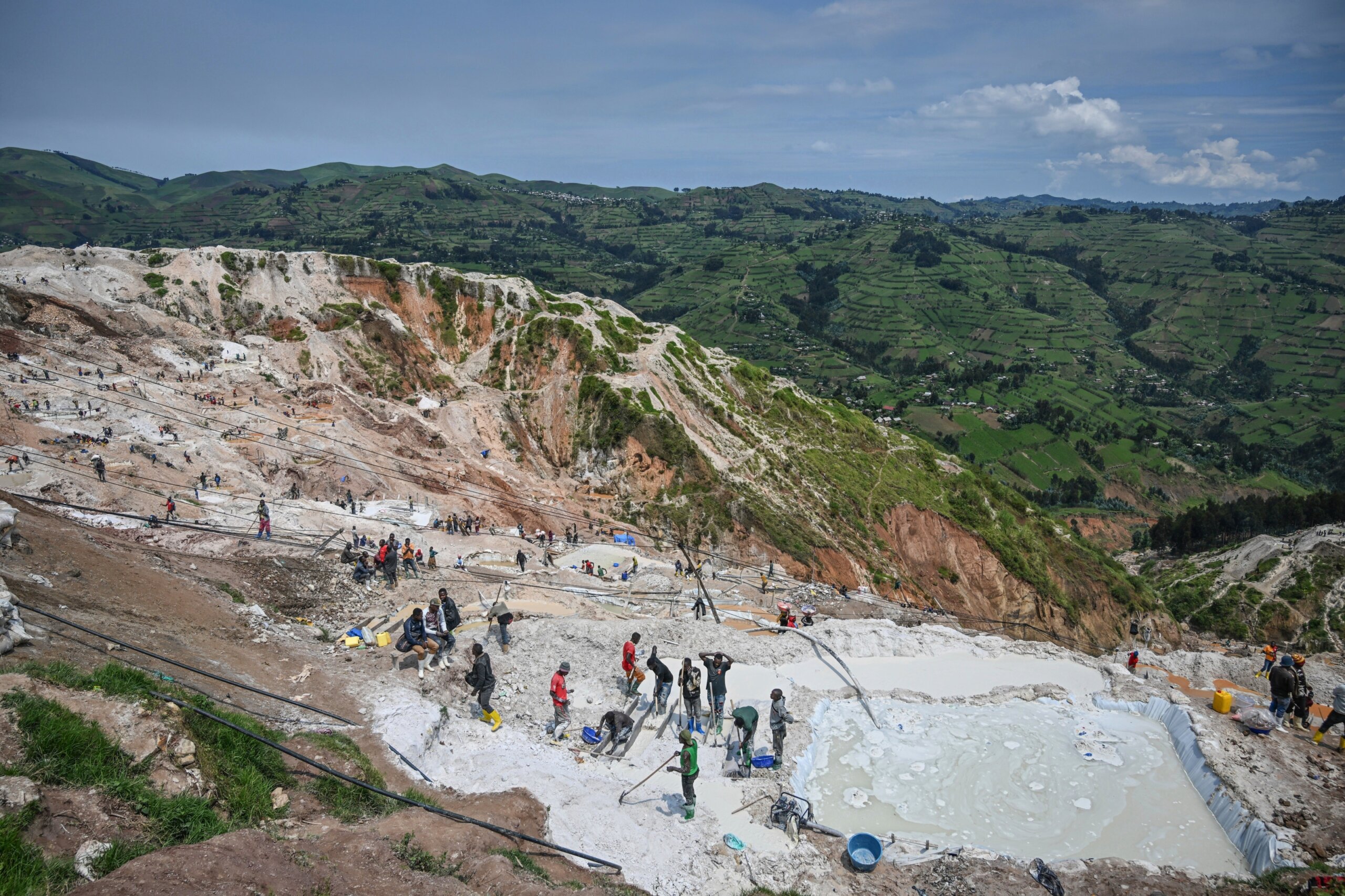
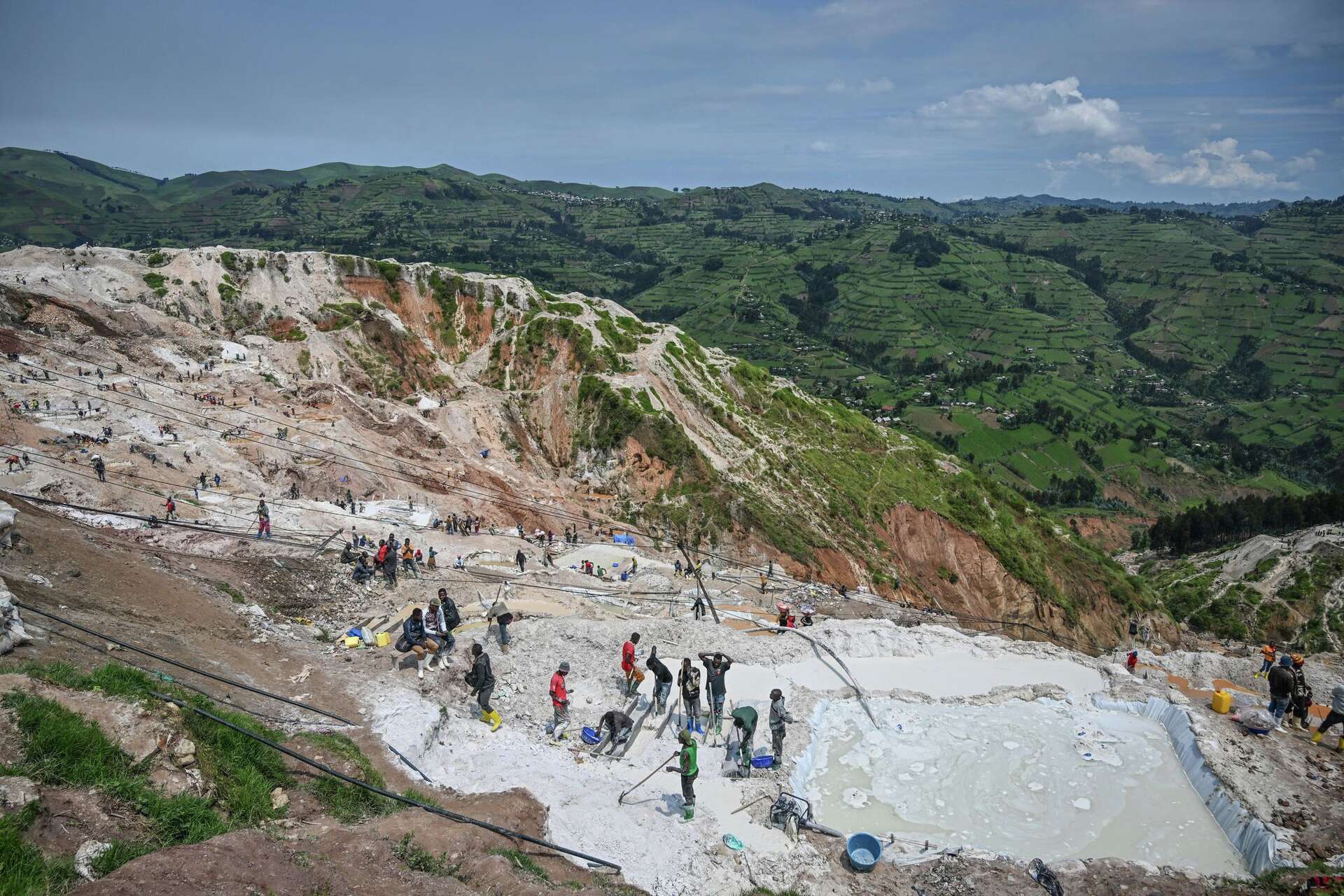
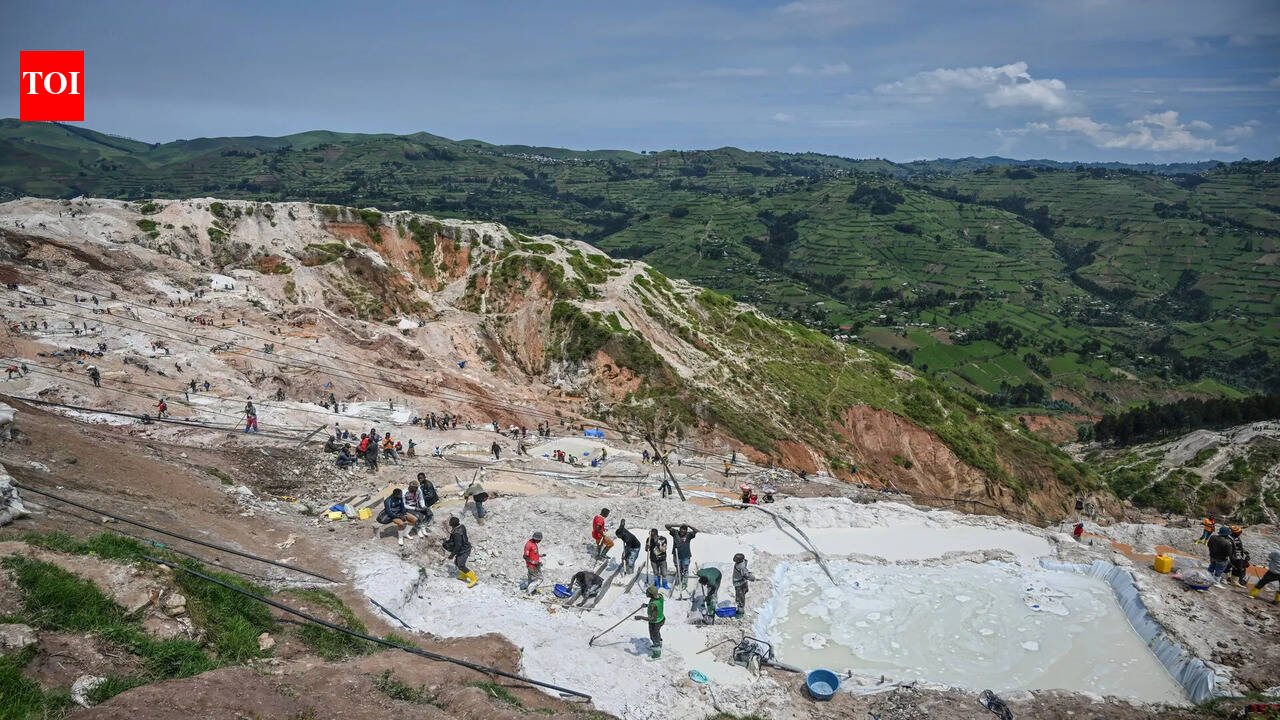
The Rubaya coltan mining disaster in eastern Democratic Republic of Congo (March 19-20, 2025) represents a critical supply chain shock for cross-border electronics sellers. A catastrophic landslide killed 200-400 workers at the Rubaya site, which supplies 15-30% of the world's coltan—the tantalum-containing mineral essential for smartphone capacitors, laptop components, and consumer electronics. This incident directly impacts sellers across Amazon, eBay, Shopify, and Walmart marketplaces who source electronics, refurbished devices, and tech accessories from Asian manufacturers dependent on Congo's mineral supply.
The geopolitical dimension amplifies supply chain vulnerability. M23 rebel militia controls Rubaya following their 2024 capture of the site, extracting 112-125 tonnes monthly through an illicit supply chain generating $800,000 monthly in taxes. Rwanda's coltan exports surged 200%+ following M23's occupation, indicating disrupted sourcing channels and potential sanctions risk. International mineral tracing initiatives have proven ineffective, meaning electronics sellers cannot rely on conflict-free sourcing certifications—a compliance risk for sellers targeting EU and North American markets with ethical sourcing requirements. The mining site operates with zero safety standards, suggesting recurring disaster risk and supply volatility through 2025-2026.
For electronics sellers, this translates to immediate operational impacts. Smartphone component costs (capacitors, circuit boards) typically increase 8-15% when coltan supply tightens, compressing margins for sellers of refurbished phones, tablets, and accessories. Sourcing delays of 4-6 weeks are common during supply disruptions as manufacturers seek alternative suppliers or stockpile inventory. Sellers with inventory tied to electronics categories (smartphones, laptops, gaming devices, smart home products) face margin compression and potential stockout risks. The disaster also signals heightened regulatory scrutiny—US and EU authorities may impose sanctions on Rwandan mineral imports, forcing manufacturers to re-source and creating 8-12 week supply chain reconfiguration periods. Sellers should monitor component availability through their suppliers and consider diversifying product sourcing to non-coltan-dependent categories or alternative manufacturers using recycled tantalum.
Questions 8
How can sellers verify conflict-free sourcing for electronics components?
The Responsible Minerals Initiative (RMI) and Conflict Minerals Reporting Template (CMRT) are industry standards for conflict-free sourcing verification. Request CMRT documentation from suppliers confirming tantalum sourcing outside conflict zones. However, the news reports that international mineral tracing initiatives have proven ineffective in preventing Congo exploitation—meaning certifications may not guarantee conflict-free sourcing. Sellers should: (1) Request detailed supply chain documentation from manufacturers; (2) Prioritize suppliers using recycled tantalum or alternative materials; (3) Document sourcing practices for Amazon Compliance and eBay seller verification; (4) Monitor EU and US sanctions lists for Rwandan mineral restrictions. Consider shifting to manufacturers with established conflict-free supply chains (major brands like Apple, Samsung) rather than sourcing from smaller suppliers with unclear sourcing practices.
What immediate actions should electronics sellers take in response to the mining disaster?
Immediate actions (by April 15, 2025): (1) Contact suppliers to confirm coltan-dependent component availability and pricing; (2) Request updated lead times and delivery schedules; (3) Pre-order critical components before prices spike further; (4) Calculate margin impact by product category and adjust pricing if necessary; (5) Request conflict-free sourcing certifications from suppliers. Strategic adjustments (April-June 2025): (1) Reduce electronics inventory exposure by 20-30%; (2) Shift inventory allocation to accessories and non-electronics categories; (3) Evaluate alternative manufacturers with diversified sourcing; (4) Monitor State Department and EU Commission for sanctions announcements. Risk mitigation: (1) Set up Google Alerts for 'Rwanda minerals sanctions' and 'coltan supply'; (2) Review Amazon Seller Central compliance requirements for conflict minerals; (3) Document all sourcing decisions for regulatory audit purposes.