





AI Infrastructure Uncertainty Signals Pricing Volatility for E-Commerce Sellers
- Nvidia's $100B OpenAI commitment collapse threatens AI tool cost stability for 500K+ sellers relying on ChatGPT, Claude, and automation platforms
































/Amazon%20-%20Image%20by%20bluestork%20via%20Shutterstock.jpg)

Overview
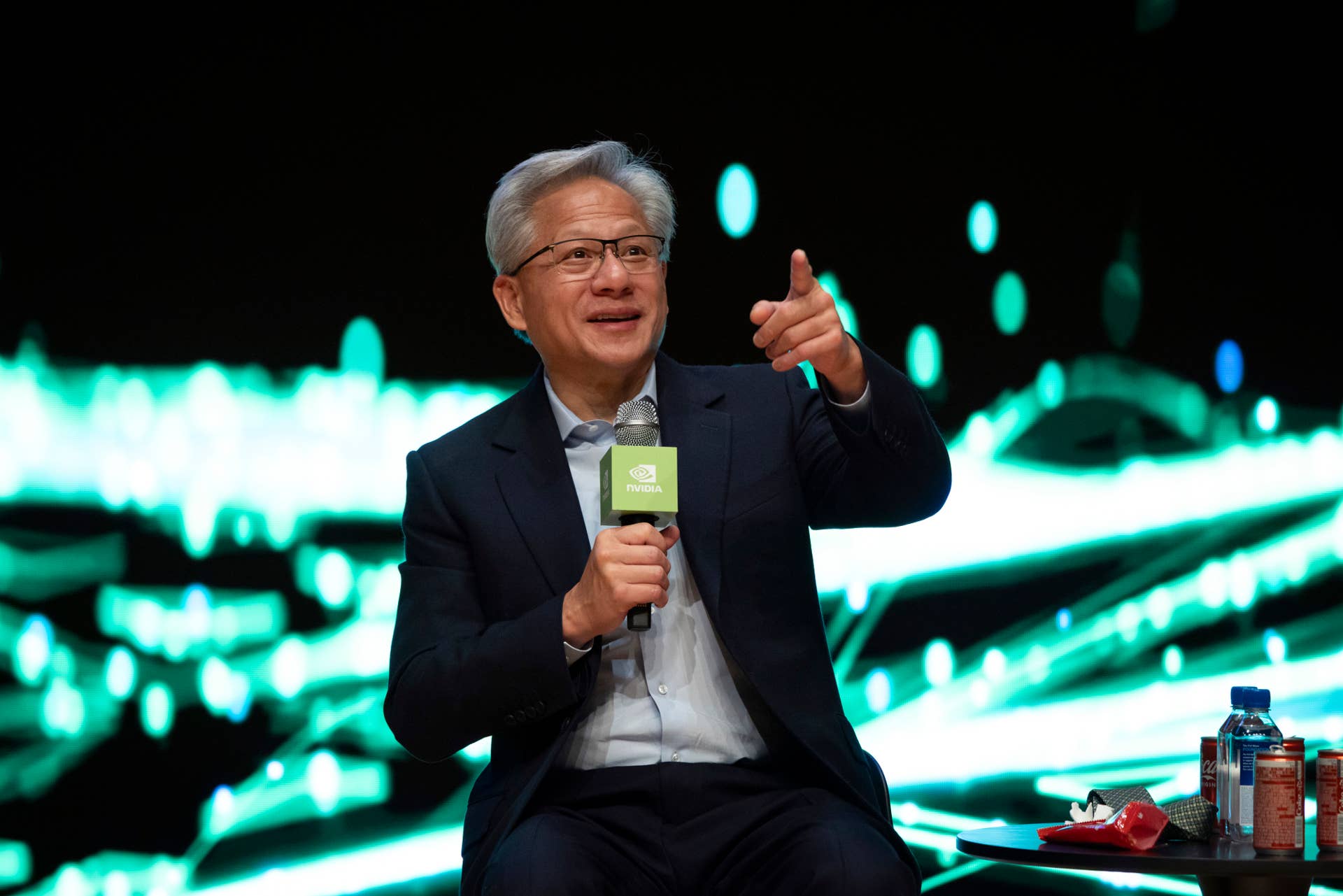
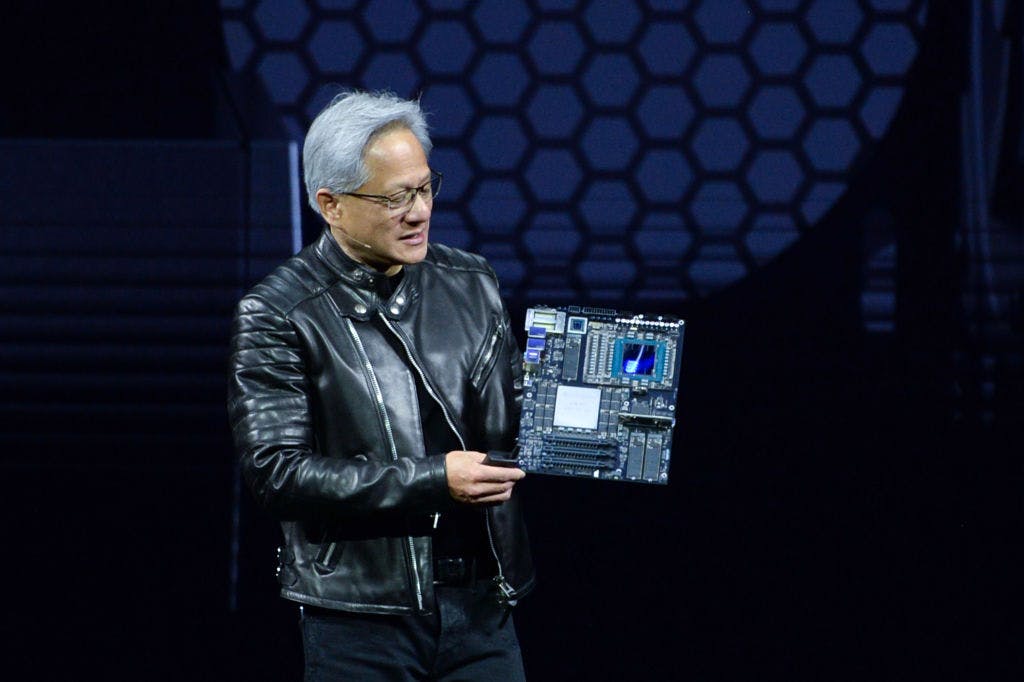
Nvidia CEO Jensen Huang's February 2026 clarification that the company's $100 billion OpenAI investment was "never a binding commitment" signals critical instability in AI infrastructure funding—directly impacting e-commerce sellers dependent on AI-powered tools for product research, pricing optimization, and customer service automation. The news reveals a fundamental shift in how major tech companies fund AI development, with Huang describing the investment as non-binding and subject to individual funding round evaluations. This uncertainty creates a cascading risk for sellers: if OpenAI's capital access becomes constrained, the company may reduce free tier access, increase API pricing by 15-40%, or limit computational resources available to third-party integrations.
For e-commerce sellers, this development has immediate operational implications. Approximately 500,000+ cross-border and Amazon FBA sellers currently use AI tools (ChatGPT, Claude, Midjourney, Jasper) for product listing optimization, competitor analysis, and customer service automation. These tools depend on GPU infrastructure that Nvidia supplies—the same infrastructure OpenAI was supposed to receive through the $100 billion commitment. With that commitment now uncertain, OpenAI faces potential capital constraints that could force pricing increases or service degradation. Sellers using ChatGPT Plus ($20/month), Claude Pro ($20/month), or API-based tools for bulk operations could see costs increase 20-35% within 12 months if OpenAI needs to offset reduced capital access through higher user fees.
The broader AI ecosystem impact creates competitive intelligence opportunities for sellers. Wedbush Analyst Dan Ives noted concerns about "circular financing" where major companies invest in each other to artificially inflate chip demand. This pattern suggests that AI tool pricing may become increasingly volatile and unpredictable. Sellers who currently rely on ChatGPT for product research, Amazon listing optimization, or customer service automation face a critical decision: lock in current API contracts now, migrate to alternative AI providers (Google Vertex AI, AWS Bedrock, Anthropic Claude), or develop in-house AI capabilities. The uncertainty also signals that AI-powered competitive advantages may erode faster than expected—sellers who built moats around ChatGPT-powered automation may find those advantages commoditized or priced out within 6-18 months.
Immediate actions for sellers: (1) Audit current AI tool dependencies and costs—document which tools are critical to operations and current monthly spend; (2) Negotiate multi-year API contracts with OpenAI, Google, or Anthropic at current rates before pricing increases; (3) Evaluate alternative AI providers (Claude API at $0.003/1K input tokens vs ChatGPT at $0.005/1K tokens) to reduce vendor lock-in; (4) Monitor Nvidia's quarterly earnings calls (next: April 2026) for updates on OpenAI funding—any further delays signal imminent price increases. Strategic adjustments: Consider shifting 30-50% of AI workloads to open-source models (Llama 2, Mistral) that don't depend on proprietary infrastructure funding. Risk mitigation: Set aside 15-20% budget contingency for AI tool cost increases in Q2-Q3 2026.
Questions 8
How should sellers adjust their 2026 budgets for AI tool cost increases?
Sellers currently spending $500-2,000/month on AI tools should budget 20-35% increases for 2026. A seller spending $1,000/month should reserve $200-350/month contingency (total $2,400-4,200 annual increase). For Amazon FBA sellers with 5-10% net margins, a $300/month AI cost increase reduces annual profit by $3,600—equivalent to losing 50-100 units of sales. Recommended budget adjustments: (1) Allocate 15-20% contingency for AI tool costs in Q2-Q4 2026, (2) Identify which AI tools drive ROI >300% (keep these), (3) Eliminate tools with ROI <100%, (4) Negotiate volume discounts with providers before pricing increases.
How can sellers reduce AI tool costs immediately without switching platforms?
Sellers can reduce ChatGPT API spending 20-35% through: (1) Batch processing—consolidate 10-20 product research queries into single API calls (saves 15-20% through reduced overhead), (2) Prompt optimization—use fewer tokens per query through template-based prompts (saves 10-15%), (3) Caching—reuse previous API responses for similar queries (saves 25-40% on repetitive tasks), (4) Tier reduction—switch from ChatGPT Plus ($20/month) to free tier for non-critical tasks (saves $240/year). For sellers spending $1,000/month on AI tools, these optimizations can reduce costs to $650-800/month immediately.