



Precious Metals Volatility Reshapes Cross-Border Seller Costs | FX & Supply Chain Impact
- Gold fell 11% in single day after hitting $5,000/oz; sellers in jewelry, electronics, luxury goods face margin compression and FX headwinds through May 2026 Fed transition




























Overview
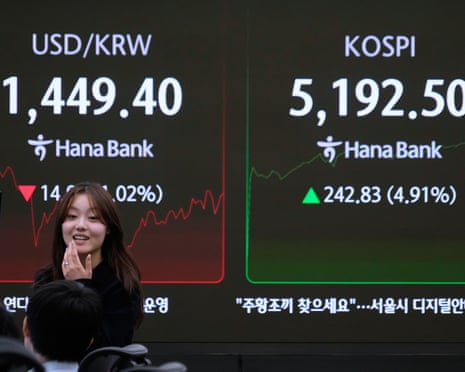
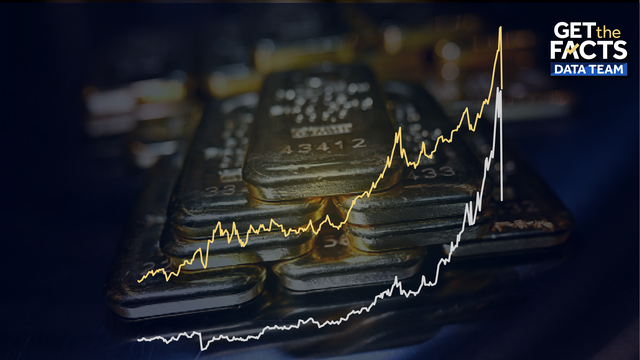
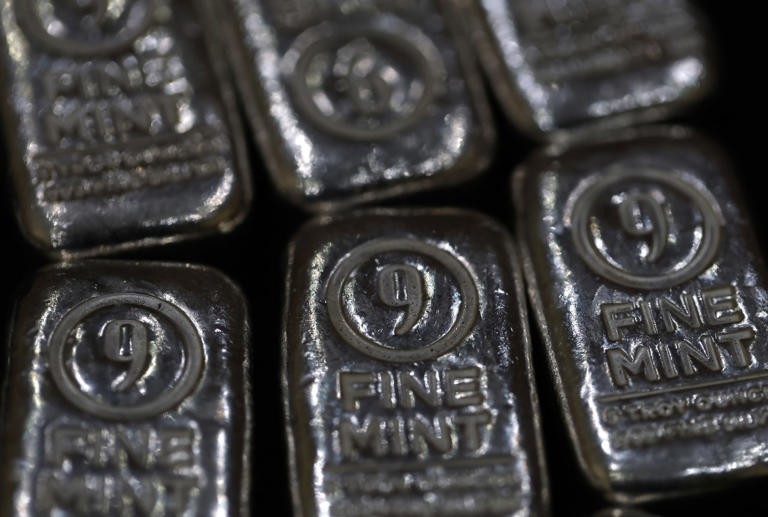
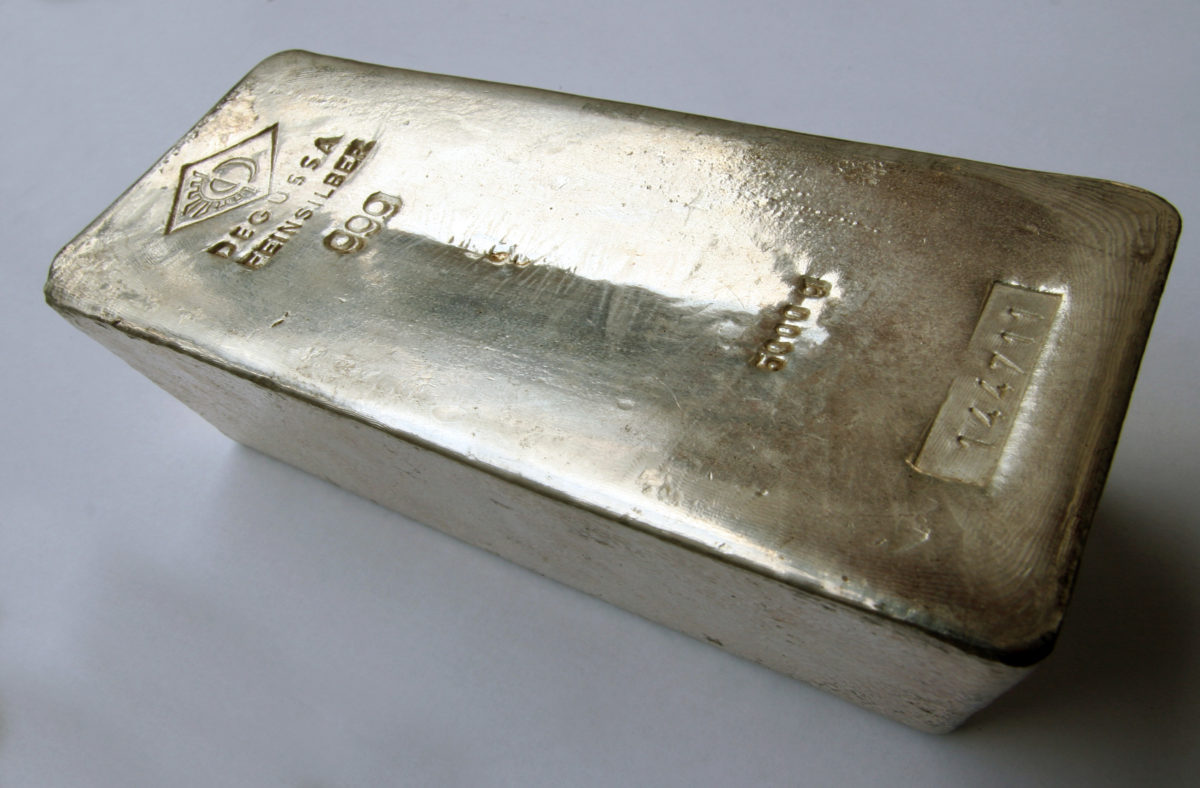
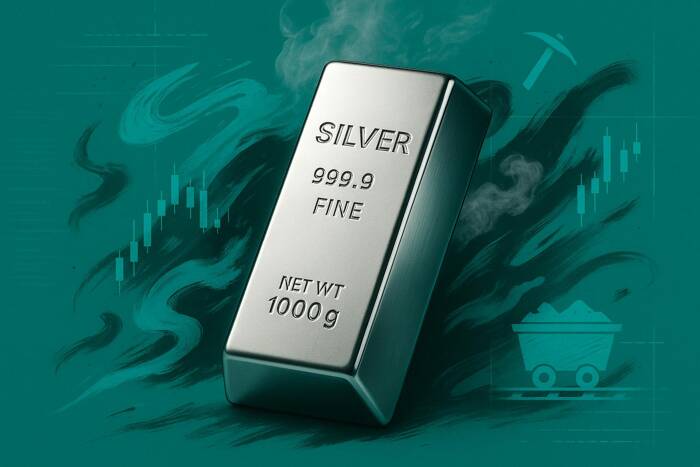
Federal Reserve leadership uncertainty is creating unprecedented precious metals volatility that directly impacts cross-border e-commerce sellers' supply chain costs, currency exposure, and working capital management. On February 2, 2026, gold experienced its sharpest one-day drop since 1983—plummeting 11% to $4,745/oz after reaching a record $5,000/oz on January 26, while silver collapsed 28% from $122 to $78/oz. This volatility stems from President Trump's nomination of Kevin Warsh to replace Jerome Powell as Federal Reserve chair (confirmation expected May 2026), creating 3+ months of policy uncertainty that directly affects interest rates, currency valuations, and cross-border payment costs.
For jewelry, luxury goods, and electronics sellers, precious metals price swings directly compress procurement margins. Sellers sourcing gold-containing products (jewelry, watches, electronics components) face immediate cost volatility: a $255/oz swing ($5,000 to $4,745) represents 5-8% cost fluctuations on gold-heavy SKUs. More critically, the uncertainty surrounding Warsh's monetary policy stance (market expects potential rate increases vs. Powell's cuts) creates FX volatility that amplifies international shipping costs and payment processing fees. Sellers with USD-denominated costs and foreign currency revenues face 3-6% margin compression during this transition period. The World Gold Council reports demand doubled to 679 metric tonnes in 2025 as investors sought safe-haven assets—signaling sustained precious metals demand despite price volatility, which means sellers cannot simply reduce inventory.
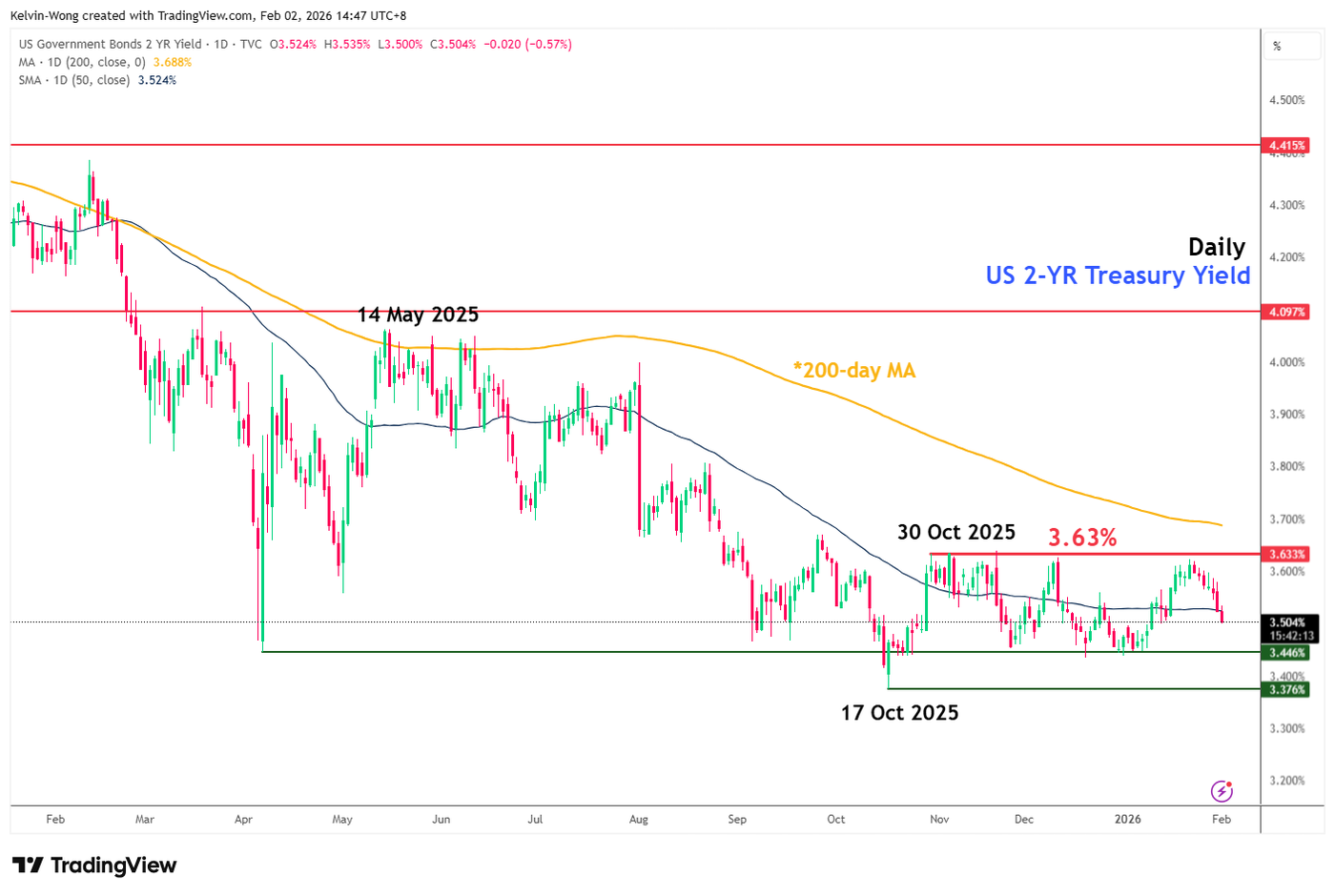
Currency fluctuations tied to Fed policy expectations are the hidden cost driver. Interest rate uncertainty directly impacts USD strength: higher expected rates strengthen the dollar, increasing costs for sellers importing from Asia (China, India, Vietnam) while reducing competitiveness for US-based sellers exporting to EU/UK markets. Payment processing fees on cross-border transactions typically increase 0.3-0.8% during high-volatility periods as payment processors hedge currency risk. JPMorgan and Deutsche Bank project gold reaching $6,000-6,300/oz by end-2026 (26-33% upside), suggesting the current dip represents a buying opportunity for inventory-heavy sellers—but only if they can lock in FX rates and secure working capital financing at favorable terms before rates potentially rise under Warsh's leadership.
Immediate working capital optimization is critical. Sellers should: (1) Lock in FX forward contracts for 90-180 day procurement windows at current rates before potential rate increases; (2) Accelerate inventory conversion through promotional pricing on gold/silver-containing products while prices remain depressed—converting slow-moving inventory to cash before potential price recovery; (3) Evaluate invoice financing or supply chain financing products that offer better terms during volatile periods; (4) Monitor Warsh's confirmation timeline (Senate vote expected March-April 2026) as a trigger for potential rate policy shifts.
Questions 8
How does USD strength from potential rate increases impact cross-border seller margins?
Higher interest rates strengthen the USD, increasing import costs for sellers sourcing from Asia (China, India, Vietnam) by 3-6% while reducing competitiveness for US exporters to EU/UK markets. A 5% USD appreciation increases procurement costs by 5% for Asia-sourced goods, directly compressing margins. Simultaneously, payment processing fees increase 0.3-0.8% during volatile periods as payment processors hedge currency risk. For sellers with $500K annual procurement, a 5% USD appreciation increases costs by $25K annually, while payment fee increases add $1.5-4K. Hedging via forward contracts costs 0.2-0.5% but locks in margins—a worthwhile trade-off during policy uncertainty.
What is the timeline for Fed policy clarity and when should sellers adjust strategies?
Kevin Warsh requires Senate confirmation (expected March-April 2026) and assumes office in May 2026 when Powell's term expires. Key decision points: (1) Confirmation vote (March-April 2026)—markets will price in Warsh's likely policy stance; (2) First FOMC meeting under Warsh (June 2026)—initial rate decision signals policy direction; (3) Q2 2026 economic data (May-June release)—influences rate expectations. Sellers should: lock in FX hedges by March 2026 before confirmation uncertainty resolves; accelerate inventory conversion by April 2026 before potential rate increases; reassess procurement strategy after June 2026 FOMC meeting once Warsh's policy stance becomes clear. The 4-month window (February-May 2026) represents peak uncertainty—use this period to optimize working capital and secure favorable financing terms.