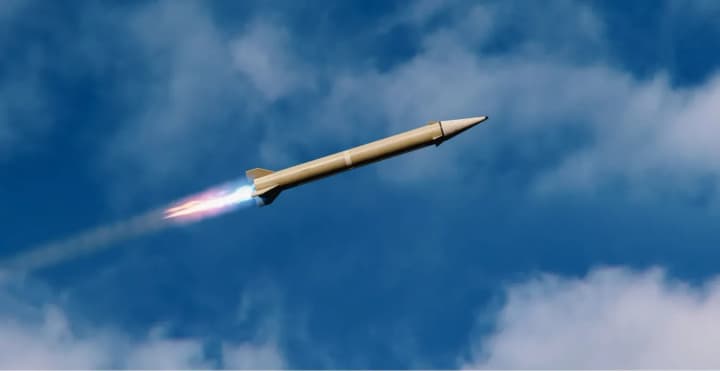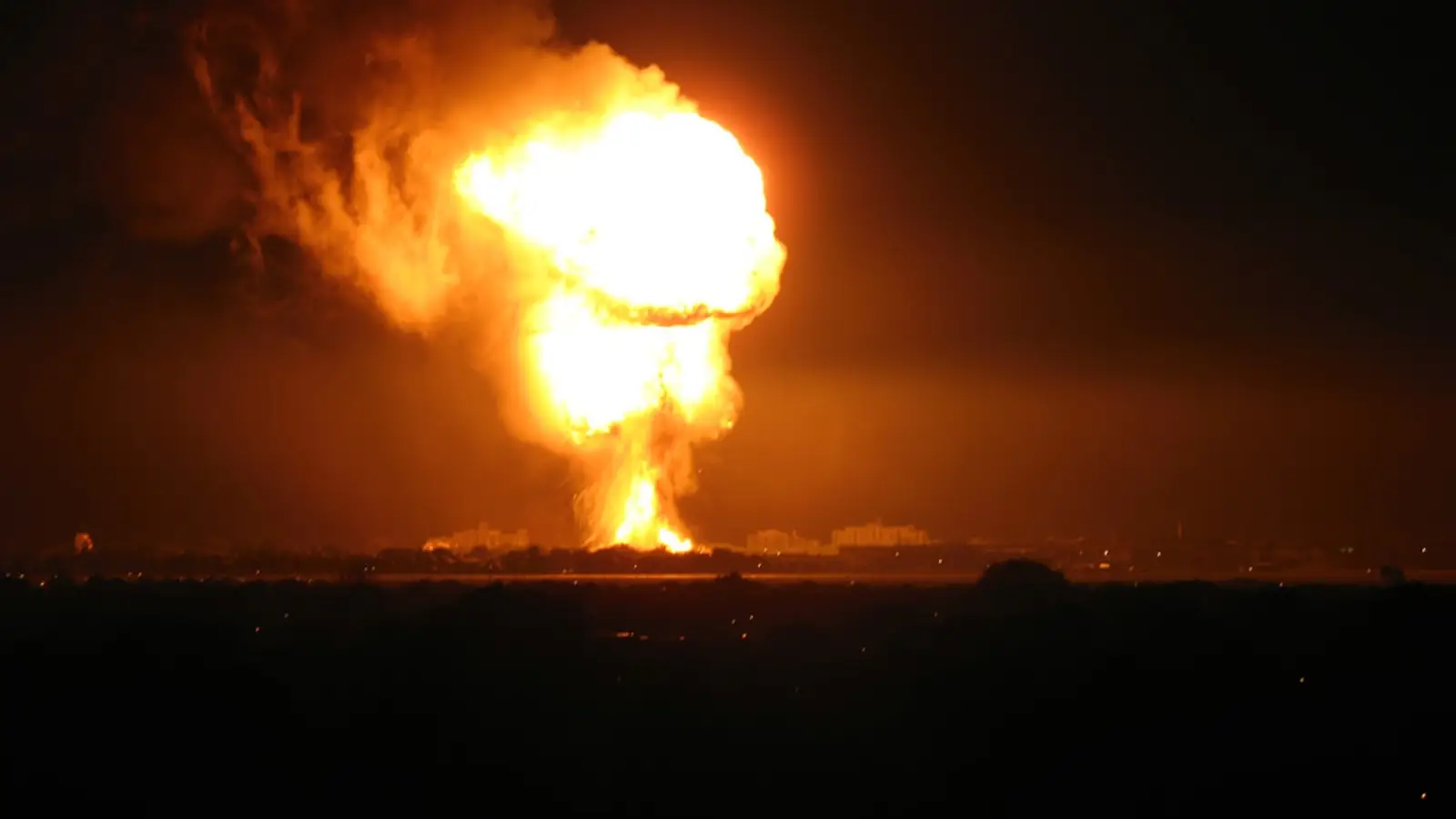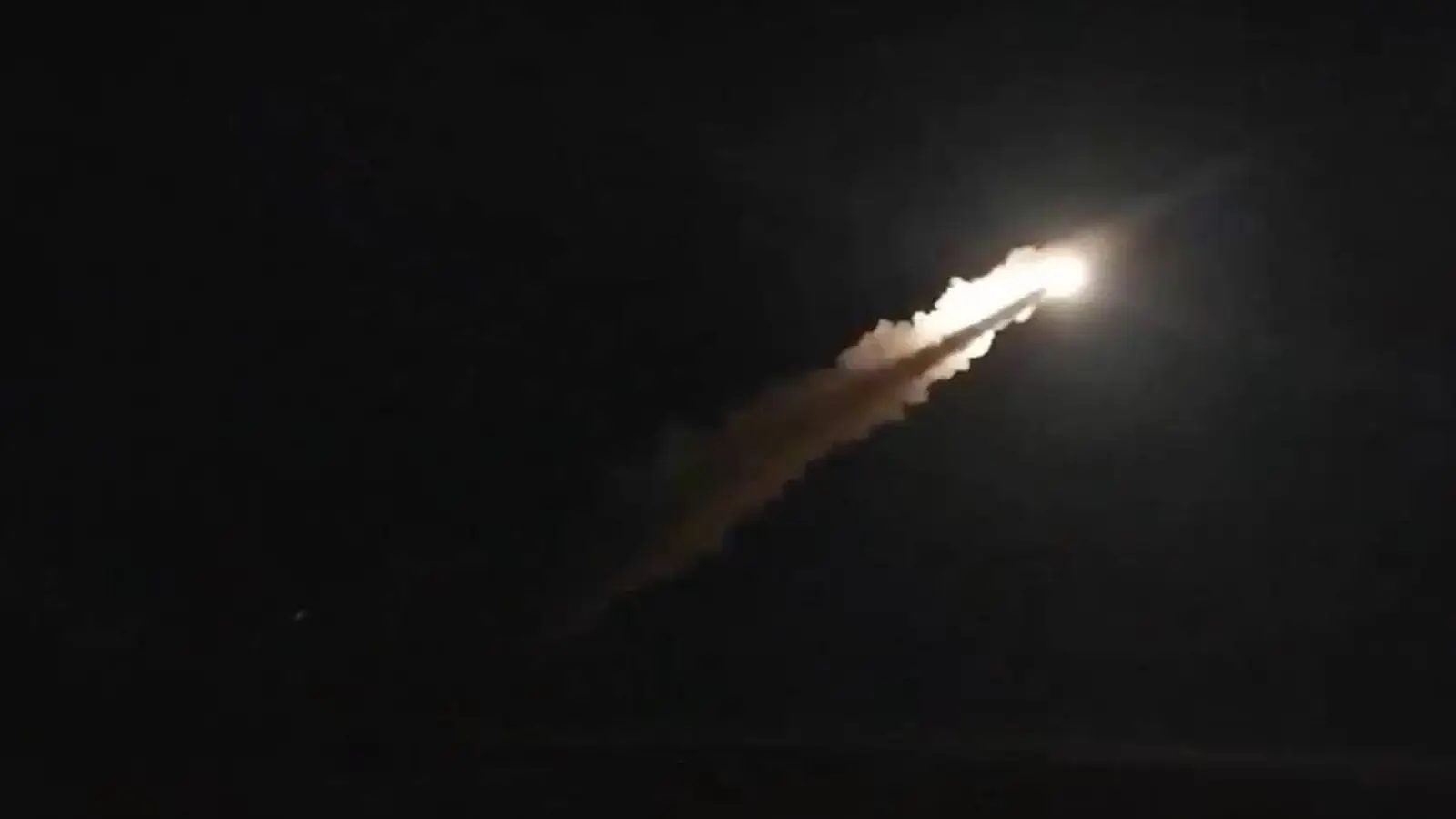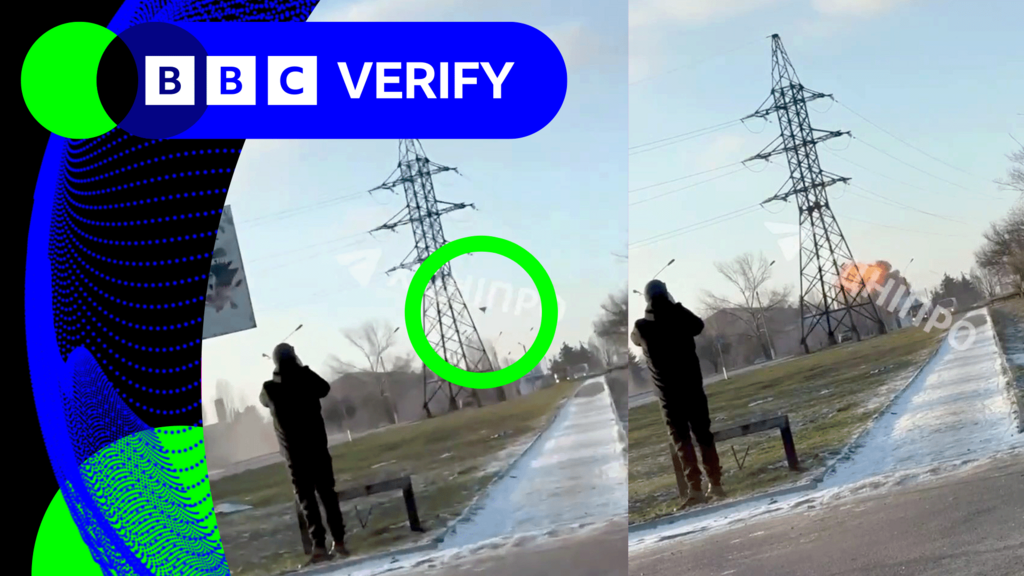



The convergence of aggressive EU sanctions enforcement and Black Sea maritime disruption creates a critical operational environment for cross-border e-commerce sellers in early 2025. German authorities arrested five individuals operating a €30+ million illegal export network supplying Russian defense companies with 16,000+ deliveries since 2022, signaling intensified regulatory scrutiny across EU cross-border trade channels. Simultaneously, Russian military operations have conducted 96 attacks on Ukrainian seaports in 2025 alone, damaging critical infrastructure at Port of Pivdennyi and creating persistent maritime hazards including naval mines that threaten merchant shipping in the Black Sea corridor.
For sellers, this creates a dual-threat environment: First, compliance risk has escalated dramatically. The German enforcement action demonstrates that EU authorities actively investigate shell company networks and cross-border transaction patterns, with penalties exceeding €30 million. Sellers exporting to restricted destinations, operating through complex corporate structures, or handling dual-use goods face heightened audit exposure. Second, logistics disruption directly impacts supply chains serving Eastern European markets. Port of Pivdennyi's repeated damage (including December 2025 vegetable oil spill forcing multi-day closure) and ongoing naval mine hazards increase shipping costs, extend transit times by 5-10 days, and create insurance premium increases of 15-25% for Black Sea routes.
The enforcement pattern reveals authorities are targeting: (1) shell company structures used to obscure beneficial ownership, (2) transaction patterns showing repeated shipments to sanctioned entities, (3) dual-use goods (electronics, industrial components) with military applications, and (4) documentation gaps in export compliance. Sellers shipping to Eastern Europe, Russia-adjacent markets, or handling electronics/industrial categories must implement immediate compliance verification. The Port of Pivdennyi disruptions indicate alternative routing through Baltic ports (Gdansk, Riga) or Mediterranean corridors (via Suez) now command 20-30% premium costs and 2-3 week delays compared to direct Black Sea routes. Peace negotiations scheduled for February 4-5, 2025 in Abu Dhabi offer potential relief, but current operational uncertainty requires sellers to diversify logistics networks and strengthen export documentation immediately.
Current Black Sea instability (96 attacks in 2025, ongoing naval mines, unpredictable port closures) requires sellers to: (1) Diversify routing through Baltic ports (Gdansk, Riga) or Mediterranean corridors, accepting 20-30% cost premium and 2-3 week delays, (2) Establish relationships with 3PL providers in Poland, Romania, or Baltic states for inventory buffering, (3) Increase safety stock for Eastern European markets by 15-20% to absorb shipping delays, (4) Implement dynamic pricing to offset 15-25% insurance premium increases, and (5) Monitor peace negotiations (scheduled February 4-5, 2025) for potential route normalization. For sellers with high Eastern European volume, consider establishing regional fulfillment centers in EU territory (Poland, Czech Republic) to reduce Black Sea dependency. Immediate action: Contact 3PL providers in alternative routes within 2 weeks; adjust inventory forecasts for 2-3 week shipping delays; review insurance coverage for maritime hazards.
Based on the enforcement case, sellers must maintain: (1) Customer verification documents (business registration, tax ID, beneficial ownership declarations), (2) End-use certifications confirming legitimate commercial purpose, (3) Transaction records showing order details, shipping documentation, and payment trails, (4) Sanctions screening results with timestamps, (5) Correspondence with customers regarding product specifications and intended use, and (6) Shipping documentation (invoices, packing lists, bills of lading). The German case revealed authorities examine email communications and transaction patterns, so sellers should assume all documentation may be reviewed. Recommended practice: Implement document retention system maintaining 7-year audit trail, use compliance software for automated sanctions screening, and require customer attestations for high-risk categories. Cost: €200-500/month for compliance software; benefit: protection against €30M+ penalties.
The German case specifically targeted suppliers of dual-use goods (electronics, industrial components) to Russian defense companies, indicating EU enforcement prioritizes: (1) Electronics sellers (semiconductors, computing equipment, telecommunications), (2) Industrial/machinery suppliers (pumps, motors, precision equipment), (3) Chemical/materials sellers (specialty chemicals, polymers), and (4) Sellers using complex corporate structures or shell companies. Sellers in these categories should immediately: (1) Verify all customer business registrations and beneficial ownership, (2) Screen customers against EU/US/UN sanctions lists, (3) Document legitimate end-use for all sales, (4) Implement transaction monitoring for unusual order patterns (large quantities, repeated shipments to same entity), and (5) Maintain 7-year audit trails for all export transactions. Sellers in consumer goods, apparel, and standard e-commerce categories face lower immediate risk but should still implement basic sanctions screening.
Port of Pivdennyi experienced 96 attacks in 2025, including infrastructure damage and December 2025 closure lasting several days. These disruptions increase shipping costs 20-30% and extend transit times 5-10 days compared to normal operations. Sellers routing through Black Sea ports now face: (1) insurance premium increases of 15-25% due to maritime hazard risk, (2) alternative routing through Baltic ports (Gdansk, Riga) or Mediterranean corridors adding 2-3 weeks, (3) naval mine hazards requiring specialized insurance coverage, and (4) unpredictable port closures. For sellers with inventory in Ukraine or serving Eastern European markets, diversifying logistics networks to include 3PL providers in Poland, Romania, or Baltic states reduces single-route dependency. Current cost impact: €500-1,200 per 20ft container additional expense for Black Sea routes.
The German enforcement action targeting a Lübeck-based network that supplied 24 Russian defense companies with 16,000+ deliveries reveals that EU authorities actively investigate cross-border transaction patterns, shell company structures, and export documentation. Sellers face audit exposure if they: (1) operate through complex corporate structures obscuring beneficial ownership, (2) show repeated shipments to restricted destinations, (3) handle dual-use goods (electronics, industrial components, chemicals) without proper licensing, or (4) maintain incomplete export documentation. The €30+ million penalty demonstrates enforcement is not theoretical—sellers must implement immediate sanctions screening, customer due diligence, and transaction documentation protocols. Recommended action: Audit all customer accounts against EU/UN sanctions lists within 30 days and implement automated compliance screening for all new orders.
Immediate actions (0-30 days): Audit customer base for restricted-destination exposure, implement OFAC/EU sanctions screening, and document current compliance procedures. Short-term (1-3 months): Deploy automated screening software ($200-500/month), conduct legal compliance review ($2,000-5,000), and train team on KYC procedures. Medium-term (3-6 months): Establish documented compliance program, diversify logistics routing away from Black Sea, and evaluate alternative suppliers. The German enforcement action demonstrates regulators are actively investigating—delays increase exposure. Sellers should prioritize compliance investments immediately; the cost ($5,000-15,000 annually) is minimal compared to €100,000+ fines and account deactivation.
The enforcement environment and logistics disruptions create B2B opportunities: (1) Compliance software/services for sanctions screening and export documentation (target: 50,000+ EU cross-border sellers), (2) 3PL services in alternative routing corridors (Baltic, Mediterranean routes), (3) Logistics insurance products for maritime hazard coverage, (4) Customs brokerage and export documentation services, and (5) Seller compliance consulting. Sellers with expertise in EU regulations, sanctions screening, or Eastern European logistics can position services to address the €30M+ compliance risk exposure and logistics disruption costs. Market size: EU cross-border sellers facing compliance costs of €200-500/month × 50,000+ sellers = €100-300M annual compliance services market. Opportunity window: 6-12 months before sellers fully adapt to new compliance environment.
The German case demonstrates enforcement consequences: (1) Criminal prosecution of company principals and employees, (2) Penalties exceeding €30 million for networks supplying restricted entities, (3) Asset seizure and business closure, (4) Individual imprisonment for company officers, and (5) Reputational damage affecting business operations. For e-commerce sellers, violations can result in: (1) Marketplace account suspension (Amazon, eBay, Shopify), (2) Payment processor account closure, (3) Customs seizure of shipments, (4) Fines of €5,000-50,000+ per violation, and (5) Criminal liability for company principals. The enforcement action involved German, Russian, and Ukrainian nationals, indicating authorities pursue cases across multiple jurisdictions. Sellers should treat sanctions compliance as critical business function equivalent to tax compliance, implementing automated screening, documentation, and regular audits.
Current Black Sea instability (96 attacks in 2025, ongoing naval mines, unpredictable port closures) requires sellers to: (1) Diversify routing through Baltic ports (Gdansk, Riga) or Mediterranean corridors, accepting 20-30% cost premium and 2-3 week delays, (2) Establish relationships with 3PL providers in Poland, Romania, or Baltic states for inventory buffering, (3) Increase safety stock for Eastern European markets by 15-20% to absorb shipping delays, (4) Implement dynamic pricing to offset 15-25% insurance premium increases, and (5) Monitor peace negotiations (scheduled February 4-5, 2025) for potential route normalization. For sellers with high Eastern European volume, consider establishing regional fulfillment centers in EU territory (Poland, Czech Republic) to reduce Black Sea dependency. Immediate action: Contact 3PL providers in alternative routes within 2 weeks; adjust inventory forecasts for 2-3 week shipping delays; review insurance coverage for maritime hazards.
Based on the enforcement case, sellers must maintain: (1) Customer verification documents (business registration, tax ID, beneficial ownership declarations), (2) End-use certifications confirming legitimate commercial purpose, (3) Transaction records showing order details, shipping documentation, and payment trails, (4) Sanctions screening results with timestamps, (5) Correspondence with customers regarding product specifications and intended use, and (6) Shipping documentation (invoices, packing lists, bills of lading). The German case revealed authorities examine email communications and transaction patterns, so sellers should assume all documentation may be reviewed. Recommended practice: Implement document retention system maintaining 7-year audit trail, use compliance software for automated sanctions screening, and require customer attestations for high-risk categories. Cost: €200-500/month for compliance software; benefit: protection against €30M+ penalties.
The German case specifically targeted suppliers of dual-use goods (electronics, industrial components) to Russian defense companies, indicating EU enforcement prioritizes: (1) Electronics sellers (semiconductors, computing equipment, telecommunications), (2) Industrial/machinery suppliers (pumps, motors, precision equipment), (3) Chemical/materials sellers (specialty chemicals, polymers), and (4) Sellers using complex corporate structures or shell companies. Sellers in these categories should immediately: (1) Verify all customer business registrations and beneficial ownership, (2) Screen customers against EU/US/UN sanctions lists, (3) Document legitimate end-use for all sales, (4) Implement transaction monitoring for unusual order patterns (large quantities, repeated shipments to same entity), and (5) Maintain 7-year audit trails for all export transactions. Sellers in consumer goods, apparel, and standard e-commerce categories face lower immediate risk but should still implement basic sanctions screening.
Port of Pivdennyi experienced 96 attacks in 2025, including infrastructure damage and December 2025 closure lasting several days. These disruptions increase shipping costs 20-30% and extend transit times 5-10 days compared to normal operations. Sellers routing through Black Sea ports now face: (1) insurance premium increases of 15-25% due to maritime hazard risk, (2) alternative routing through Baltic ports (Gdansk, Riga) or Mediterranean corridors adding 2-3 weeks, (3) naval mine hazards requiring specialized insurance coverage, and (4) unpredictable port closures. For sellers with inventory in Ukraine or serving Eastern European markets, diversifying logistics networks to include 3PL providers in Poland, Romania, or Baltic states reduces single-route dependency. Current cost impact: €500-1,200 per 20ft container additional expense for Black Sea routes.
The German enforcement action targeting a Lübeck-based network that supplied 24 Russian defense companies with 16,000+ deliveries reveals that EU authorities actively investigate cross-border transaction patterns, shell company structures, and export documentation. Sellers face audit exposure if they: (1) operate through complex corporate structures obscuring beneficial ownership, (2) show repeated shipments to restricted destinations, (3) handle dual-use goods (electronics, industrial components, chemicals) without proper licensing, or (4) maintain incomplete export documentation. The €30+ million penalty demonstrates enforcement is not theoretical—sellers must implement immediate sanctions screening, customer due diligence, and transaction documentation protocols. Recommended action: Audit all customer accounts against EU/UN sanctions lists within 30 days and implement automated compliance screening for all new orders.
Immediate actions (0-30 days): Audit customer base for restricted-destination exposure, implement OFAC/EU sanctions screening, and document current compliance procedures. Short-term (1-3 months): Deploy automated screening software ($200-500/month), conduct legal compliance review ($2,000-5,000), and train team on KYC procedures. Medium-term (3-6 months): Establish documented compliance program, diversify logistics routing away from Black Sea, and evaluate alternative suppliers. The German enforcement action demonstrates regulators are actively investigating—delays increase exposure. Sellers should prioritize compliance investments immediately; the cost ($5,000-15,000 annually) is minimal compared to €100,000+ fines and account deactivation.
The enforcement environment and logistics disruptions create B2B opportunities: (1) Compliance software/services for sanctions screening and export documentation (target: 50,000+ EU cross-border sellers), (2) 3PL services in alternative routing corridors (Baltic, Mediterranean routes), (3) Logistics insurance products for maritime hazard coverage, (4) Customs brokerage and export documentation services, and (5) Seller compliance consulting. Sellers with expertise in EU regulations, sanctions screening, or Eastern European logistics can position services to address the €30M+ compliance risk exposure and logistics disruption costs. Market size: EU cross-border sellers facing compliance costs of €200-500/month × 50,000+ sellers = €100-300M annual compliance services market. Opportunity window: 6-12 months before sellers fully adapt to new compliance environment.
The German case demonstrates enforcement consequences: (1) Criminal prosecution of company principals and employees, (2) Penalties exceeding €30 million for networks supplying restricted entities, (3) Asset seizure and business closure, (4) Individual imprisonment for company officers, and (5) Reputational damage affecting business operations. For e-commerce sellers, violations can result in: (1) Marketplace account suspension (Amazon, eBay, Shopify), (2) Payment processor account closure, (3) Customs seizure of shipments, (4) Fines of €5,000-50,000+ per violation, and (5) Criminal liability for company principals. The enforcement action involved German, Russian, and Ukrainian nationals, indicating authorities pursue cases across multiple jurisdictions. Sellers should treat sanctions compliance as critical business function equivalent to tax compliance, implementing automated screening, documentation, and regular audits.
Current Black Sea instability (96 attacks in 2025, ongoing naval mines, unpredictable port closures) requires sellers to: (1) Diversify routing through Baltic ports (Gdansk, Riga) or Mediterranean corridors, accepting 20-30% cost premium and 2-3 week delays, (2) Establish relationships with 3PL providers in Poland, Romania, or Baltic states for inventory buffering, (3) Increase safety stock for Eastern European markets by 15-20% to absorb shipping delays, (4) Implement dynamic pricing to offset 15-25% insurance premium increases, and (5) Monitor peace negotiations (scheduled February 4-5, 2025) for potential route normalization. For sellers with high Eastern European volume, consider establishing regional fulfillment centers in EU territory (Poland, Czech Republic) to reduce Black Sea dependency. Immediate action: Contact 3PL providers in alternative routes within 2 weeks; adjust inventory forecasts for 2-3 week shipping delays; review insurance coverage for maritime hazards.
Based on the enforcement case, sellers must maintain: (1) Customer verification documents (business registration, tax ID, beneficial ownership declarations), (2) End-use certifications confirming legitimate commercial purpose, (3) Transaction records showing order details, shipping documentation, and payment trails, (4) Sanctions screening results with timestamps, (5) Correspondence with customers regarding product specifications and intended use, and (6) Shipping documentation (invoices, packing lists, bills of lading). The German case revealed authorities examine email communications and transaction patterns, so sellers should assume all documentation may be reviewed. Recommended practice: Implement document retention system maintaining 7-year audit trail, use compliance software for automated sanctions screening, and require customer attestations for high-risk categories. Cost: €200-500/month for compliance software; benefit: protection against €30M+ penalties.