





Australia Rate Hike to 3.85% | E-Commerce Seller Impact on Consumer Spending & Currency
- RBA's 25 basis point increase signals tighter monetary policy affecting Australian consumer purchasing power and AUD/USD exchange rates for cross-border sellers
.png)

















Overview
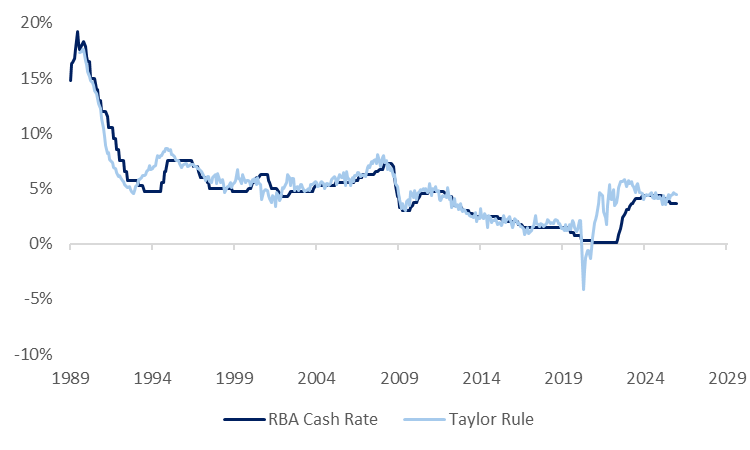
Australia's Reserve Bank raised its Official Cash Rate by 25 basis points to 3.85% on February 3, 2026—the first increase since November 2023—creating significant implications for e-commerce sellers targeting the Australian market. The rate hike reverses three consecutive cuts made in 2025 (February, May, August) and reflects persistent inflation that accelerated to 3.8% annually in December 2025, up from 3.4% in November, well above the RBA's 2-3% target band. For cross-border sellers, this monetary policy shift directly impacts two critical operational areas: consumer purchasing power and currency valuation.
Consumer Spending Contraction Risk: The rate increase will raise monthly mortgage payments by approximately $90 on a $600,000 home loan, directly reducing discretionary spending capacity for Australian households. With unemployment at 4.1% (down from 4.3% in November), the labor market remains tight, but the RBA's forecast shows GDP growth declining from 2.3% in Q4 2025 to 1.8% by Q4 2026. This slowdown signals reduced consumer demand for non-essential e-commerce categories. Sellers specializing in luxury goods, electronics, home furnishings, and fashion should anticipate 8-15% demand contraction in the Australian market through 2026. Conversely, budget-conscious categories (value apparel, discount home goods, essential supplies) may see relative resilience as consumers trade down.
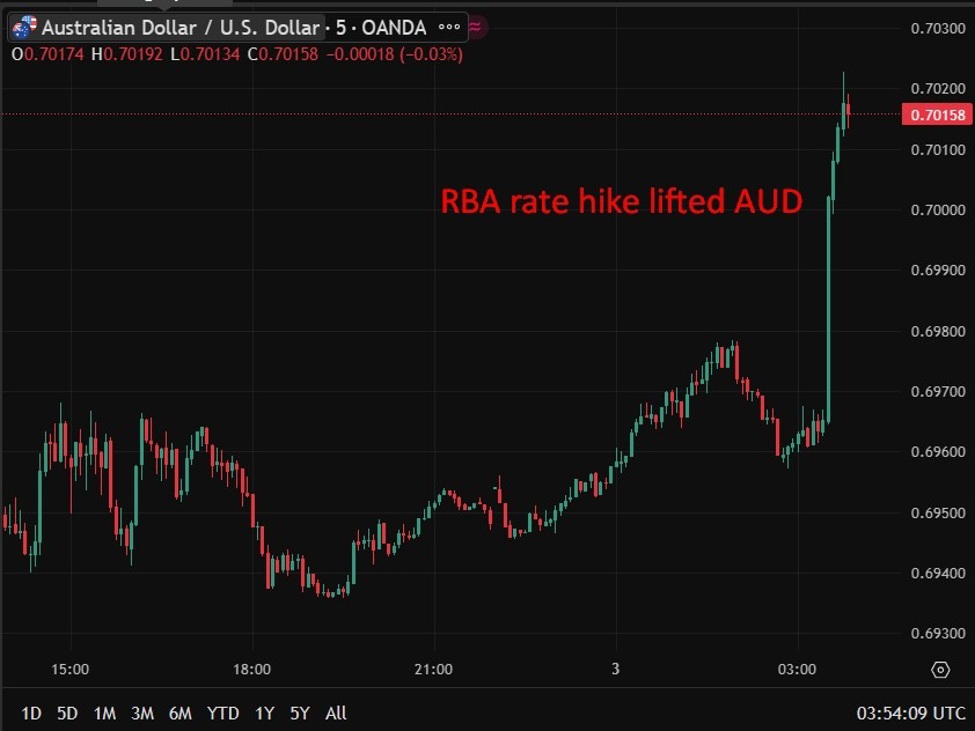
Currency Headwinds and Pricing Strategy: The Australian Dollar strengthened immediately following the announcement, climbing above 0.7000 AUD/USD. While stronger AUD helps RBA's inflation management, it creates pricing pressure for sellers importing goods into Australia. A stronger AUD means imported products cost more in local currency, forcing sellers to either absorb margin compression (3-5% typical impact) or raise prices, further dampening demand. Sellers with AUD-denominated revenue streams benefit from currency appreciation, but those with USD costs face margin pressure. The RBA forecasts additional rate increases to 3.9% by June 2025 and 4.2% by December 2025, suggesting continued AUD strength through mid-2026.
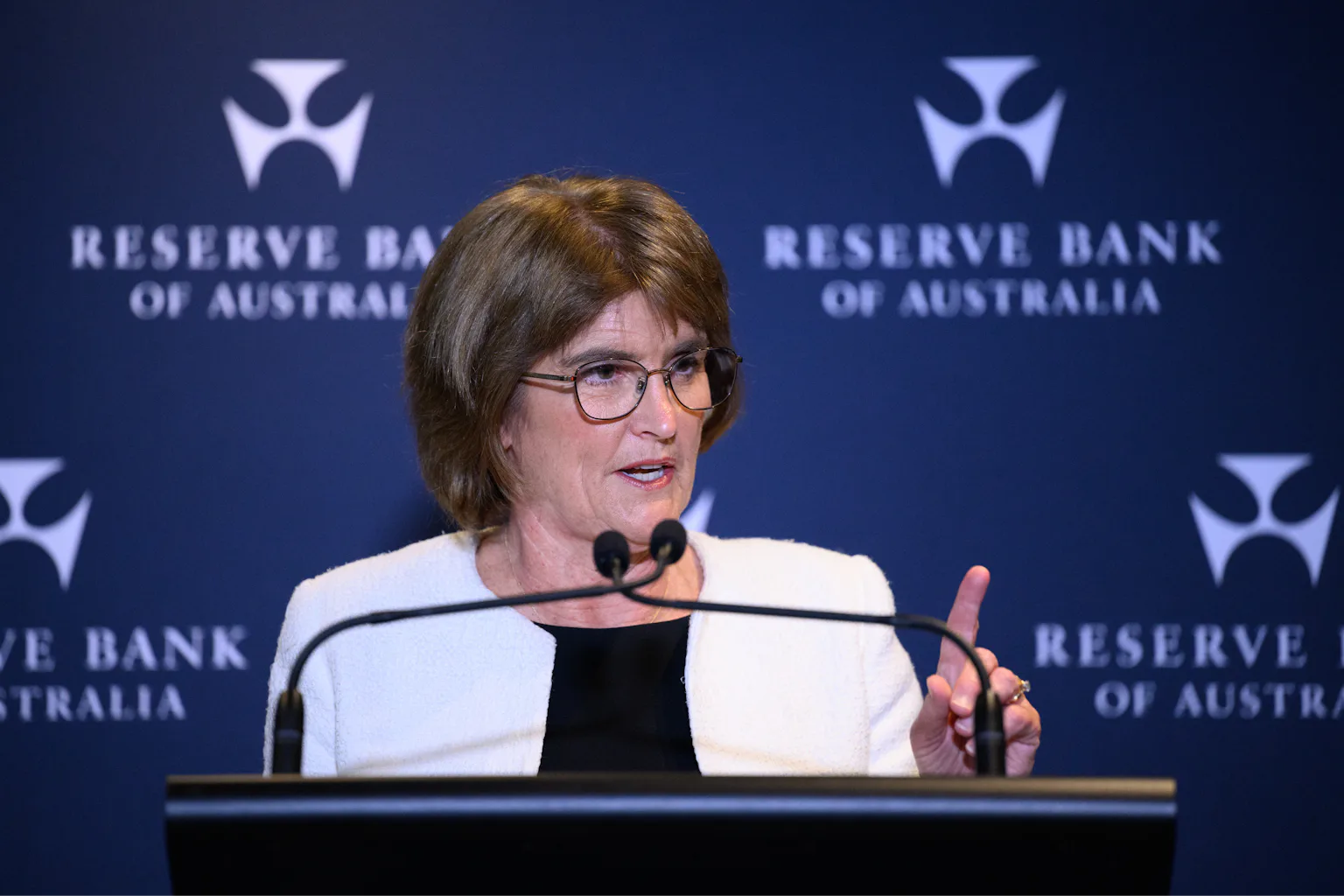
Strategic Implications: EY Oceania Chief Economist Cherelle Murphy warned the economy is "running hotter than desired" and did not rule out additional rate hikes later in 2026. This uncertainty creates planning challenges for sellers. The unusual timing of the rate hike—only six months after the final cut—suggests the RBA may be more aggressive than previously signaled. Sellers should monitor RBA communications quarterly and adjust inventory allocation, pricing strategies, and marketing spend accordingly. Australian market exposure should be balanced against stronger growth markets in Asia-Pacific where monetary conditions remain more accommodative.
Questions 7
How does Australia's rate hike to 3.85% affect e-commerce seller margins?
The RBA's 25 basis point increase directly impacts seller margins through two mechanisms: reduced consumer purchasing power and currency appreciation. Australian households will see mortgage payments rise ~$90 monthly on $600K loans, reducing discretionary spending by 8-15% in non-essential categories. Simultaneously, the strengthening Australian Dollar (above 0.7000 AUD/USD) increases import costs for sellers sourcing from USD-denominated suppliers, compressing margins by 3-5%. Sellers should model pricing adjustments immediately and consider hedging strategies for Q2-Q4 2026 when the RBA forecasts rates reaching 4.2%.
Should sellers adjust pricing on Amazon Australia or eBay Australia immediately?
Yes, but strategically. The Australian Dollar's immediate strengthening above 0.7000 AUD/USD means imported goods cost more in AUD terms. Sellers with USD-denominated costs should implement 2-4% price increases on Amazon Australia and eBay Australia within 30 days to protect margins. However, aggressive pricing risks demand destruction in a contracting market. Recommended approach: increase prices on premium/luxury items (lower price elasticity) by 3-5%, maintain prices on value categories, and use PPC campaigns to drive volume in price-sensitive segments. Monitor competitor pricing weekly through February-June 2026.