
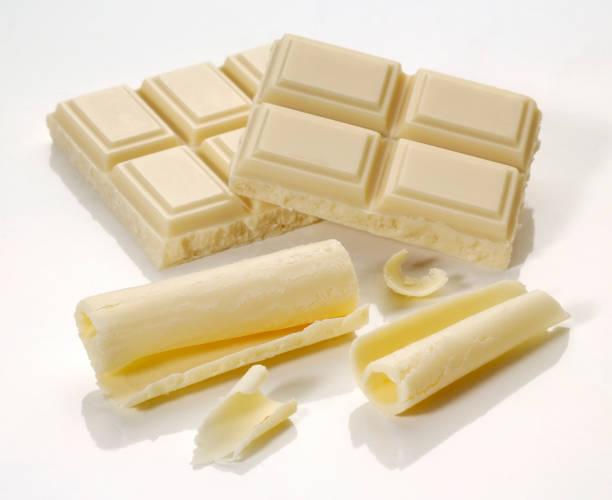
White Chocolate Market Expansion | $22.8B Opportunity for Specialty & Vegan Sellers
- Global market grows from $19.5B (2024) to $22.8B (2033) at 1.83% CAGR; vegan and sugar-free segments drive cross-border e-commerce demand in Western Europe and emerging markets
Overview
The global white chocolate market reached USD 19.5 billion in 2024 and is projected to expand to USD 22.8 billion by 2033, representing a 1.83% compound annual growth rate (CAGR) according to IMARC Group research. For cross-border e-commerce sellers, this $3.3 billion market expansion signals significant opportunities in specialty confectionery and beauty segments, particularly in high-growth niche categories that command premium pricing on Amazon, eBay, Shopify, and specialty marketplaces.
Vegan and sugar-free variants represent the highest-velocity growth segments within this mature market. Manufacturers are actively developing sugar-free white chocolate using fruit powders and plant-based alternatives with oat, soy, and coconut milk, directly addressing the health-conscious consumer segment that dominates cross-border e-commerce purchasing. These premium products typically command 30-50% price premiums over conventional white chocolate, making them highly profitable for sellers targeting Western Europe (the dominant regional market) and North American health-focused demographics. Sellers specializing in vegan confectionery can expect stronger margins and lower competition intensity compared to mainstream chocolate categories.
Cosmetic and personal care applications are expanding white chocolate's addressable market beyond confectionery. The high cocoa butter content is driving adoption in lotions, lip balms, hair removal wax, and anti-aging topical products—categories that generated $2.1 trillion globally in 2024 and show 8-12% annual growth in e-commerce channels. This cross-category opportunity allows sellers to diversify product portfolios and capture customers across beauty, wellness, and specialty food verticals simultaneously. Western Europe's dominance in confectionery consumption (driven by rapid urbanization and changing preferences) creates a natural geographic focus for sellers, with supermarkets and hypermarkets currently holding majority market share—indicating a significant gap for direct-to-consumer e-commerce penetration.
The modest 1.83% CAGR indicates a mature market requiring aggressive differentiation strategies. Sellers cannot compete on volume alone; success requires niche positioning in functional variants with specific health claims (mood elevation, immunity support, energy enhancement), premium packaging for gift markets, and targeted marketing to health-conscious and vegan consumer segments. Sellers should monitor regional preferences closely, particularly in Western Europe, and consider expanding product lines to include functional variants addressing specific health claims. The market's maturity also suggests opportunities for sellers to capture share from traditional retail through superior e-commerce logistics, personalization, and subscription models that supermarkets cannot match.
Questions 8
How should sellers approach the Western Europe market opportunity?
Western Europe dominates global white chocolate consumption due to high confectionery purchasing patterns, making it the primary geographic focus for sellers. Currently, supermarkets and hypermarkets hold majority market share, indicating a significant gap for direct-to-consumer e-commerce penetration. Sellers should: (1) establish Amazon.eu and eBay.eu storefronts with localized product descriptions, (2) emphasize premium positioning and health benefits in marketing, (3) optimize for regional preferences (darker cocoa butter content in some markets, lighter in others), and (4) consider subscription models for recurring revenue that traditional retail cannot match. Cross-border logistics to EU markets require VAT compliance and customs documentation planning.
Which white chocolate product categories offer the highest profit potential?
Vegan and sugar-free white chocolate variants represent the highest-velocity growth segments within the $22.8B market. Sellers should prioritize: (1) plant-based chocolate using oat/soy/coconut milk (premium positioning), (2) sugar-free confectionery with fruit powder ingredients (health-conscious buyers), and (3) cosmetic applications including lip balms, lotions, and anti-aging products leveraging cocoa butter content. These categories typically show 8-12% annual growth in e-commerce channels and face lower competition intensity than mainstream chocolate. Functional variants with specific health claims (immunity support, mood elevation, energy enhancement) command the strongest margins and customer loyalty.