
Fed Leadership Crisis Signals Economic Policy Volatility | Seller Risk Alert
- Political standoff over Powell investigation creates 18-month uncertainty window through May 2026, affecting interest rate policy and seller financing costs















Overview
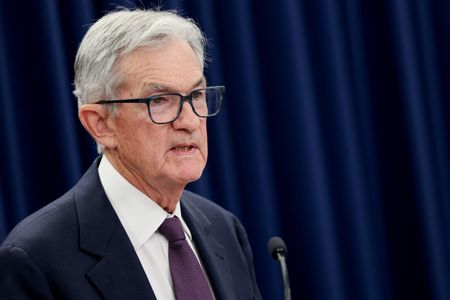
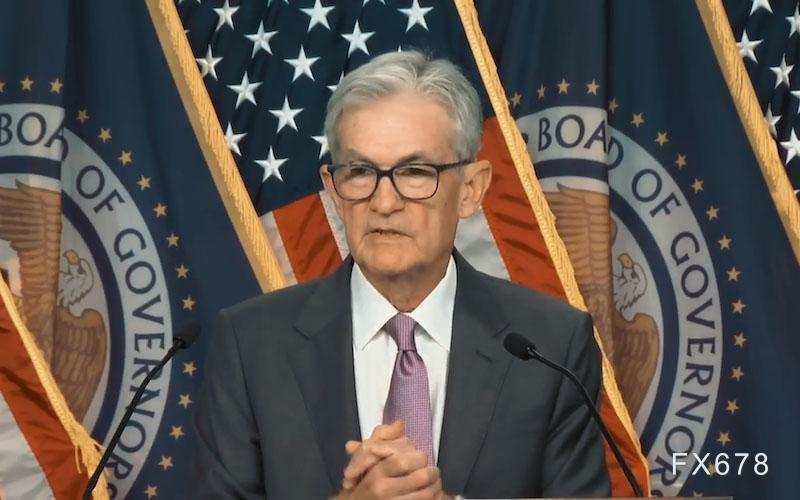
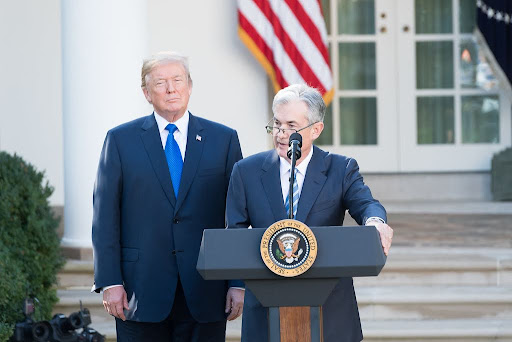
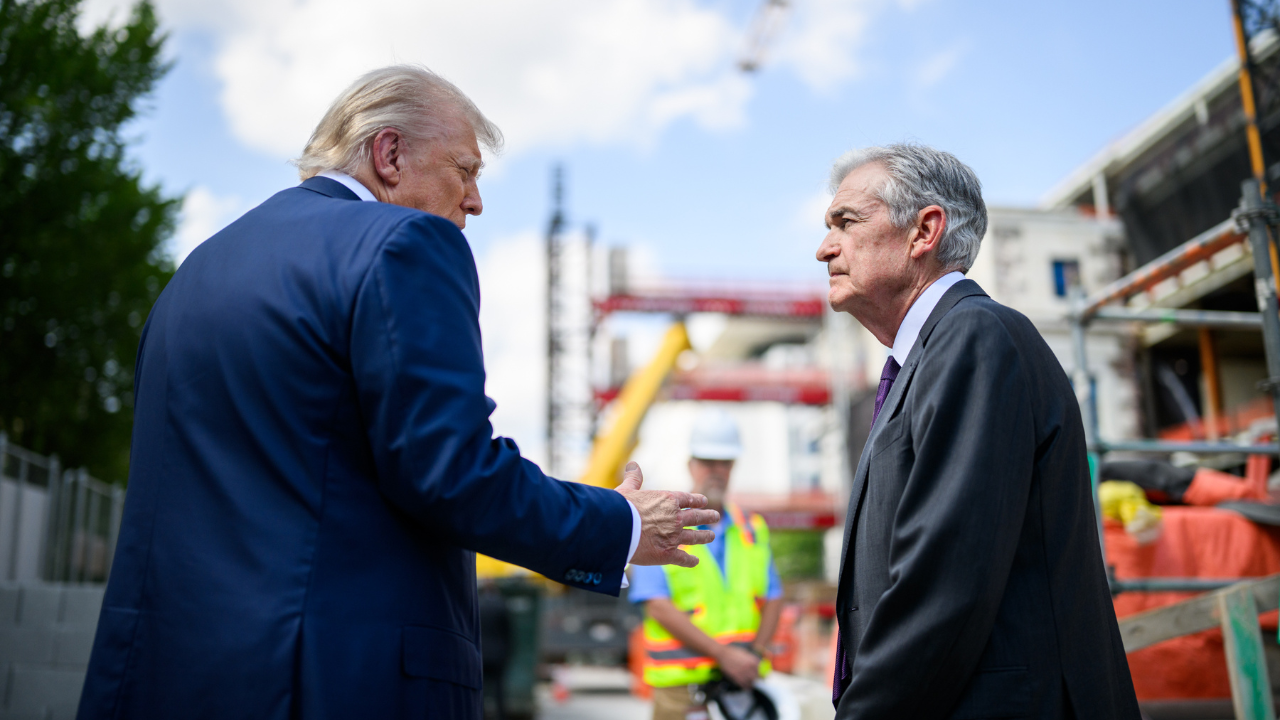
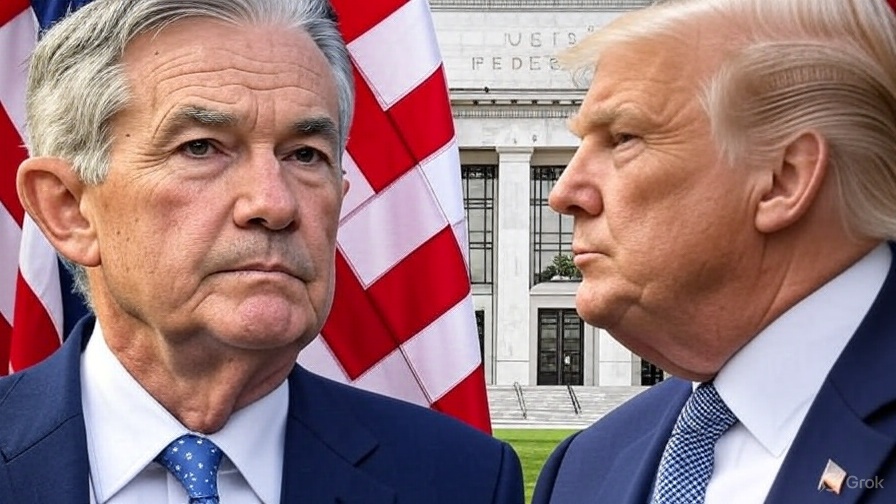
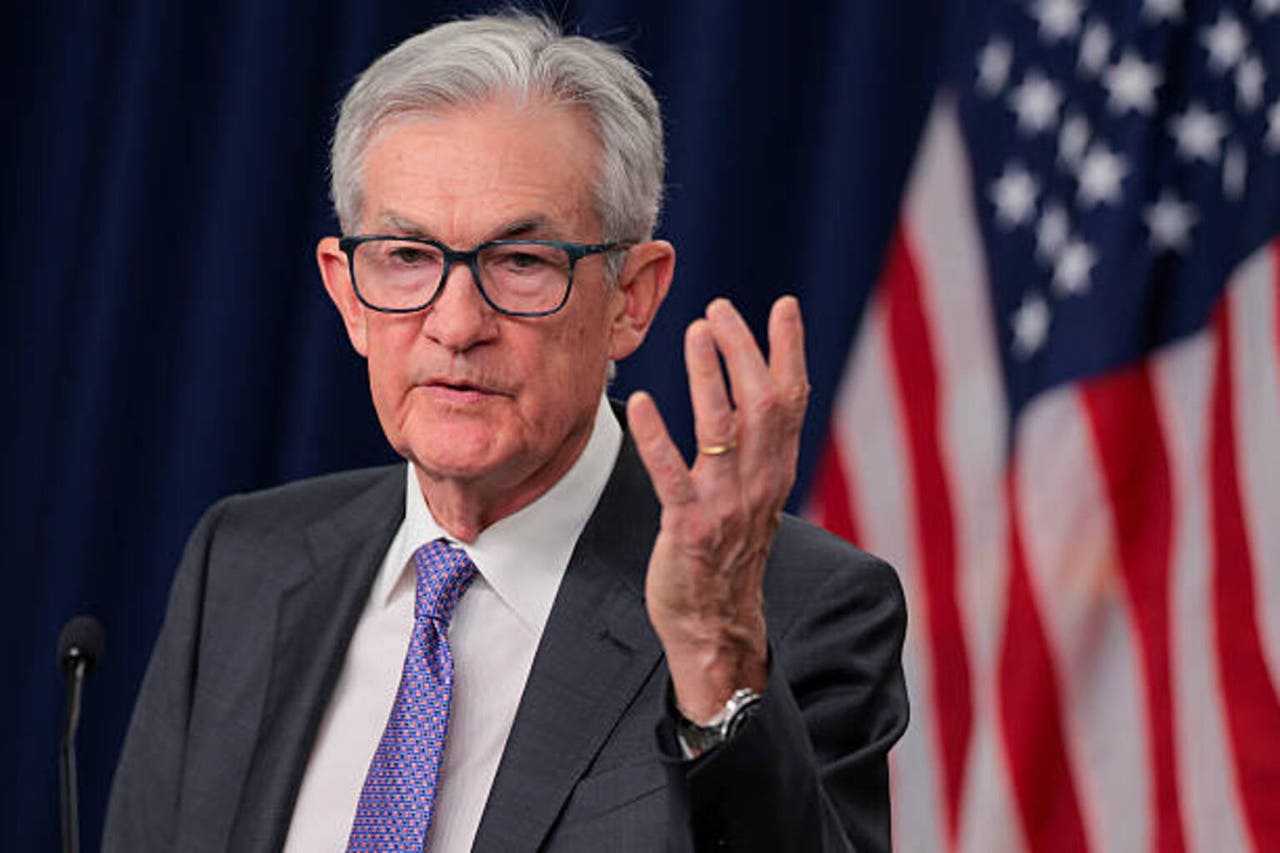
The ongoing DOJ criminal investigation into Federal Reserve Chair Jerome Powell, led by U.S. Attorney Jeanine Pirro, has created unprecedented political uncertainty around U.S. monetary policy leadership during a critical economic period. President Trump has committed to continuing the probe "to the end," while Senator Thom Tillis (R-N.C.) has declared he will block any new Fed nominee until Powell's investigation concludes. This political standoff directly impacts e-commerce sellers through multiple financial channels: interest rate policy uncertainty, small business lending conditions, and working capital availability.
The Monetary Policy Connection to Seller Operations: The Federal Reserve's interest rate decisions directly influence the cost of capital for e-commerce sellers. With Powell's leadership uncertain through May 2026 and potential successor Kevin Warsh facing confirmation delays, the Fed faces 18 months of potential policy drift. Sellers relying on business lines of credit, inventory financing, and working capital loans face unpredictable borrowing costs. The investigation centers on a $2.5 billion Fed headquarters renovation project, with Trump alleging "gross incompetence or theft," creating political pressure that could influence monetary policy decisions independent of economic fundamentals. This politicization of the Fed increases volatility in interest rates, which directly affects Amazon FBA sellers' financing costs, 3PL provider pricing, and inventory carrying expenses.
Seller Financing and Cash Flow Implications: Cross-border e-commerce sellers typically maintain 60-90 days of inventory financing through business credit lines. Interest rate uncertainty translates to unpredictable monthly costs ranging from $500-$5,000+ depending on inventory levels and credit terms. The political standoff creates a "wait-and-see" environment where financial institutions may tighten lending standards or increase rates to hedge against policy uncertainty. Sellers with variable-rate financing face potential cost increases of 1-3% annually if the Fed maintains higher rates longer than expected. Additionally, the investigation's focus on government spending and cost control could influence Fed policy toward tighter monetary conditions, further pressuring seller margins.
Strategic Implications for Seller Planning: The 18-month leadership uncertainty window (through May 2026) requires sellers to reassess financing strategies. Sellers should consider locking in fixed-rate financing before potential rate increases, diversifying funding sources beyond traditional bank credit lines, and building cash reserves to reduce reliance on working capital loans. The political nature of the investigation introduces non-economic factors into monetary policy, creating unpredictable conditions that historical economic models may not capture. Sellers in capital-intensive categories (electronics, home goods, apparel with seasonal inventory) face the highest risk from financing cost volatility.
Questions 8
When will the Powell investigation likely conclude and Fed leadership stabilize?
The investigation shows no signs of near-term resolution. Powell announced in January 2026 that he was under criminal investigation, and as of February 2026, Trump confirmed the DOJ probe will continue 'to the end.' The Federal Reserve has not yet complied with grand jury subpoenas, suggesting the investigation is in early stages. Powell's term ends May 2026, but Senator Tillis's opposition to any new nominee until the investigation concludes could extend uncertainty through 2026-2027. Worst-case scenario: the investigation continues through Powell's term end, creating a leadership vacuum. Best-case scenario: investigation concludes by Q3 2026, allowing new Fed chair confirmation by year-end. Plan financing strategies assuming 18-24 months of uncertainty. Monitor Senate Banking Committee hearings for investigation progress updates.
What alternative financing options should I explore during this uncertainty?
Traditional bank financing becomes riskier during Fed leadership uncertainty. Explore alternative funding: inventory financing platforms (Clearco, Fundbox, Shopify Capital) that price based on sales velocity rather than Fed rates, supply chain financing from 3PL providers, and peer-to-peer lending platforms. These alternatives typically cost 1-2% more than bank rates but provide certainty. Consider revenue-based financing, which ties costs to sales performance rather than interest rates. For cross-border sellers, explore trade financing options through international banks less exposed to U.S. Fed policy. Build relationships with multiple lenders now—during uncertainty, lenders may reduce credit availability. Sellers with $100K+ monthly revenue should establish credit lines with 2-3 different sources to ensure access to capital regardless of Fed policy direction.