


China's Retractable Door Handle Ban Creates $2B+ Compliance Market for Automotive Parts Sellers
- Effective January 1, 2027 for new models; 2-year grace period through 2029 for existing designs; affects 10+ major manufacturers including Tesla, Xiaomi, BMW, Nio, Li Auto, Xpeng









)



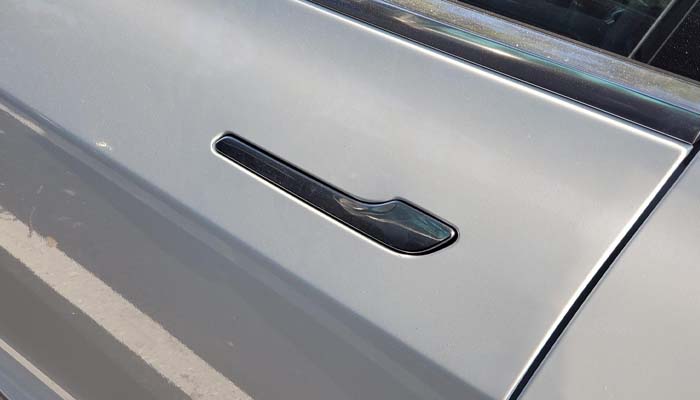



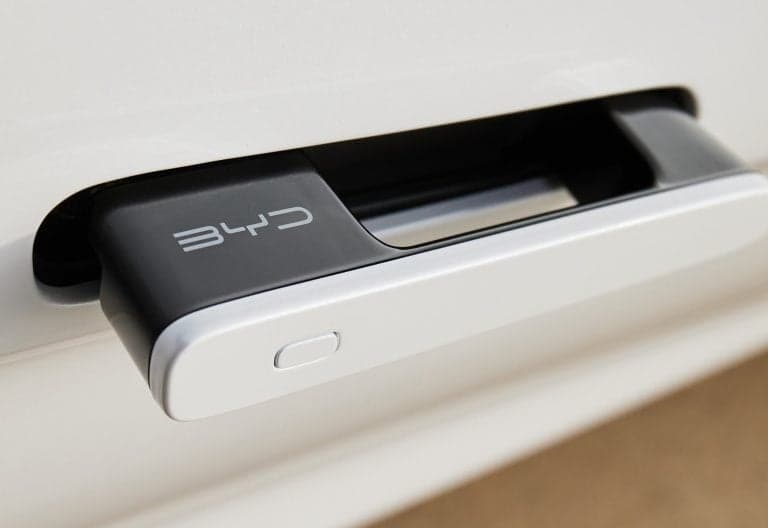








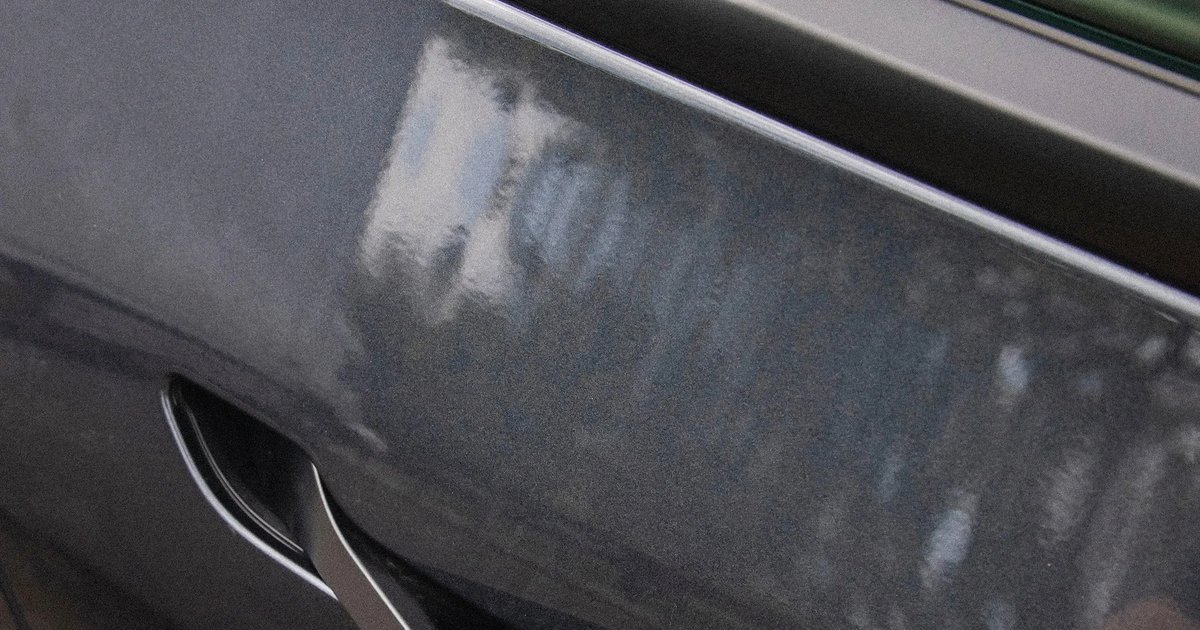


Overview
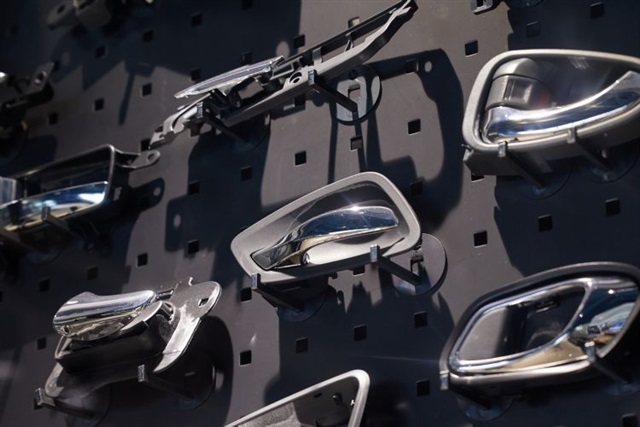
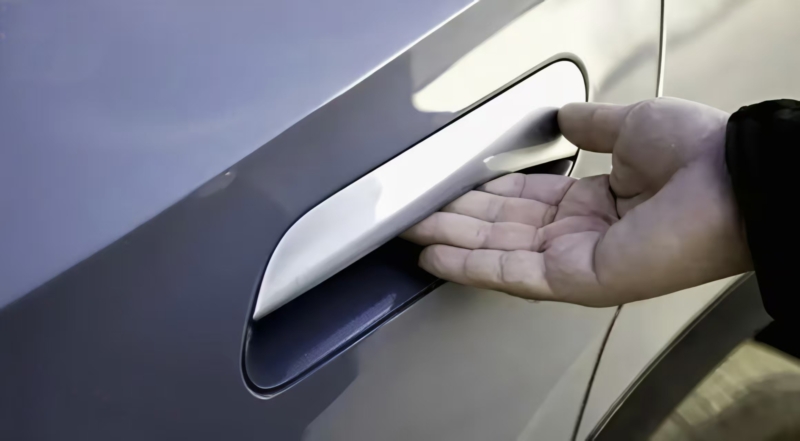
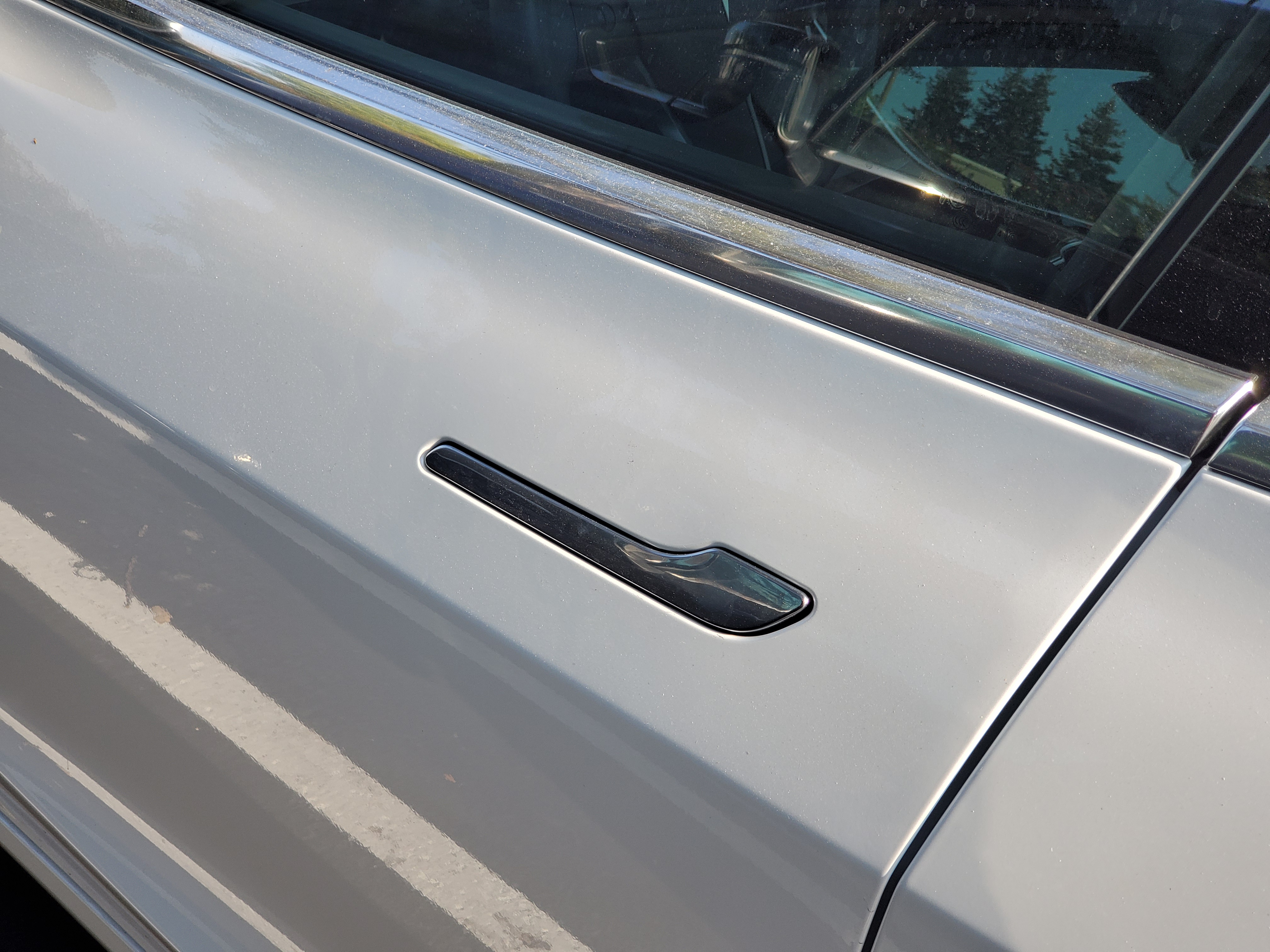
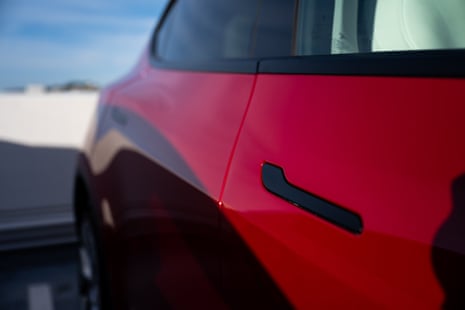
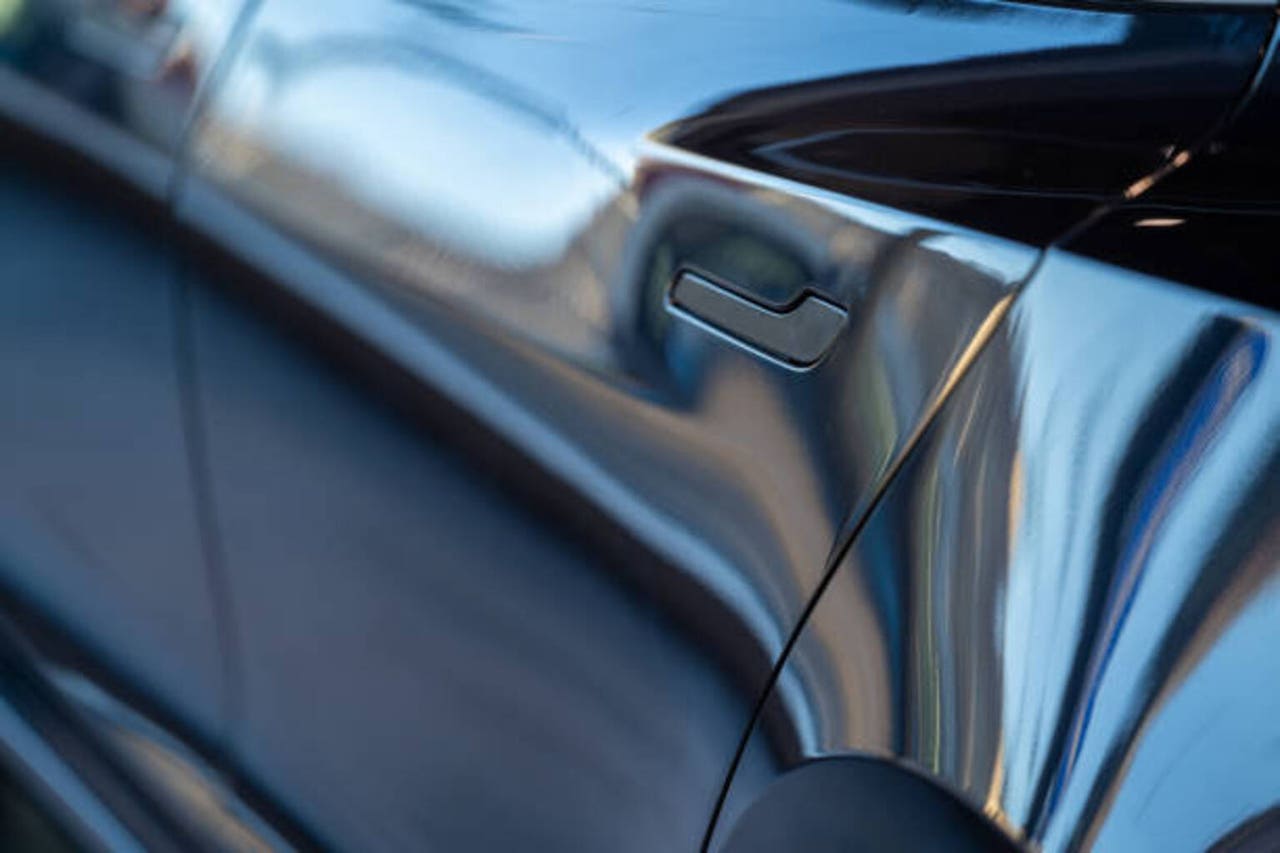
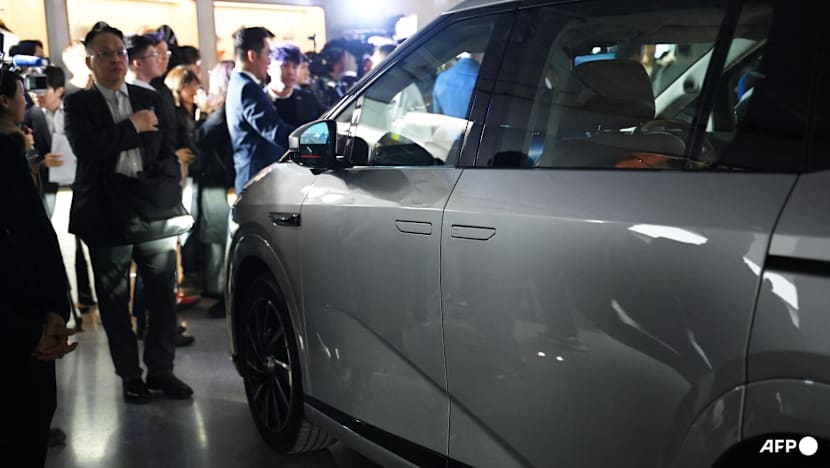
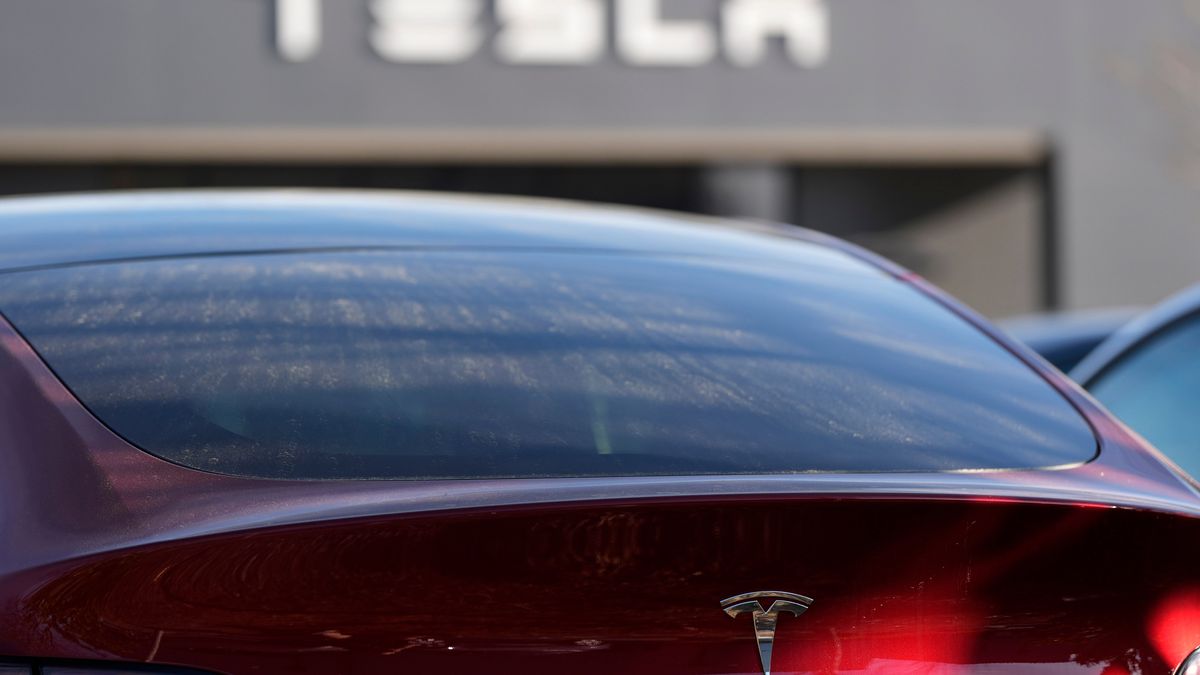
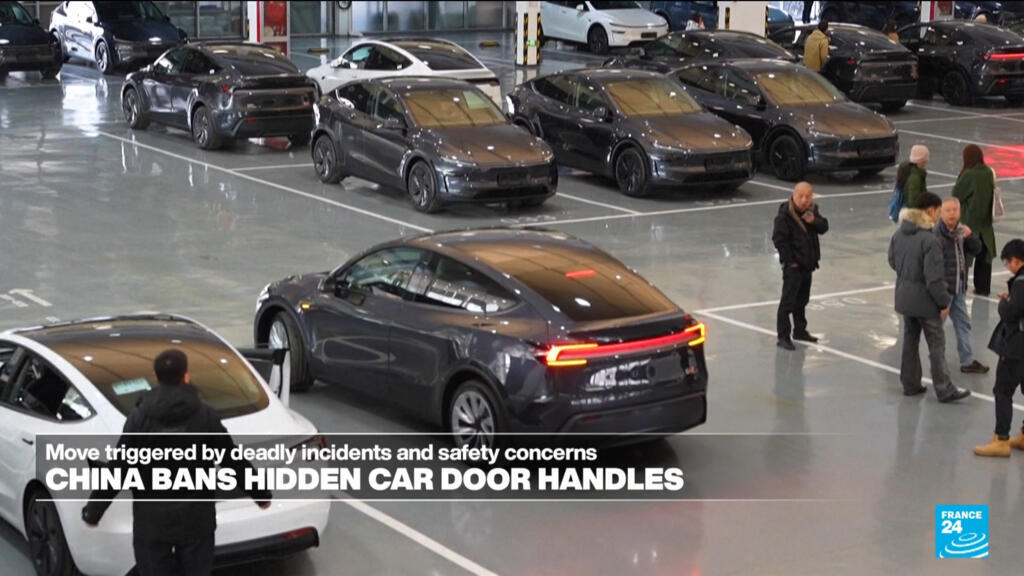
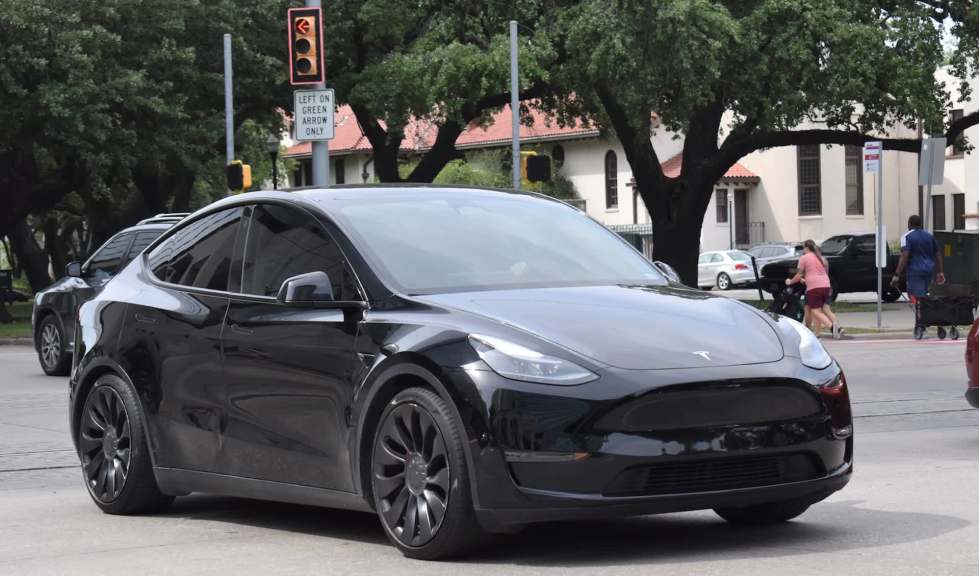
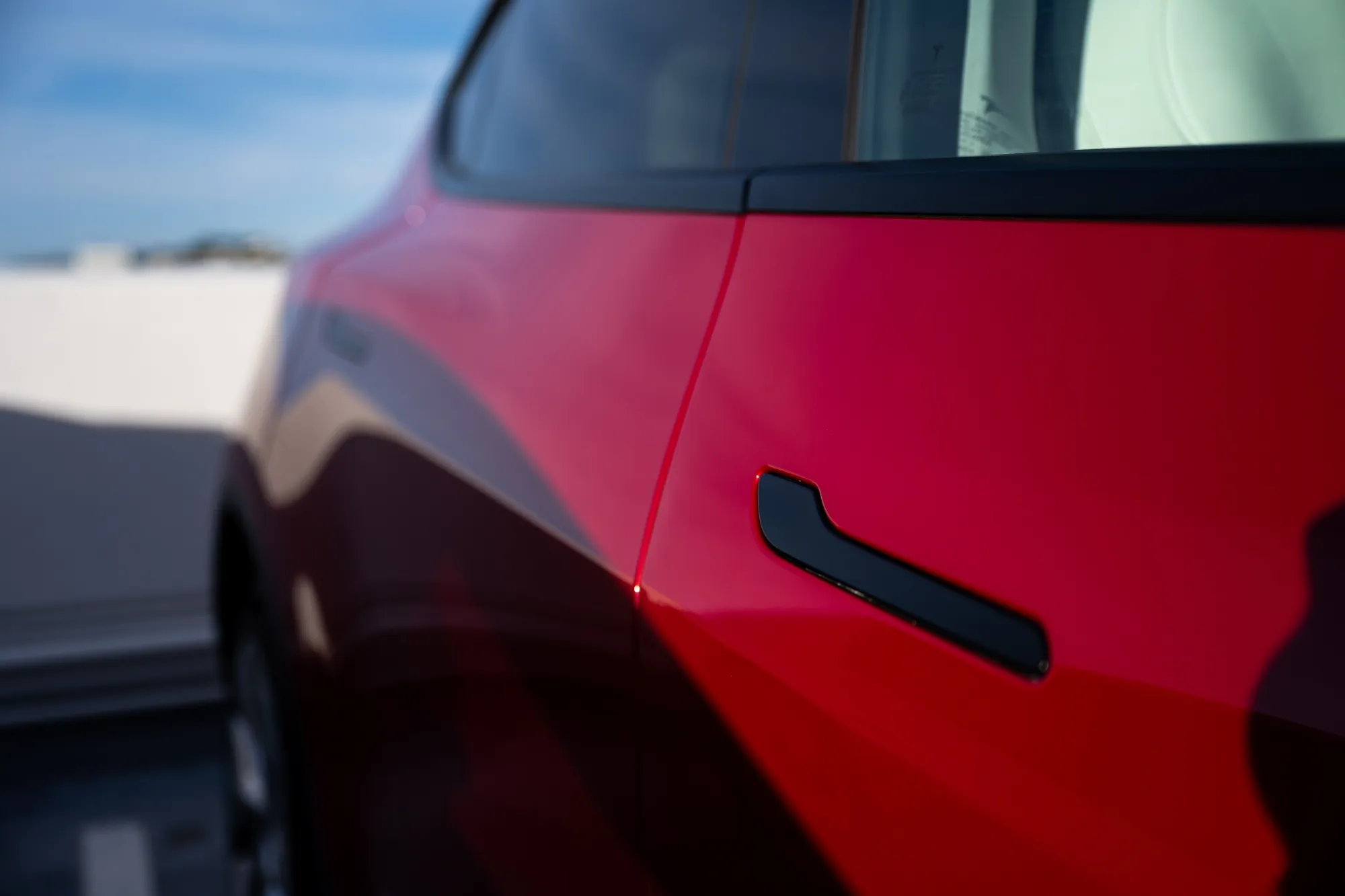
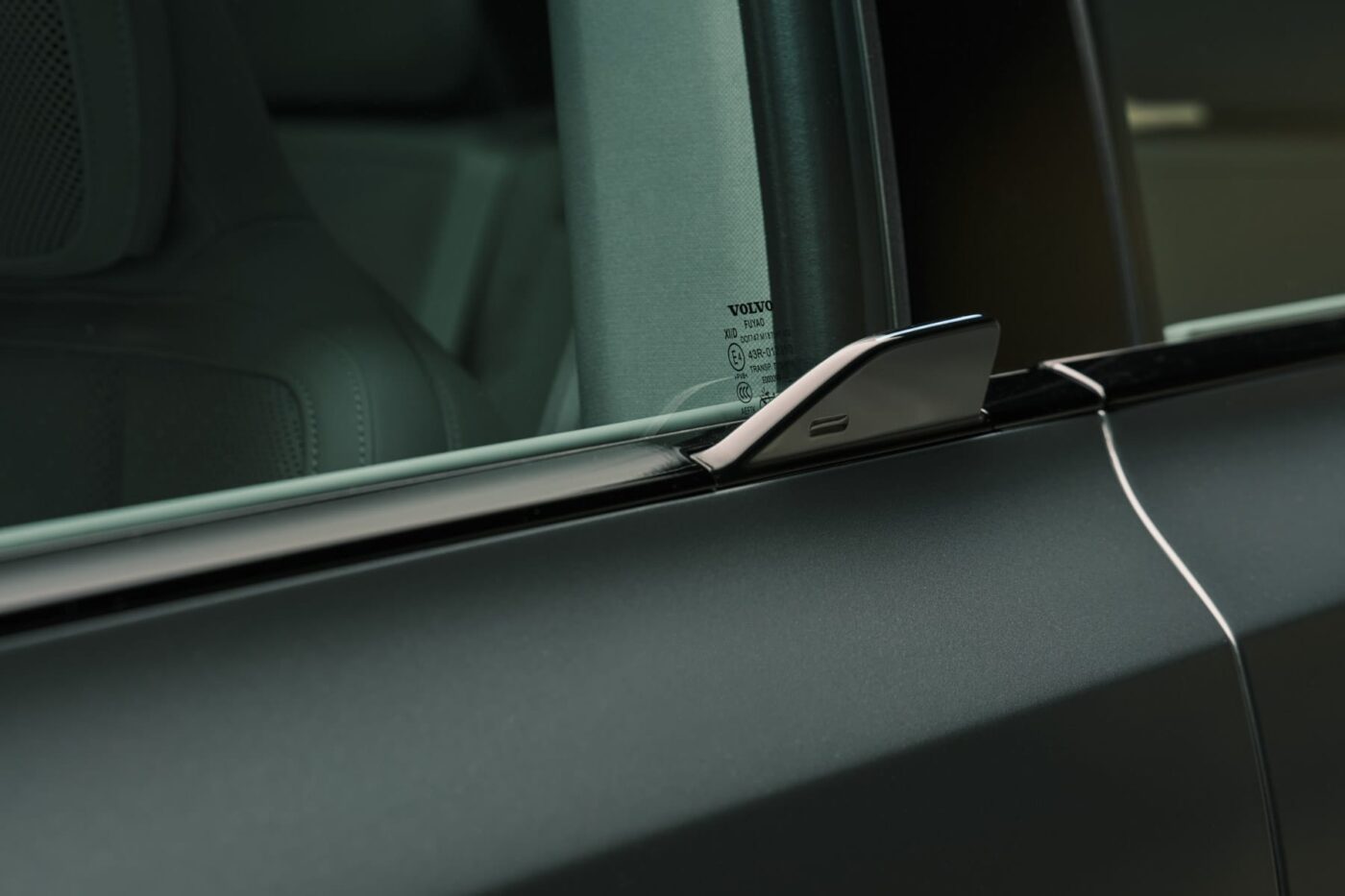
China's comprehensive ban on retractable car door handles, announced February 3, 2026 and effective January 1, 2027, represents a critical compliance barrier that eliminates non-compliant sellers while creating massive opportunities for compliant automotive parts suppliers. The regulation mandates mechanical door handle mechanisms with precise technical specifications: exterior handles requiring 6cm (2.4") width, 2cm (0.8") height, and 25mm (1") depth recessed space, plus emergency-function locking mechanisms that operate without tools during airbag deployment or battery fires. This regulatory action directly impacts Tesla (linked to 15+ deaths from power-loss door failures), Xiaomi (fatal March 2025 crash killing 3 people), BMW, Nio, Li Auto, Xpeng, Ferrari, and McLaren—representing approximately 40-50% of China's premium EV market.
The compliance cost structure creates a high-barrier moat protecting compliant sellers. Manufacturers face $500M-$2B+ in aggregate retooling costs across design modifications, component sourcing, and testing. The 2027-2029 timeline compresses compliance into 24 months for existing designs, creating urgent demand for: (1) mechanical door handle components meeting 6cm specifications, (2) emergency release mechanisms certified for power-loss scenarios, (3) retrofit kits for vehicles sold before 2027, and (4) compliance testing and certification services. E-commerce sellers in automotive parts categories can capture this demand through Amazon, Alibaba, and specialized B2B platforms.
Market elimination rate is estimated at 60-70% of non-compliant aftermarket sellers. Sellers offering retractable handle retrofit kits, flush-mount components, or non-compliant door mechanisms will face inventory liquidation and delisting. Conversely, sellers offering mechanical handle solutions, emergency release components, and compliance documentation gain protected market access. The regulatory specificity (precise measurements, emergency function requirements) creates high barriers to entry—sellers must invest in testing, certification, and technical documentation. Estimated compliance service costs: $50K-$150K per product line for testing and certification; component sourcing costs: $15-$40 per unit for compliant mechanical handles vs. $8-$20 for non-compliant retractable designs.
This regulation signals global compliance trend acceleration. China's proactive approach (establishing standards before US NHTSA investigation concluded) positions Chinese regulations as leading indicators for EU, US, and ASEAN automotive safety standards. Sellers who achieve China compliance by January 2027 can leverage certifications for EU and US market entry, creating first-mover advantages in global automotive parts categories. The 2-year grace period (through January 1, 2029 for existing designs) provides a compliance window for sellers to source, test, and certify compliant components before market access closes.
Questions 7
How much will compliant door handle components cost sellers vs. non-compliant alternatives?
Compliant mechanical door handles cost $15-$40 per unit (including emergency release mechanisms and testing certification), compared to $8-$20 for non-compliant retractable designs. The 50-100% cost premium reflects engineering complexity, emergency-function requirements, and certification expenses. However, compliant components command 30-50% price premiums in the market ($60-$100 retail vs. $40-$60 for non-compliant), creating margin expansion opportunities. Sellers should model 18-24 month payback periods for compliance investment, with breakeven at 50K-100K unit volumes. Retrofit kit sellers can achieve higher margins (40-60%) by bundling compliant components with installation documentation and emergency-function testing certificates.
What is the fastest compliance path for automotive parts sellers targeting China market?
The fastest compliance strategy involves: (1) sourcing pre-certified mechanical handle components from established suppliers (4-8 weeks), (2) obtaining third-party testing certification through Chinese labs like CNAS-accredited facilities (6-12 weeks, $50K-$150K cost), (3) registering products with MIIT compliance database (2-4 weeks), and (4) listing on Alibaba B2B with compliance documentation (1-2 weeks). Total timeline: 13-26 weeks. Sellers can accelerate by partnering with existing OEM suppliers who already hold certifications. The 2027-2029 grace period provides 24 months for existing designs to achieve compliance, but sellers should begin certification by Q2 2026 to capture early market demand from manufacturers retooling production lines.