




Bilateral Trade Deals 2025 | Tariff Fragmentation Creates $2-4B Arbitrage Window for Cross-Border Sellers
- USMCA review by summer 2025 creates 6-month tariff uncertainty; EU-India "mother of all deals" opens preferential rates for electronics/apparel; sellers face 8-15% margin compression without supply chain diversification













Overview
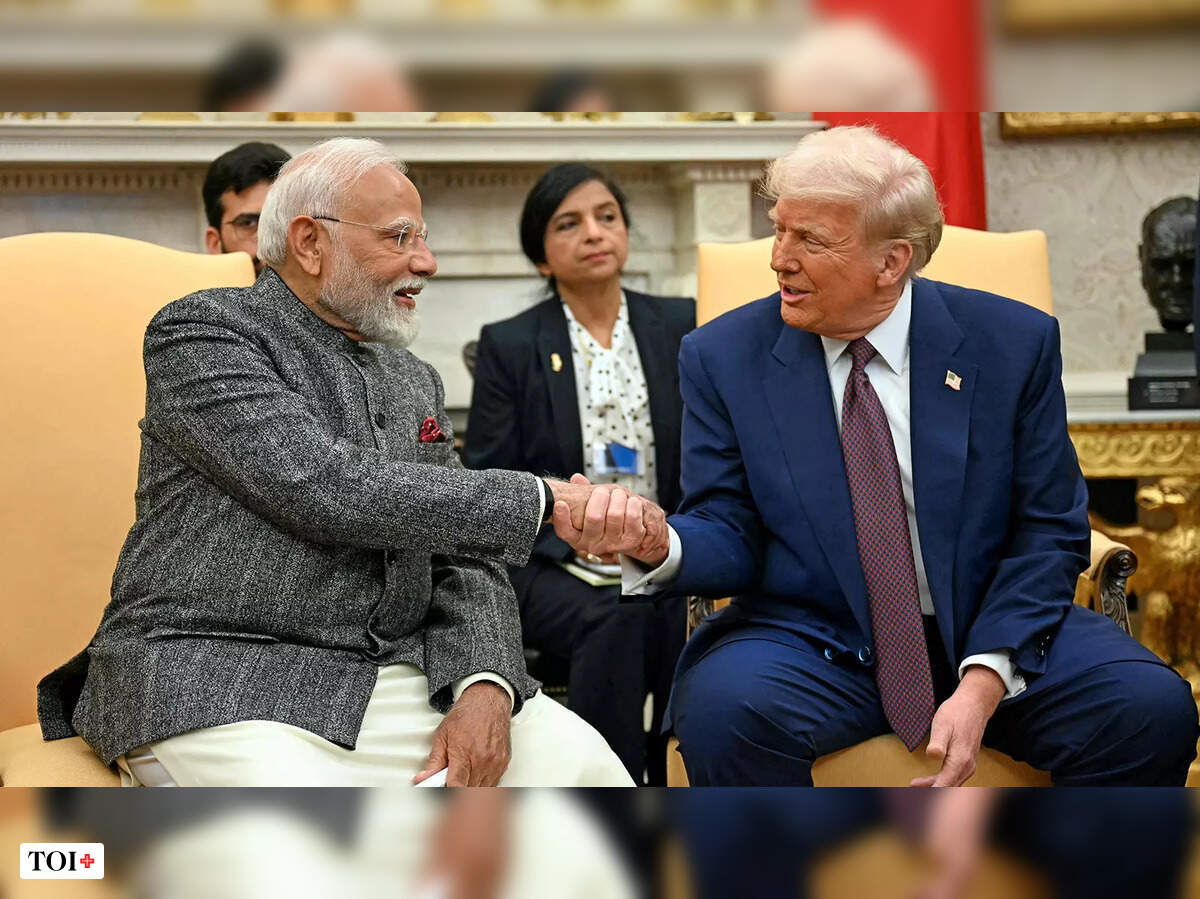
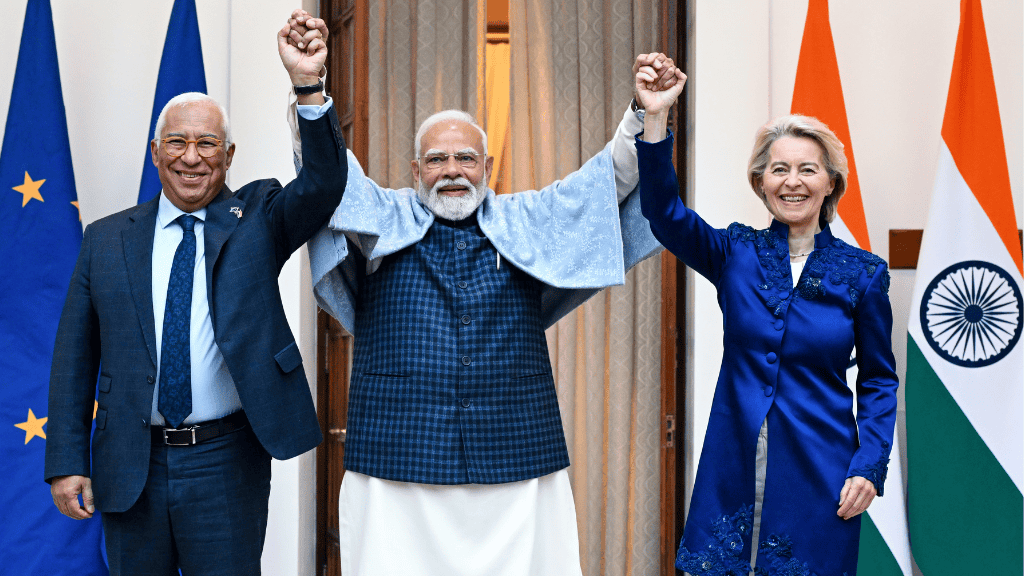
Global trade architecture is fragmenting into bilateral agreements, creating unprecedented tariff arbitrage opportunities and operational complexity for cross-border e-commerce sellers. The shift away from multilateral frameworks—exemplified by U.S. allies negotiating direct deals with each other rather than relying on U.S.-led trade systems—represents the most significant realignment since the post-WWII trade order. Key developments include the EU-India deal (described as "the mother of all deals" by European Commission President Ursula von der Leyen), new Britain-China partnerships, Vietnam-EU agreements, and Canada's decision to allow Chinese electric vehicles at lower tariff rates. The USMCA faces critical review by summer 2025, creating a 6-month window of maximum uncertainty for North American cross-border commerce.
For e-commerce sellers, this fragmentation creates both acute risks and time-sensitive opportunities. Bilateral agreements typically negotiate preferential tariff rates for specific product categories—electronics, automotive components, apparel, and steel/aluminum see the most dramatic rate variations. Sellers operating across multiple jurisdictions now face divergent duty structures depending on trade partner relationships. A product sourced from Vietnam to the EU may enjoy 0-3% tariffs under the new Vietnam-EU agreement, while the same product from China faces 15-25% rates. This creates a $2-4B arbitrage window for sellers who can rapidly shift sourcing locations and warehouse placement. However, the complexity is severe: rules of origin requirements vary by agreement, customs procedures differ by corridor, and compliance costs increase substantially. Sellers must now monitor 15+ bilateral negotiations simultaneously rather than tracking a single multilateral framework.
The operational impact extends beyond tariff rates to supply chain architecture. Two-thirds of Canadian exporters rely solely on the U.S. market, yet Canada is actively diversifying through new partnerships—signaling that sellers should expect supply chain fragmentation as countries pursue defensive strategies. Sellers should anticipate: (1) evolving tariff schedules requiring quarterly compliance audits, (2) changing rules of origin that may disqualify existing suppliers, (3) higher 3PL costs as logistics providers navigate fragmented tariff zones, and (4) increased working capital requirements as tariff uncertainty extends payment cycles. The India trade negotiations are particularly significant—securing agreements with India requires extensive negotiation due to their thorough approach, suggesting these preferential rates will remain stable once finalized, creating long-term sourcing advantages for early movers. Conversely, the USMCA review uncertainty means sellers should avoid major inventory commitments to North American markets until summer 2025 resolution.
Questions 8
What is the USMCA review timeline and how does it impact North American sellers?
The USMCA faces critical review by summer 2025, creating 6 months of maximum uncertainty for North American cross-border commerce. This agreement covers $1.3 trillion in annual trade between US, Canada, and Mexico. Sellers should avoid major inventory commitments to North American markets until the review concludes, as tariff rates could shift 10-20% depending on renegotiation outcomes. Former Deputy PM Freeland noted that despite initial tariffs and retaliatory measures in the first Trump administration, both parties ultimately reached agreement, suggesting eventual resolution. However, the interim period creates working capital risks—consider reducing inventory velocity in North American channels by 20-30% until clarity emerges.
Which product categories benefit most from new bilateral trade deals?
Electronics, automotive components, apparel, and steel/aluminum see the most dramatic tariff variations under bilateral agreements. The EU-India deal specifically targets these categories with preferential rates. Sellers in electronics categories (HS codes 8471-8517) can achieve 8-15% tariff reductions by sourcing from India rather than China. Apparel sellers (HS codes 6201-6217) benefit from Vietnam-EU agreements offering 0-5% rates versus 12-15% from non-agreement sources. Automotive parts sellers should monitor China-Britain partnerships for potential rate changes. Conduct a tariff audit of your top 20 SKUs by HS code to identify which categories qualify for preferential rates under new agreements.