


Turkey's Strategic Counterterrorism Sweep Reveals Complex Regional Security Dynamics
- Comprehensive ISIS Disruption Signals Heightened Operational Risks for Cross-Border Businesses














)













)


Overview
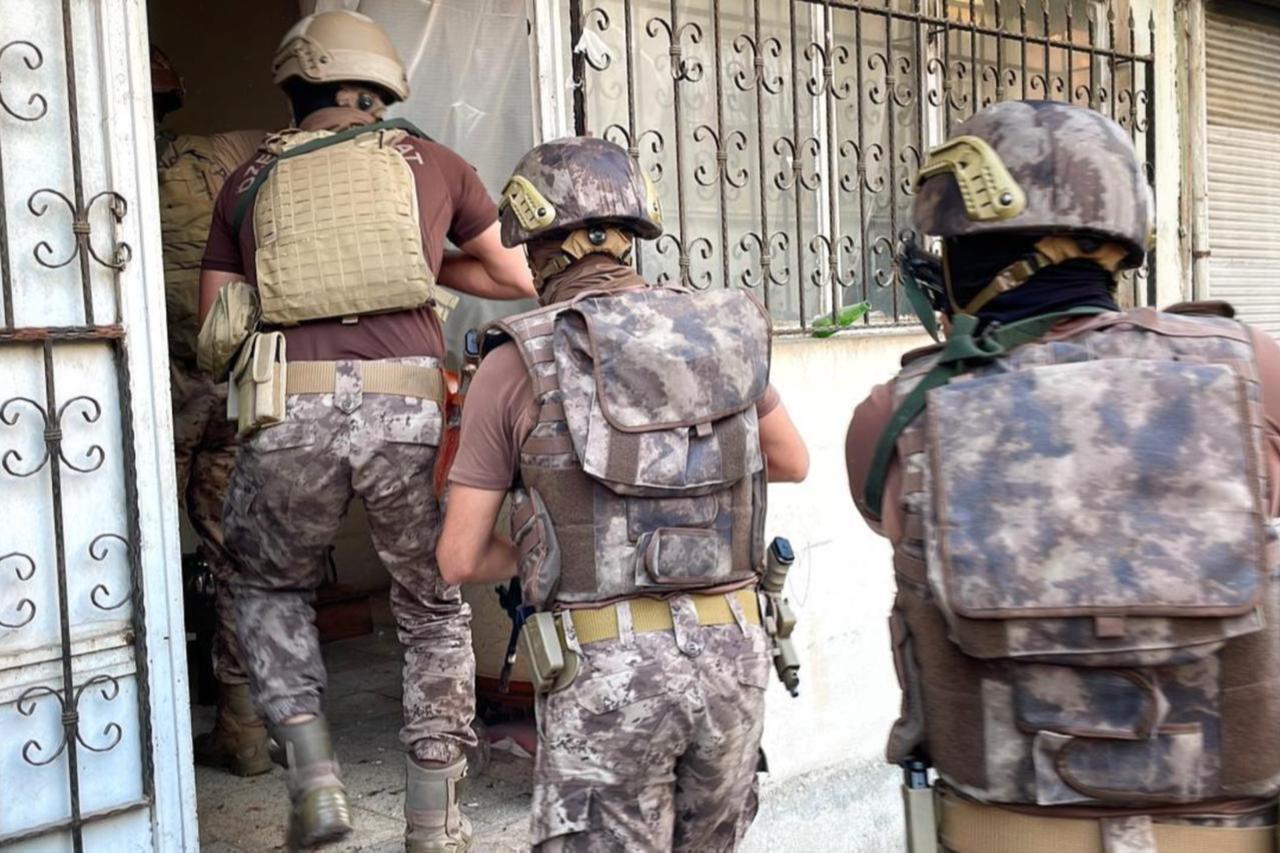
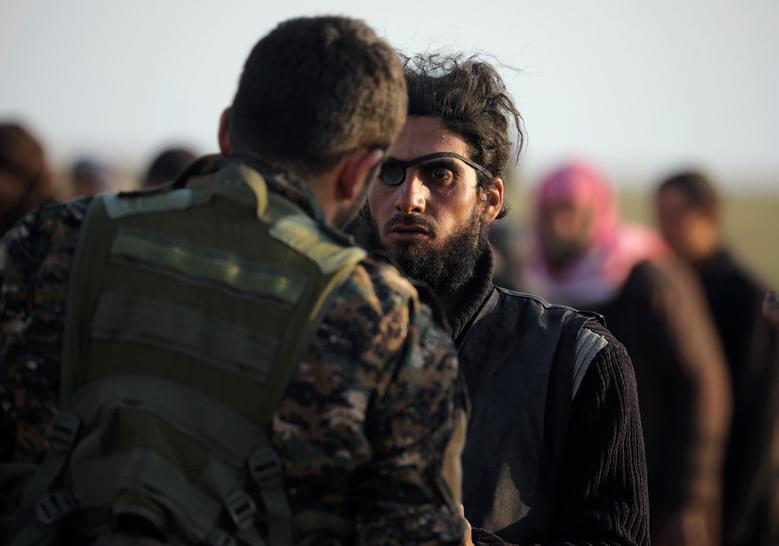
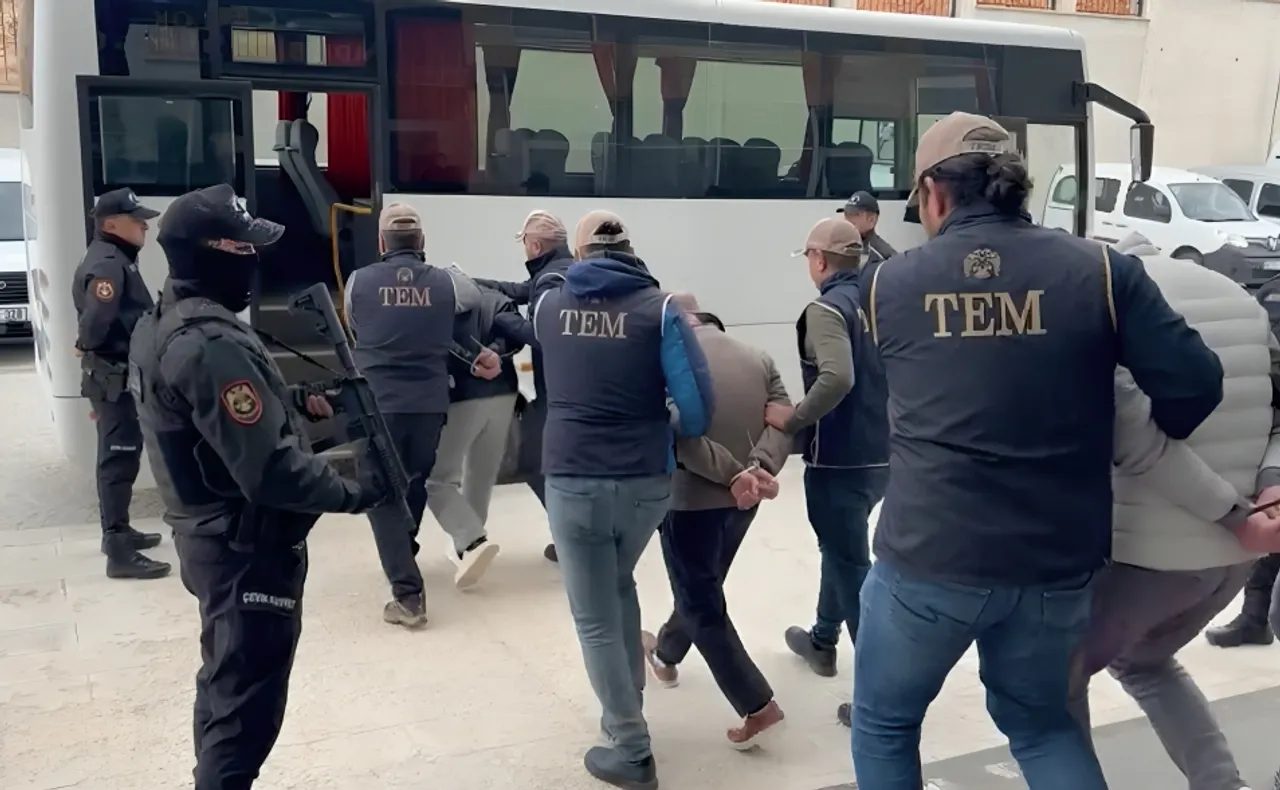
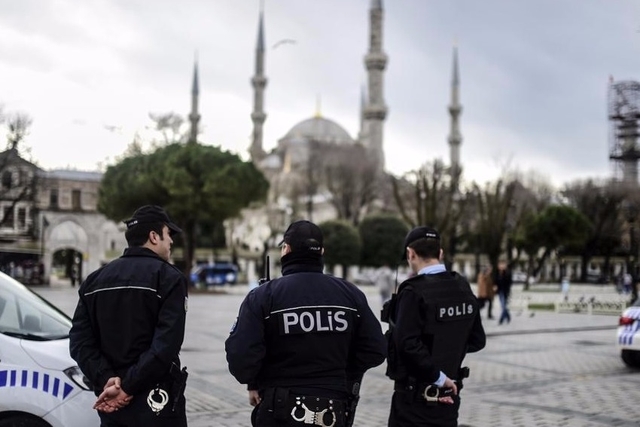
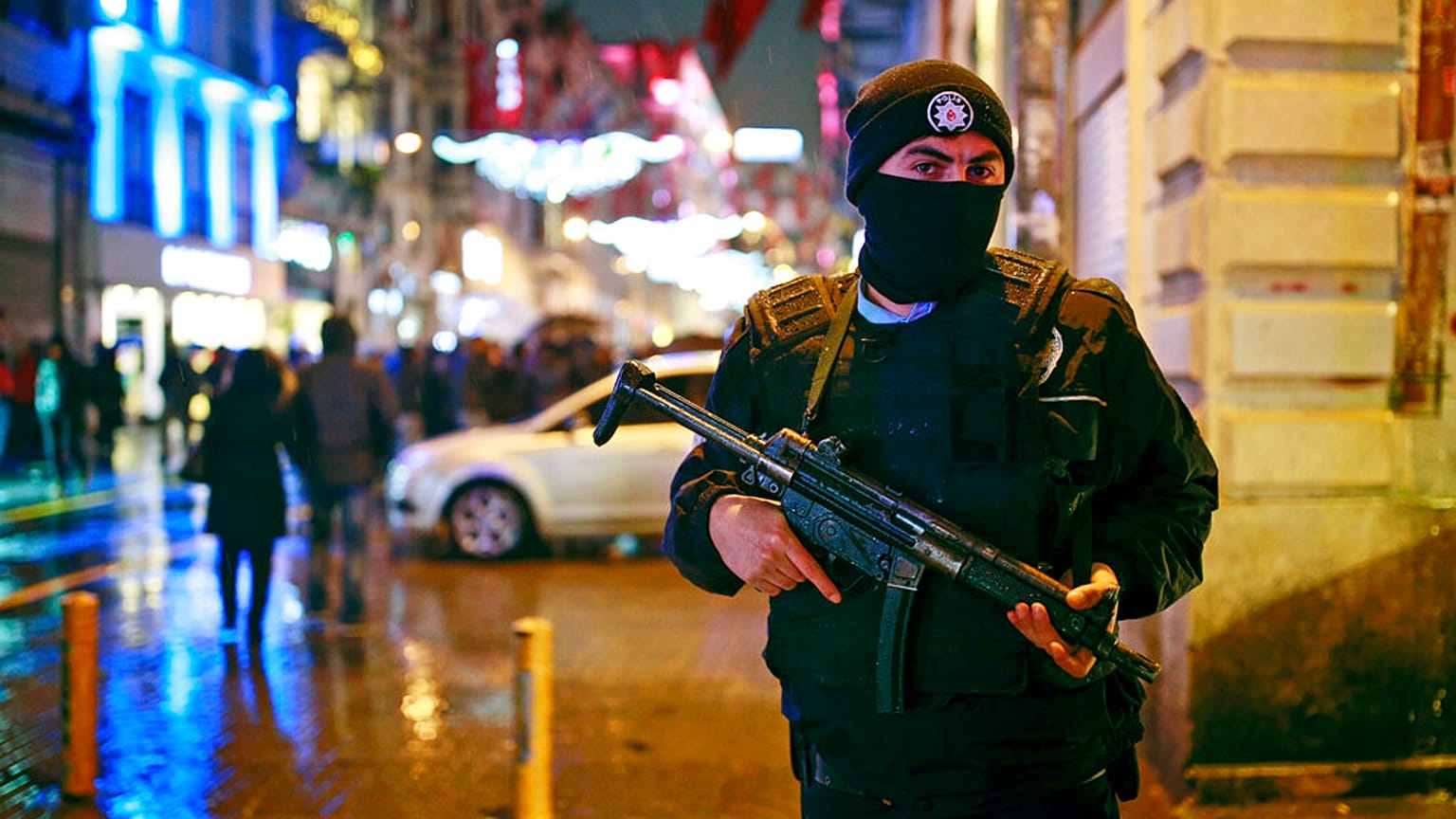
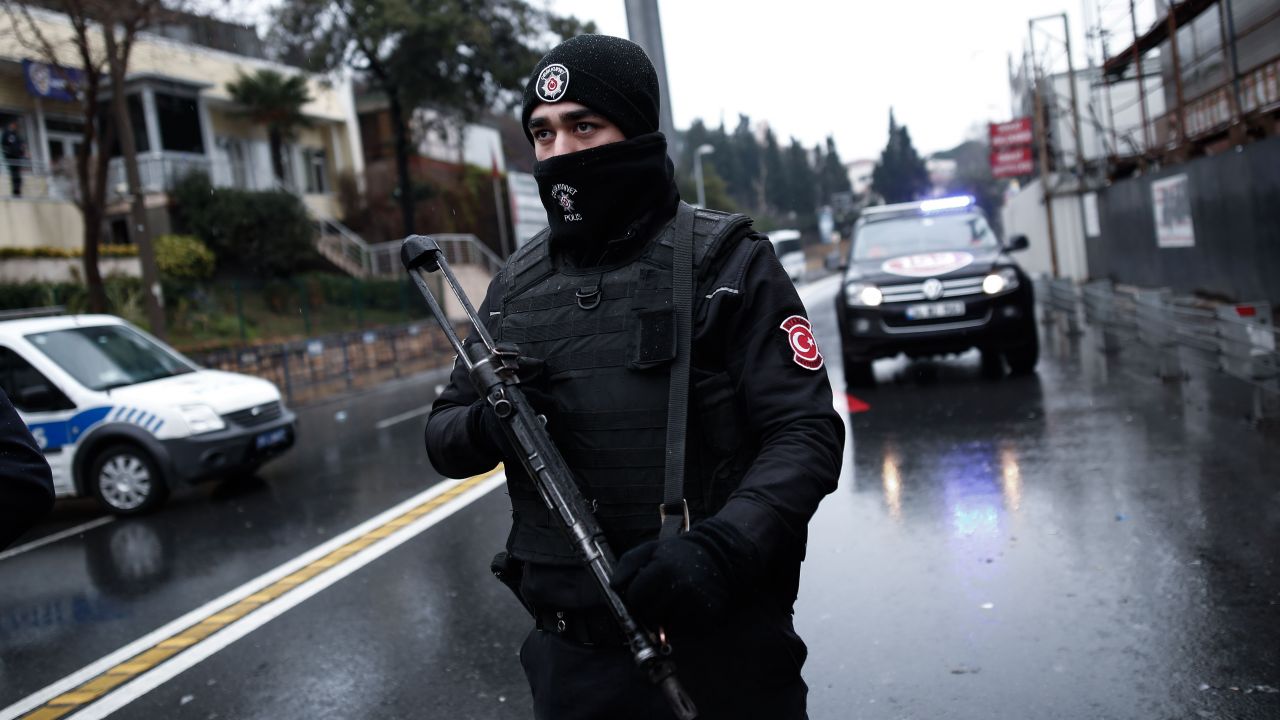
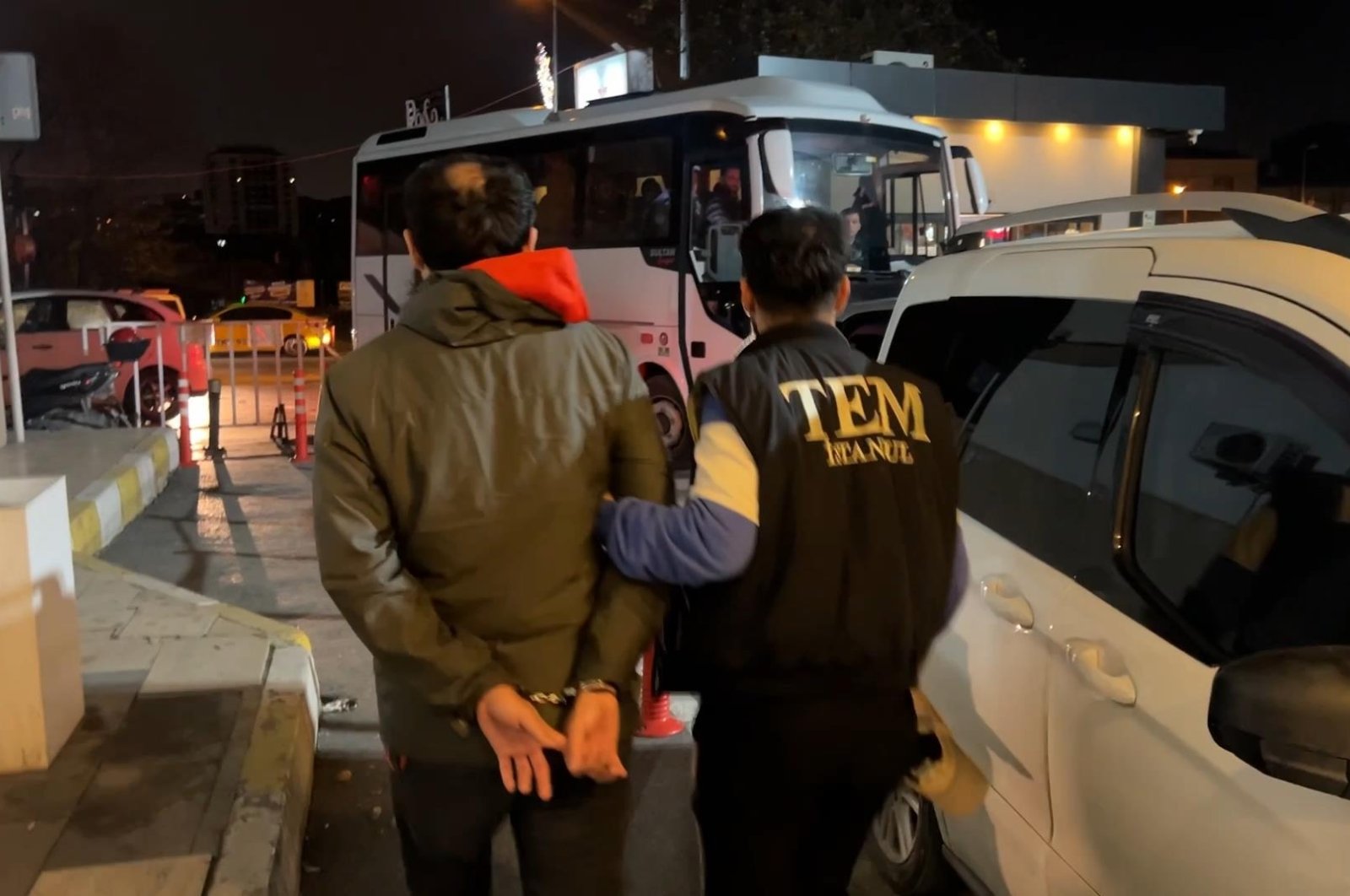
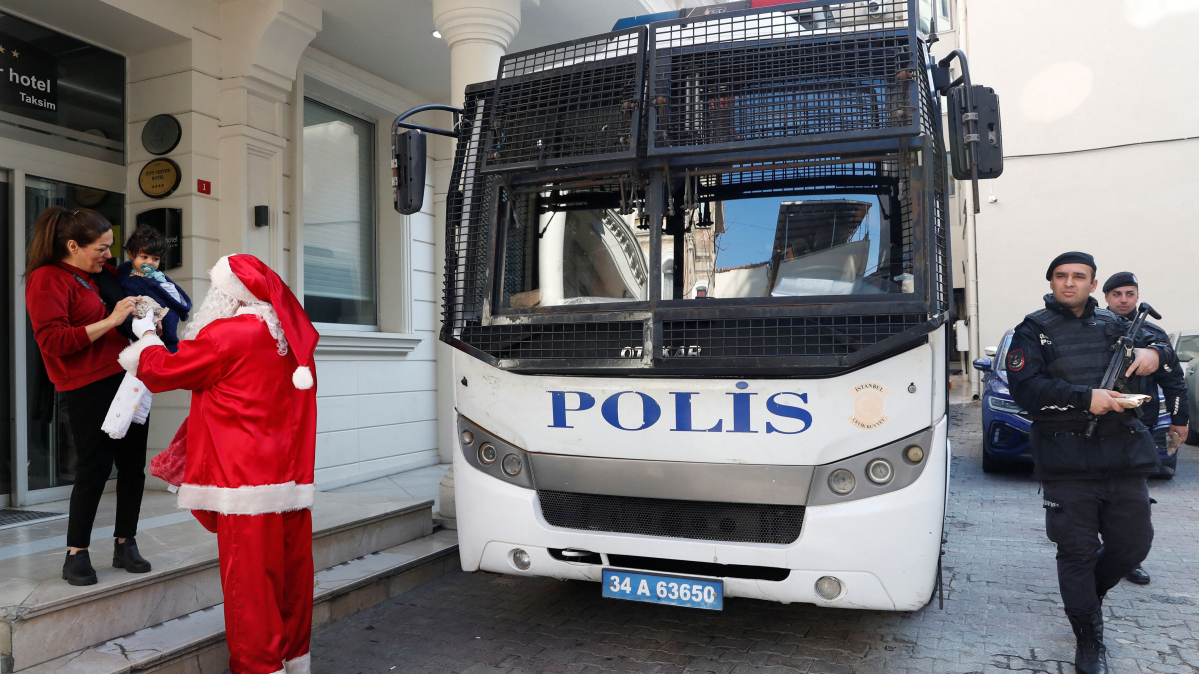
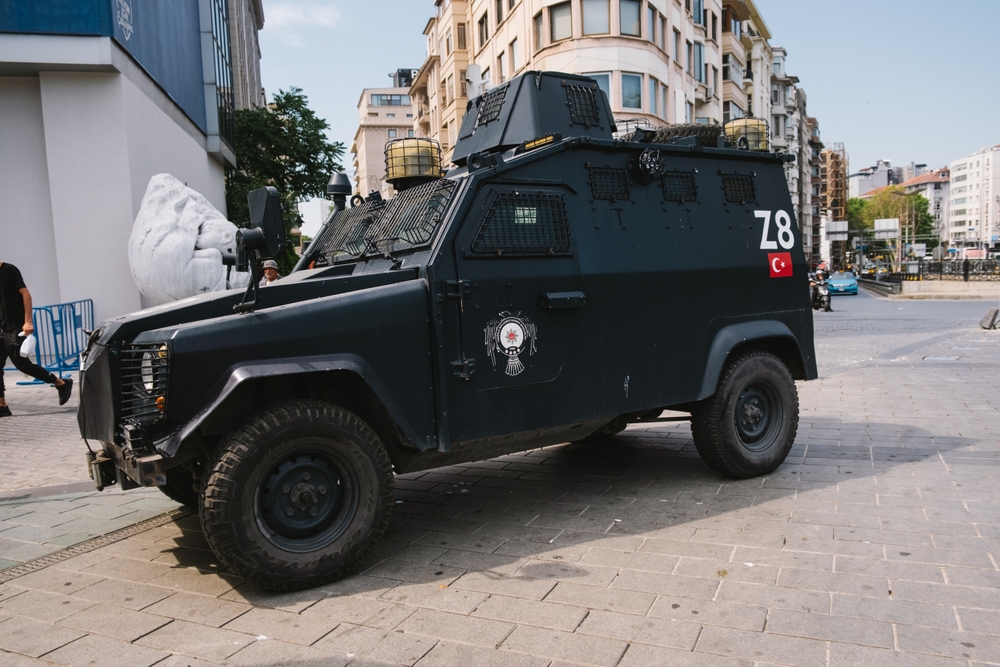
Counterterrorism operations in Turkey represent a critical inflection point in regional security management, revealing intricate geopolitical challenges that extend far beyond immediate law enforcement objectives. The coordinated raids targeting 115 ISIS suspects across 124 locations demonstrate a sophisticated, multi-layered approach to preventing potential holiday-period attacks, highlighting Turkey's strategic positioning at the intersection of complex security landscapes.
The operation's significance lies not just in the immediate arrests, but in its broader implications for regional stability and international business environments. Between 2013 and 2023, Turkish authorities have systematically dismantled terrorist networks, arresting over 19,000 individuals with alleged ISIL affiliations and deporting more than 7,600 foreign nationals suspected of armed group activities. This sustained, methodical approach underscores Turkey's commitment to proactive security management.
For cross-border businesses, these developments signal a critical need for enhanced risk assessment frameworks. The raids reveal the transnational nature of terrorist threats, with arrested suspects maintaining active communication with operatives outside Turkey's borders. This interconnectedness demands that companies operating in or through Turkey develop robust security protocols that go beyond traditional compliance measures.
The strategic context is particularly nuanced. Turkey's 900km border with Syria and its complex geopolitical position make it a focal point for counterterrorism efforts. Despite ISIS losing territorial control in 2019, the group continues to expand in central Asia and Africa, creating a dynamic threat landscape that requires constant vigilance. The recent operation, coinciding with holiday periods, demonstrates a targeted approach to preventing attacks on non-Muslim populations and maintaining regional stability.
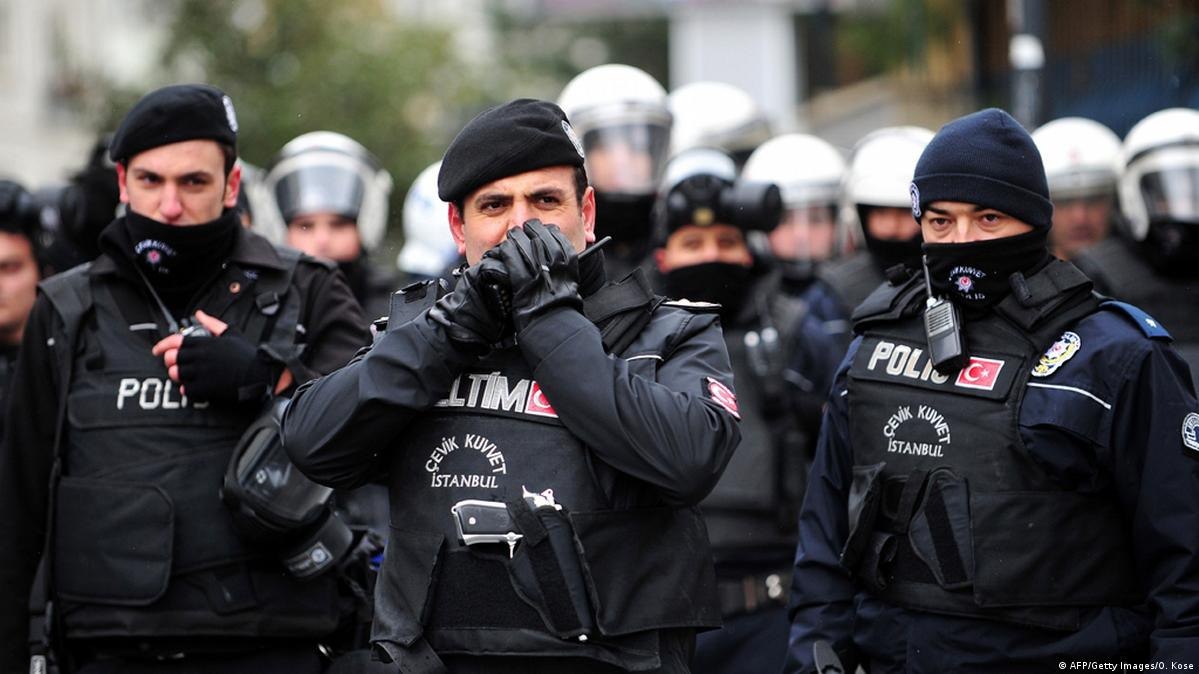
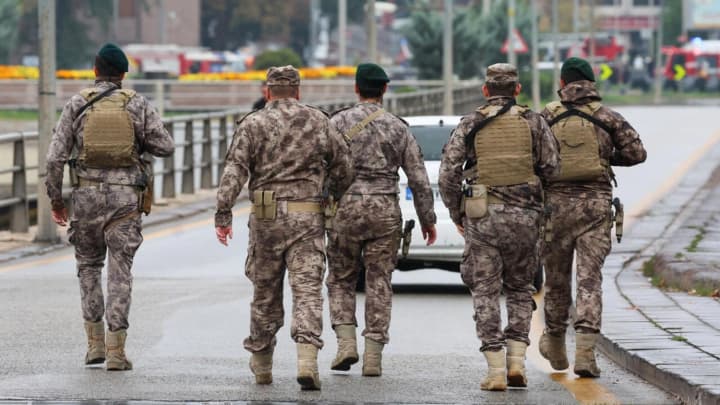
Businesses must recognize that these security interventions are not isolated events but part of a comprehensive strategy. The synchronized raids, involving intelligence services, police, and military forces, signal a holistic approach to threat mitigation. For international companies, this means developing adaptive risk management strategies that can quickly respond to evolving security dynamics.
Questions 3
What makes Turkey's approach to counterterrorism unique?
Turkey's strategy combines comprehensive data tracking, with over 19,000 arrests since 2013, and a multi-agency approach involving intelligence services, police, and military. The country's strategic geographic position allows for a proactive, interconnected approach to tracking and disrupting terrorist networks.
How do these counterterrorism operations impact cross-border business operations in Turkey?
Businesses must implement heightened security protocols and develop adaptive risk management strategies. The raids demonstrate potential for sudden regulatory changes and underscore the importance of maintaining vigilant, flexible operational frameworks that can quickly respond to evolving security landscapes.