
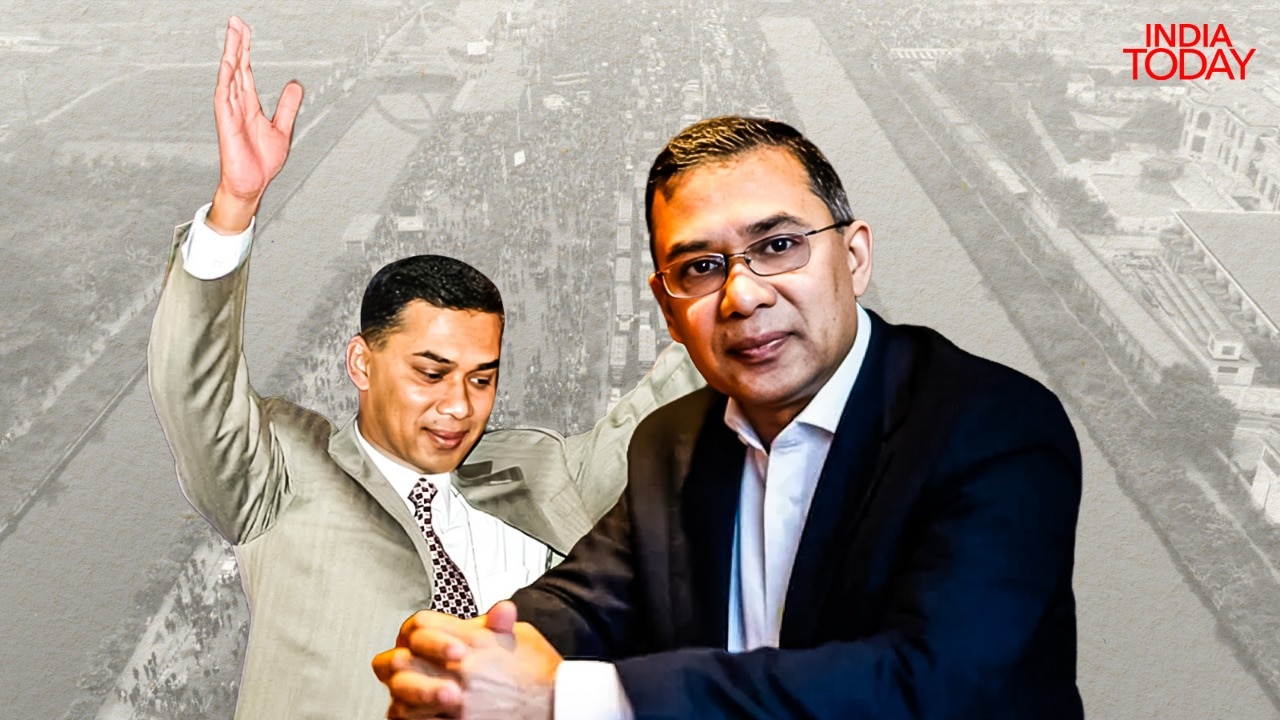



Bangladesh's Political Earthquake: Tarique Rahman's Return Reshapes National Power Dynamics
- A dramatic political reset signals potential transformation for Bangladesh's governance landscape

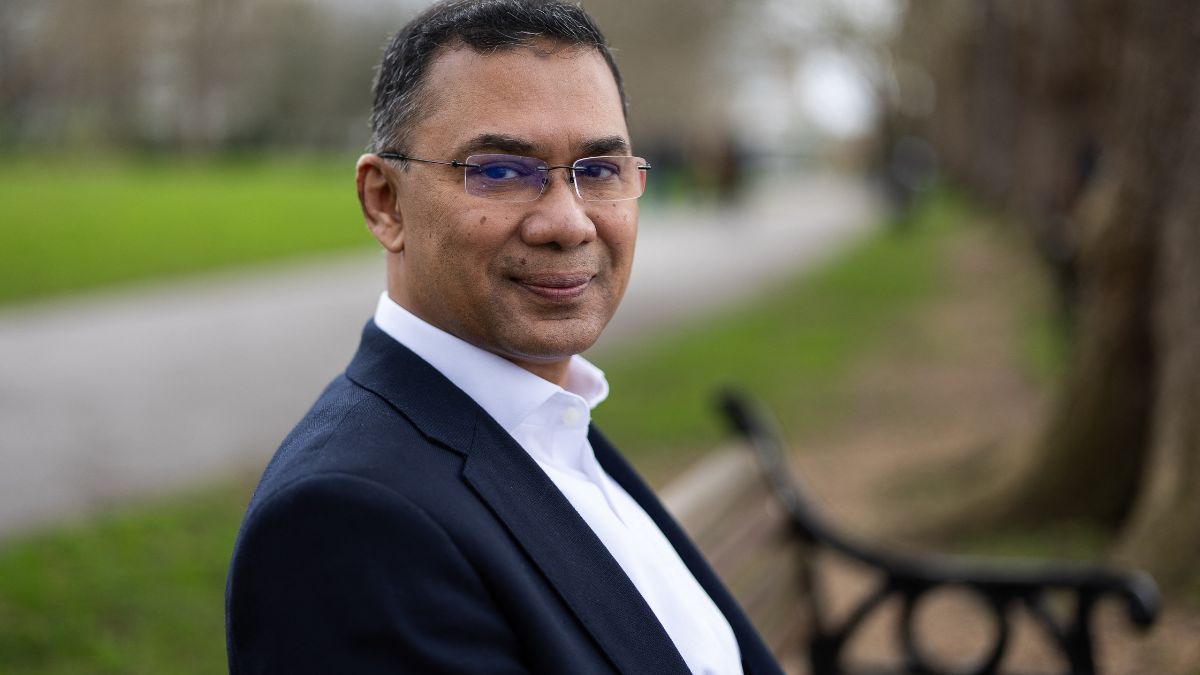)


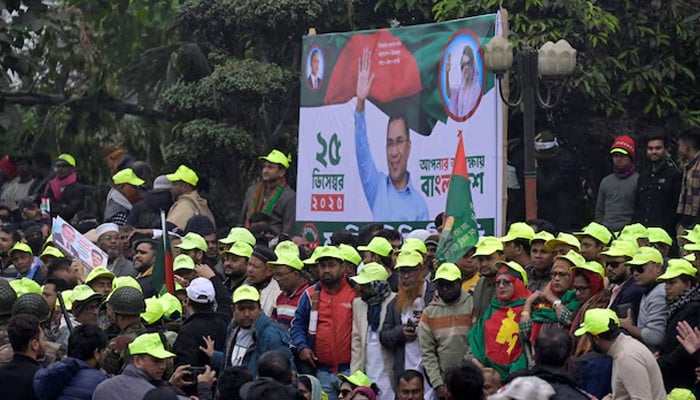


)


)





Overview
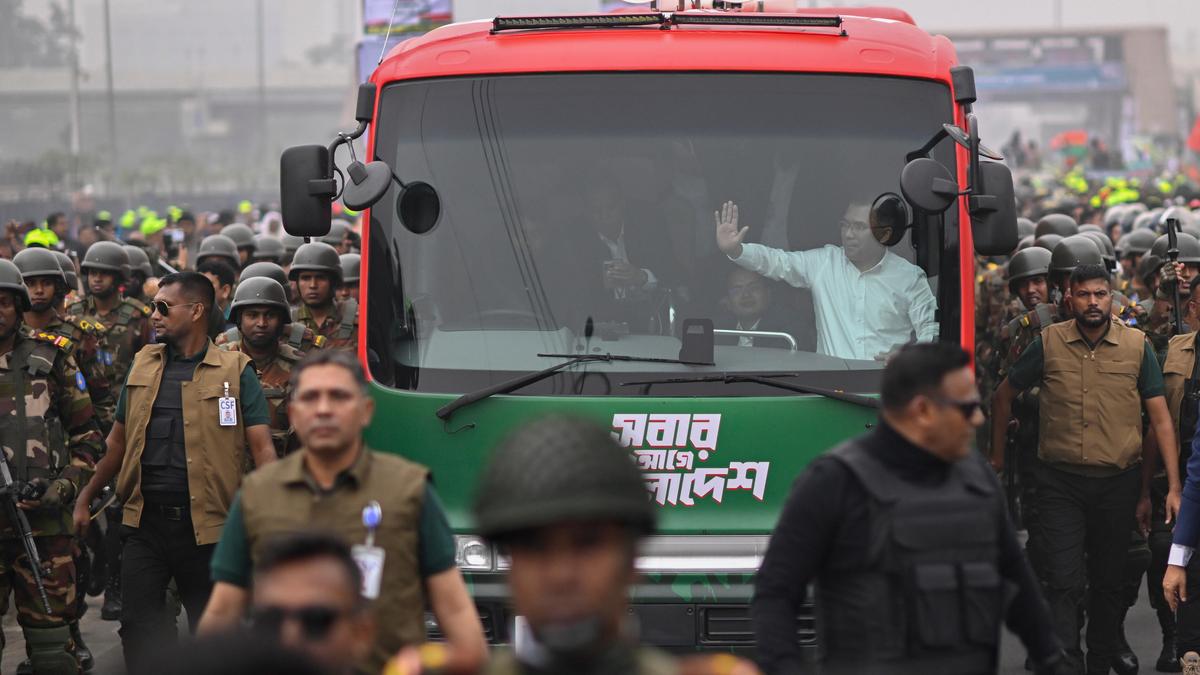
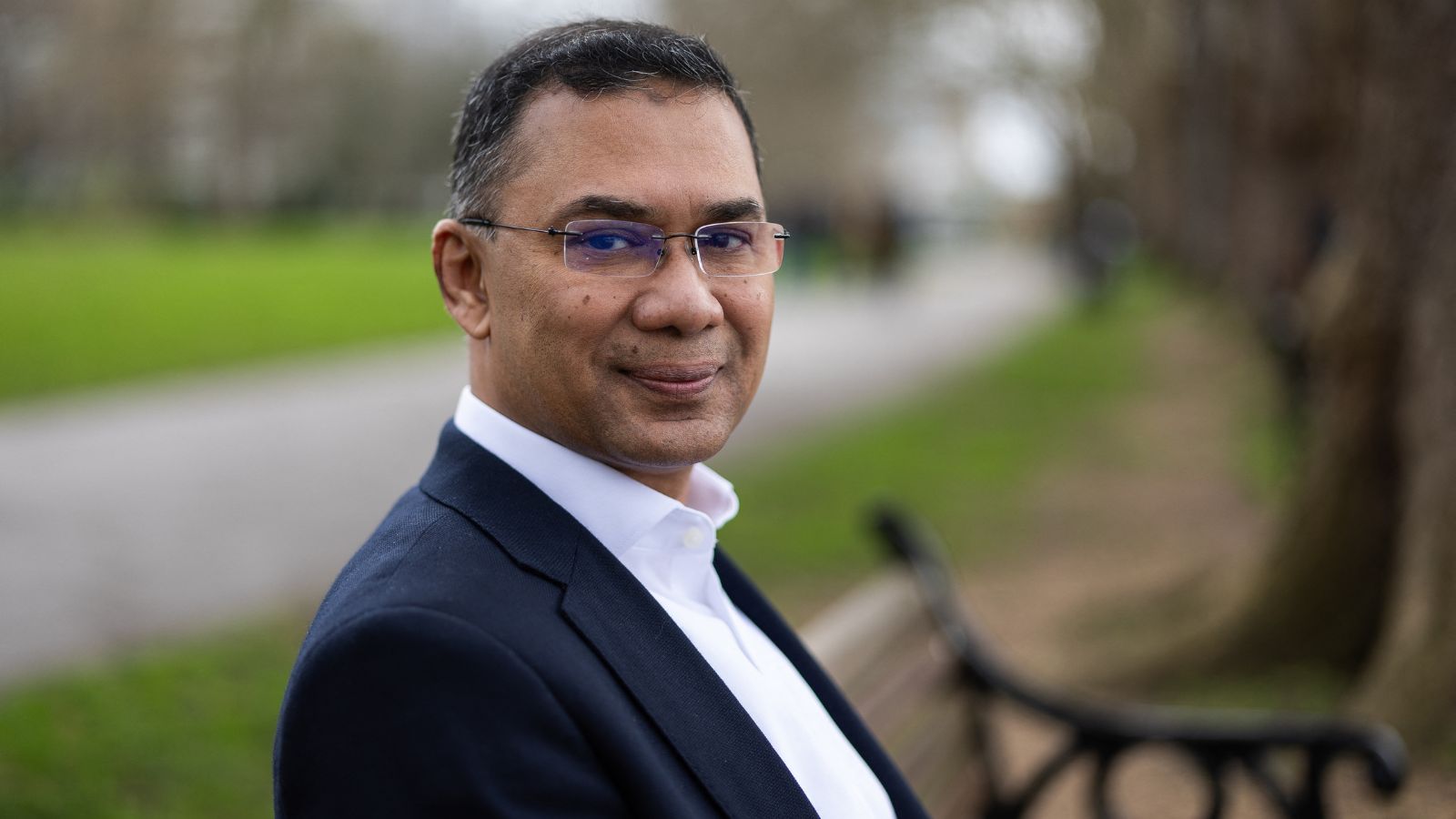
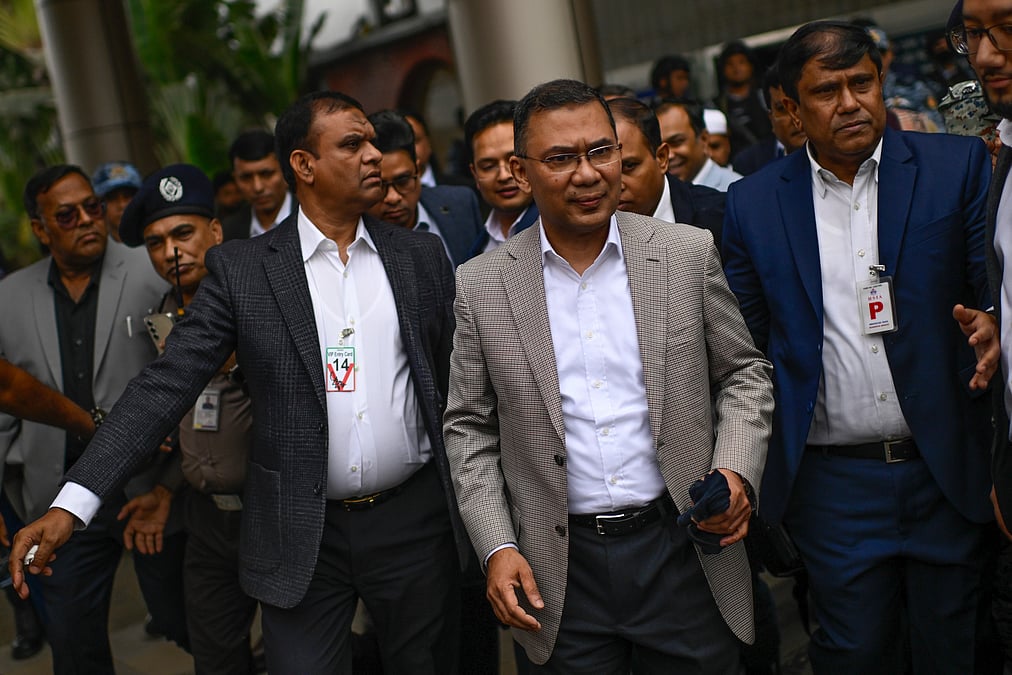
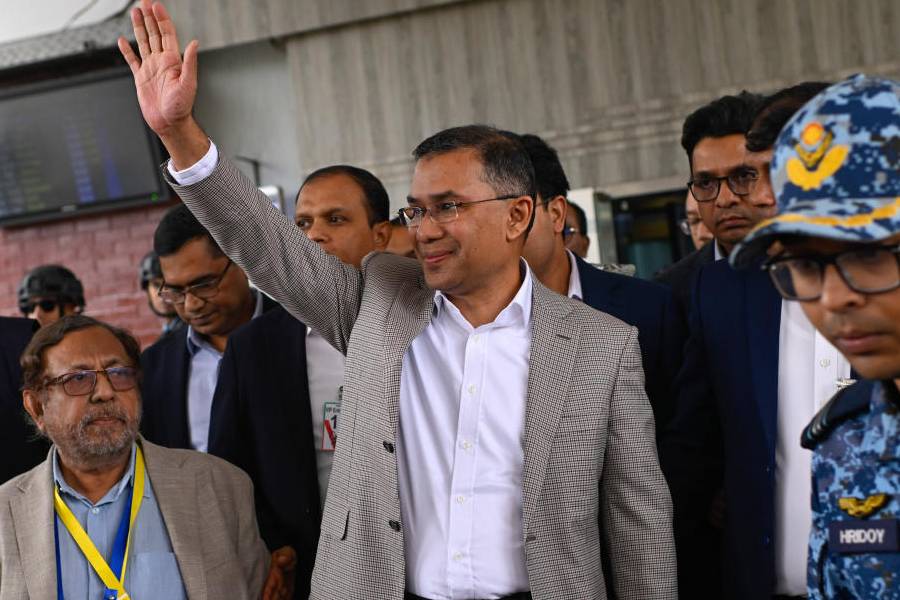
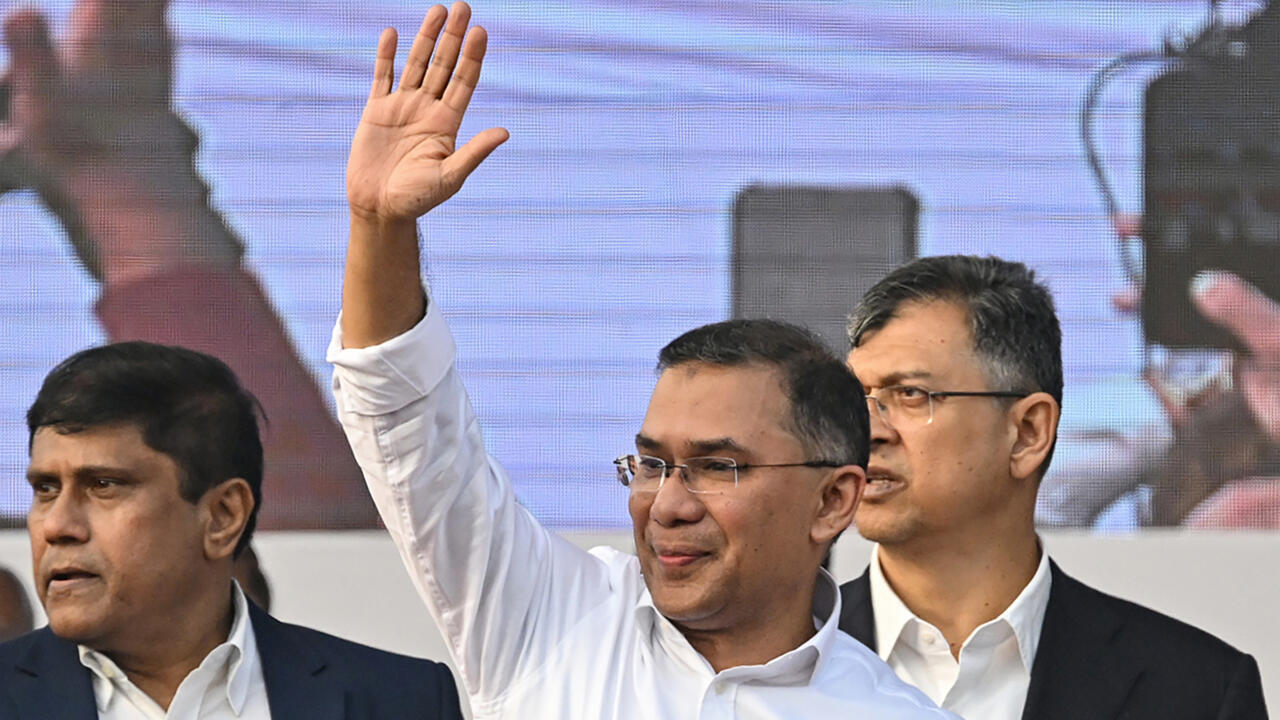
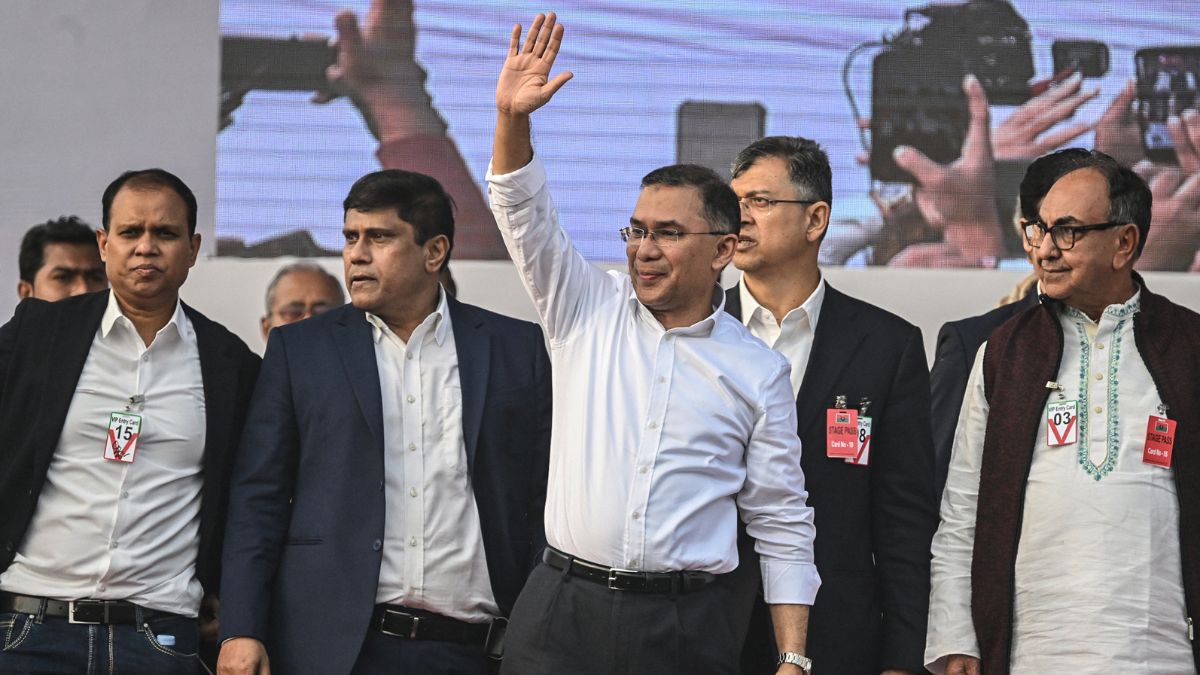
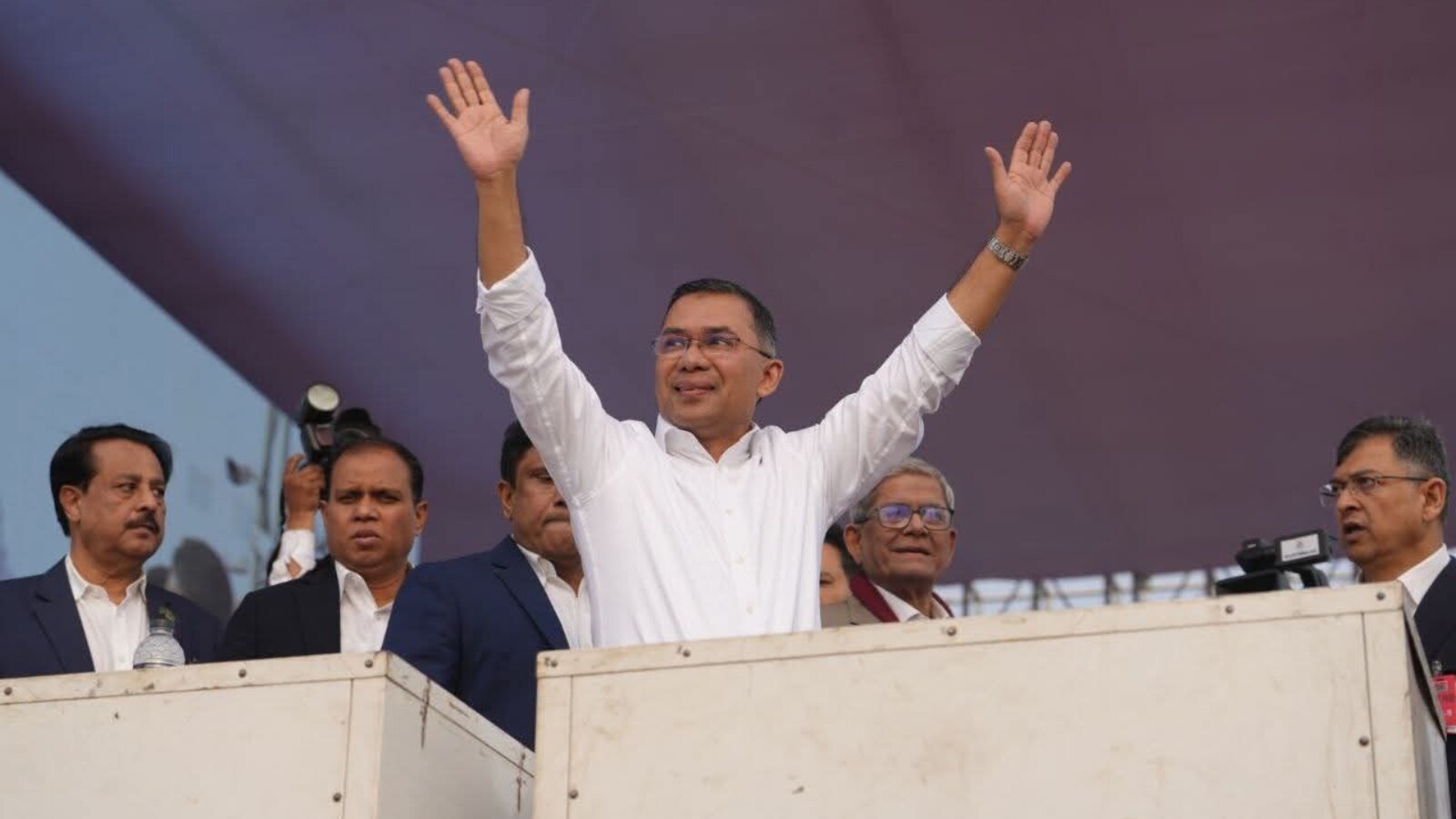
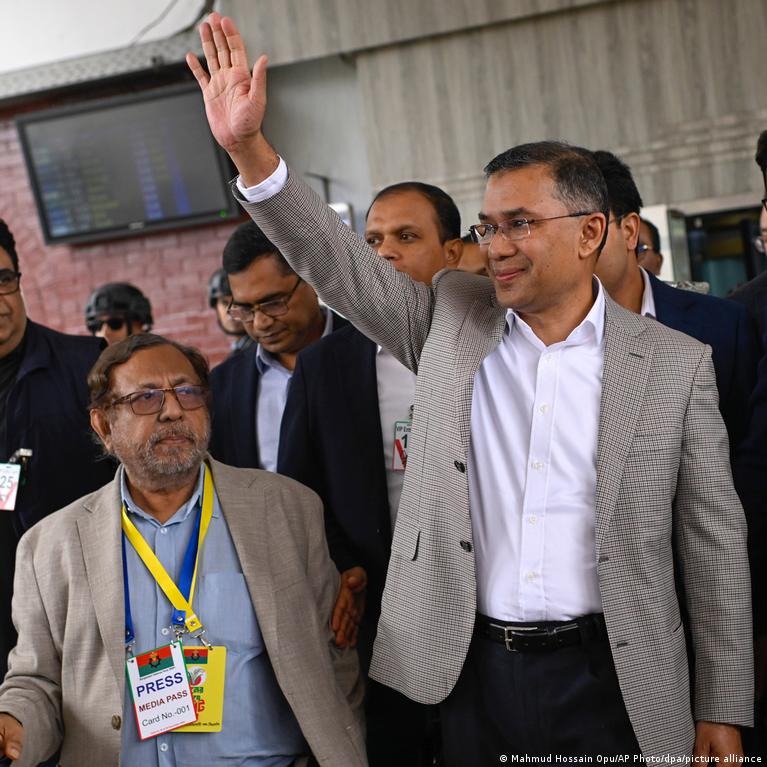
The return of Tarique Rahman marks a seismic shift in Bangladesh's political ecosystem, representing far more than a simple homecoming. After 17 years of exile, Rahman's strategic reentry ahead of the February 12, 2025 elections signals a profound recalibration of national power structures that could fundamentally restructure the country's governance model.
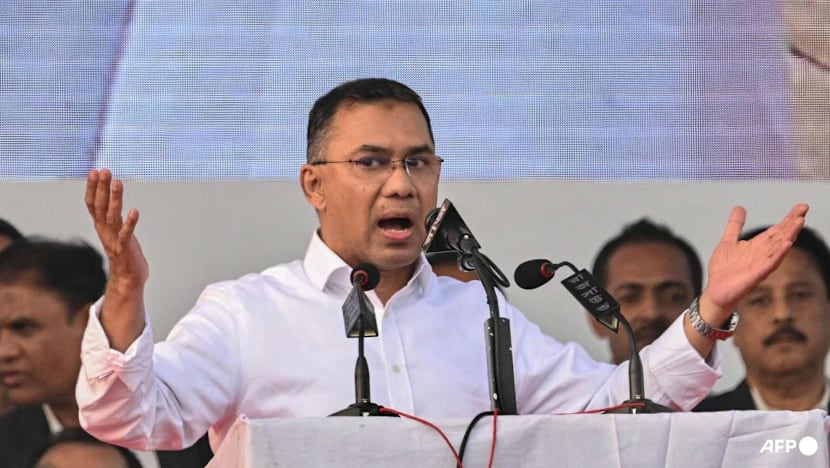
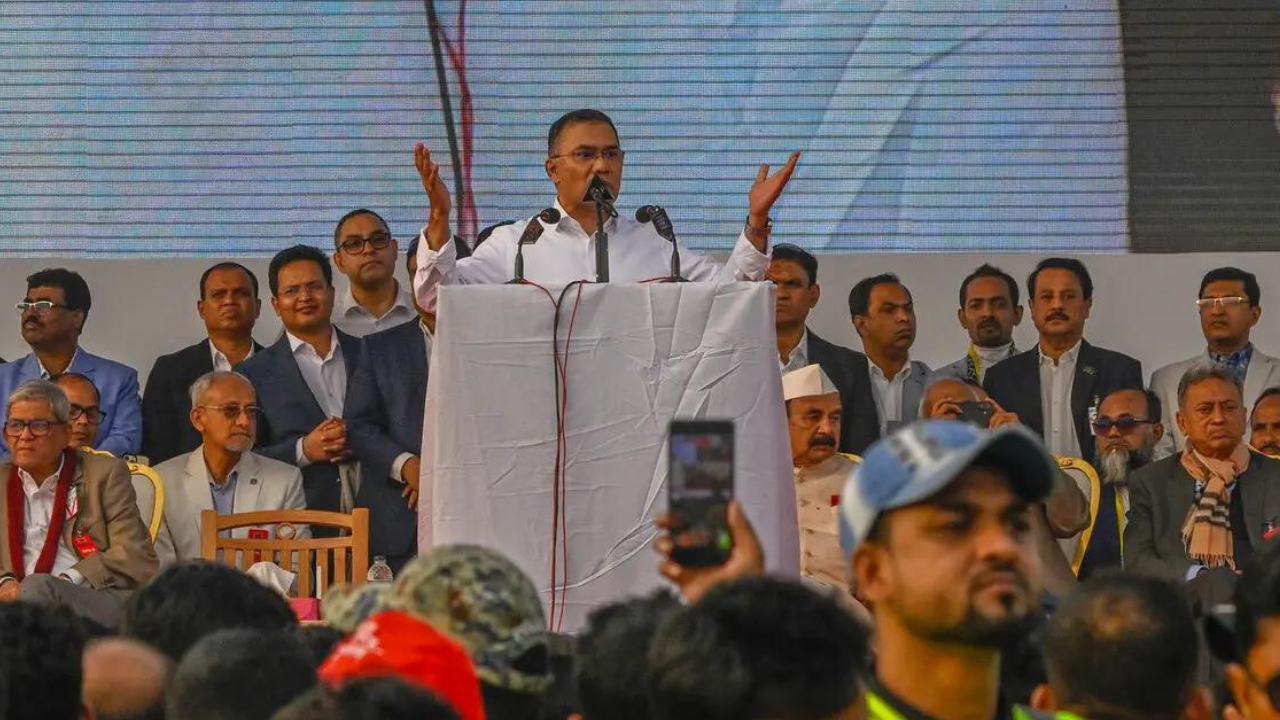
Strategic Political Repositioning: Rahman's return comes after a student-led uprising that dramatically ousted Sheikh Hasina's government, creating an unprecedented political vacuum. By positioning himself as a 'champion of democracy', he is executing a calculated repositioning of the Bangladesh Nationalist Party (BNP) from its previous Islamist associations toward a more secular, centrist political identity. This transformation suggests a nuanced understanding of evolving voter sentiments and a deliberate attempt to broaden the party's appeal.
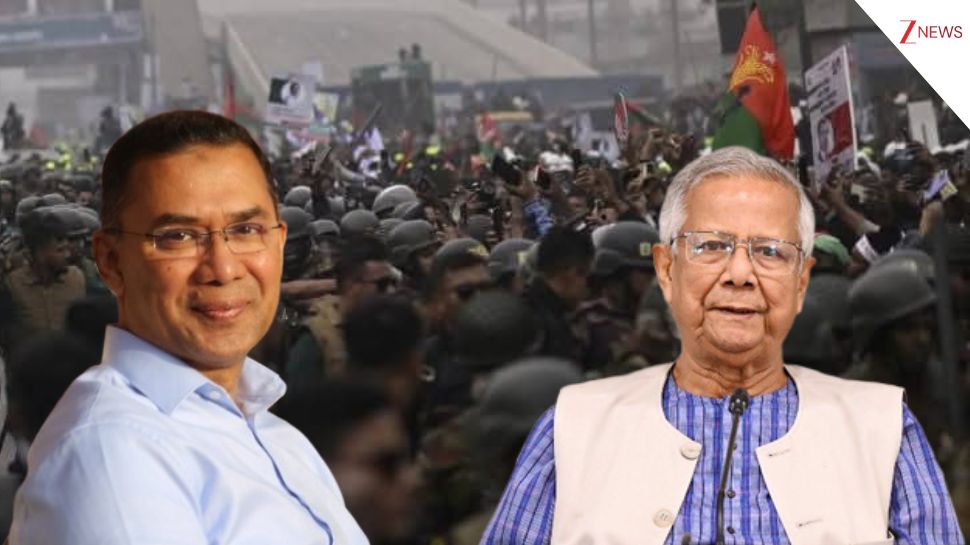
Geopolitical and Economic Implications: The political transition extends beyond mere leadership change. With an interim government led by Nobel laureate Muhammad Yunus and Rahman poised as a potential prime ministerial candidate, international businesses and cross-border traders must prepare for potential regulatory environment shifts. The upcoming election represents more than a political contest—it's a potential reset of Bangladesh's economic and diplomatic strategies.
The timing is particularly critical. Rahman's return coincides with his mother Khaleda Zia's hospitalization and follows his previous allegations of running a 'shadow PMO' from Hawa Bhaban between 2001-2006. This historical context suggests a deep-rooted political strategy that transcends simple electoral politics. For regional observers and international stakeholders, this represents a moment of significant uncertainty and potential opportunity.
Ultimately, Rahman's return symbolizes Bangladesh's ongoing political evolution—a complex dance of dynastic politics, democratic aspiration, and strategic repositioning that could reshape the nation's trajectory in the coming years.
Questions 3
What makes Tarique Rahman's return significant for Bangladesh's political landscape?
Rahman's return represents a strategic repositioning of the Bangladesh Nationalist Party from its Islamist roots toward a more secular, centrist identity. Coming after a student-led uprising that ousted Sheikh Hasina's government, his return signals a potential fundamental transformation of Bangladesh's political power structures and governance model.
What are the key challenges Rahman faces in the upcoming election?
Rahman must navigate rebuilding the BNP's image after years of exile, distance the party from previous Islamist associations, and present a compelling vision of democratic renewal. His success depends on effectively positioning himself as a reformist leader capable of bridging Bangladesh's long-standing political divides.