



PepsiCo 15% Snack Price Cuts Drive Consumer Demand Shift | E-Commerce Seller Opportunity
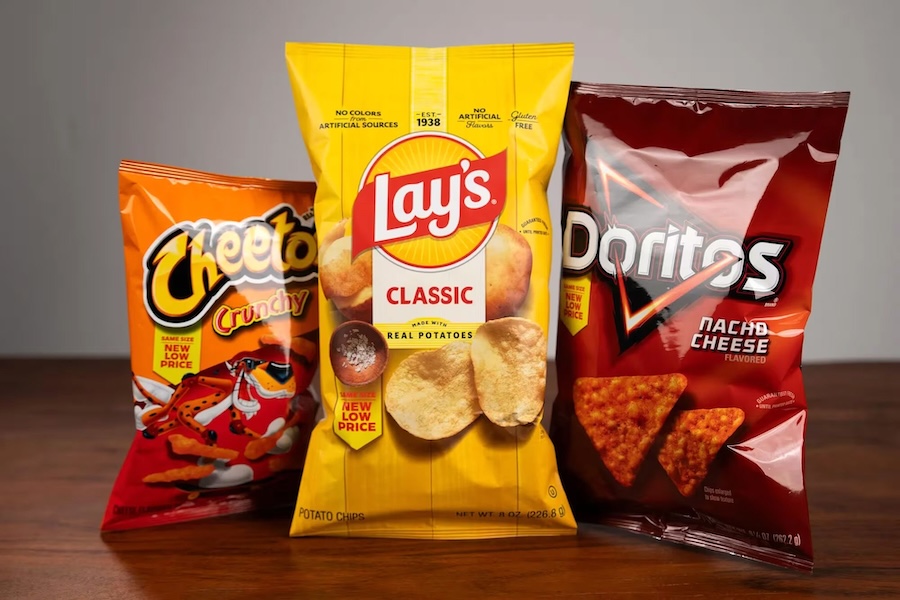
- Major CPG manufacturer cuts Doritos, Cheetos, Lay's prices by 15% starting February 2026, signaling broader retail pricing compression affecting e-commerce inventory strategies and promotional calendars
























Overview
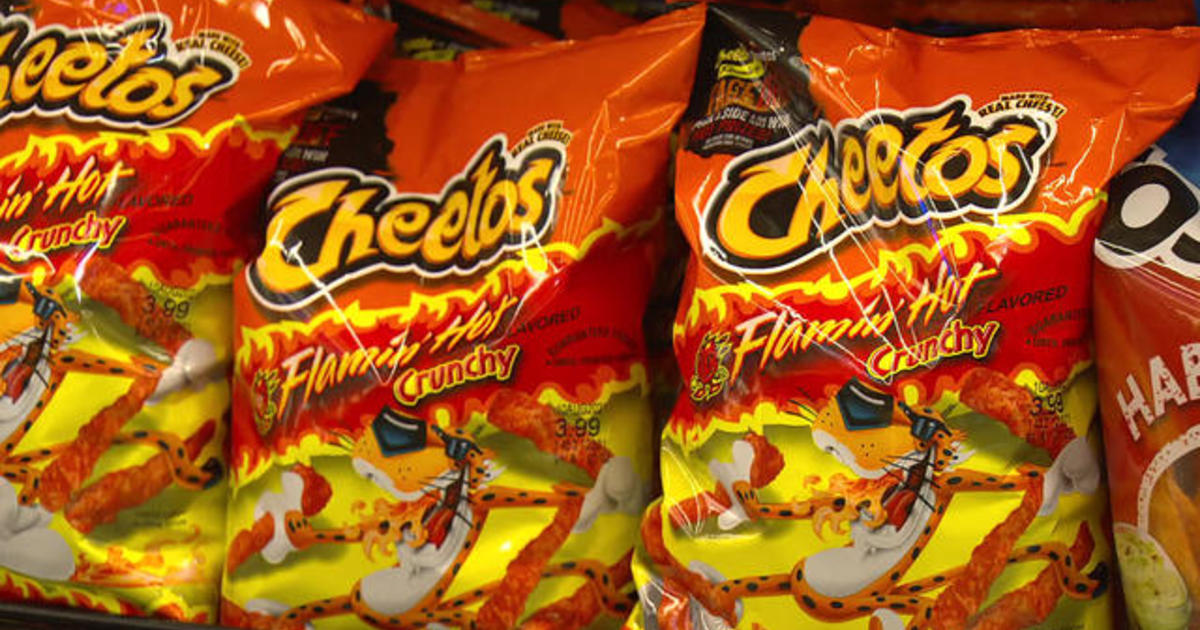
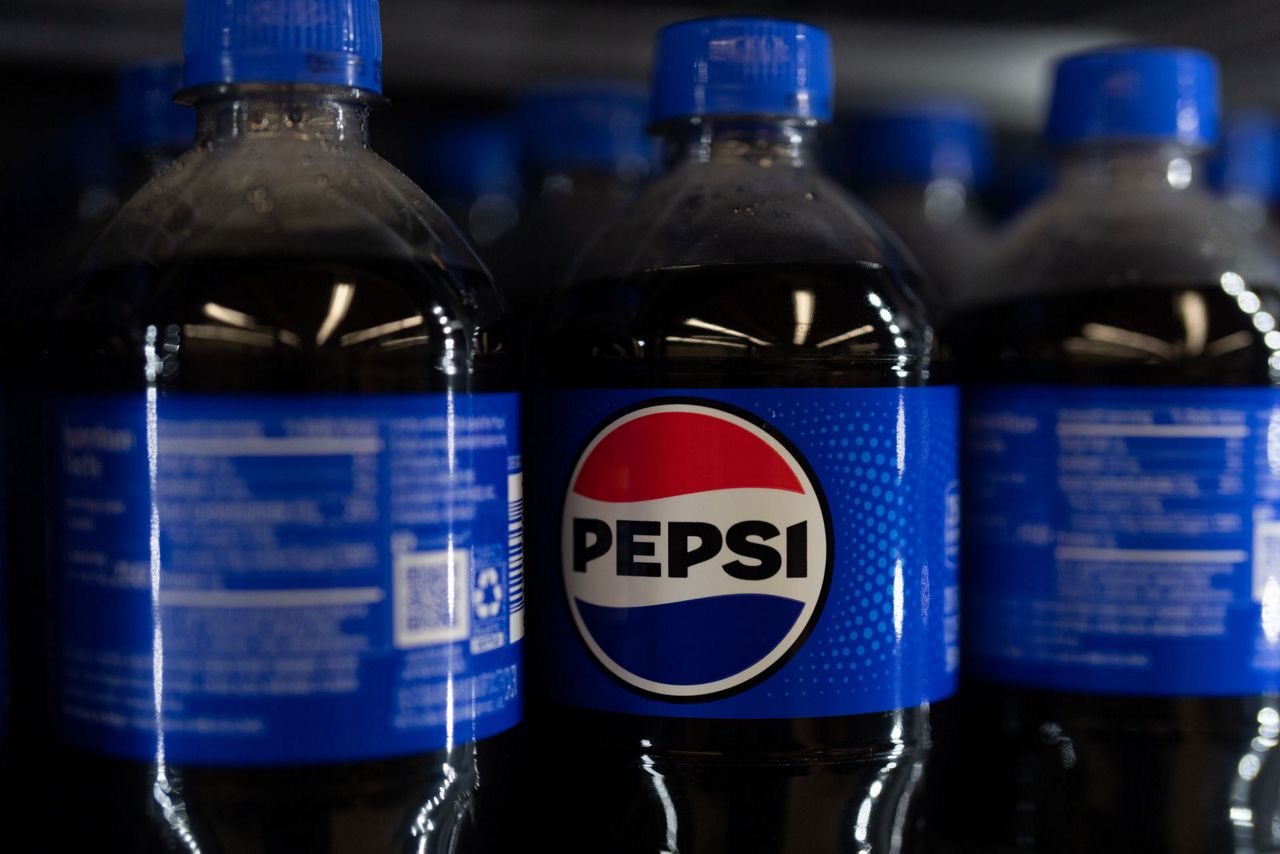
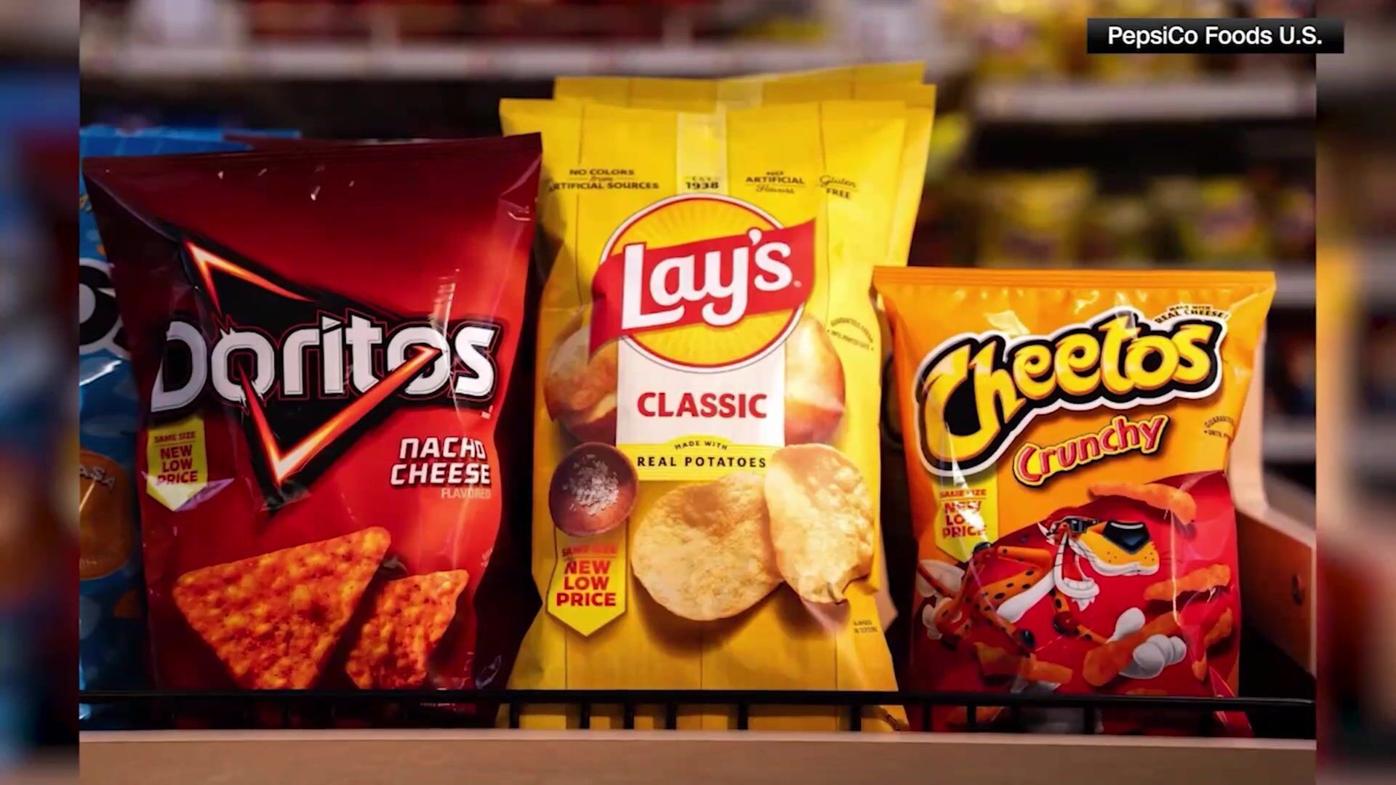
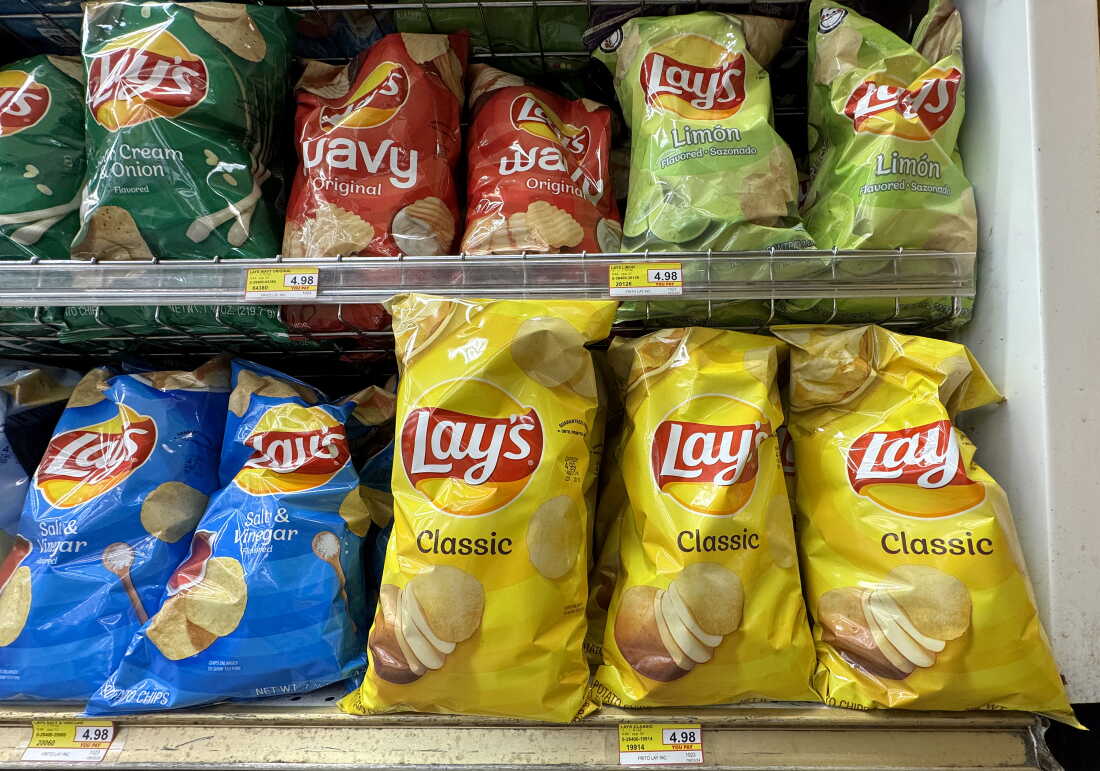
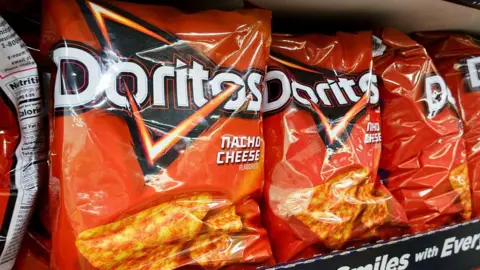
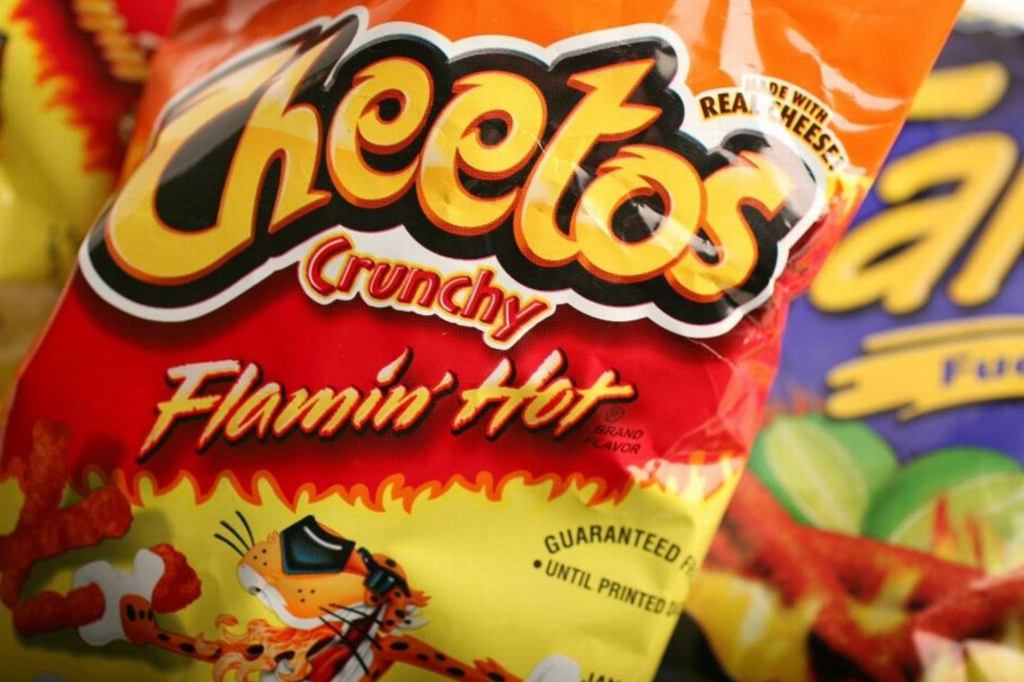
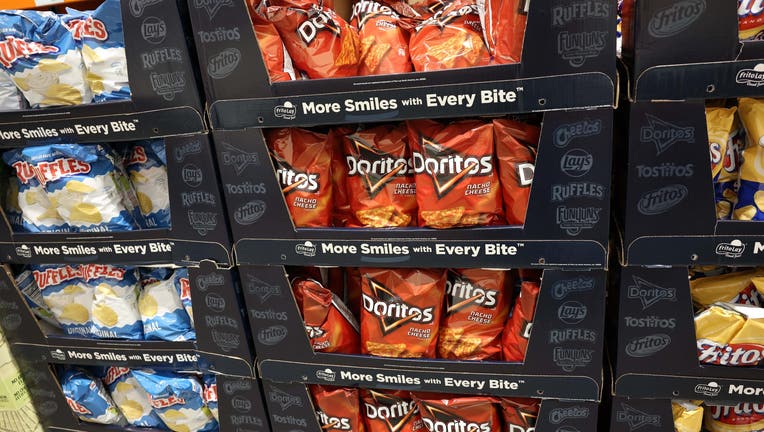
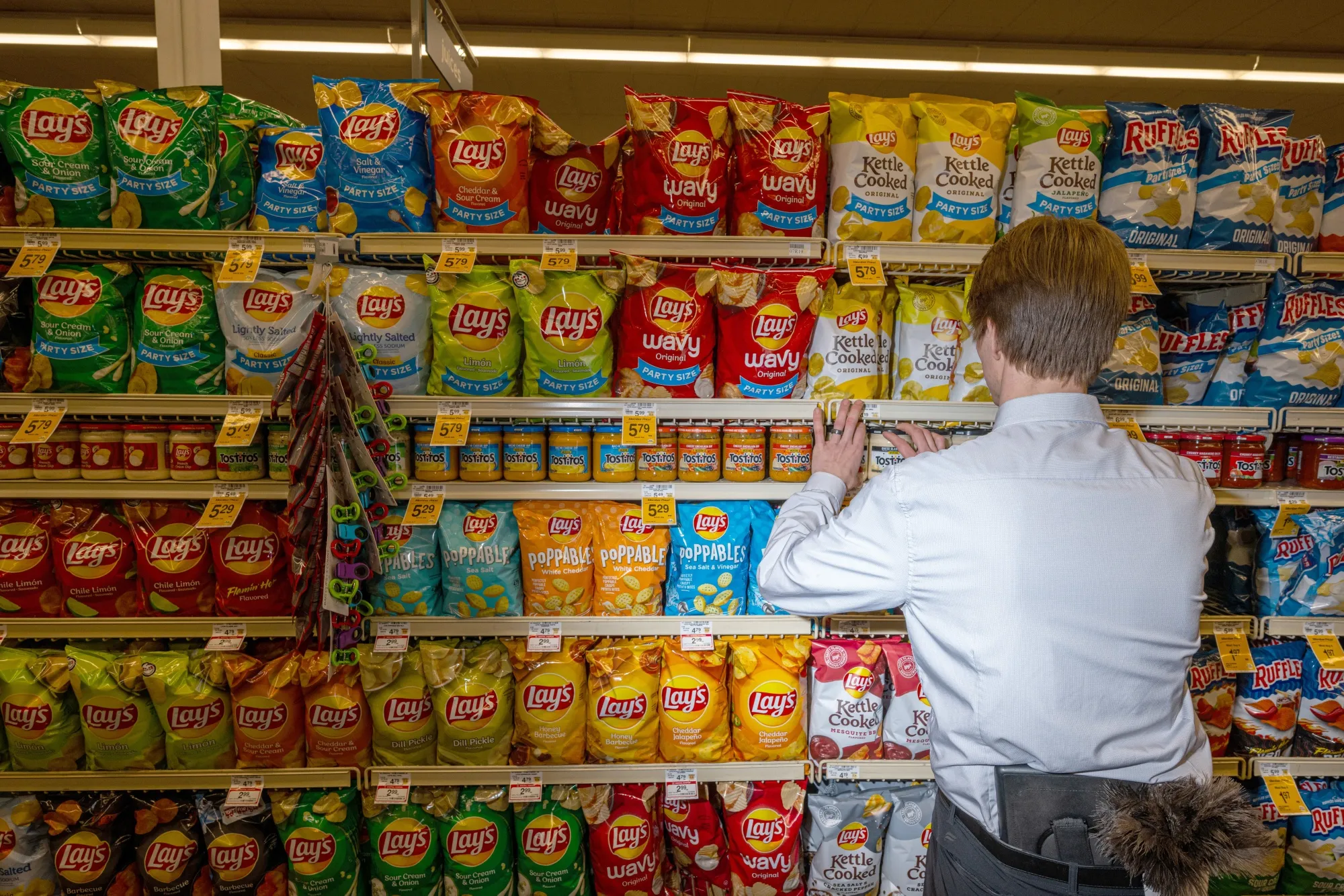
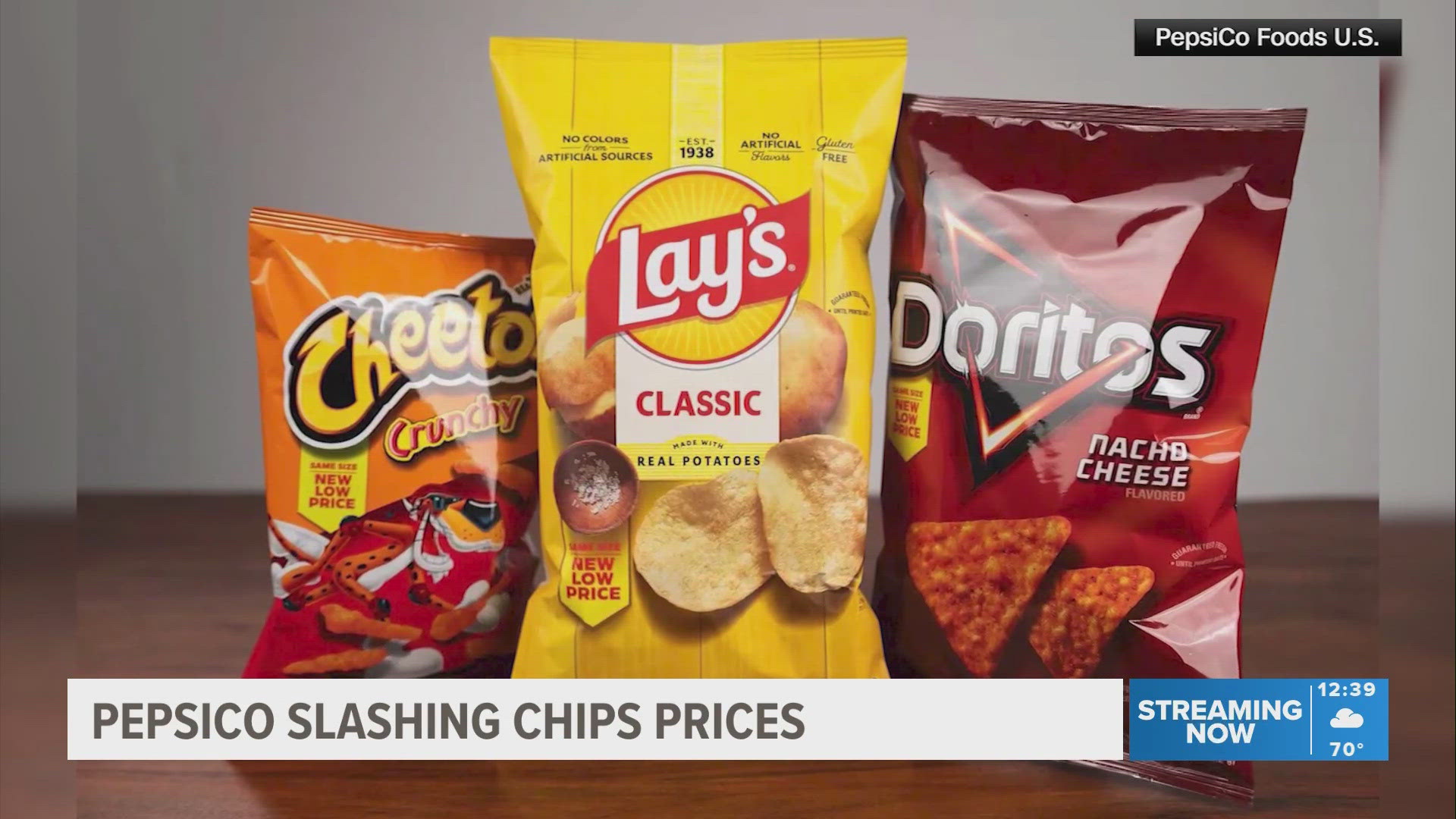
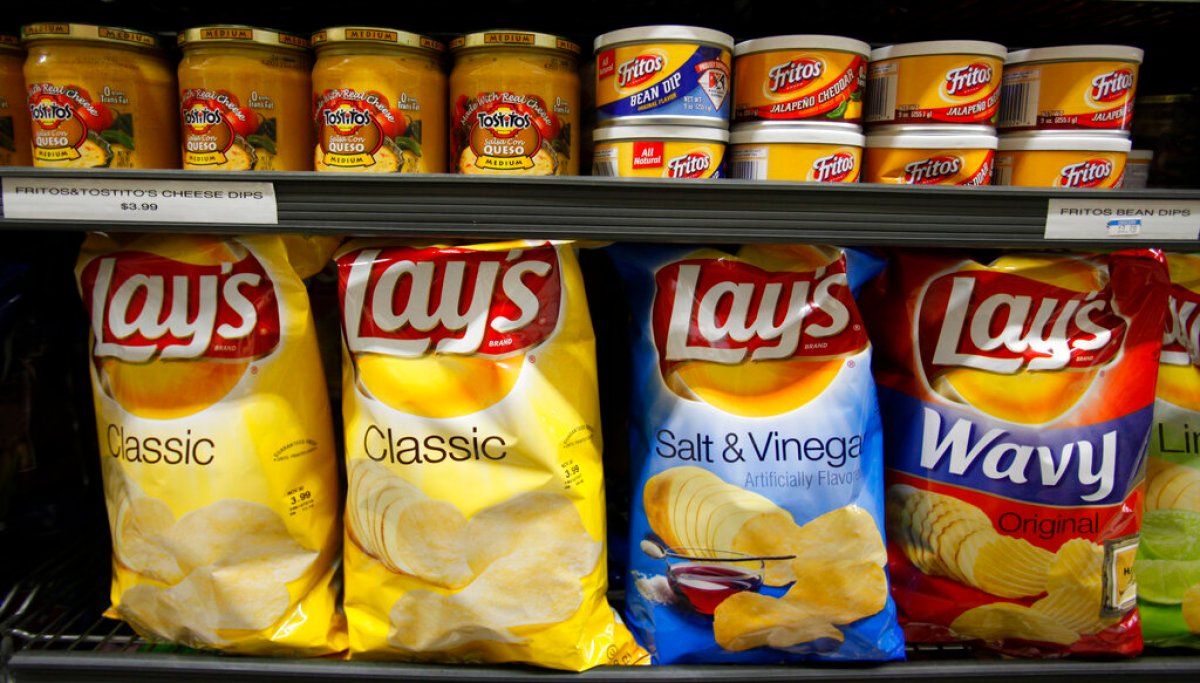
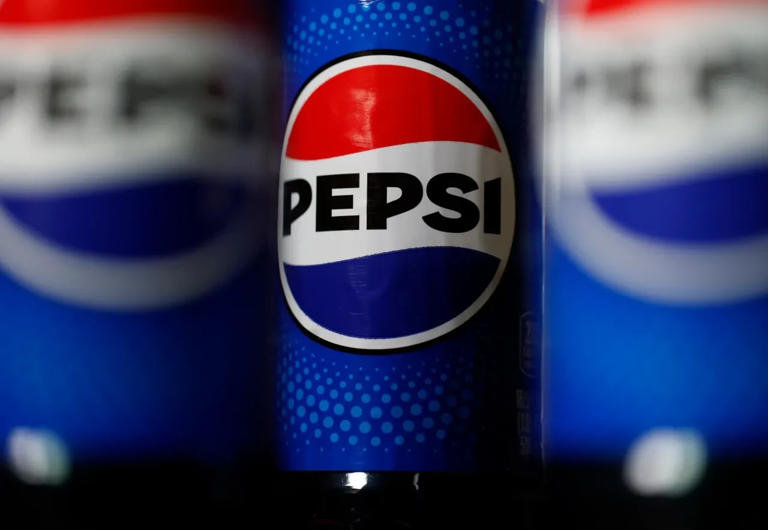
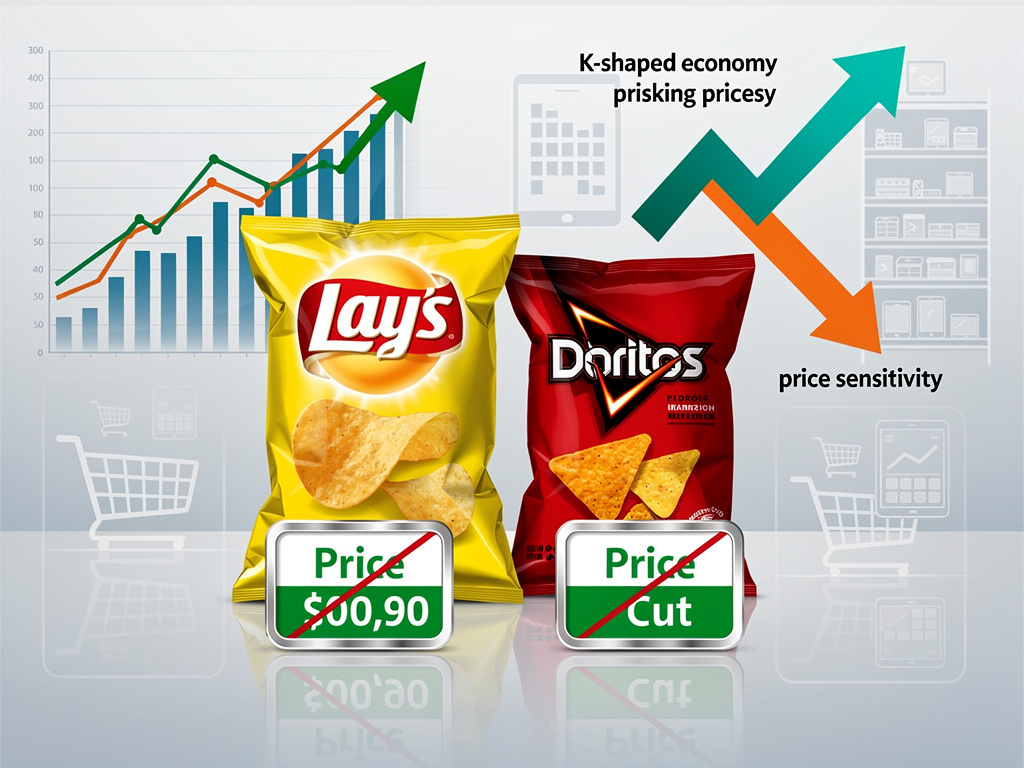
PepsiCo's February 3, 2026 announcement of up to 15% price reductions on flagship snack brands (Doritos, Cheetos, Lay's, Tostitas) represents a critical inflection point in consumer goods pricing strategy with cascading implications for e-commerce sellers and retailers. The company reported Q4 2025 earnings beating Wall Street expectations ($2.26 EPS vs. $2.24 expected, $29.34B revenue vs. $28.97B anticipated), yet underlying volume metrics reveal persistent consumer price sensitivity: North American food volume declined 1% despite organic sales growth of 2.1%, while beverage volume shrank 4% in North America despite 2% organic sales gains. This paradox—rising sales dollars coupled with declining unit volumes—signals aggressive price reductions are now mandatory to maintain market share.
The pricing action directly stems from activist investor Elliott Investment Management's $4 billion stake (revealed October 2024) and December 2024 agreement requiring PepsiCo to slash its U.S. product lineup by 20%, cut operational costs, and implement price reductions. CEO Ramon Laguarta emphasized affordability as the primary barrier preventing low- and middle-income consumers from purchasing branded products, with internal testing demonstrating strong consumer enthusiasm for price reductions. The timing—strategically positioned before Super Bowl Sunday, traditionally the largest snack-purchasing occasion—indicates PepsiCo expects volume recovery to offset margin compression through productivity savings.
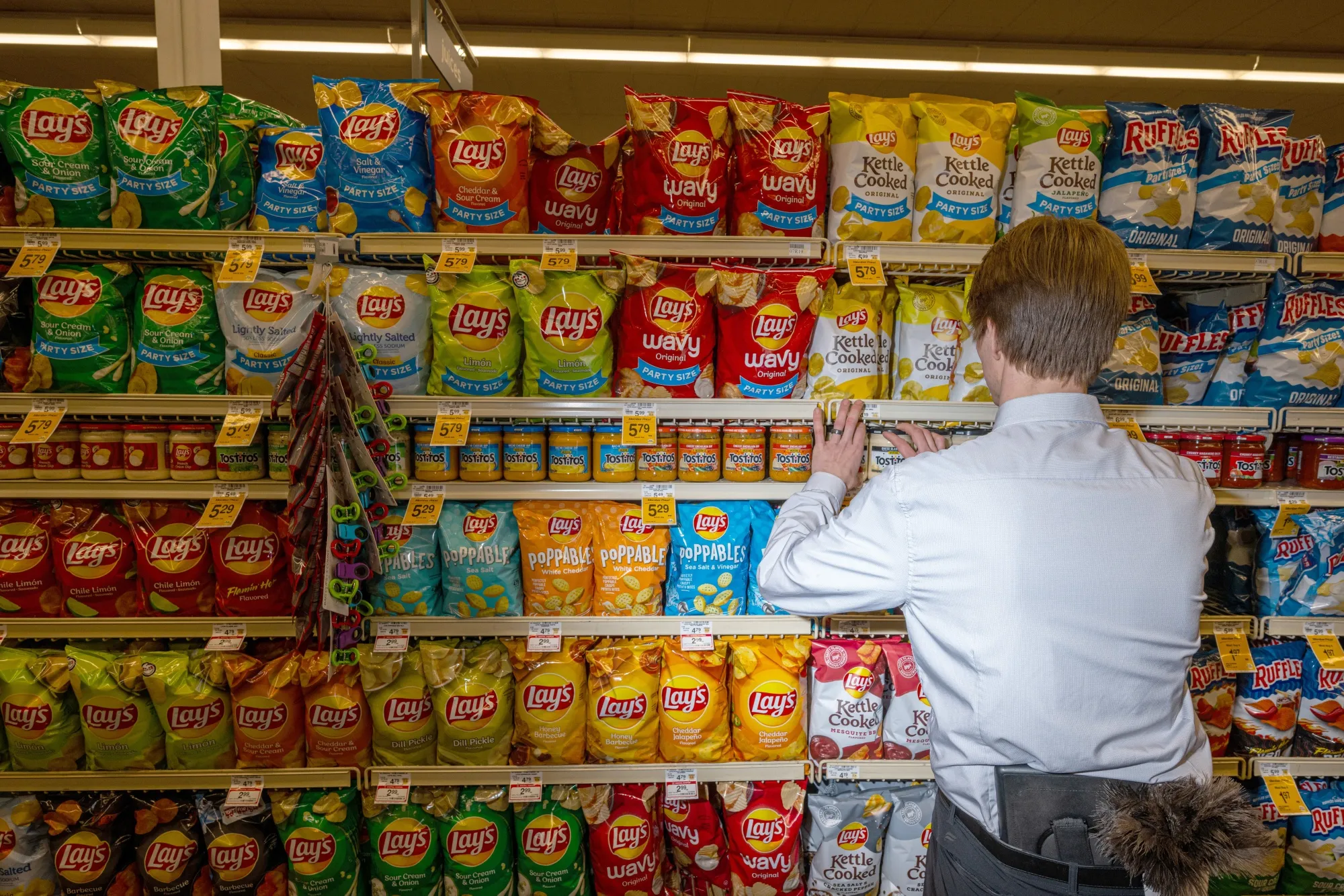
For e-commerce sellers, this represents a fundamental shift in competitive dynamics. Retailers utilizing PepsiCo products must anticipate increased consumer demand and adjust promotional calendars accordingly. The price cuts create three distinct seller scenarios: (1) Direct resellers of PepsiCo products face margin compression if they maintain previous markup percentages, requiring either price matching or promotional bundling strategies; (2) Competing snack brands (store-label alternatives, regional brands, health-focused options) face intensified price competition, particularly in Amazon Fresh, Walmart+, and Instacart channels where price transparency is absolute; (3) Complementary categories (beverages, dips, party supplies) benefit from increased snack category traffic during peak consumption periods. General Mills' parallel announcement to discount approximately two-thirds of its offerings confirms this is industry-wide trend, not isolated to PepsiCo. The company's 2026 guidance projects organic revenue growth of 2-4% and EPS increases of 4-6%, suggesting management expects volume recovery to materialize within 12 months. Supply chain optimization efforts signal broader industry trends toward efficiency improvements that could impact logistics costs and fulfillment timelines across consumer goods sectors, potentially benefiting 3PL providers and logistics optimization platforms.
Questions 7
What are the risks for sellers if PepsiCo's price cuts don't drive expected volume recovery?
If volume recovery fails to materialize (i.e., consumers continue shifting to store brands despite lower prices), PepsiCo faces margin compression without offsetting volume gains, potentially triggering additional cost-cutting measures or activist investor escalation. For sellers, this creates two risks: (1) Wholesale price increases if PepsiCo needs to restore margins, directly compressing seller profitability; (2) Reduced marketing support and promotional budgets if the company underperforms 2026 guidance (2-4% organic growth target). The news indicates PepsiCo expects productivity savings to offset lower prices, but if operational efficiency targets miss, the company may reduce distributor incentives and promotional support. Sellers should monitor PepsiCo's Q1 2026 earnings (May 2026) for early volume signals and adjust inventory commitments accordingly. The company's higher leverage relative to Coca-Cola could constrain future dividend growth and capital allocation flexibility, potentially limiting investment in digital commerce channels and direct-to-consumer initiatives that compete with traditional e-commerce distribution.
Which e-commerce categories benefit most from PepsiCo's snack price cuts?
Three categories directly benefit: (1) Complementary snack products (dips, sauces, beverages) see increased traffic from snack category shoppers—sellers of guacamole, salsa, and sports drinks should expect 20-40% traffic increases during Super Bowl week; (2) Party supply bundles combining snacks with plates, napkins, and serving utensils benefit from increased occasion-based shopping; (3) Health-conscious alternatives (protein chips, low-sugar snacks, organic options) gain visibility as PepsiCo launches premium variants (protein-enriched Doritos, avocado/olive oil Lay's, low-sugar Gatorade). Sellers in these categories should create cross-promotional content linking to PepsiCo products and adjust PPC budgets to capture high-intent traffic during February 3-25 window. The news indicates PepsiCo is simultaneously pursuing premiumization strategies, meaning sellers of premium snack alternatives have opportunity to position products as higher-quality alternatives to discounted mass-market options.