


Project Vault $12B Minerals Stockpile | Supply Chain Reshaping for Tech Sellers
- Reduces China's 60% rare earth dominance, creates tariff arbitrage opportunities for EV/electronics sellers; domestic sourcing costs expected to drop 15-25% by 2027



)

Overview
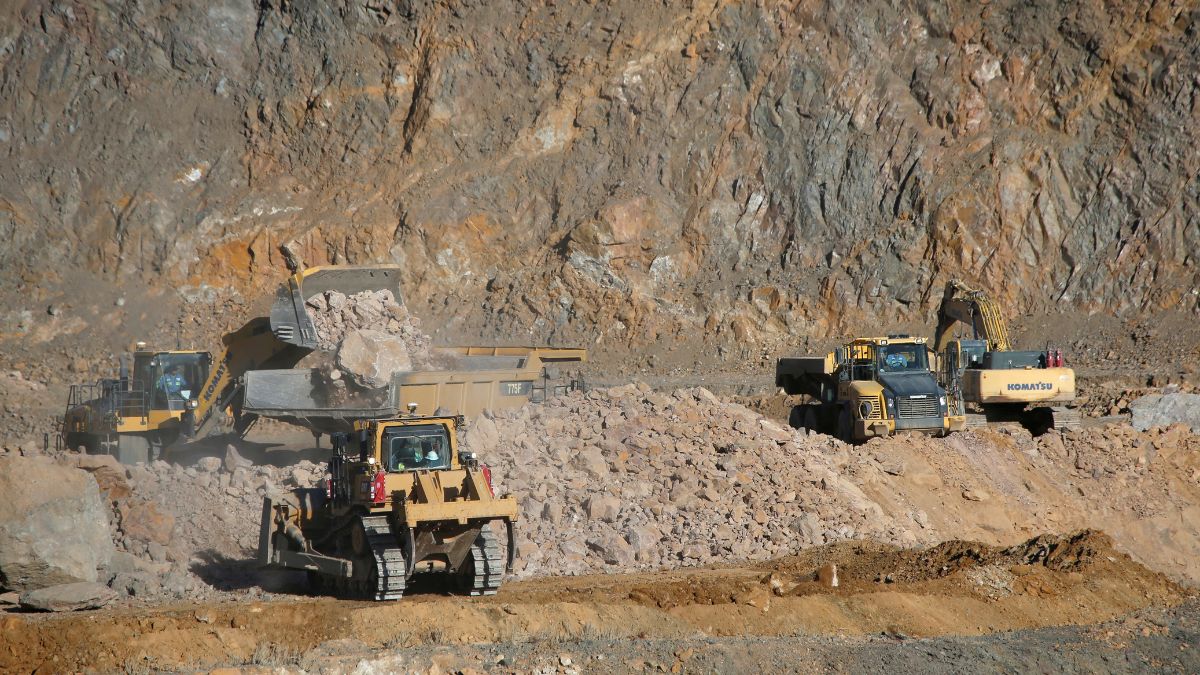
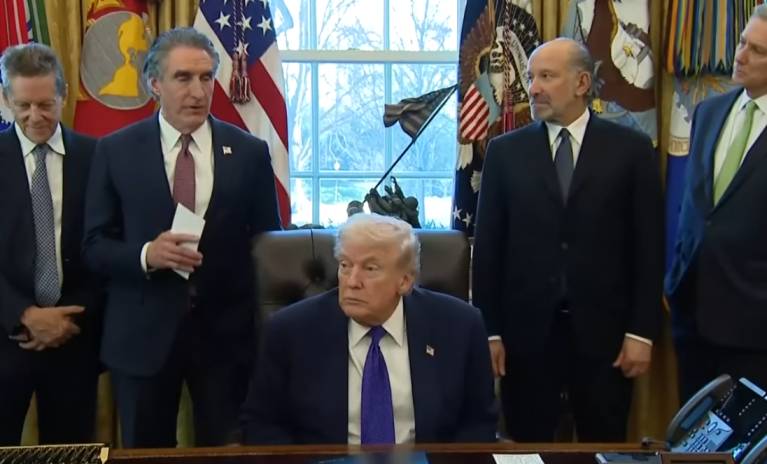
Project Vault, announced February 2, 2026, represents a $12 billion strategic shift in U.S. critical minerals sourcing that directly impacts cross-border e-commerce sellers in electronics, EV accessories, and smart device categories. The initiative combines $2 billion private capital with a $10 billion Export-Import Bank loan to reduce U.S. dependence on China, which currently controls 60% of rare earth mining and 90% of permanent magnet manufacturing. This policy creates immediate tariff arbitrage opportunities: sellers sourcing permanent magnets, motor components, and rare earth-dependent electronics from U.S. domestic suppliers will face lower tariff exposure compared to China-sourced alternatives, potentially improving margins by 8-15% within 18-24 months.
For Amazon FBA and eBay sellers, the competitive advantage shifts toward U.S.-based suppliers and those willing to transition sourcing. Smartphone components (HS code 8542.31), electric vehicle motors (HS code 8501.61), and industrial magnets (HS code 8505.19) represent the highest-impact categories. Sellers currently sourcing these items from China face increasing tariff uncertainty; those pivoting to domestic U.S. suppliers or allied nations (Japan, South Korea) gain Buy Box advantages as Amazon increasingly prioritizes supply chain resilience in its algorithm. The market signal is clear: U.S.-listed rare earth miners (Critical Metals +5%, USA Rare Earth +4.3%, MP Materials +3.5%) surged immediately, indicating institutional confidence in domestic supply expansion within 24-36 months.
The implementation timeline creates a critical 12-18 month window for strategic repositioning. Project Vault requires converting stockpiled minerals into finished products like permanent magnets—a process that will take 18-24 months to scale. Sellers who establish relationships with emerging U.S. magnet manufacturers and component suppliers now will capture first-mover advantages before supply chains fully normalize. Additionally, the policy signals escalating U.S.-China competition over critical minerals, suggesting tariffs on China-sourced rare earth products could increase 10-20% by late 2026. Sellers should audit their supply chains immediately: identify which SKUs depend on rare earth elements, calculate tariff exposure by HS code, and evaluate switching costs to domestic alternatives. The risk of inaction is margin compression of 5-12% if tariffs accelerate without advance sourcing adjustments.
Questions 8
How does Project Vault's $12 billion critical minerals stockpile affect cross-border sellers sourcing from China?
Project Vault directly impacts sellers sourcing rare earth-dependent products from China by signaling increased tariff risk and supply chain uncertainty. The $12 billion initiative, combining $2 billion private capital with $10 billion Export-Import Bank financing, aims to reduce U.S. dependence on China's 60% global rare earth mining dominance. Sellers currently importing permanent magnets, EV motor components, and smartphone rare earth elements from China face potential tariff increases of 10-20% by late 2026. Immediate action: audit your supply chain by HS code (8505.19 for magnets, 8501.61 for motors), calculate tariff exposure, and evaluate switching costs to U.S. or allied suppliers within 90 days to avoid margin compression.
Which product categories see the biggest tariff arbitrage opportunities from domestic rare earth sourcing?
Three categories offer highest tariff arbitrage: (1) Permanent magnets and motor components (HS 8505.19, 8501.61) used in electric vehicles and industrial equipment—currently 60-70% China-sourced; (2) Smartphone components and wireless charging coils (HS 8542.31)—estimated $2.1B annual cross-border volume; (3) Industrial magnet assemblies for robotics and automation (HS 8505.20)—fastest-growing segment with 18% CAGR. Sellers switching to U.S. domestic suppliers can expect 8-15% margin improvement within 18-24 months as Project Vault scales production. The competitive advantage window is 12-18 months before supply chains normalize and first-mover benefits diminish.