
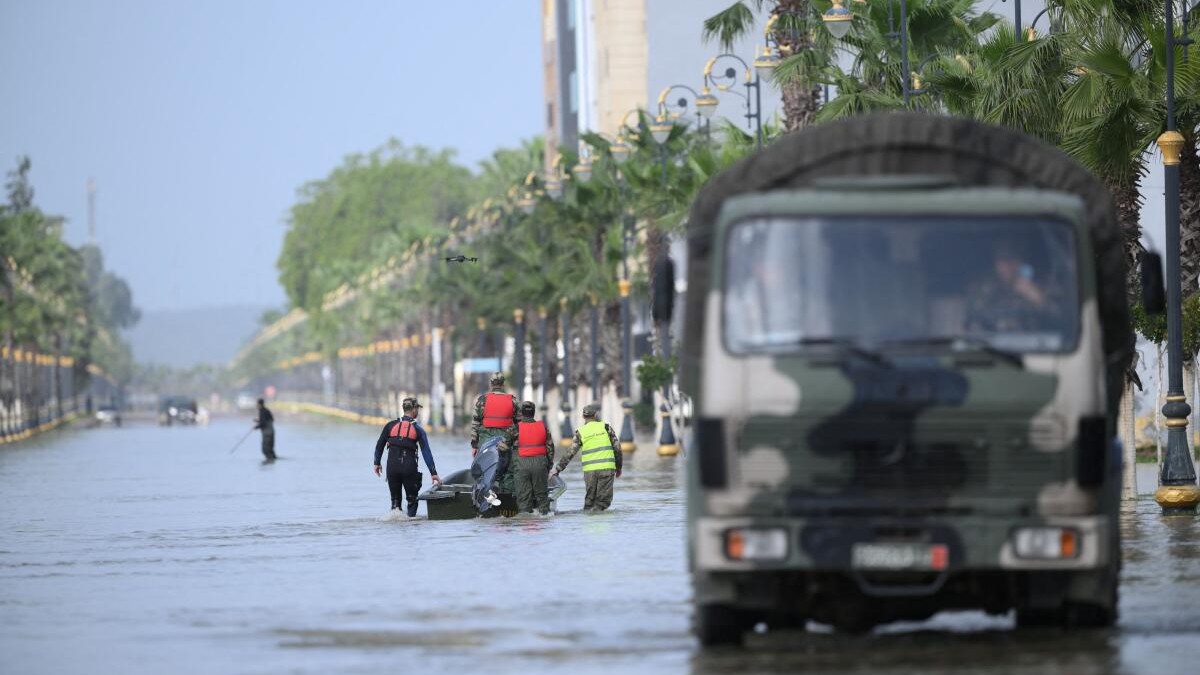


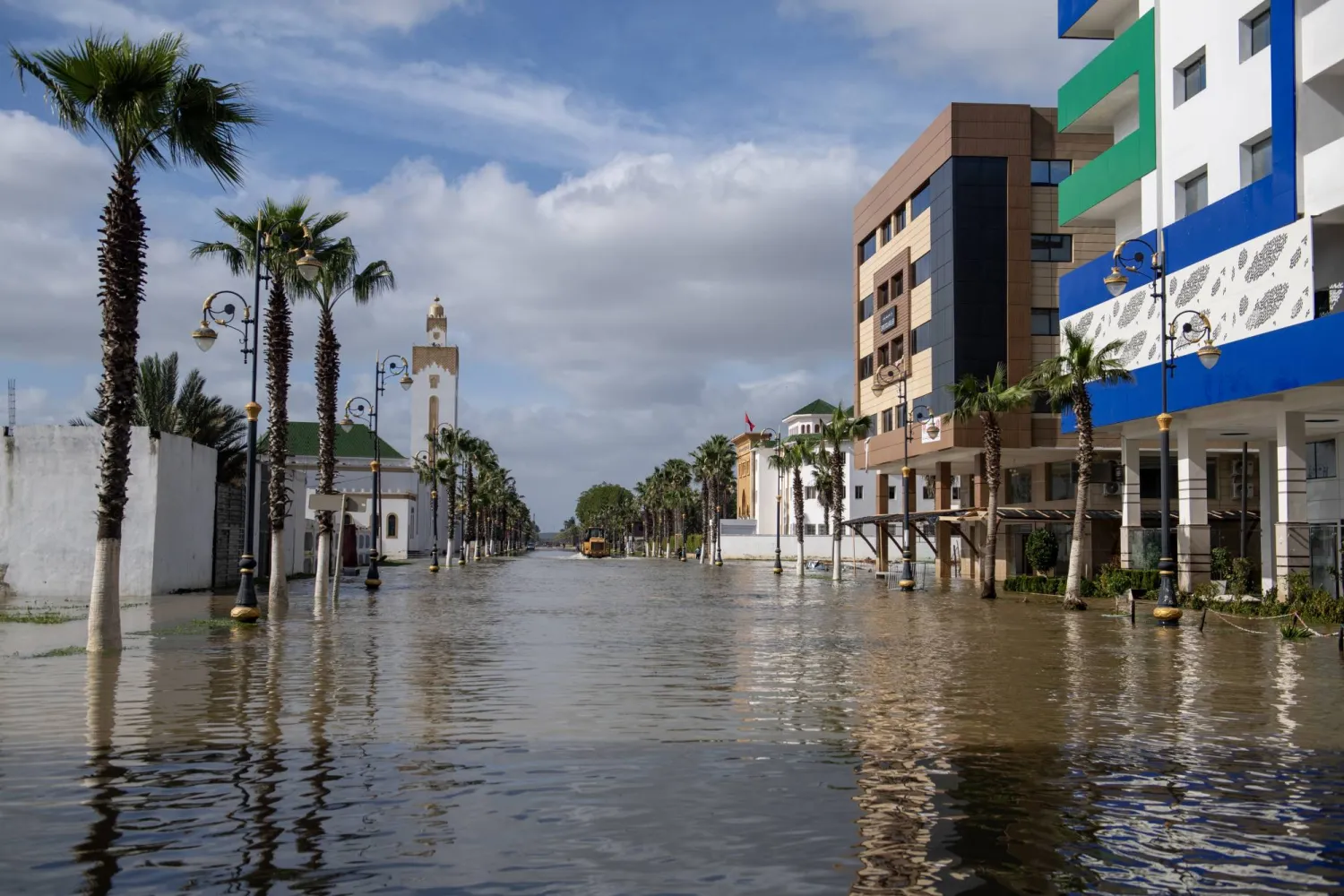
Morocco Flooding Disrupts North Africa Trade Routes | Sellers Face 2-4 Week Shipping Delays
- 50,000+ displaced in northern Morocco triggers port congestion, warehouse closures, and logistics rerouting for cross-border sellers using Moroccan distribution hubs







































Overview
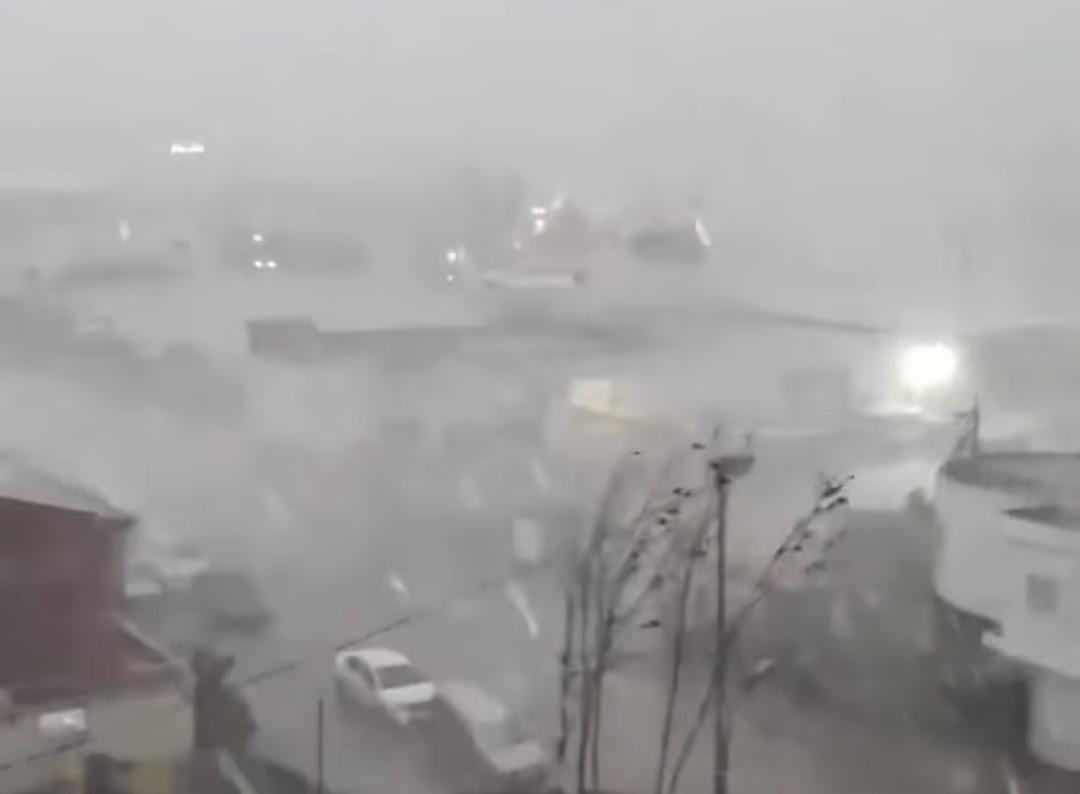
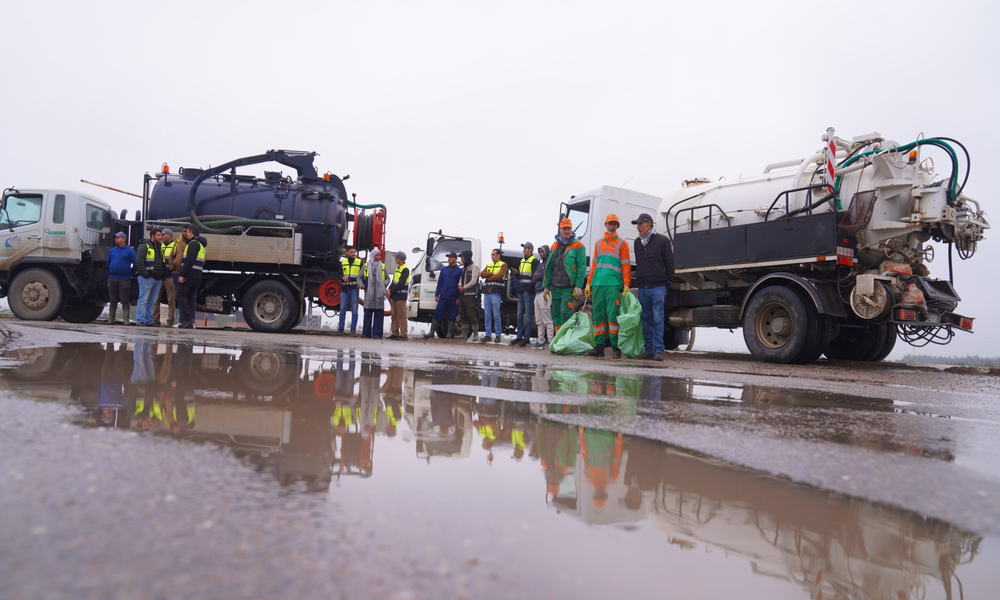
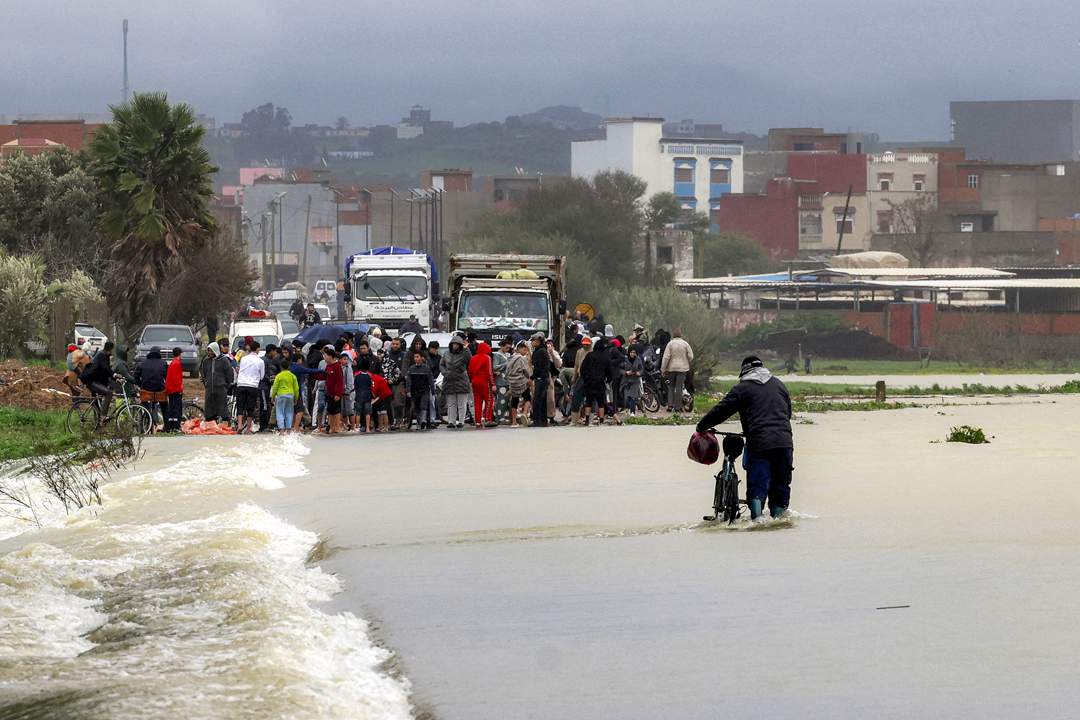
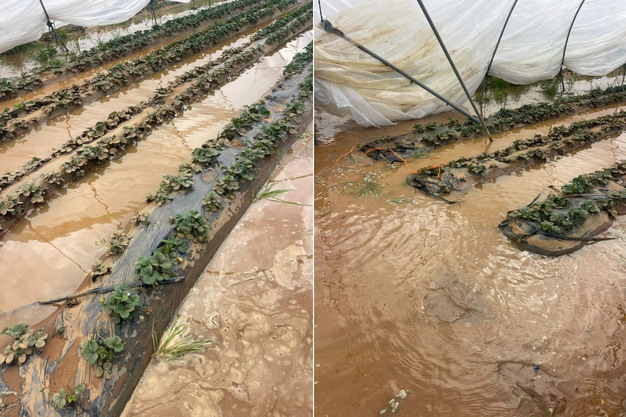
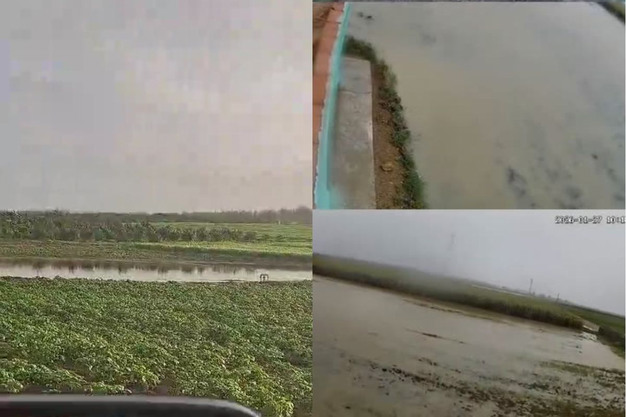
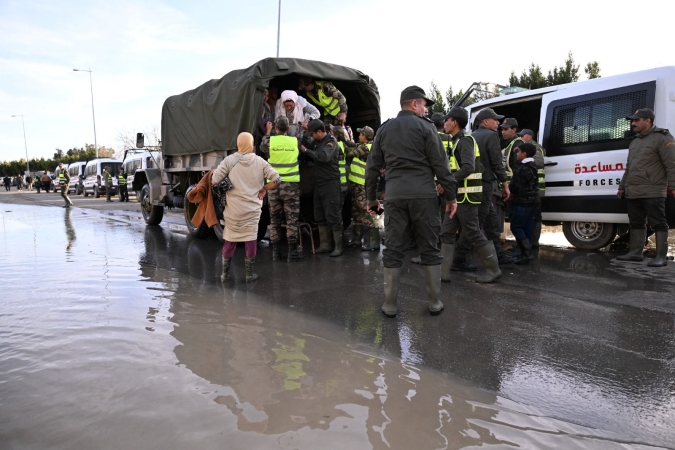
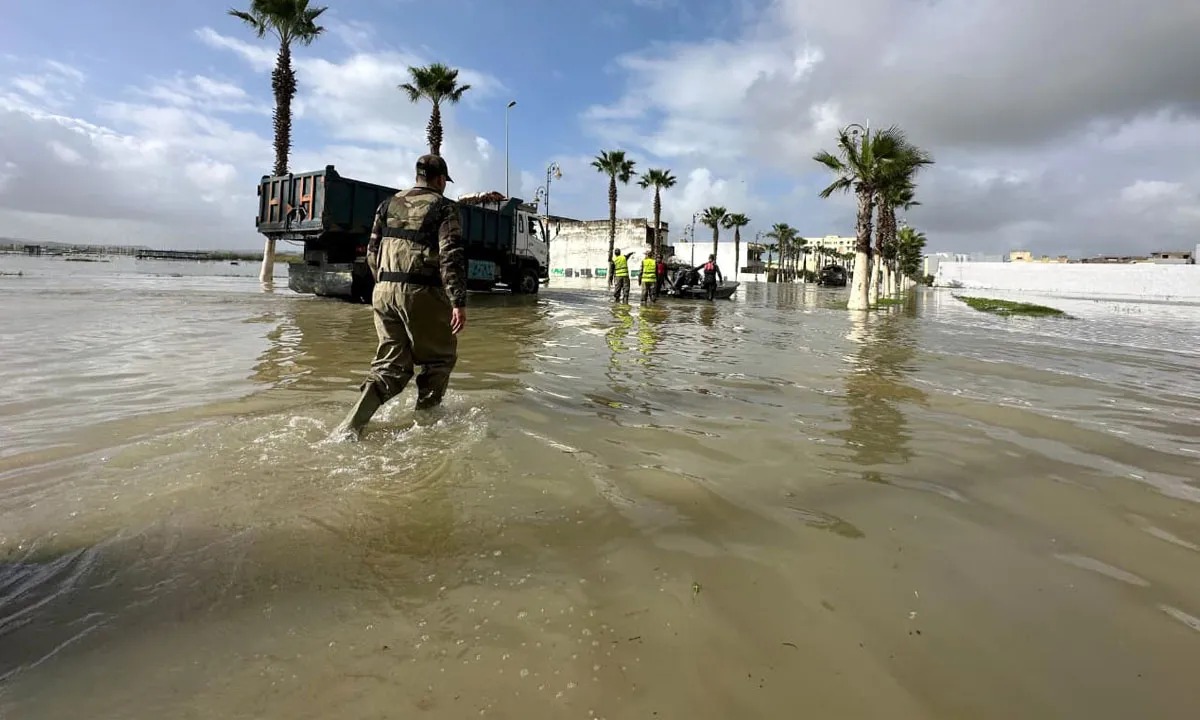
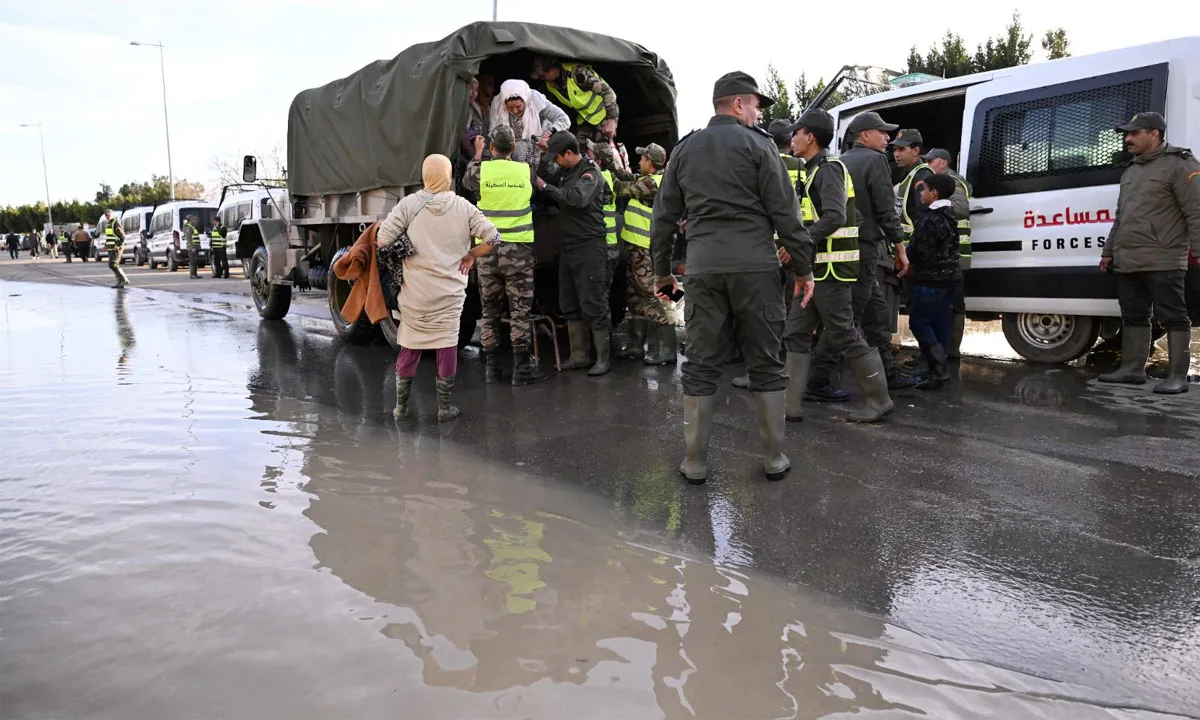
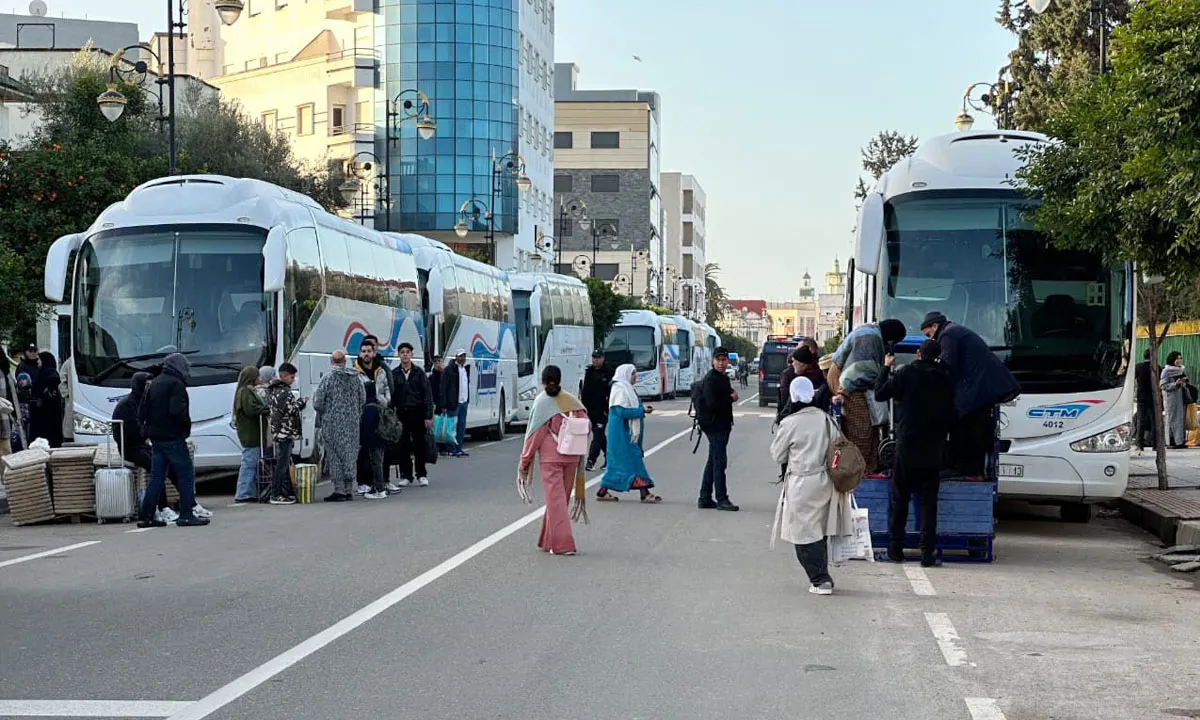
The severe flooding in northern Morocco (February 3, 2026) affecting Sidi Slimane province, Ksar el-Kebir, and the Sebou/Loukkos river regions represents a critical supply chain disruption for cross-border e-commerce sellers operating in North Africa and Europe. While the humanitarian crisis displaces 50,000+ people, the operational impact extends directly to sellers relying on Moroccan ports, logistics hubs, and distribution networks for European and African trade routes.
Immediate Logistics Disruptions: Sellers shipping through Moroccan ports (Casablanca, Tangier) face potential 2-4 week delays as infrastructure damage affects customs clearance, warehouse operations, and transportation corridors. The displacement of 50,000+ people indicates severe labor shortages affecting 3PL providers, fulfillment centers, and last-mile delivery networks in northern Morocco. Sellers using Morocco as a distribution hub for European markets (Spain, France, Portugal) should expect inventory bottlenecks and increased shipping costs as carriers reroute shipments through alternative ports (Algeciras, Spain or Portuguese alternatives).
Category-Specific Impacts: Sellers in time-sensitive categories—electronics, fashion, perishables, and seasonal goods—face the highest risk. Amazon FBA sellers with inventory in Moroccan fulfillment centers should monitor Seller Central for warehouse status updates and prepare for potential inventory reallocation to EU-based facilities. eBay and Shopify sellers shipping from Morocco to European customers will experience extended delivery times (typically 5-7 days now potentially 10-14 days), directly impacting customer satisfaction scores and return rates. Sellers sourcing products from Moroccan manufacturers (textiles, leather goods, agricultural products) should activate alternative supplier protocols immediately.
Strategic Mitigation: Sellers should diversify logistics partners away from Morocco-dependent routes, shift inventory to alternative distribution centers in Spain or Portugal, and communicate proactively with customers about potential delays. Monitor official Moroccan government updates and carrier announcements (DHL, FedEx, UPS) for port reopening timelines. Consider temporary price adjustments to reflect increased shipping costs (typically 8-15% premium for rerouted shipments) and adjust delivery time estimates in product listings to prevent negative feedback. This disruption creates opportunities for sellers with established logistics in alternative North African ports (Tunisia, Algeria) to capture market share from competitors dependent on Moroccan infrastructure.
Questions 8
How will Morocco flooding impact my Amazon FBA shipments to Europe?
Amazon FBA sellers shipping through Moroccan ports face 2-4 week delays as infrastructure damage affects customs clearance and warehouse operations. Check your Seller Central dashboard for warehouse status updates and inventory alerts. If your inventory is stuck in Moroccan fulfillment centers, consider requesting inventory transfers to Spanish or Portuguese facilities (typically 5-7 day processing). Expect increased shipping costs of 8-15% as carriers reroute through alternative ports like Algeciras. Monitor official carrier announcements from DHL, FedEx, and UPS for port reopening timelines and adjust customer delivery estimates immediately to prevent negative feedback.
Should I reroute my shipments away from Morocco during the flooding crisis?
Yes, immediate rerouting is recommended for sellers with time-sensitive inventory. Alternative routes include: (1) Algeciras, Spain (2-3 hour ferry from Morocco, typically 1-2 days longer transit), (2) Portuguese ports (Lisbon, Porto - 3-4 days longer), (3) direct EU ports bypassing North Africa entirely. Calculate cost-benefit: rerouting typically adds $200-400 per 20ft container but avoids 2-4 week delays. For Shopify and eBay sellers, contact your 3PL provider immediately to activate contingency logistics plans. Sellers sourcing from Moroccan manufacturers should negotiate temporary alternative production arrangements or activate backup suppliers in Tunisia or Egypt.