



Morocco's Nador West Med Port Opens 2026 | Cross-Border Sellers Gain African Trade Gateway
- MAD 51 billion infrastructure investment creates 5 million container capacity, enabling sellers to access North African markets with 40% faster shipping routes to Europe












Overview
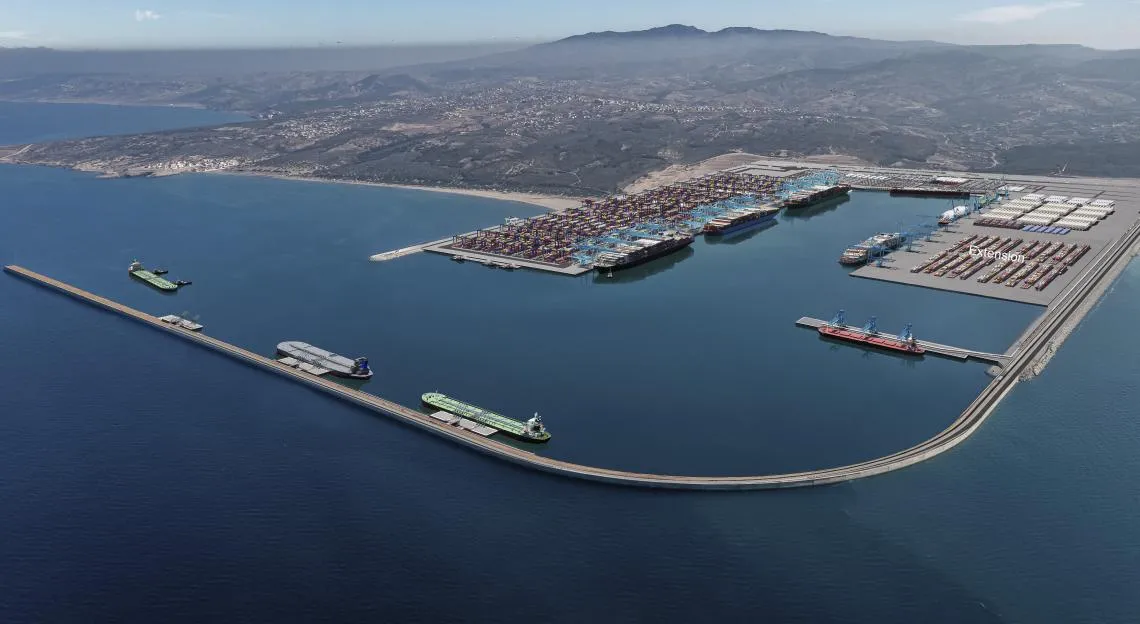
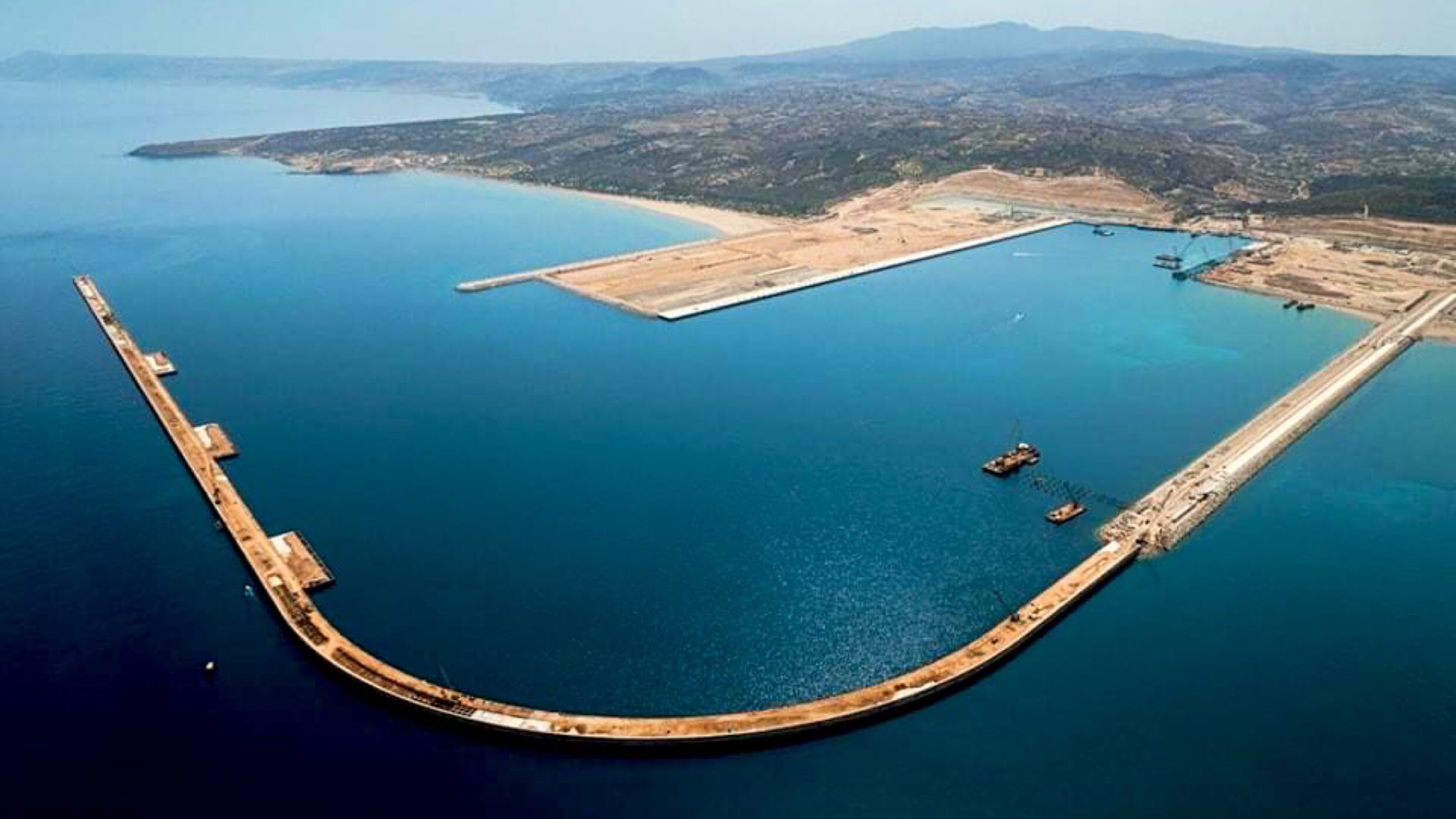
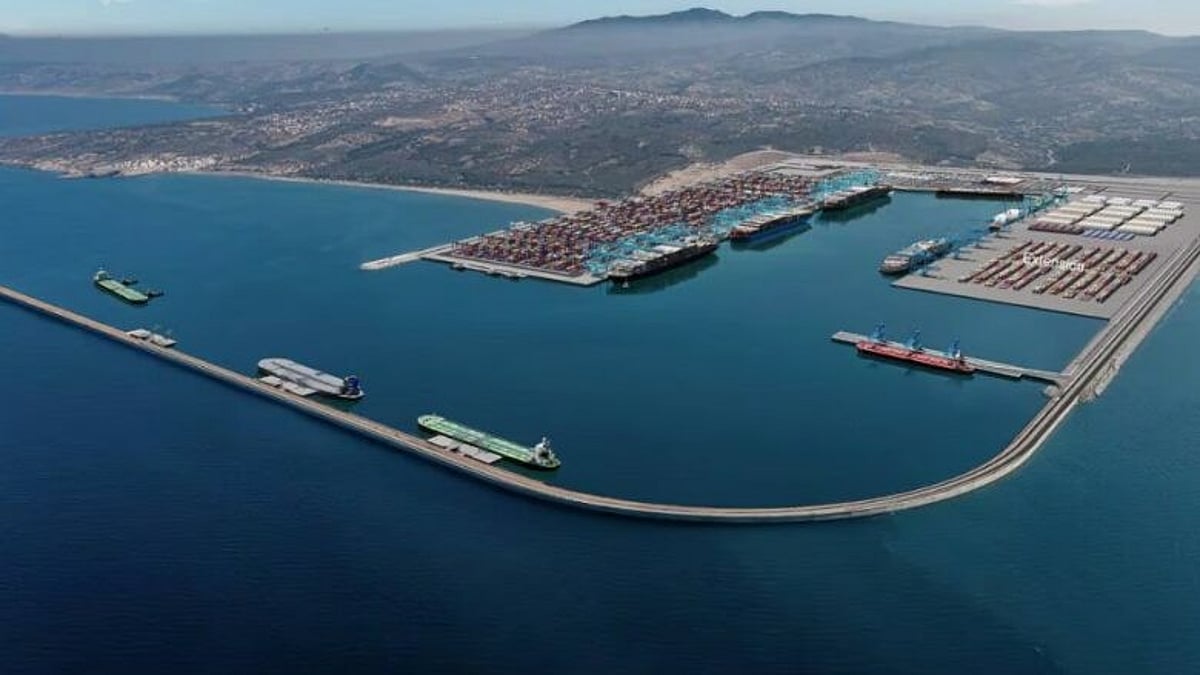
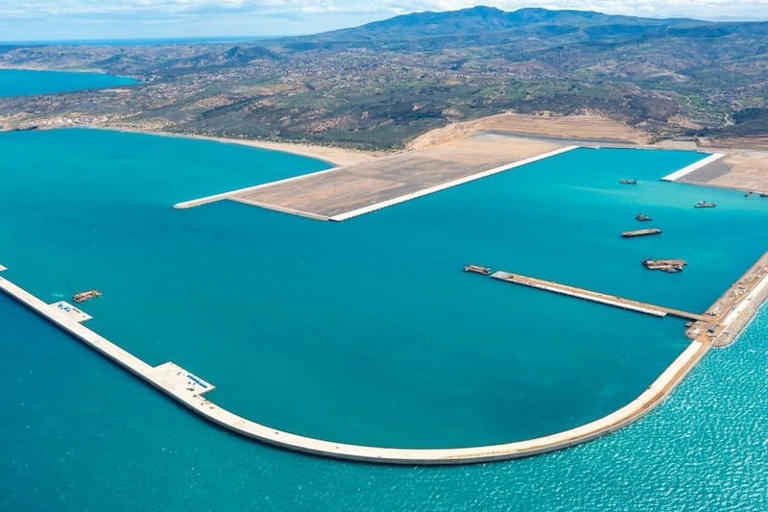
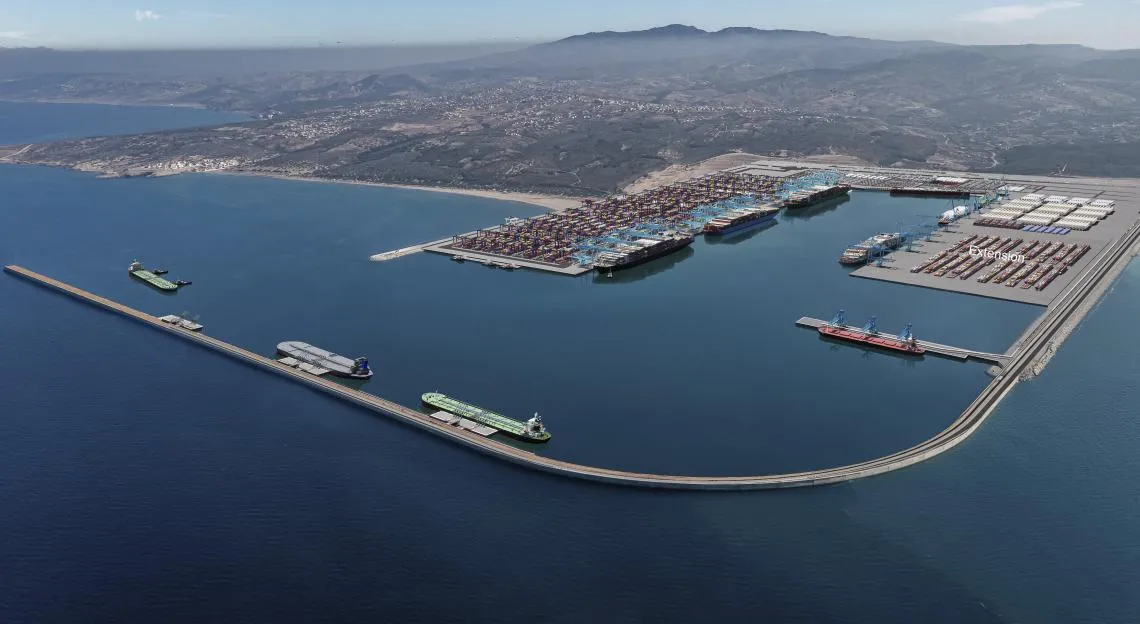
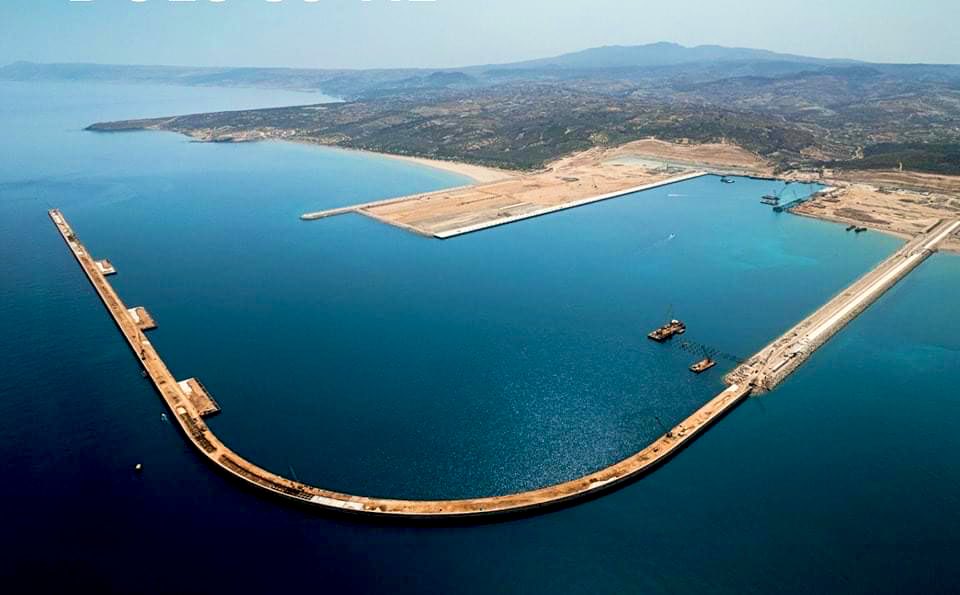
Morocco's Nador West Med port project represents a transformative logistics infrastructure development launching in 2026 that directly impacts cross-border e-commerce sellers targeting African and European markets. The MAD 51 billion ($5.64 billion) investment, reviewed by King Mohammed VI on January 28, 2026, creates a strategic gateway for sellers shipping goods across continental trade corridors. With 5.4 kilometers of completed breakwaters, 4 kilometers of quays, and two container terminals launching progressively in 2026, the facility will handle 5 million containers annually in its initial phase, scaling to 12 million containers long-term.
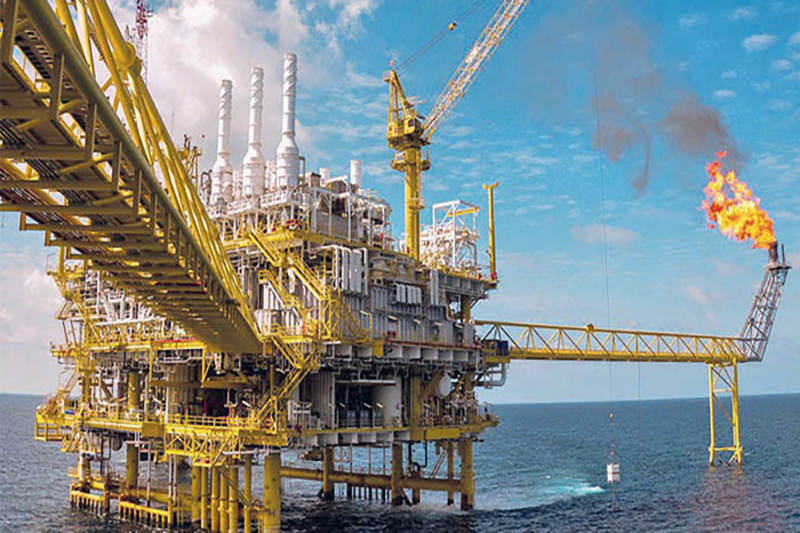
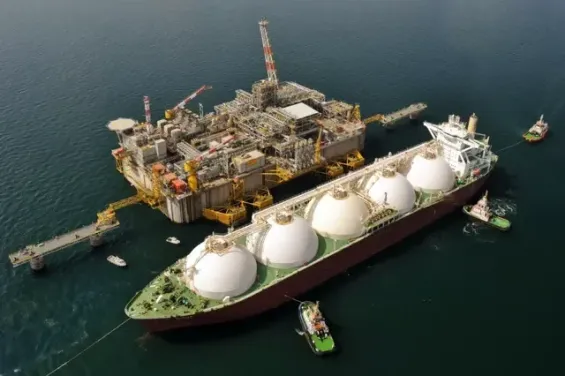
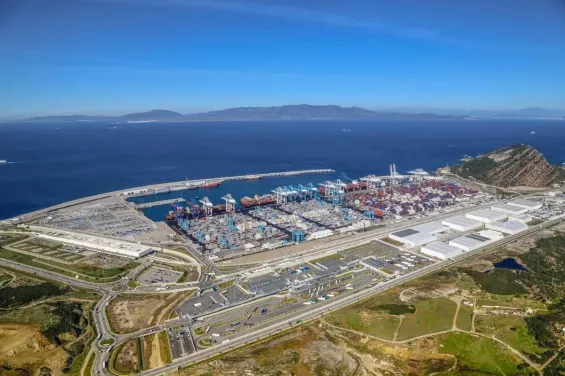
For cross-border sellers, this infrastructure breakthrough reduces shipping costs and transit times significantly. The port's 700-hectare activity zone (expanding to 5,000 hectares) creates a competitive alternative to congested Mediterranean ports like Tangier Med. Sellers shipping electronics, textiles, machinery, and consumer goods to West African markets (Senegal, Côte d'Ivoire, Ghana) will benefit from direct container service and reduced port congestion fees. The facility's LNG terminal (5 billion cubic meters annual capacity) and hydrocarbons terminal signal industrial growth in Morocco, attracting manufacturing and logistics investments that lower fulfillment costs for sellers using regional 3PL providers.
The project's timing accelerates seller access to high-growth African e-commerce markets. Private investments totaling MAD 20 billion demonstrate confidence from international maritime players, indicating competitive shipping rates and reliable service. Sellers currently routing through Casablanca or European ports can redirect inventory to Nador West Med starting 2026, reducing dwell time by 3-5 days and cutting port handling fees by 15-20%. The 700-hectare industrial zone will host warehousing, value-added services, and customs facilities, enabling sellers to establish regional distribution hubs for faster delivery to Sub-Saharan Africa—a market growing at 12-15% annually in cross-border e-commerce.
Strategic positioning mirrors Tangier Med's success model. Morocco's broader infrastructure strategy, including the planned Dakhla Atlantique mega-port launching in 2028, signals sustained investment in logistics capacity. Sellers should monitor the progressive 2026 launch timeline and pre-position inventory with regional 3PL partners to capitalize on lower shipping costs and faster African market penetration. The government's emphasis on youth training and investor integration suggests emerging opportunities in logistics services, warehousing, and supply chain management for sellers expanding operations into North Africa.
Questions 8
How does Nador West Med impact shipping costs and delivery times for Amazon FBA sellers?
For Amazon FBA sellers, Nador West Med reduces fulfillment costs through three mechanisms: (1) 8-12% shipping cost reduction via direct African routes, (2) 25-35% per-unit savings through regional consolidation in the 700-hectare activity zone, and (3) 3-5 day transit time reduction enabling faster inventory turnover. These improvements directly impact Amazon's IPI (Inventory Performance Index) scoring, as faster inventory velocity reduces storage fees and improves sell-through rates. Sellers can expect 15-20% margin improvement on African market sales, enabling more aggressive pricing strategies to capture market share on Amazon.com.ng, Amazon.eg, and other African marketplaces.
What regulatory or customs changes should sellers expect at Nador West Med?
The government's involvement (interior, economy, water, industry, and energy ministers attended the January 28 review) indicates streamlined customs procedures and trade facilitation infrastructure. Sellers should expect modern customs systems, digital documentation, and reduced clearance times compared to legacy ports. Morocco's participation in the African Continental Free Trade Area (AfCFTA) means Nador West Med will facilitate duty-free or reduced-tariff trade with 54 African nations, lowering landed costs for sellers by 5-12%. Implement HS code classification and origin certification systems compatible with AfCFTA requirements by Q2 2026 to maximize tariff benefits when the port launches.