

Morocco's Nador West Med Port Opens 5M+ Container Capacity | Cross-Border Logistics Game-Changer
- MAD 51 billion infrastructure investment launches 2026, creating new Africa-Europe trade corridor for e-commerce sellers shipping 100K+ units annually








Overview
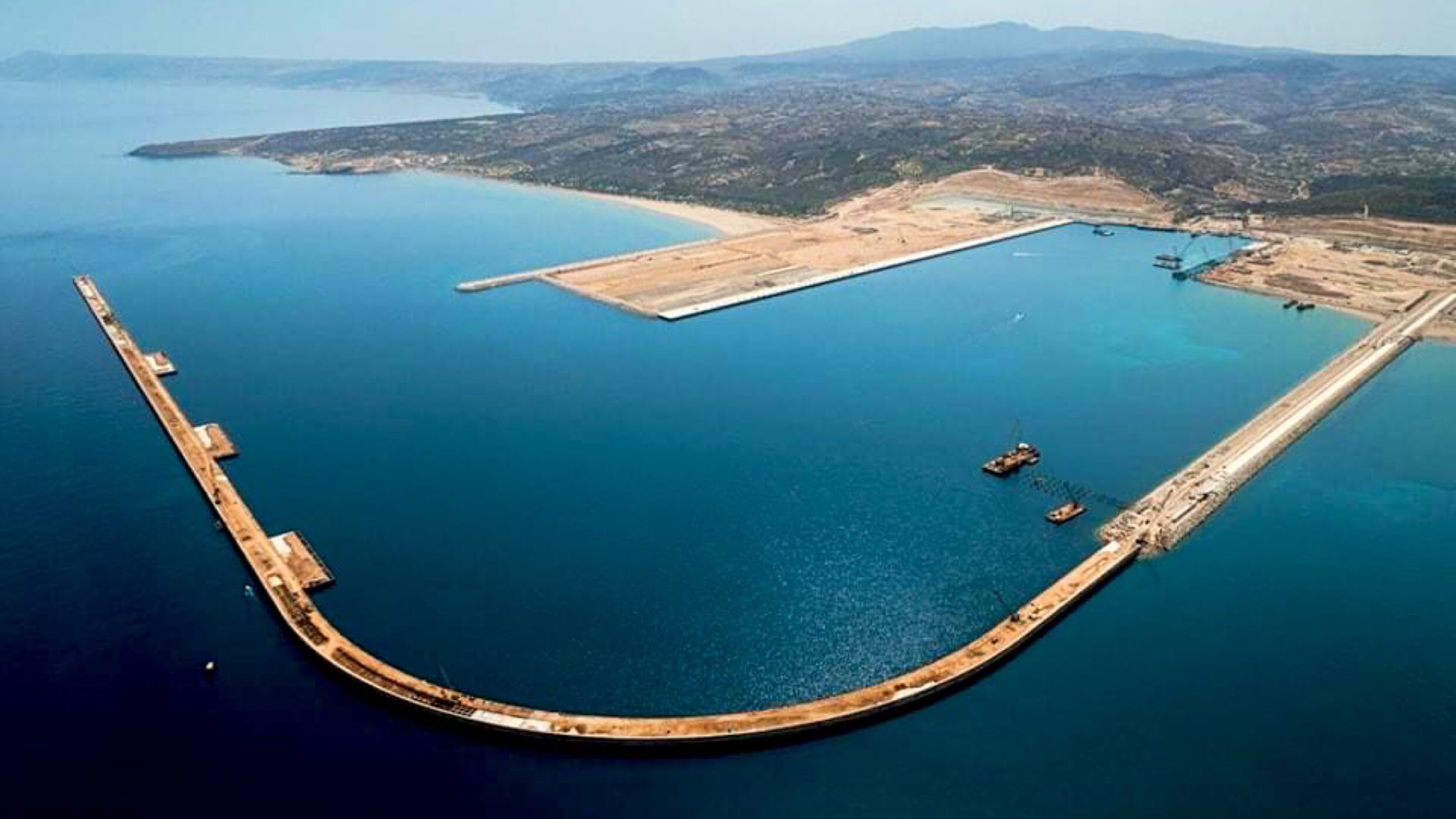
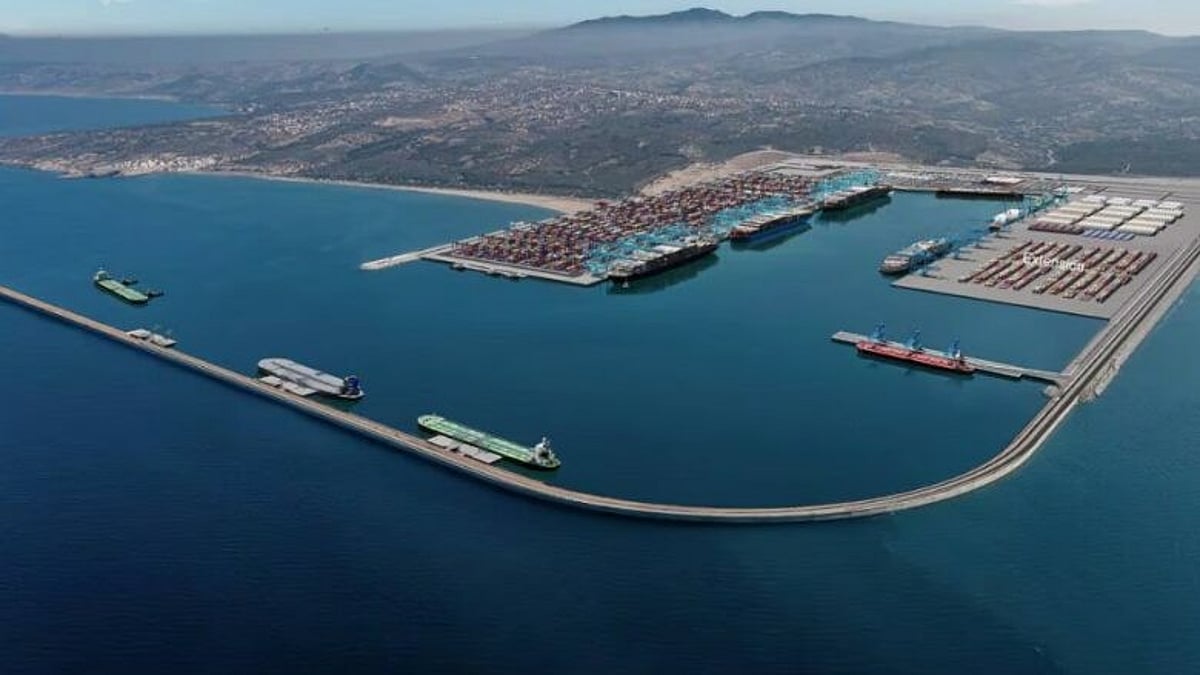
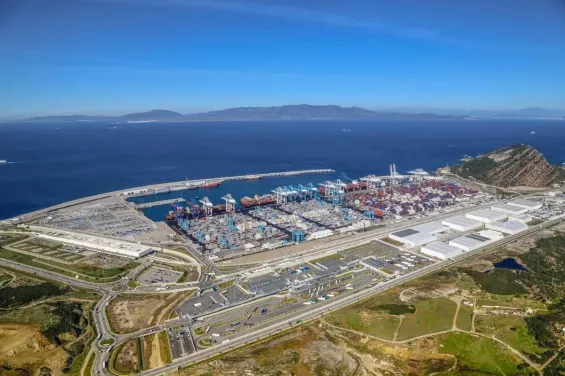
Morocco's Nador West Med port project represents a transformative infrastructure development for cross-border e-commerce sellers targeting African and European markets. King Mohammed VI's January 28, 2026 review confirmed completion of all basic infrastructure—5.4 kilometers of breakwaters, 4 kilometers of quays, and four energy stations—with progressive operational launch beginning in 2026. This MAD 51 billion ($5.64 billion) investment, combining public and private capital with MAD 20 billion in confirmed private investments, will deliver 5 million container capacity initially, expanding to 12 million containers annually by 2028.
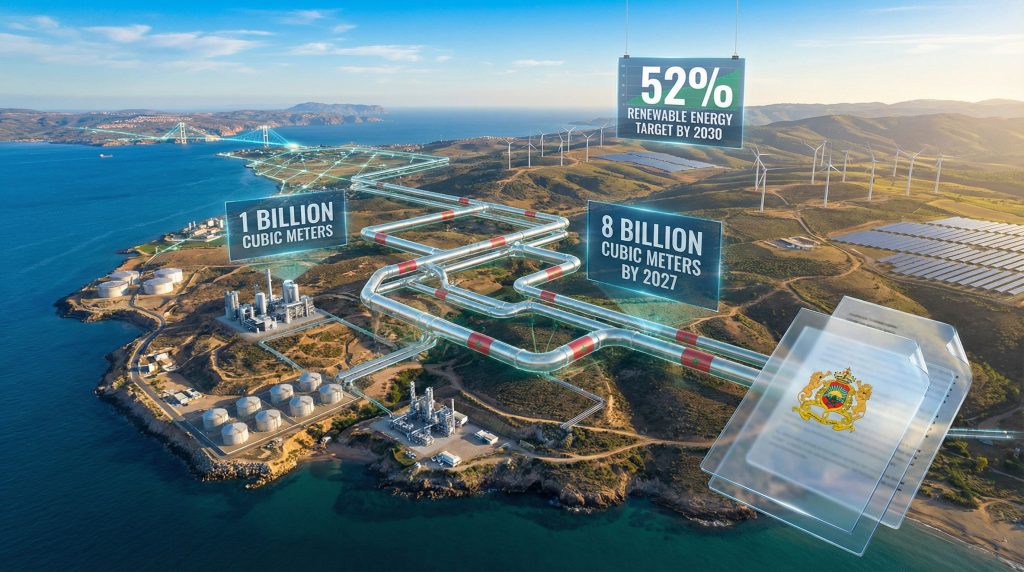
For e-commerce sellers, this creates three critical opportunities: First, the facility's Morocco's first LNG terminal (5 billion cubic meters annual capacity) plus hydrocarbons terminal dramatically reduce energy costs for temperature-sensitive product categories—pharmaceuticals, cosmetics, food supplements, and perishables—which currently face 15-25% logistics premiums when shipping through congested Mediterranean ports. Sellers exporting these categories to West African markets (Nigeria, Senegal, Côte d'Ivoire) can expect 20-30% reduction in landed costs by 2027 as the port reaches operational capacity.
Second, the 700-hectare activity zone (expanding to 5,000 hectares) creates a free-trade ecosystem mirroring the successful Tanger Med model. This enables sellers to establish regional distribution hubs, consolidate shipments, and access preferential tariff treatment under African Continental Free Trade Area (AfCFTA) agreements. Sellers currently using Casablanca or Tangier ports can reduce dwell time from 8-12 days to 3-5 days, cutting working capital requirements by $50K-200K for mid-sized operations shipping 500+ containers monthly.
Third, the port's positioning as a "critical logistics hub for continental trade flows" directly supports Morocco's energy sovereignty objectives while opening new sourcing opportunities. Sellers importing raw materials, components, or finished goods from Sub-Saharan Africa gain a modern, efficient gateway with integrated customs clearance, reducing compliance costs by 10-15% compared to current alternatives.
Immediate seller actions: Monitor port operational milestones (Q2 2026 container terminal launch), evaluate relocation of West Africa-bound inventory to Nador-based 3PL providers, and assess tariff optimization through AfCFTA compliance. Strategic sellers should begin negotiations with freight forwarders establishing Nador operations by Q3 2025 to secure preferred rates before capacity constraints emerge.
Questions 8
What is the total investment and private sector confidence level for Nador West Med?
The project represents a MAD 51 billion ($5.64 billion) investment combining public and private capital, with MAD 20 billion in confirmed private investments from major international maritime and industrial players. This demonstrates strong confidence from logistics and industrial sectors. King Mohammed VI directed stakeholders to ensure timely project launch and implement training programs for investors and youth integration, signaling government commitment to maximizing regional economic development benefits across all provinces.
How does Nador West Med fit into Morocco's broader infrastructure strategy?
Nador West Med complements Morocco's broader infrastructure strategy alongside the planned Dakhla Atlantique mega-port launching in 2028. Together, these projects position Morocco as a critical logistics hub for continental trade flows and support energy sovereignty objectives. The dual-port strategy creates geographic redundancy for sellers, reducing supply chain risk and enabling load-balancing across West African and Atlantic-facing trade corridors. This infrastructure investment signals Morocco's commitment to becoming Africa's premier e-commerce logistics gateway.