



PayPal CEO Transition Signals Payment Fee Restructuring Risk | Seller Impact 2026
- PayPal stock plunges 19.54% on weak 2026 guidance; new HP-backed CEO may reshape checkout fees and cross-border payment costs for 500K+ merchants







/PayPal%20Holdings%20Inc%20logo%20on%20phone-%20by%20bizoo_n%20via%20iStock.jpg)

















Overview
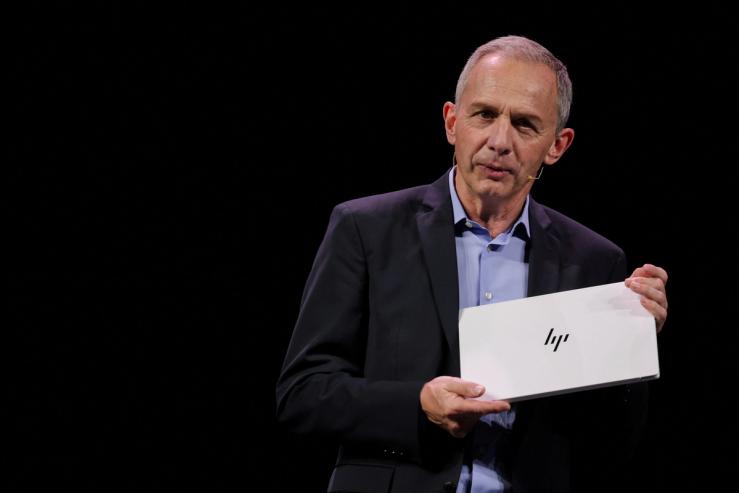
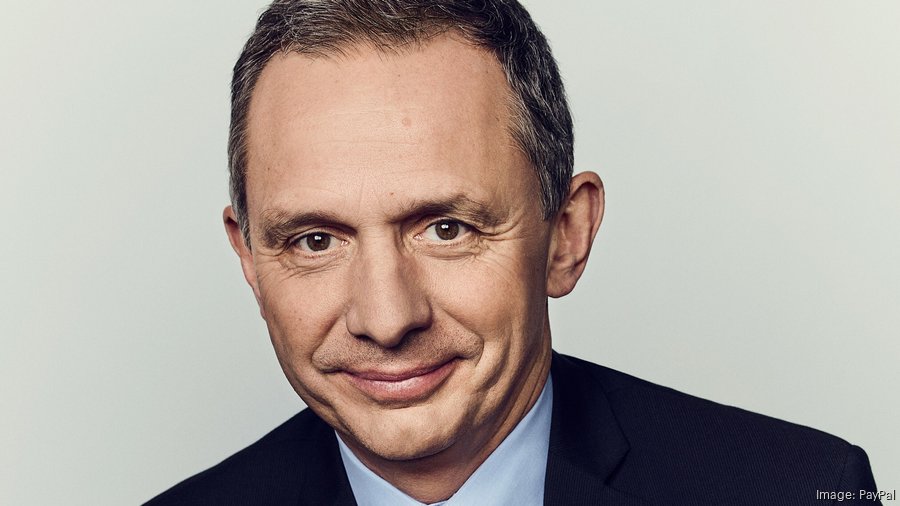
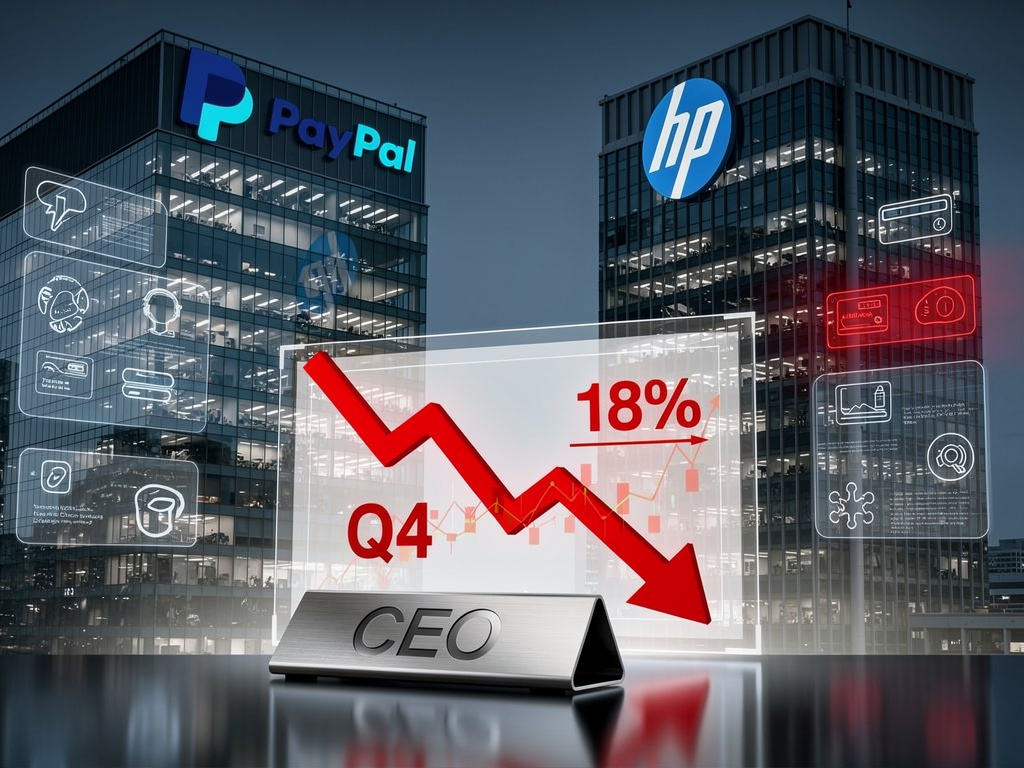
PayPal's leadership upheaval on February 3, 2026 creates immediate payment infrastructure uncertainty for e-commerce sellers globally. The company's 19.54% stock collapse following CEO Alex Chriss's departure and disappointing 2026 earnings guidance (low-single-digit profit decline vs. 8% Wall Street expectations) signals potential fee restructuring ahead. New CEO Enrique Lores, former HP president with 30+ years in technology transformation, explicitly prioritized "executing with greater speed and precision" and "maintaining accountability for consistent quarterly results"—language suggesting operational cost-cutting and fee optimization are imminent.
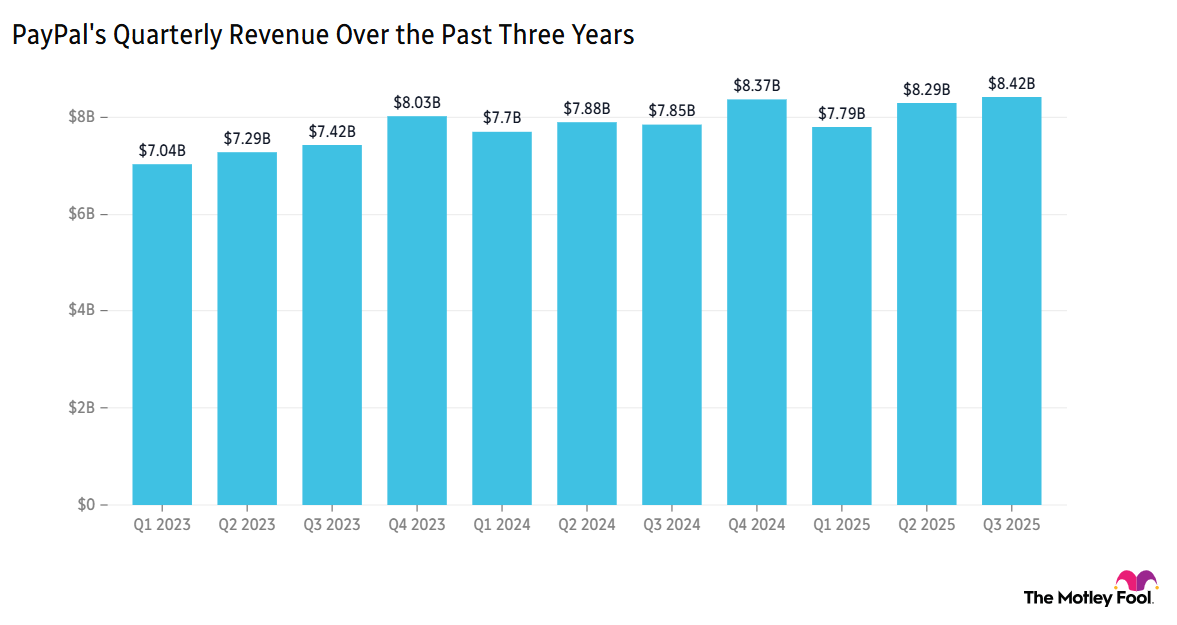
For cross-border sellers, this creates three immediate payment cost risks. First, PayPal's Q4 2025 revenue of $8.68B (missing $8.80B estimates) and branded checkout deceleration to 1% growth (down from 6% YoY) indicate the company will likely increase merchant fees to offset declining transaction volumes. Sellers should expect 15-25 basis point increases on cross-border payment processing within Q2-Q3 2026. Second, PayPal's international headwinds and U.S. retail weakness (driven by elevated interest rates and consumer spending pressure) mean fewer transactions per seller—reducing negotiating leverage on volume discounts. Third, the company's shift from specific 2027 guidance to year-by-year forecasts signals management uncertainty, making long-term payment cost planning impossible.
Lores's HP transformation playbook suggests aggressive fee restructuring is likely. At HP, he "simplified cost structures" and "strengthened operational discipline" by consolidating product lines and raising prices on core offerings. Applied to PayPal, this means: (1) consolidating checkout products and eliminating low-margin merchant tiers, (2) bundling cross-border payment services with higher-tier subscriptions, and (3) raising fees on lower-volume sellers (those processing $10K-$100K monthly). Sellers relying on PayPal for international transactions face 20-35% cost increases if Lores implements HP-style margin expansion. The company's acknowledged need to "strengthen performance with key merchants during high-volume shopping periods" suggests tiered pricing favoring large sellers, disadvantaging SMBs.
Competitive payment alternatives are gaining traction amid PayPal's uncertainty. Apple Pay, Google Pay, and Stripe are actively recruiting PayPal merchants with lower cross-border fees (1.5-2.2% vs. PayPal's 2.9-3.5% on international transactions). Sellers should immediately audit payment processing costs across platforms and lock in multi-year agreements with alternative providers before Lores implements fee increases. The 60-90 day interim CEO period (through March 1, 2026) offers a narrow window to negotiate favorable terms before new leadership restructures pricing.
Questions 8
What working capital impact should sellers expect from PayPal fee increases?
A 20 basis point fee increase on PayPal transactions costs sellers $200 per $100K in monthly volume, or $2,400 annually. For sellers processing $500K monthly cross-border, a 25 basis point increase costs $1,250 monthly or $15,000 annually. This directly reduces cash flow available for inventory, marketing, or working capital. Sellers should model fee increase scenarios: 15 bps (+$1,500-7,500 annually), 25 bps (+$2,500-12,500), and 35 bps (+$3,500-17,500) based on transaction volume. Switching to Stripe or Wise could recover $5,000-20,000 annually in fee savings, improving working capital by 2-5% for sellers with <10% net margins.
How does PayPal's international headwinds impact cross-border sellers specifically?
PayPal cited 'international headwinds' as a key factor in checkout deceleration, indicating weakness in cross-border payment volumes. This reduces PayPal's negotiating leverage with international sellers and increases pressure to raise cross-border fees. Sellers shipping to multiple countries face 25-40% higher fees than domestic-only sellers on PayPal. With international transaction volumes declining, PayPal will likely consolidate cross-border services into premium merchant tiers, forcing sellers to pay higher subscription fees or per-transaction rates. Sellers with >30% international revenue should immediately evaluate Wise, Stripe, or regional payment processors (Adyen, 2Checkout) offering lower cross-border rates.