





AI Tools Trigger $300B Software Stock Collapse | E-Commerce Seller Tech Costs Rising
- $300 billion market correction on Feb 3, 2026 signals accelerated AI disruption of traditional software vendors; e-commerce sellers face 8-15% SaaS cost increases and tool consolidation within 6-12 months

























Overview
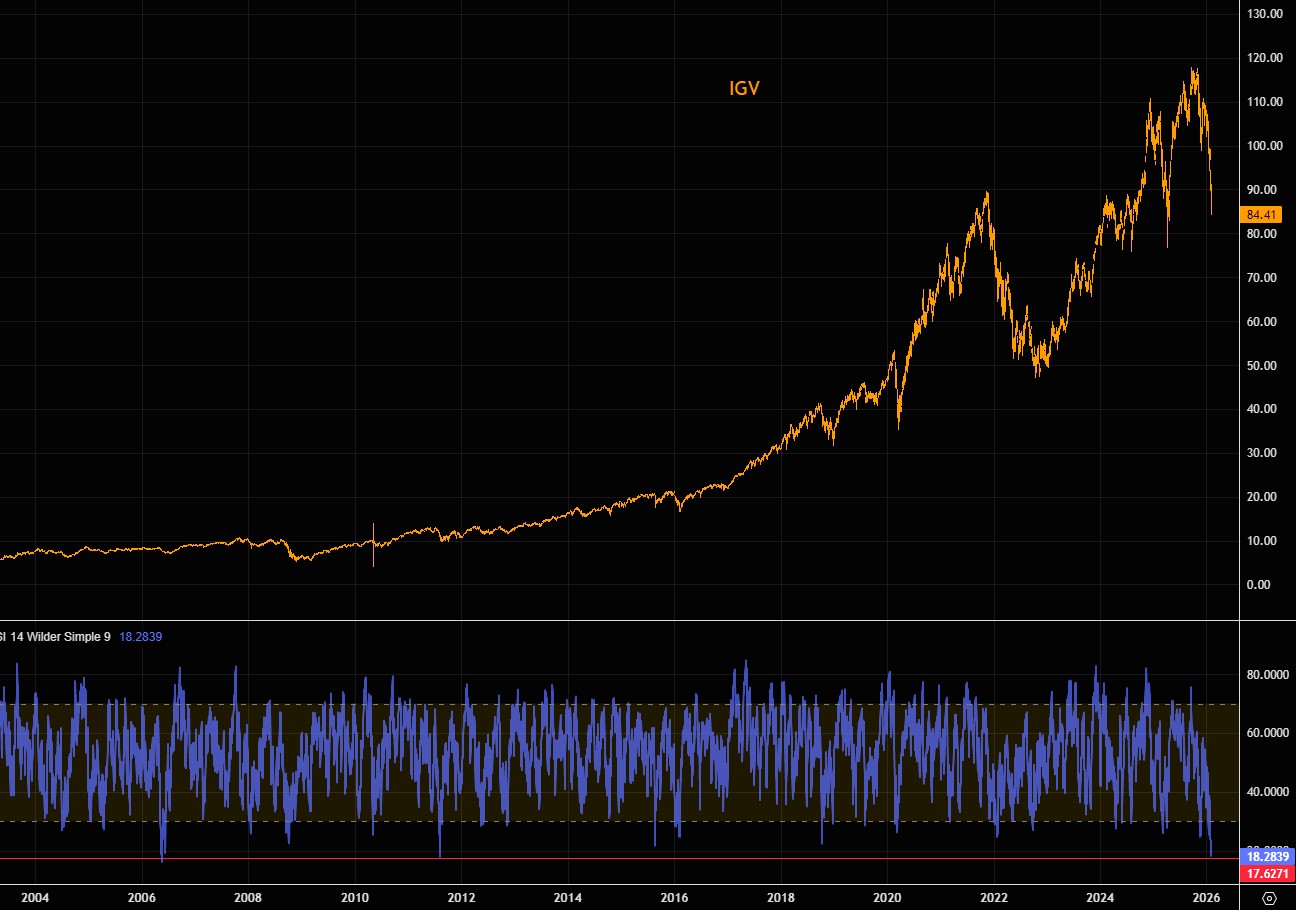
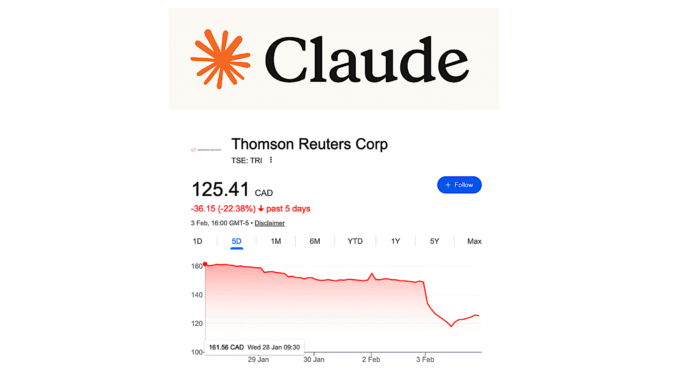
On February 3, 2026, a $300 billion market correction wiped out software and data-focused stocks as investors reassessed valuations amid rapid AI advancement. Adobe shares fell 7.31% and Salesforce dropped 6.85%, alongside declines in LegalZoom.com, Expedia, Ares, and Apollo—companies that depend on proprietary software and data infrastructure. The Wall Street Journal reported that Anthropic's latest AI tools intensified long-standing investor concerns about whether generative AI will commoditize traditional software functions and erode competitive moats built by established vendors.
For e-commerce sellers, this market volatility creates immediate and strategic implications across three critical dimensions. First, software vendor stability is now uncertain. Many sellers rely on SaaS platforms for inventory management, pricing optimization, accounting, and customer service automation. If traditional software companies face margin compression from AI competition, they may reduce feature development, increase licensing costs 8-15% to maintain profitability, or exit specific market segments. Sellers using Shopify, WooCommerce, or specialized tools like Helium 10 and Jungle Scout should monitor vendor roadmaps and pricing announcements closely—consolidation is likely as weaker players get acquired or shut down.
Second, AI-powered alternatives are becoming viable immediately. The market's repricing reflects investor belief that AI tools can now perform functions previously requiring expensive software licenses. Sellers can capitalize on this by adopting AI-native tools for product research, dynamic pricing, content generation, and customer service RIGHT NOW. Tools like Claude (Anthropic), ChatGPT, and specialized e-commerce AI platforms can automate 15-25 hours/week of repetitive tasks (listing optimization, competitor analysis, email responses) at 60-70% lower cost than traditional SaaS. This creates a competitive moat for early adopters—sellers who shift to AI-powered workflows gain 2-4 month advantage before traditional vendors integrate AI features.
Third, venture capital funding for e-commerce tech startups will tighten. The $300B market correction signals investor caution about software valuations. Startups building seller-focused tools (inventory management, repricing, fulfillment optimization) will face higher funding costs and stricter profitability requirements. This means fewer innovative tools launching in 2026, but also consolidation opportunities—established platforms will acquire promising startups at lower valuations, potentially disrupting integrations sellers depend on. Sellers should diversify tool dependencies and avoid over-reliance on single-vendor ecosystems.
Immediate actions for sellers: Audit your software stack by February 15, 2026. Identify which tools are mission-critical vs. replaceable. For replaceable functions (content writing, competitor monitoring, basic analytics), test AI alternatives immediately—potential savings: $200-500/month per seller. For mission-critical tools (inventory sync, payment processing), request vendor roadmaps and AI integration timelines. Monitor Adobe and Salesforce announcements closely; if these vendors accelerate AI features, they may regain market confidence and stabilize pricing. Expect 6-12 month period of tool consolidation and pricing volatility—lock in annual contracts NOW if renewal dates are approaching, as vendors may increase rates post-stabilization.
Questions 7
What should sellers do if their preferred software vendor gets acquired?
Vendor consolidation is likely during 2026 as weaker software companies get acquired by larger players or AI-native startups. Sellers should: (1) **Immediately document all integrations and workflows** using the tool—screenshot settings, API connections, custom configurations; (2) **Export all data** (customer lists, order history, product catalogs) in standard formats (CSV, JSON) before acquisition closes; (3) **Identify backup tools** with similar functionality and test migration within 30 days; (4) **Negotiate transition terms**—request 90-day free access to new owner's platform or data export guarantees. Historical pattern: acquired tools often see feature cuts, price increases, or discontinuation within 6-12 months. Sellers should assume 2-3 month migration window and plan accordingly. Cost of unplanned migration: 40-60 hours labor + potential data loss + 2-4 week operational disruption.
How can sellers build competitive advantage from AI tool disruption?
Early AI adoption creates 2-4 month competitive moat before traditional vendors integrate AI features. Sellers who shift to AI-powered workflows NOW gain advantages in: (1) **Product research speed**—AI can analyze 1000+ competitor listings in 2 hours vs. 40 hours manual research; (2) **Pricing optimization**—AI-powered dynamic pricing can adjust 500+ SKUs daily vs. weekly manual updates; (3) **Content quality**—AI-generated descriptions with human review achieve 5-8% higher conversion rates than generic templates; (4) **Customer service response time**—AI automation reduces response time from 24 hours to 2 minutes, improving conversion 3-5%. Sellers implementing these workflows by Q2 2026 will have 2-4 month advantage before competitors catch up. Cost to implement: $500-1500 in tool setup and training; ROI: 15-25% margin improvement through efficiency gains and conversion lift.