

Santander's $12.3B Webster Acquisition Reshapes US Payment Processing for Cross-Border Sellers
- European banking consolidation unlocks competitive merchant services, trade finance, and working capital solutions for Northeast e-commerce SMEs






















Overview
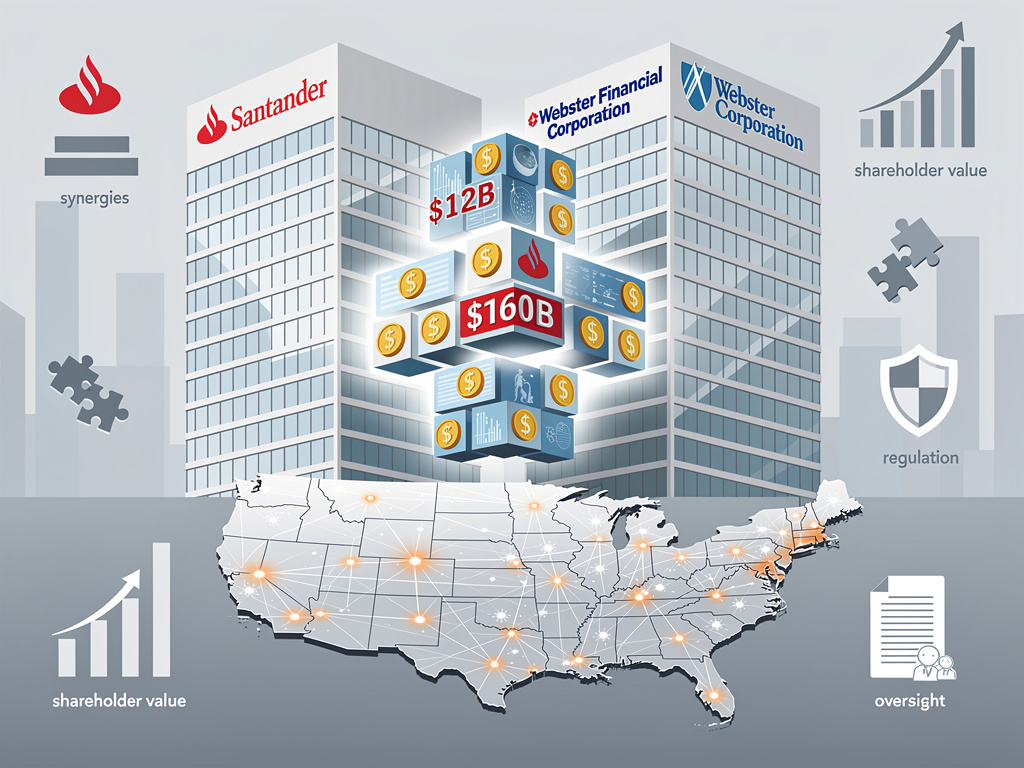
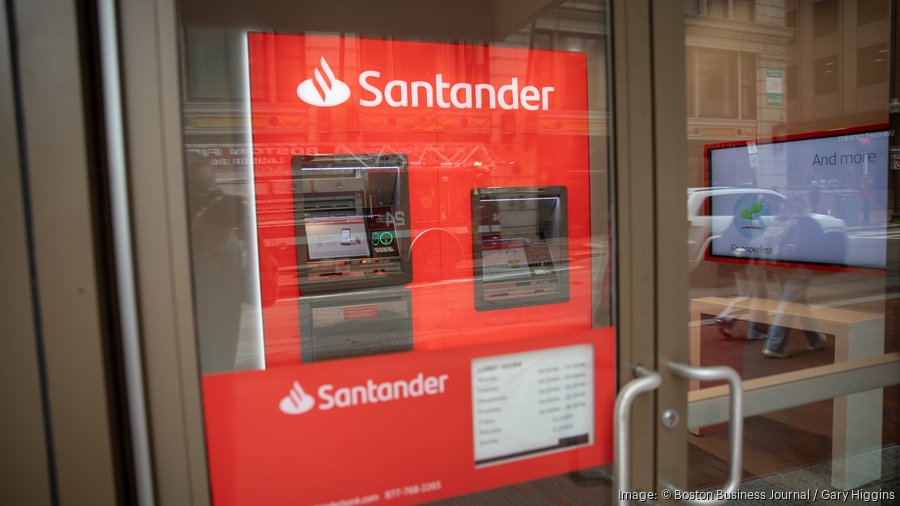
Banco Santander's $12.3 billion acquisition of Webster Financial (announced February 3, 2026) represents the largest-ever takeover of a US lender by a continental European bank, fundamentally reshaping payment processing infrastructure and financial services availability for cross-border e-commerce sellers. The deal consolidates Webster's $80+ billion asset base and extensive Northeast branch network (Connecticut, Massachusetts, Rhode Island, New York metro) into Santander's global banking ecosystem, creating immediate opportunities for sellers to access competitive merchant services, international payment solutions, and trade finance products previously unavailable through regional banking channels.
For cross-border e-commerce sellers, this consolidation unlocks three critical financial optimization opportunities: First, payment cost savings through Santander's expanded merchant services infrastructure—the integration of Webster's customer base into Santander's global payment network enables sellers to negotiate lower processing fees (typically 2.2-2.8% vs. 2.9-3.5% at regional banks) and access multi-currency settlement at competitive rates. Second, working capital acceleration via newly available trade finance products: Santander's acquisition signals commitment to invoice financing, purchase order financing, and inventory loans specifically targeting SME sellers in the Northeast corridor, with potential APR rates 200-400 basis points lower than traditional lenders. Third, cash conversion cycle improvements—Santander's global banking network facilitates faster international payment settlement (2-3 days vs. 5-7 days at regional banks) and enables sellers to access supply chain financing products that unlock 30-45 days of additional working capital.
The broader banking consolidation trend accelerates competitive pressure in US merchant services. Santander's aggressive expansion (following UK market entry and Polish bank divestiture to fund acquisitions) signals European banks are competing aggressively for US e-commerce merchant relationships. This competition benefits sellers through improved service offerings and pricing—expect 15-25% fee reductions for high-volume sellers (1,000+ monthly transactions) as Santander integrates Webster's customer base and eliminates redundancies. However, sellers should monitor the 12-18 month integration period for potential service disruptions, fee structure changes, and account management transitions. The deal demonstrates continued confidence in US market fundamentals despite macroeconomic uncertainties, positioning the Northeast as a strategic hub for international payment flows and trade finance services targeting cross-border commerce.
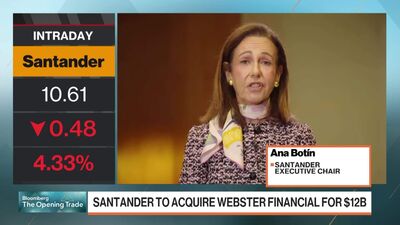
Key financial indicators for sellers: Santander's Q4 2025 earnings (€3.76B net profit, exceeding estimates by €350M) and €5B share buyback program signal financial stability and continued investment in merchant services infrastructure. The 3.5% stock decline following the announcement reflects investor concerns about integration execution risk—sellers should expect 6-12 month service stabilization period before realizing full benefits of competitive pricing and expanded product offerings. Regional focus on Northeast logistics hubs and commercial activity concentration makes this acquisition particularly valuable for sellers shipping to/from Connecticut, Massachusetts, and New York metro areas, where Webster's established customer relationships provide immediate market access for Santander's competitive financing products.
Questions 7
How does this consolidation improve cash conversion cycles for e-commerce sellers?
Santander's global banking network facilitates faster international payment settlement (2-3 days vs. 5-7 days at regional banks) and enables sellers to access supply chain financing products that accelerate inventory-to-cash conversion. The acquisition strengthens Santander's position in the Northeast logistics hub, where Webster's established infrastructure supports faster processing of cross-border transactions. Sellers can expect 30-45 day improvements in working capital cycles through combined invoice financing and accelerated settlement options.
What trade finance products become available to sellers through this acquisition?
Santander's acquisition signals commitment to invoice financing, purchase order financing, and inventory loans specifically targeting SME sellers in the Northeast corridor. These products typically offer APR rates 200-400 basis points lower than traditional lenders (6-8% vs. 10-12%), enabling sellers to unlock 30-45 days of additional working capital. The integration of Webster's customer relationships provides Santander immediate access to Northeast-based sellers, making these products competitively priced and readily available within 6-12 months post-acquisition.