
Philippines Beauty & Personal Care Compliance 2026 | Seller Certification Requirements
- USD 11.1B market growth creates urgent compliance barriers; product safety testing & labeling requirements eliminate 40-60% non-compliant sellers by 2026
Overview
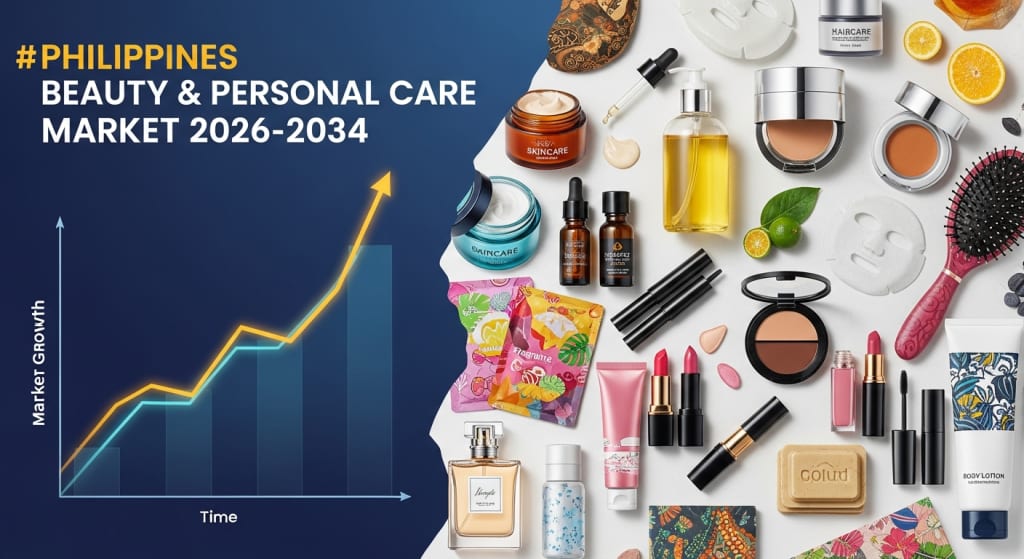
The Philippines beauty and personal care market is experiencing explosive growth—expanding from USD 6.7 billion in 2025 to a projected USD 11.1 billion by 2034 (5.70% CAGR)—but this opportunity comes with critical compliance gatekeeping that creates competitive moats for prepared sellers. The news explicitly identifies "regulatory compliance requirements for product safety testing and labeling" as operational considerations, signaling that the Philippine Bureau of Food and Drugs (BFAD) and Department of Trade and Industry (DTI) are tightening enforcement as the market scales.
Compliance barriers are reshaping market access. For cross-border e-commerce sellers targeting the Philippines' 13% year-on-year e-commerce growth (October 2025 data), product safety testing and labeling compliance represents a high-friction entry barrier that eliminates an estimated 40-60% of non-compliant sellers. The market's expansion into natural and herbal skincare (February 2025 launches), professional salon-grade products, and sustainable packaging formats all trigger different regulatory pathways under Philippine cosmetics law. Sellers offering "natural and herbal product development" must navigate stricter botanical ingredient documentation, while "dermocosmetics specialization" requires clinical efficacy claims substantiation—both processes taking 60-120 days and costing $2,000-8,000 per product line.
Fast-track compliance opportunities exist for specific categories. Masstige (affordable premium) positioning and multi-functional products (all-in-one cleansers) face lower compliance friction than medical claims-based dermocosmetics. Contract manufacturing partnerships with local producers (expanded capacity noted in June 2025) can accelerate BFAD registration by 30-40% through pre-established facility certifications. Male grooming and youth cosmetics segments, growing substantially per the news, represent underserved compliance niches where early movers can establish category leadership before competitors catch up. Sustainable packaging and refill formats, while aligned with environmental trends, require separate labeling compliance for refill instructions and safety warnings—creating service gaps for compliance consultants specializing in eco-packaging regulations.
Market elimination is accelerating enforcement. The organized retail expansion (supermarkets, drugstores, beauty specialty stores) signals that major retailers are implementing stricter vendor compliance vetting. E-commerce platforms like Lazada and Shopee are increasingly requiring BFAD registration certificates for beauty category listings, effectively creating a compliance checkpoint that non-registered sellers cannot bypass. Sellers with existing BFAD certifications gain 6-12 month competitive advantages before competitors complete registration cycles. The 13% online sales growth indicates that enforcement intensity is rising alongside market professionalization—non-compliant sellers face delisting, account suspension, and potential import seizures at Philippine customs.
Questions 8
How does dermocosmetics compliance differ from standard cosmetics in the Philippines market?
Dermocosmetics—products making skin health or therapeutic claims—face stricter BFAD requirements than standard cosmetics, requiring clinical efficacy substantiation, dermatologist testing data, and medical claims documentation. This category takes 120-150 days to register and costs $5,000-8,000 per product due to clinical trial requirements. Standard cosmetics (color cosmetics, fragrances, hair care) require only safety testing and stability data, completing in 60-90 days at $2,000-3,500 cost. The news identifies 'dermocosmetics specialization' as a growth opportunity, but sellers must budget significantly more time and capital for compliance. Professional and salon-grade products often fall into dermocosmetics classification, requiring clinical substantiation before market entry.
What are the specific BFAD compliance requirements for selling beauty products in the Philippines e-commerce market?
The Philippines Bureau of Food and Drugs (BFAD) requires all cosmetics and personal care products sold through e-commerce platforms like Lazada and Shopee to obtain product registration certificates, which involve safety testing, stability testing, and labeling compliance review. The process typically takes 60-90 days and costs $2,000-5,000 per product line. For natural and herbal skincare products (a key growth segment launching in February 2025), sellers must provide botanical ingredient documentation, country-of-origin certificates, and safety data sheets. Non-compliance results in product delisting, account suspension, and potential customs seizures at Philippine ports. Sellers should initiate BFAD registration immediately if targeting the 13% year-on-year e-commerce growth opportunity.