




Diplomatic Chess: Russia's Strategic Prisoner Negotiation with France
- Escalating Geopolitical Tensions Reshape International Research and Diplomatic Engagement
























Overview
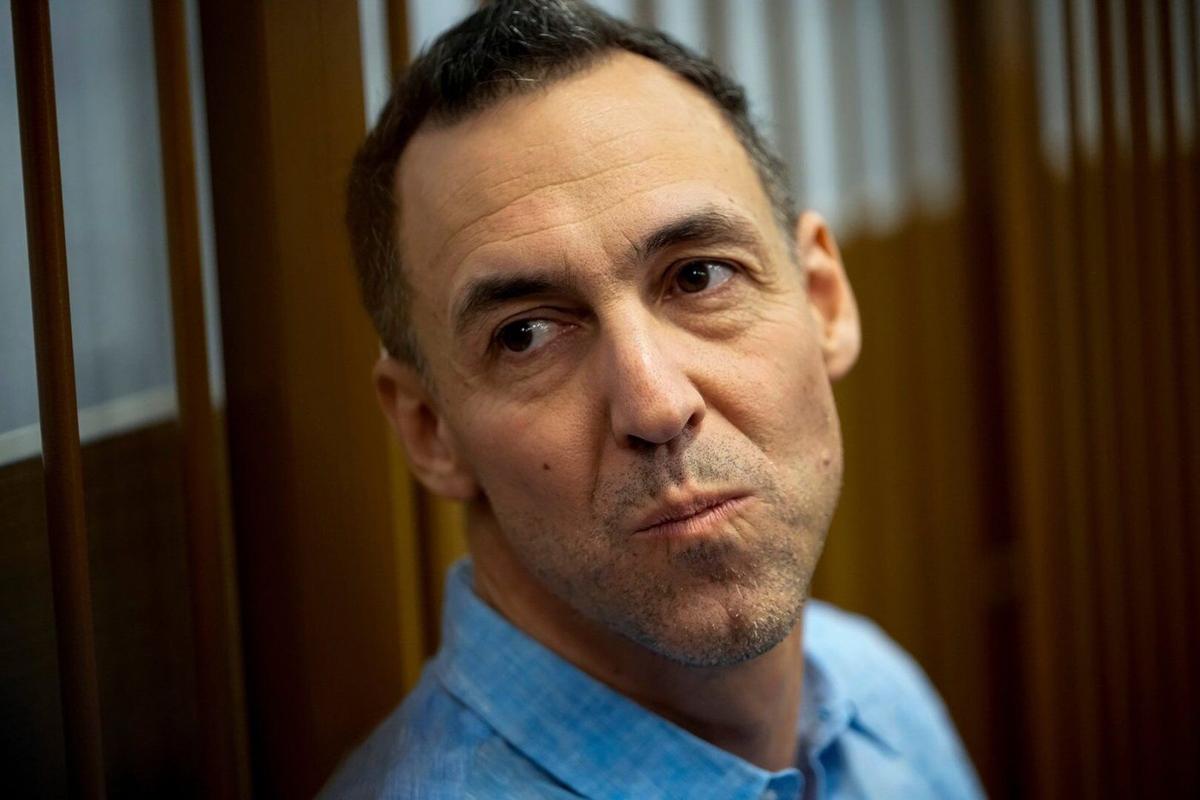
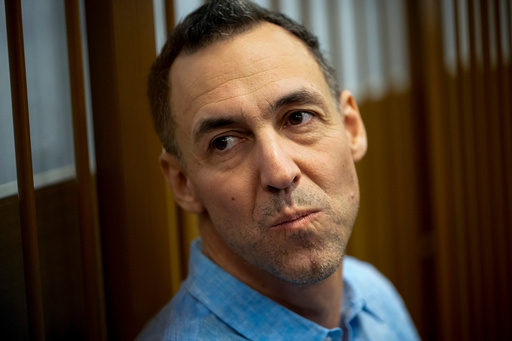
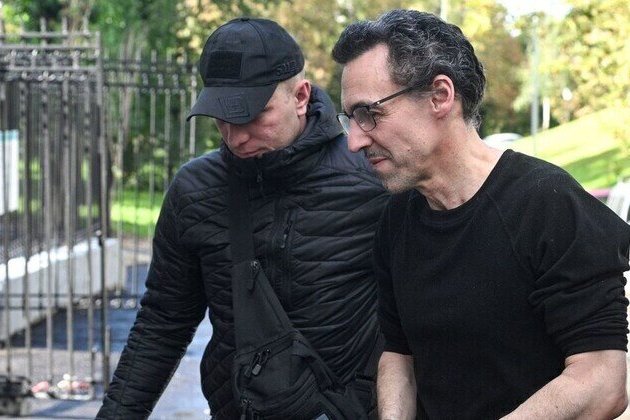
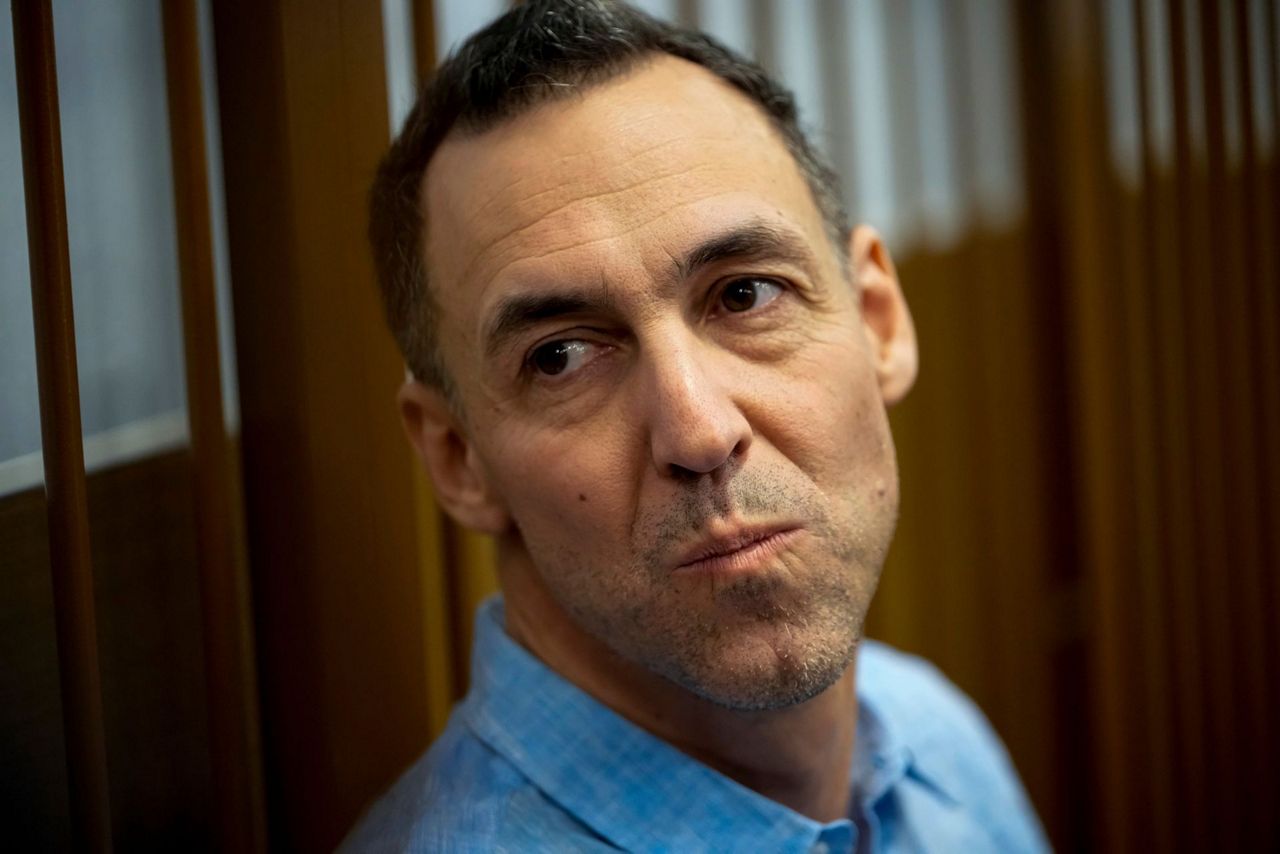
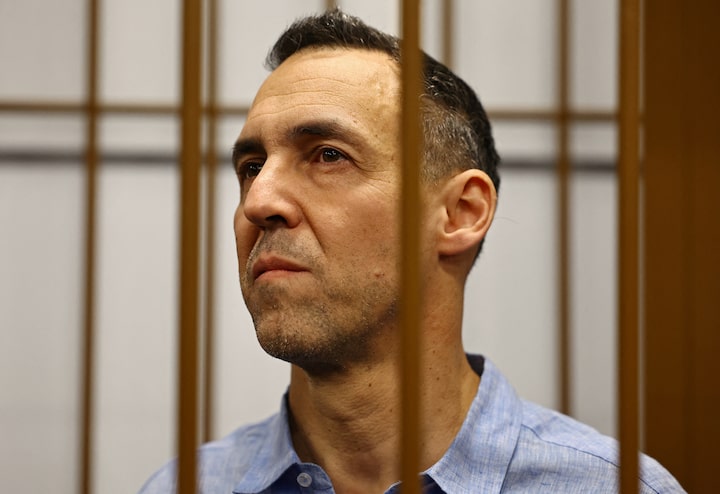
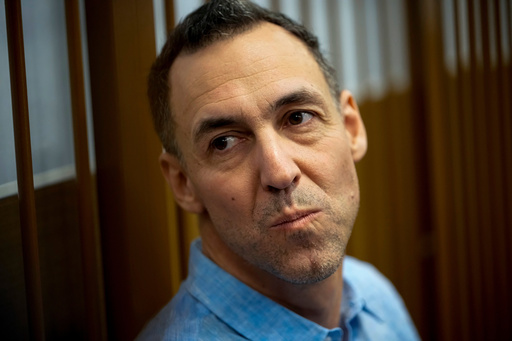
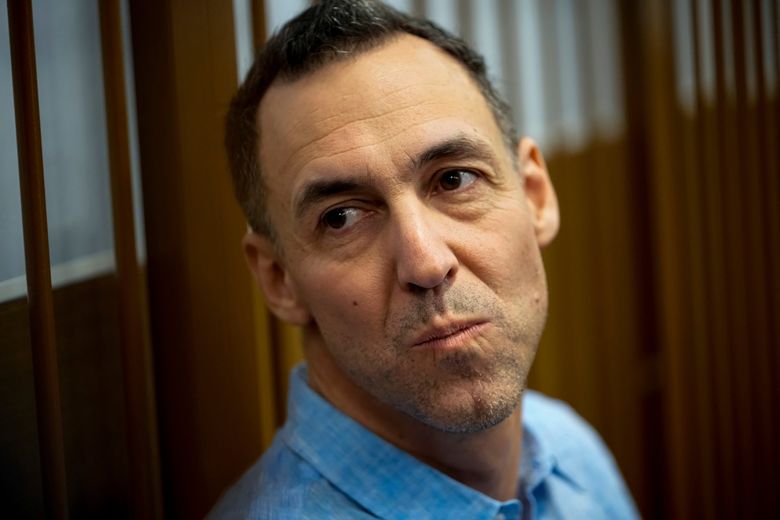
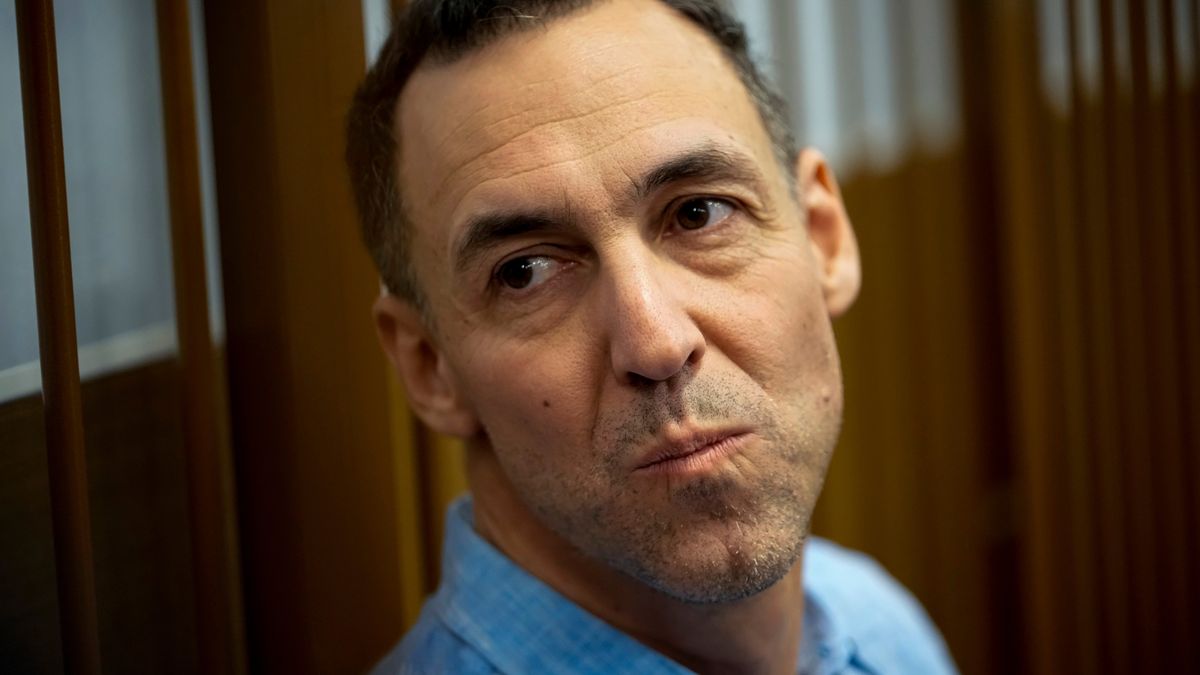
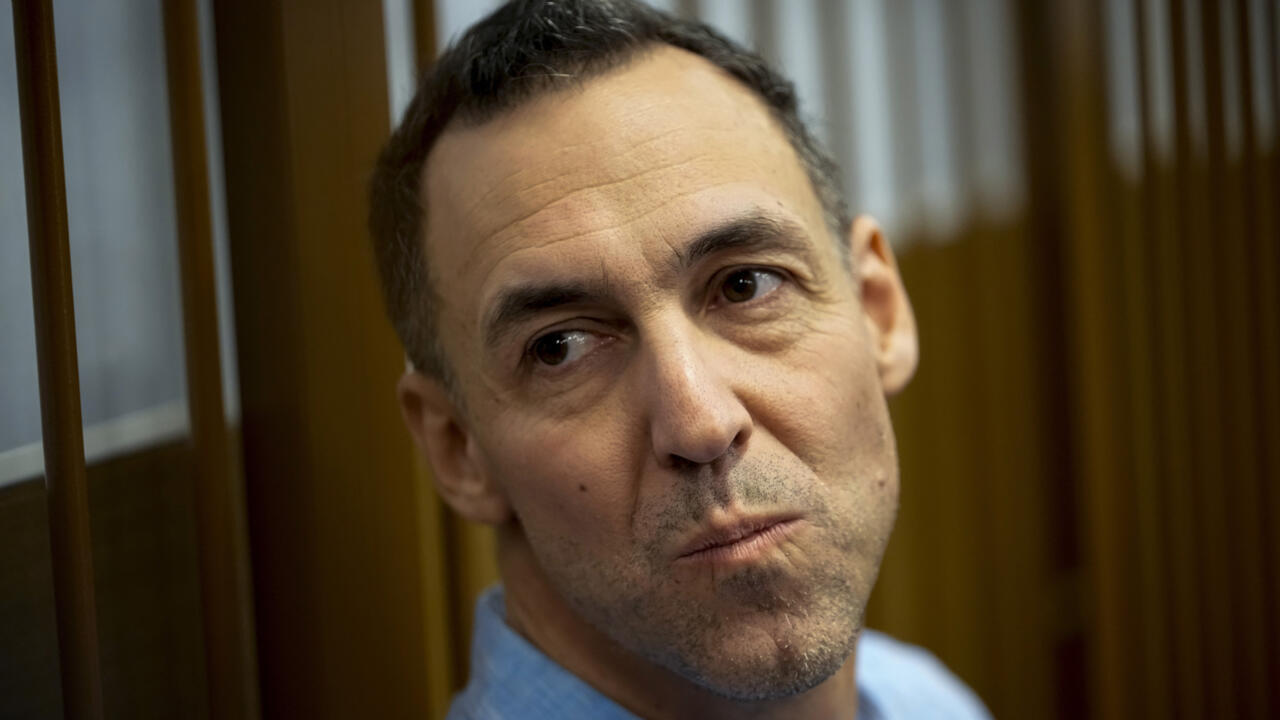
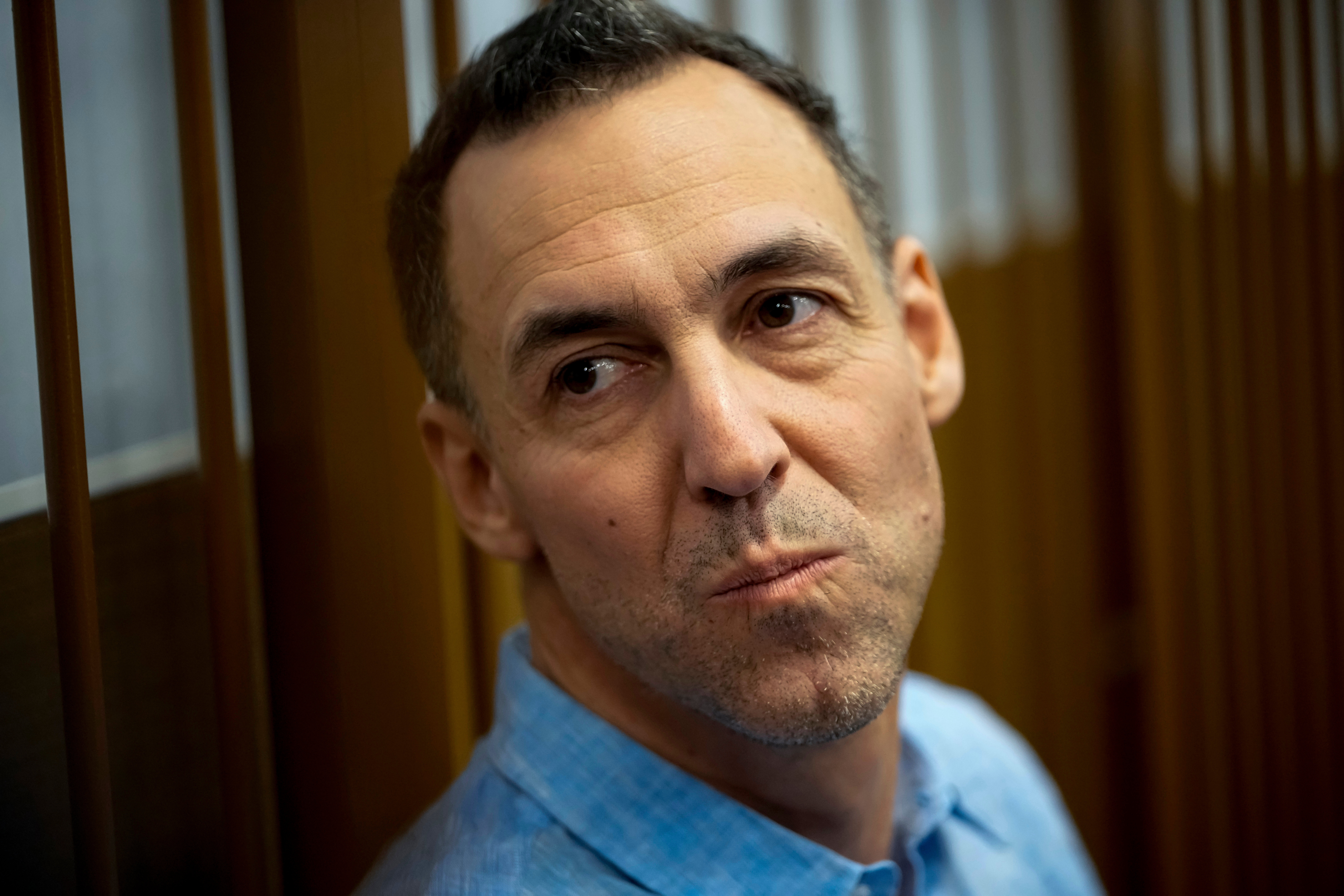
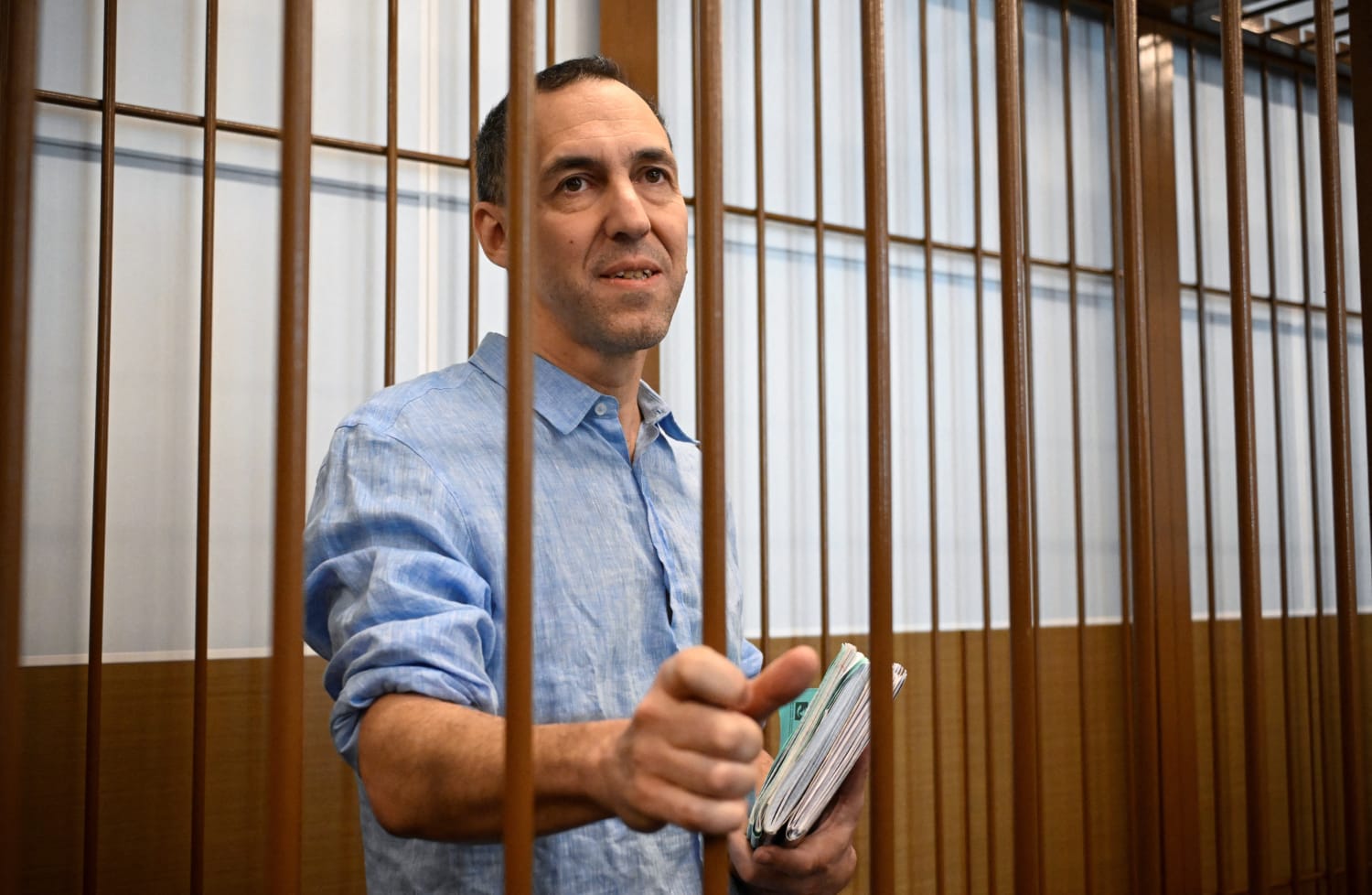
Diplomatic negotiations between Russia and France have entered a complex new phase, centered around the detention of Laurent Vinatier, a French researcher whose imprisonment reveals the intricate geopolitical maneuvering in the post-Ukraine conflict landscape. The Kremlin's unexpected diplomatic overture signals a calculated strategy of using individual cases as broader negotiation leverage.
The Vinatier case represents a critical inflection point in international research mobility, where geopolitical tensions transform routine academic and humanitarian work into potential high-stakes diplomatic incidents. Vinatier, initially sentenced to three years for administrative violations, now faces potential espionage charges that could extend his imprisonment to 20 years. This escalation is not merely a legal matter but a strategic signal from Moscow about its approach to foreign researchers operating in sensitive regions.
Russia's legal mechanism of "foreign agent" registration has become a powerful diplomatic tool, allowing selective enforcement that creates significant vulnerability for international professionals. The Kremlin's public statement about making a "proposal" to France suggests this is less about Vinatier's specific actions and more about creating diplomatic pressure points. Kremlin spokesman Dmitry Peskov's carefully worded communication indicates a deliberate approach to negotiation, where the researcher becomes a potential bargaining chip in broader geopolitical tensions.
For international organizations and researchers, this development demands a fundamental reassessment of operational protocols in geopolitically sensitive environments. The implications extend far beyond Vinatier's individual case, signaling a new era of heightened legal and diplomatic risk for cross-border professional engagement. Organizations must now develop more sophisticated compliance and risk management strategies that anticipate potential state-level legal manipulations.
The broader context reveals a continuing pattern of diplomatic tension management through individual case leverage, where prisoner exchanges and strategic detentions become alternative diplomatic negotiation mechanisms. This approach reflects the complex, multi-dimensional nature of current international relations, where traditional diplomatic channels are increasingly supplemented by more nuanced, case-specific interventions.
Questions 3
How might this case impact international research and NGO operations in Russia?
The Vinatier case signals a high-risk environment where routine research activities can be reframed as national security threats. International organizations will likely implement more stringent pre-deployment risk assessments, enhanced legal protections, and potentially reduce operations in politically sensitive regions.
What are the key legal risks for international researchers working in geopolitically sensitive regions?
Researchers face increasing vulnerability to 'foreign agent' registration laws, potential espionage allegations, and strategic detentions. Organizations must develop robust compliance protocols that anticipate selective legal enforcement and potential diplomatic leverage scenarios.