


Strategic Escalation: Ukraine's Precision Strikes Reshape Energy Warfare Dynamics
- Geopolitical Tensions Trigger Transformative Military and Economic Disruptions



















Overview
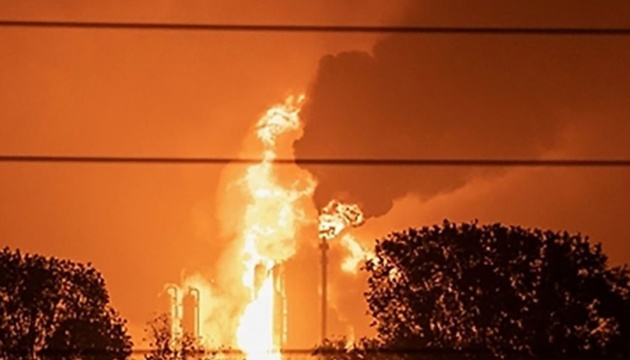
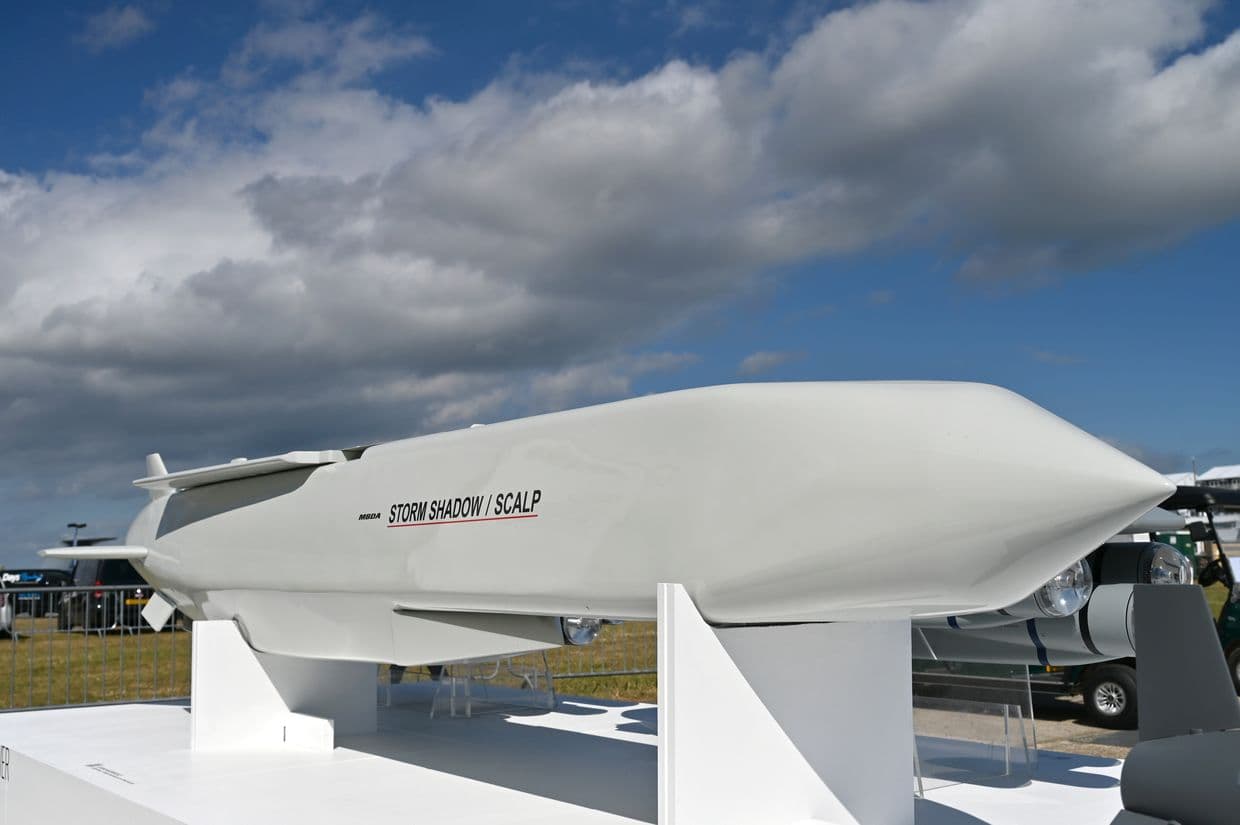
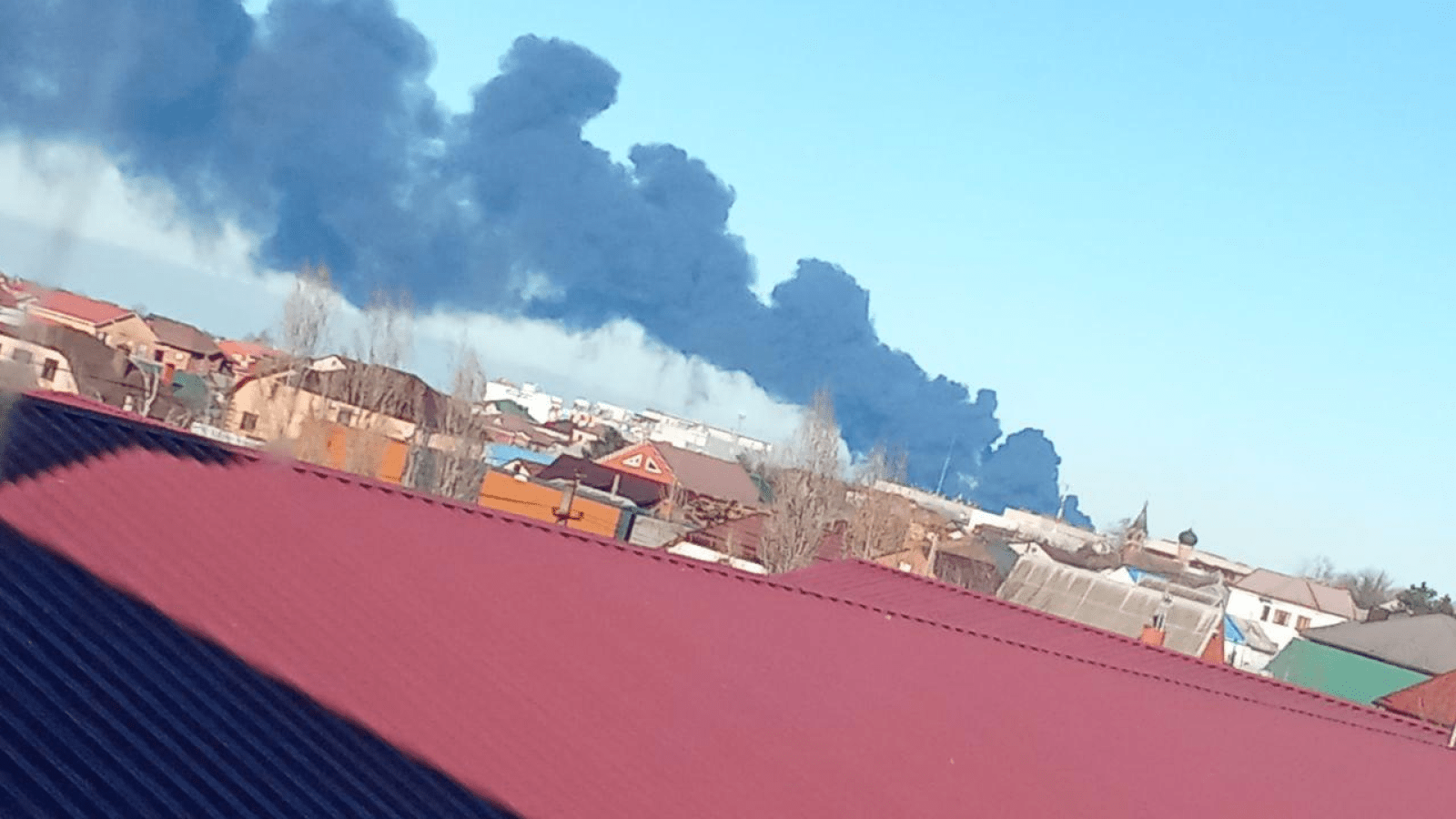
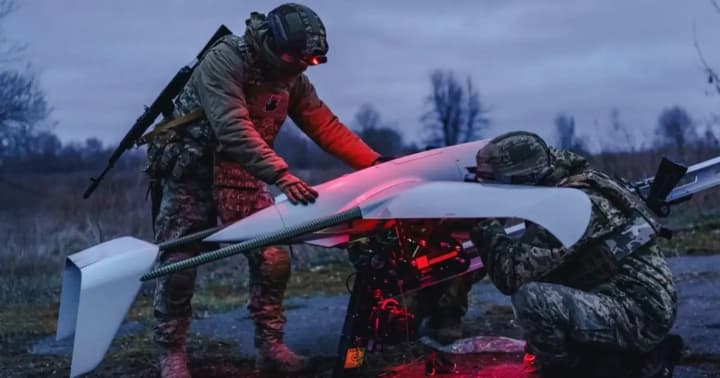
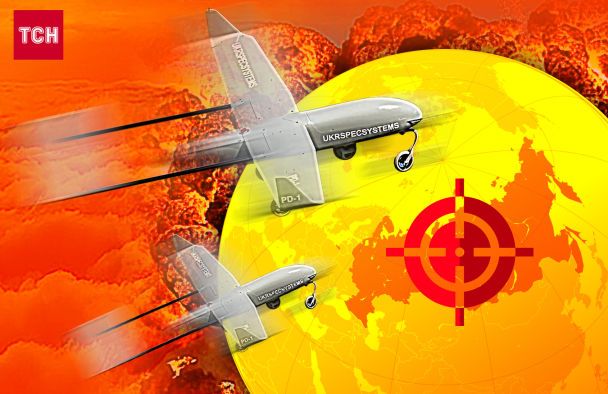
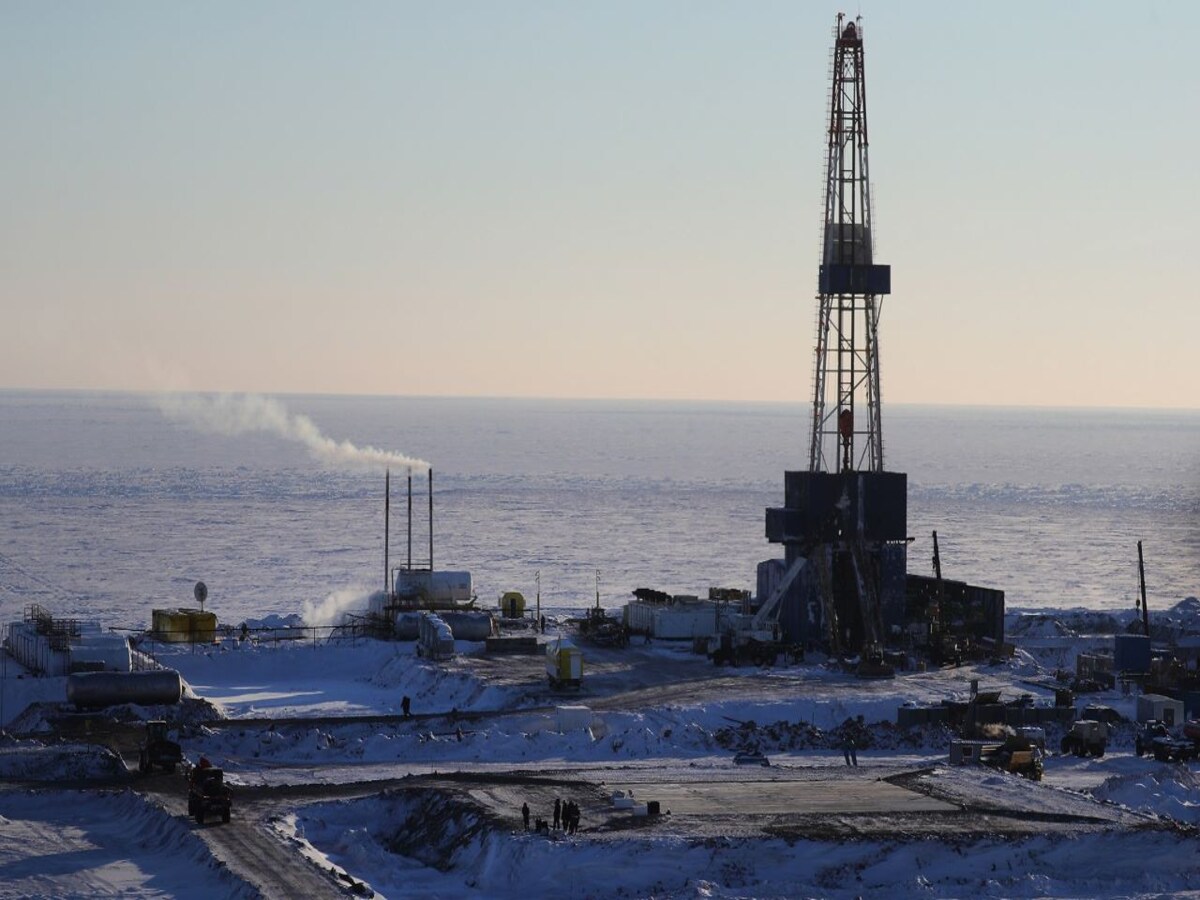
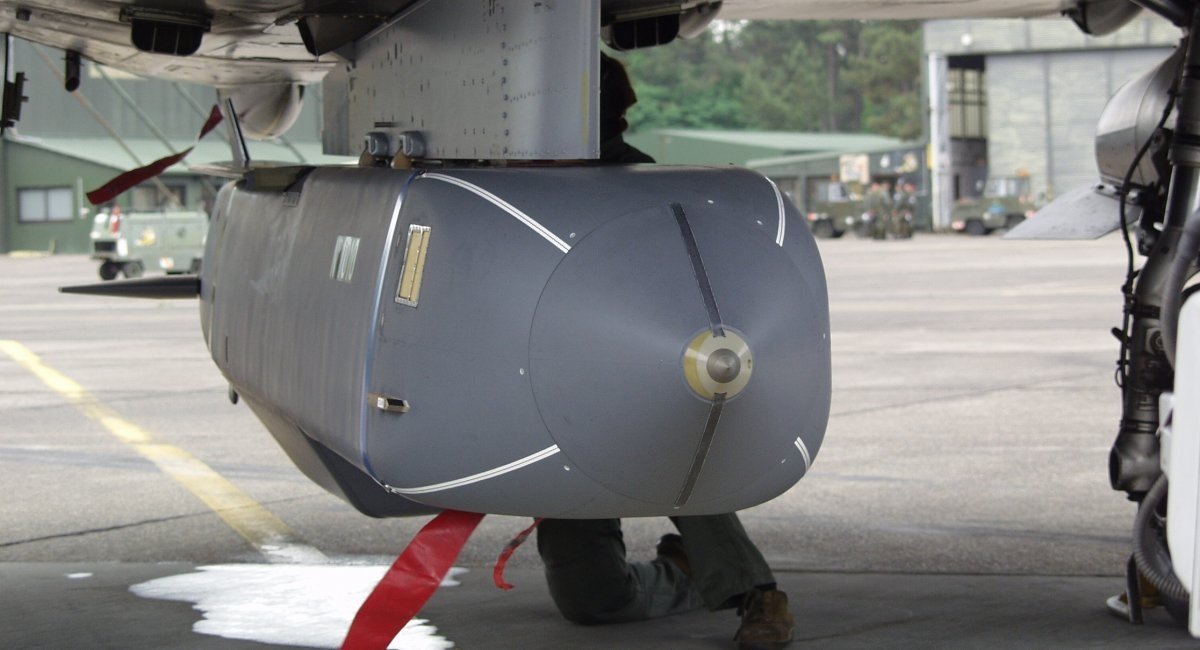
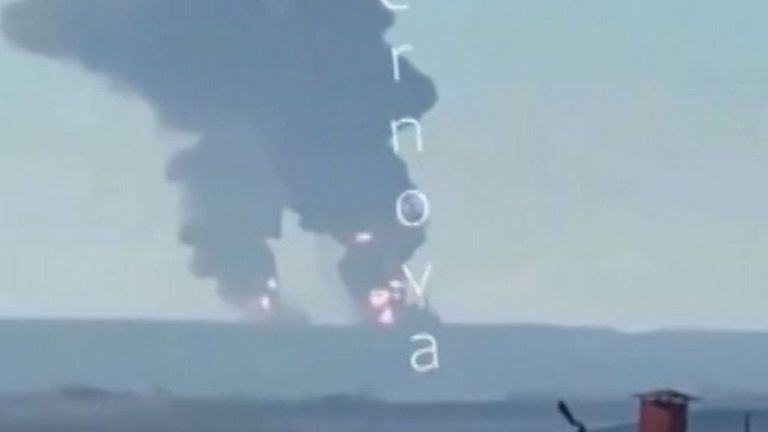
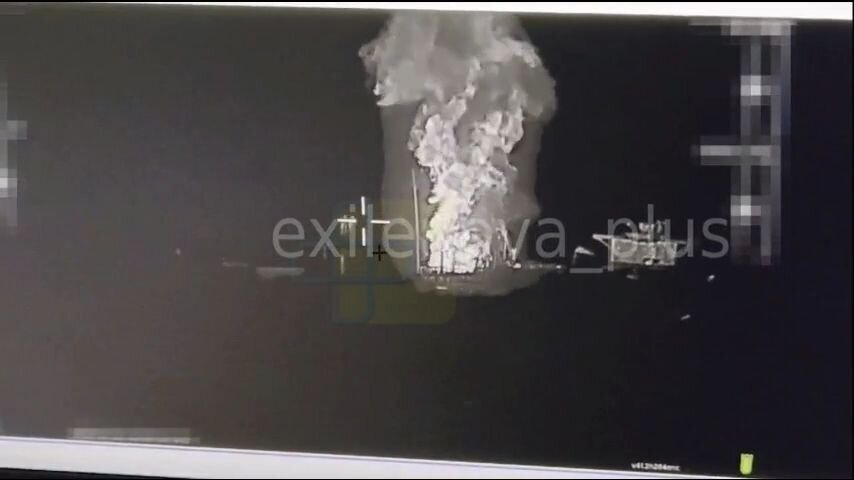
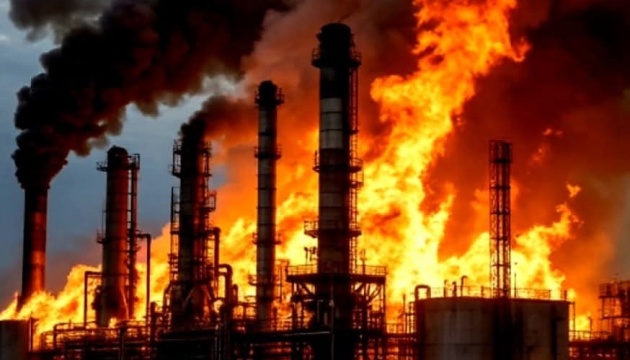
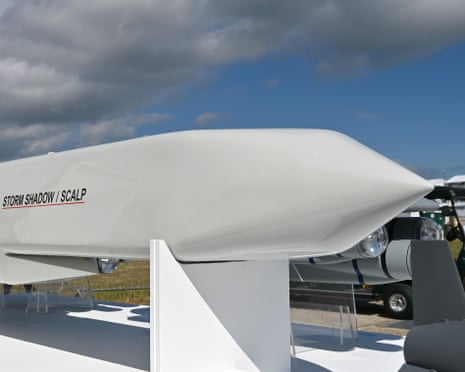
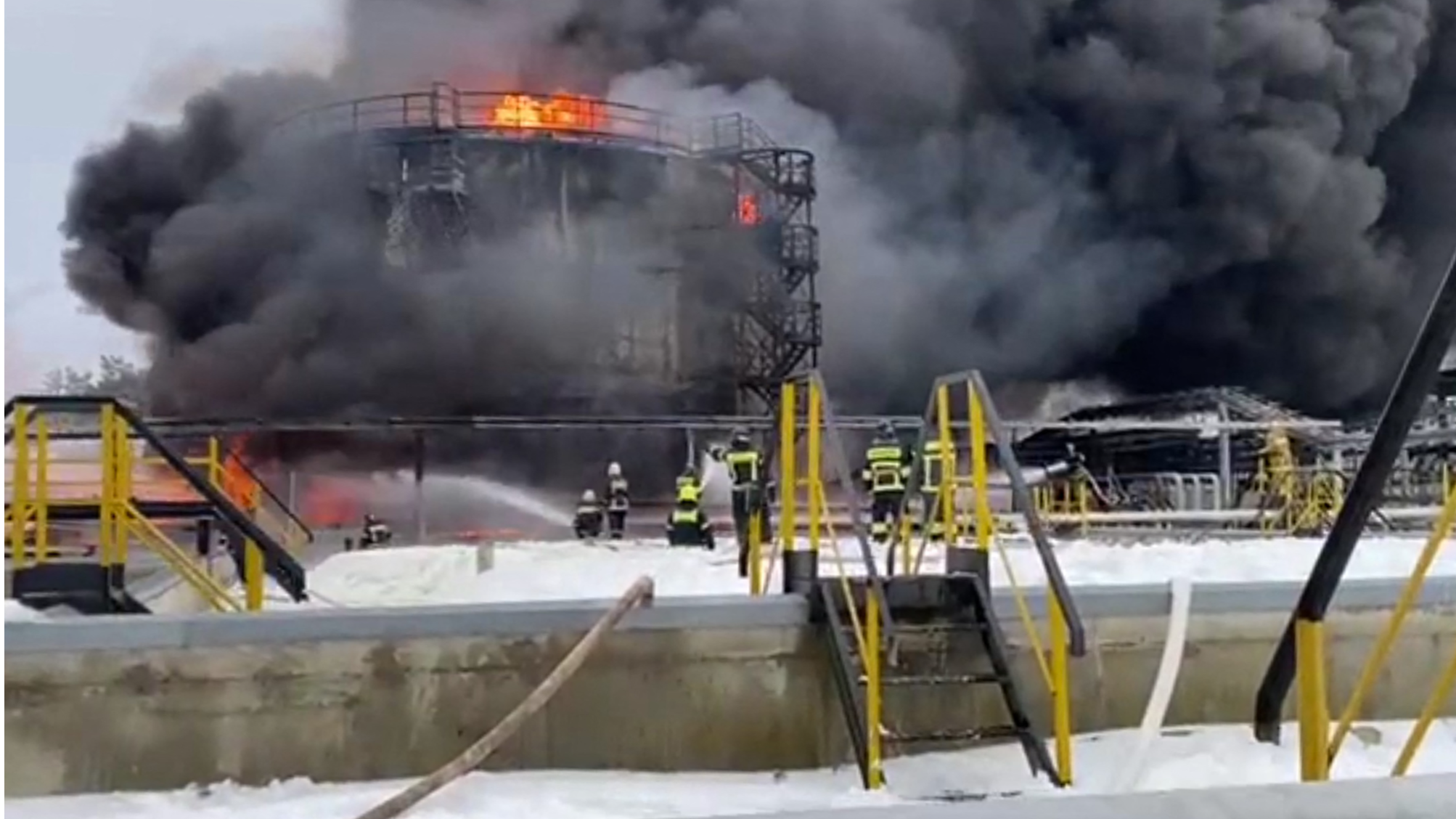
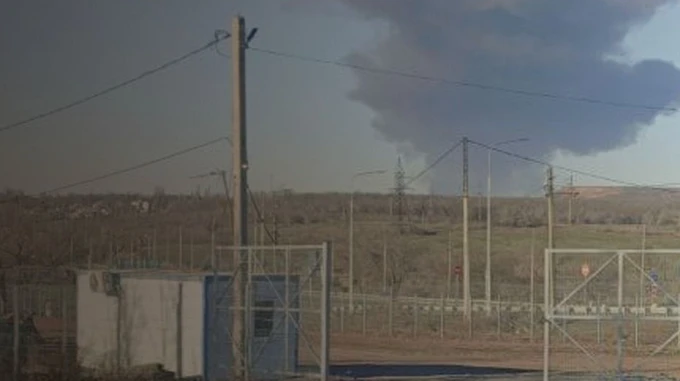
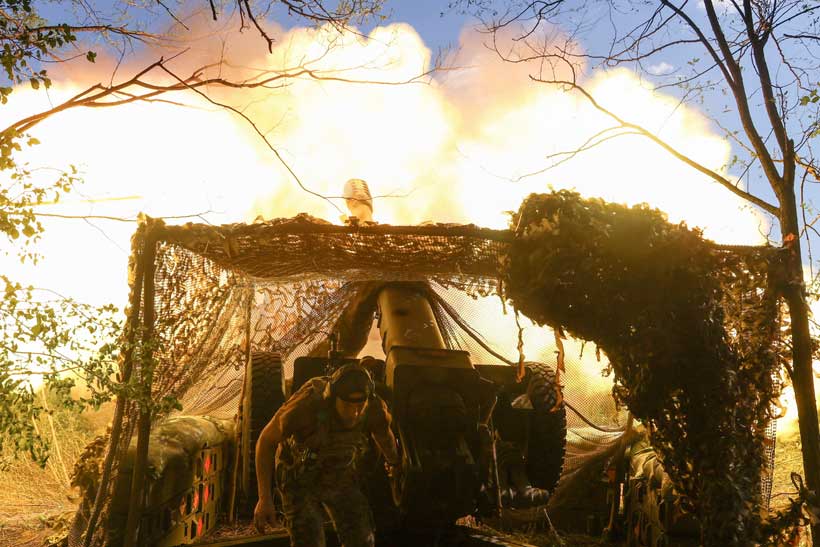
The Ukraine-Russia conflict has entered a critical phase of strategic precision warfare, with recent attacks revealing profound implications for global energy infrastructure and cross-border commercial landscapes. On December 26, Ukrainian forces executed a sophisticated offensive using British-made Storm Shadow missiles and advanced drone technologies, targeting critical Russian oil facilities in Novoshakhtinsk and Temryuk, demonstrating unprecedented long-range strike capabilities.
Technological Warfare Evolution: The precision strikes against Russian energy infrastructure represent more than traditional military engagement. By targeting oil refineries spanning approximately 2,000 square meters, Ukraine is strategically disrupting Russia's military supply chains. The use of Storm Shadow missiles—high-precision British-supplied weapons—signals a significant technological leap, transforming the conflict from territorial contestation to strategic infrastructure targeting.
Economic Warfare Dimensions: These attacks carry substantial economic implications beyond immediate military objectives. The targeted destruction of oil storage tanks and refineries directly impacts Russia's energy export capabilities, potentially accelerating economic pressure from existing international sanctions. For global businesses, particularly those in cross-border e-commerce and logistics, these developments underscore the critical need for adaptive risk management strategies in geopolitically volatile regions.
Geopolitical Signaling: The timing of these attacks during the Christmas period, coupled with Ukrainian President Volodymyr Zelenskyy's diplomatic negotiations with international envoys, suggests a calculated approach to maintaining international attention and support. The conflict has expanded from traditional military confrontation to a complex arena of technological demonstration, economic pressure, and strategic communication.
Supply Chain Implications: Energy infrastructure attacks create ripple effects across global logistics networks. Cross-border sellers must now factor in heightened transportation route volatility, potential fuel surcharge increases, and the need for diversified logistics strategies. The conflict zones in Eastern European markets demand unprecedented levels of operational flexibility and risk mitigation.
The evolving landscape demands that businesses and policymakers recognize this conflict as a multidimensional challenge—where military technology, economic strategy, and geopolitical positioning converge in increasingly sophisticated and interconnected ways.
Questions 3
How do these precision strikes impact global energy markets?
The targeted attacks on Russian oil refineries create significant disruptions in energy supply chains, potentially increasing global oil prices and forcing strategic recalibrations in energy procurement. By targeting critical infrastructure, Ukraine demonstrates an ability to inflict economic pressure beyond traditional military confrontation.
What technological capabilities do these attacks reveal about modern warfare?
The use of Storm Shadow missiles and advanced drone technologies demonstrates a shift towards precision infrastructure targeting. Modern warfare increasingly emphasizes technological sophistication, long-range strike capabilities, and strategic economic disruption over traditional territorial conquest.