


Eastern European Trade Tensions: Navigating Geopolitical Airspace Risks
- Escalating Regional Conflicts Reshape Cross-Border E-Commerce Strategies for Sellers



















Overview
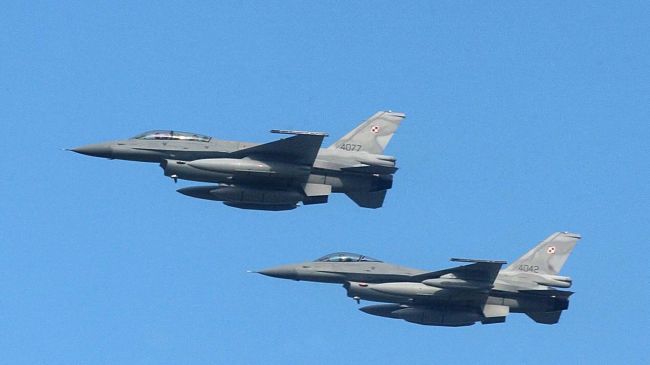
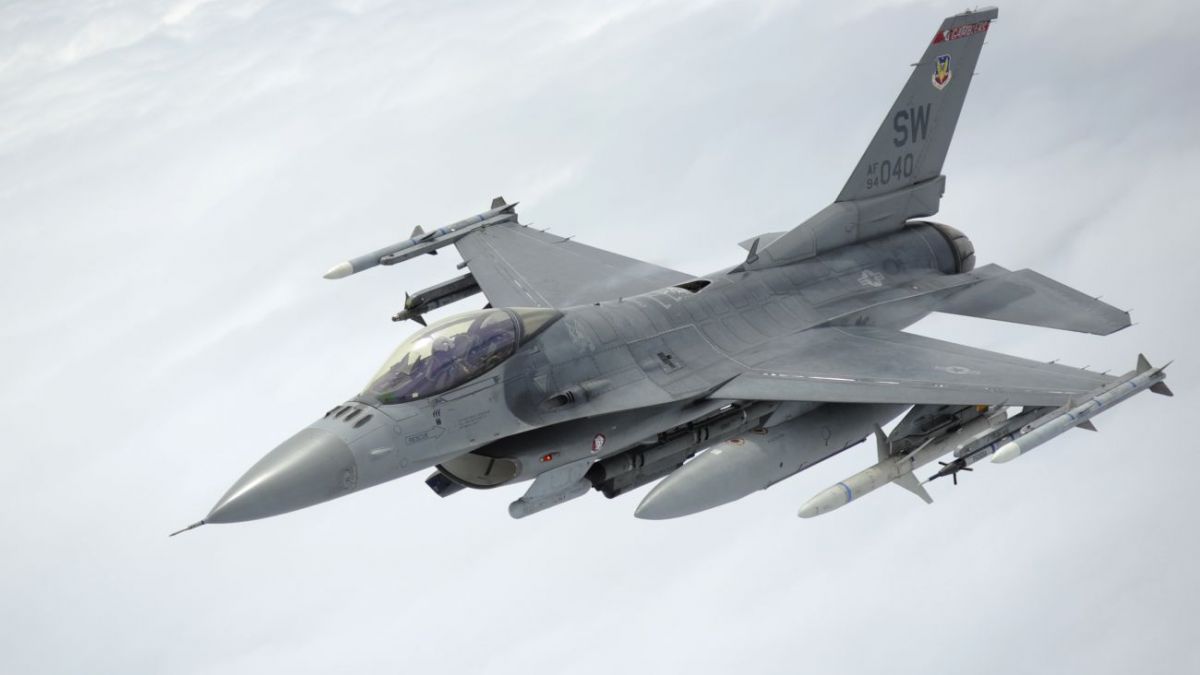
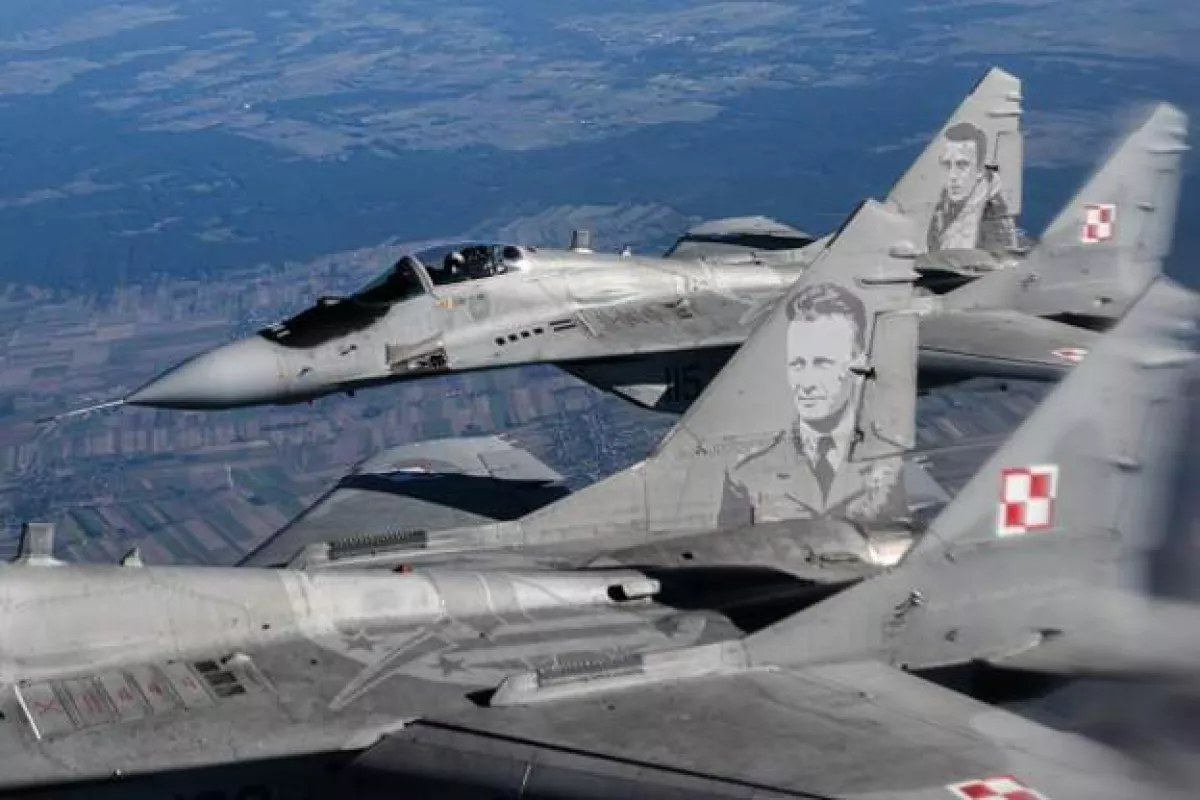
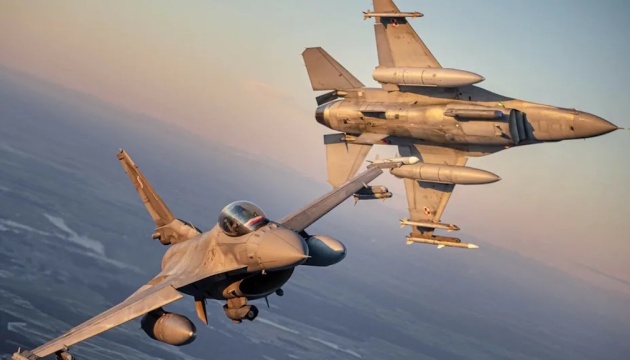
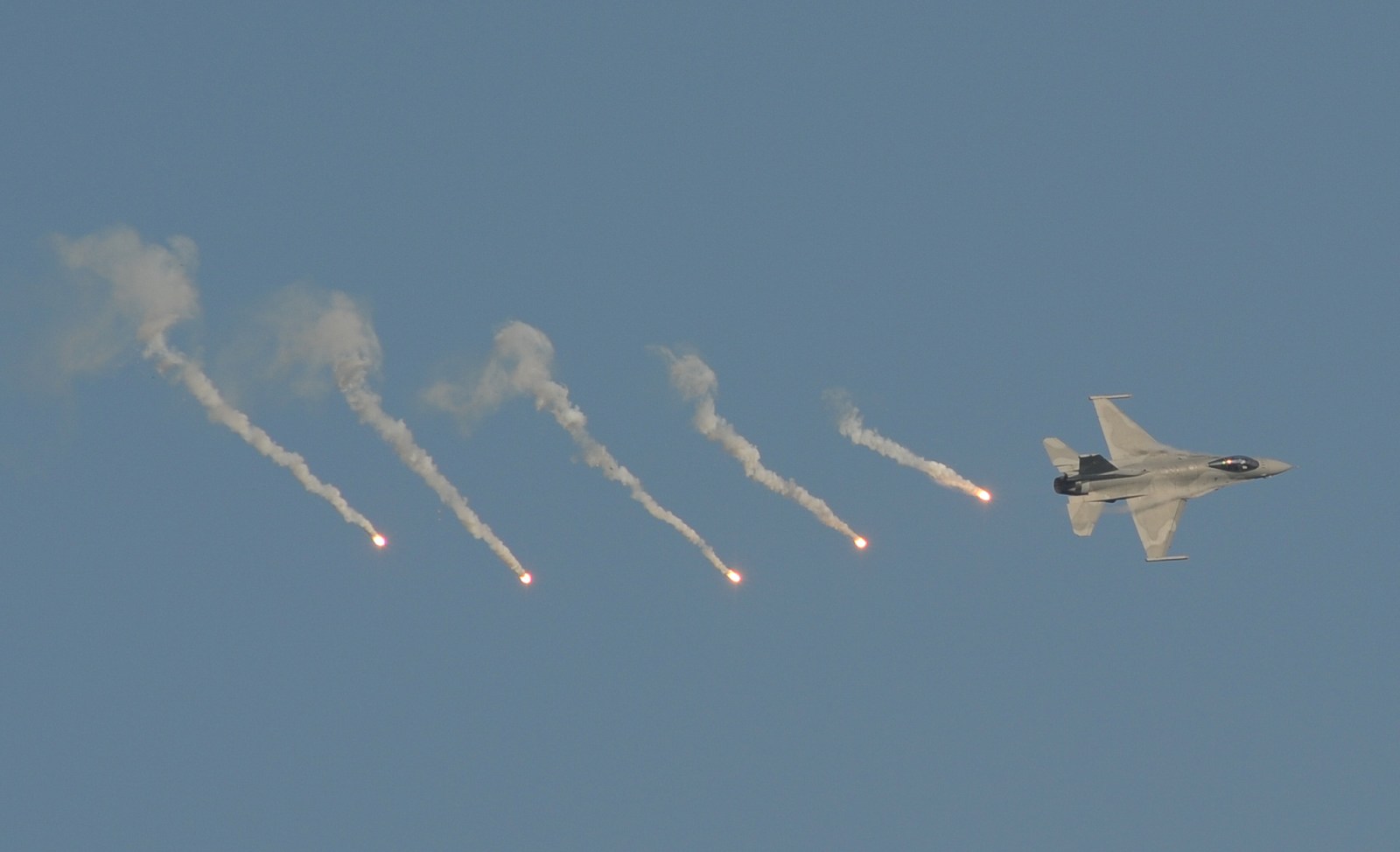
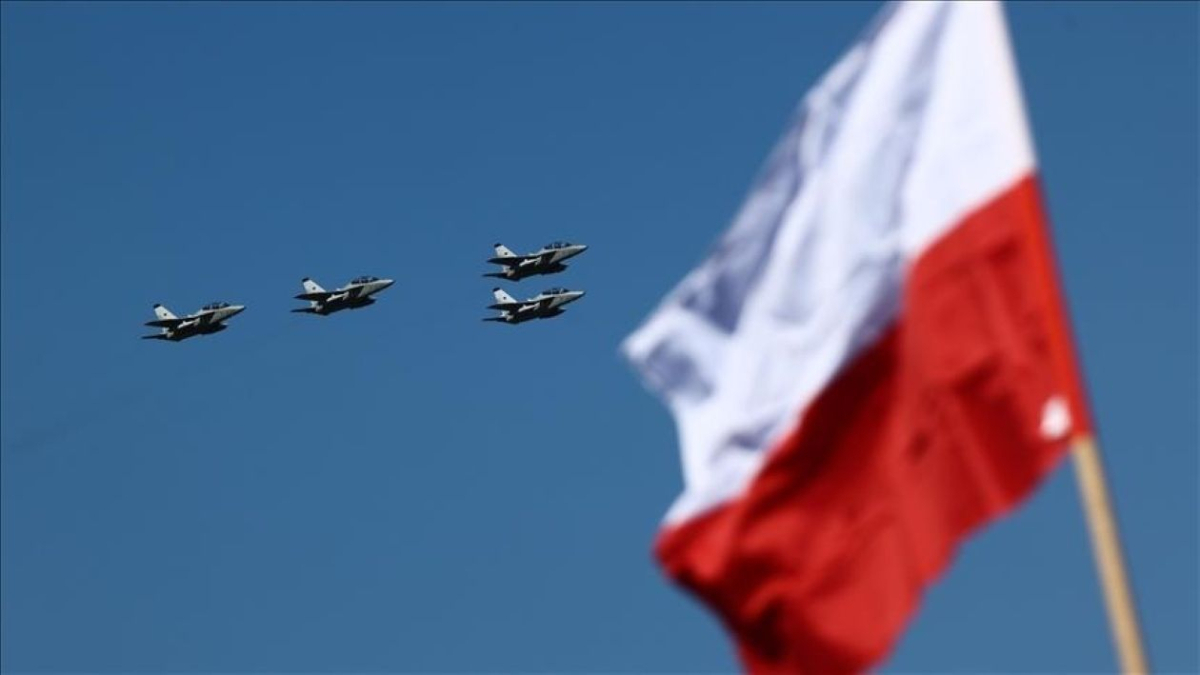
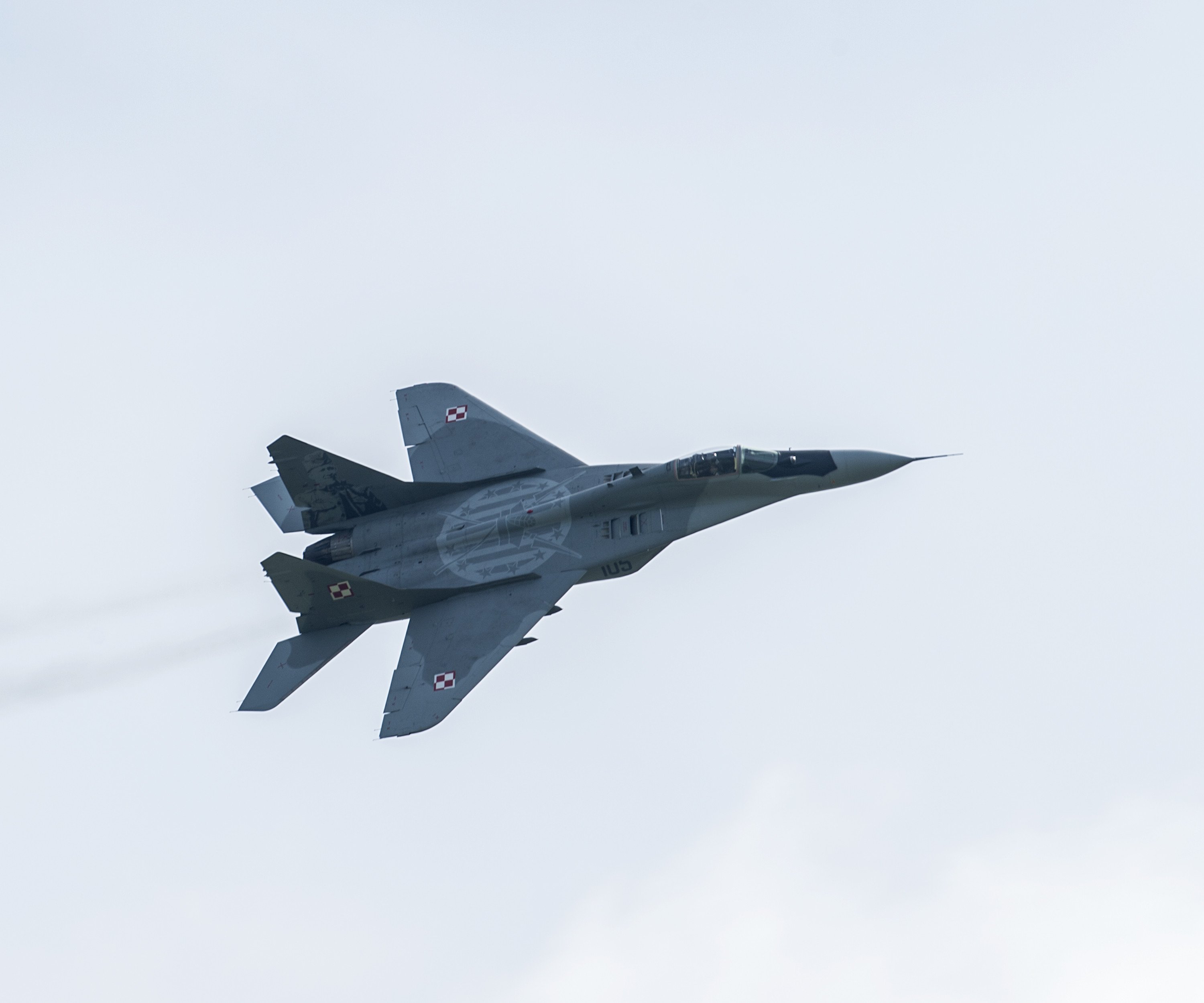
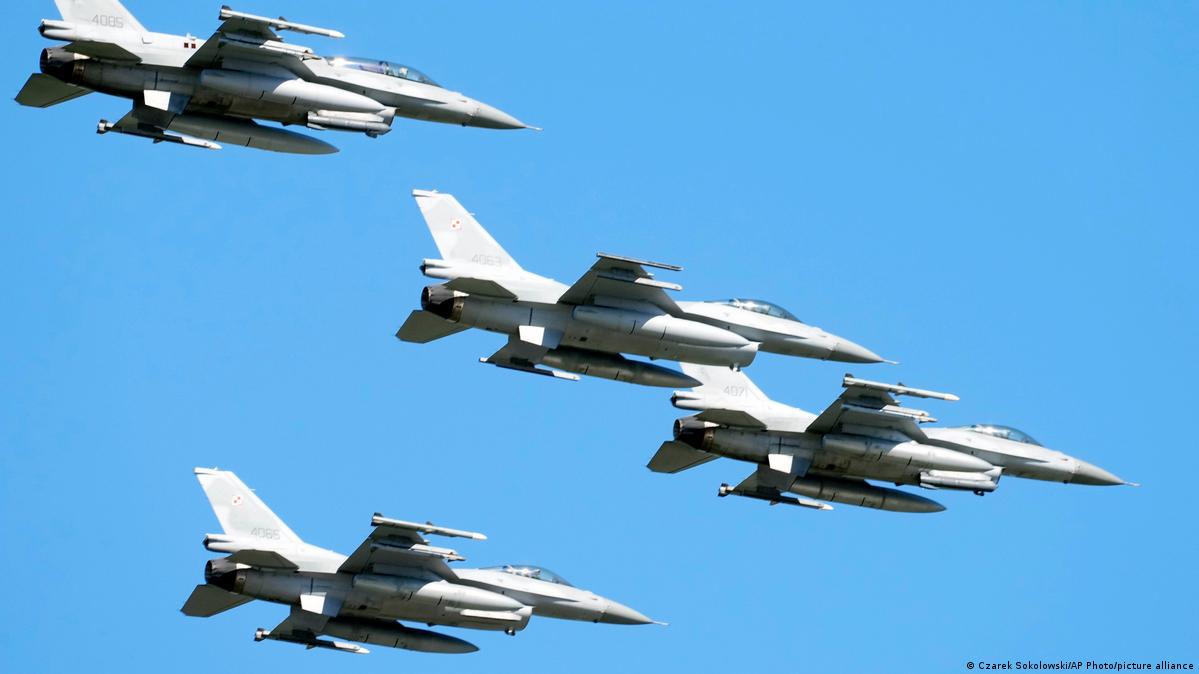
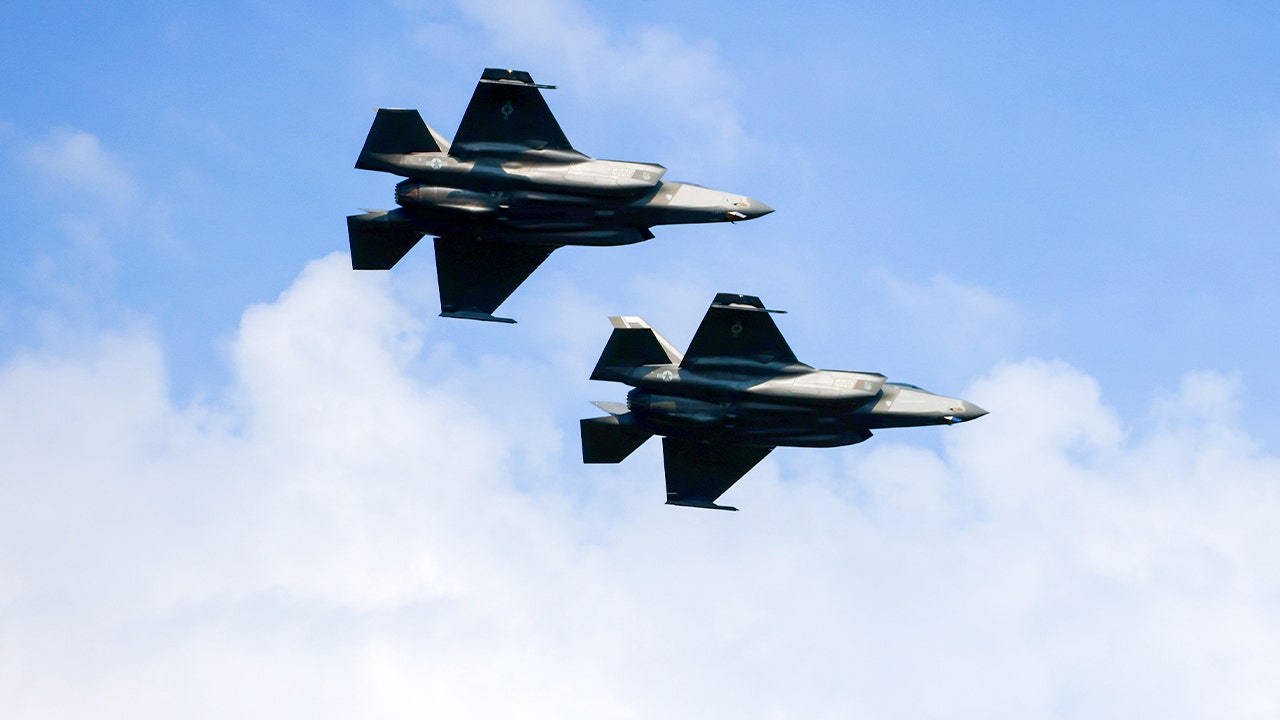
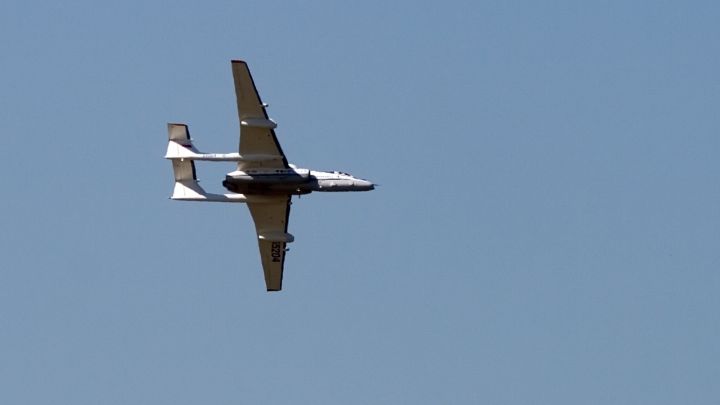
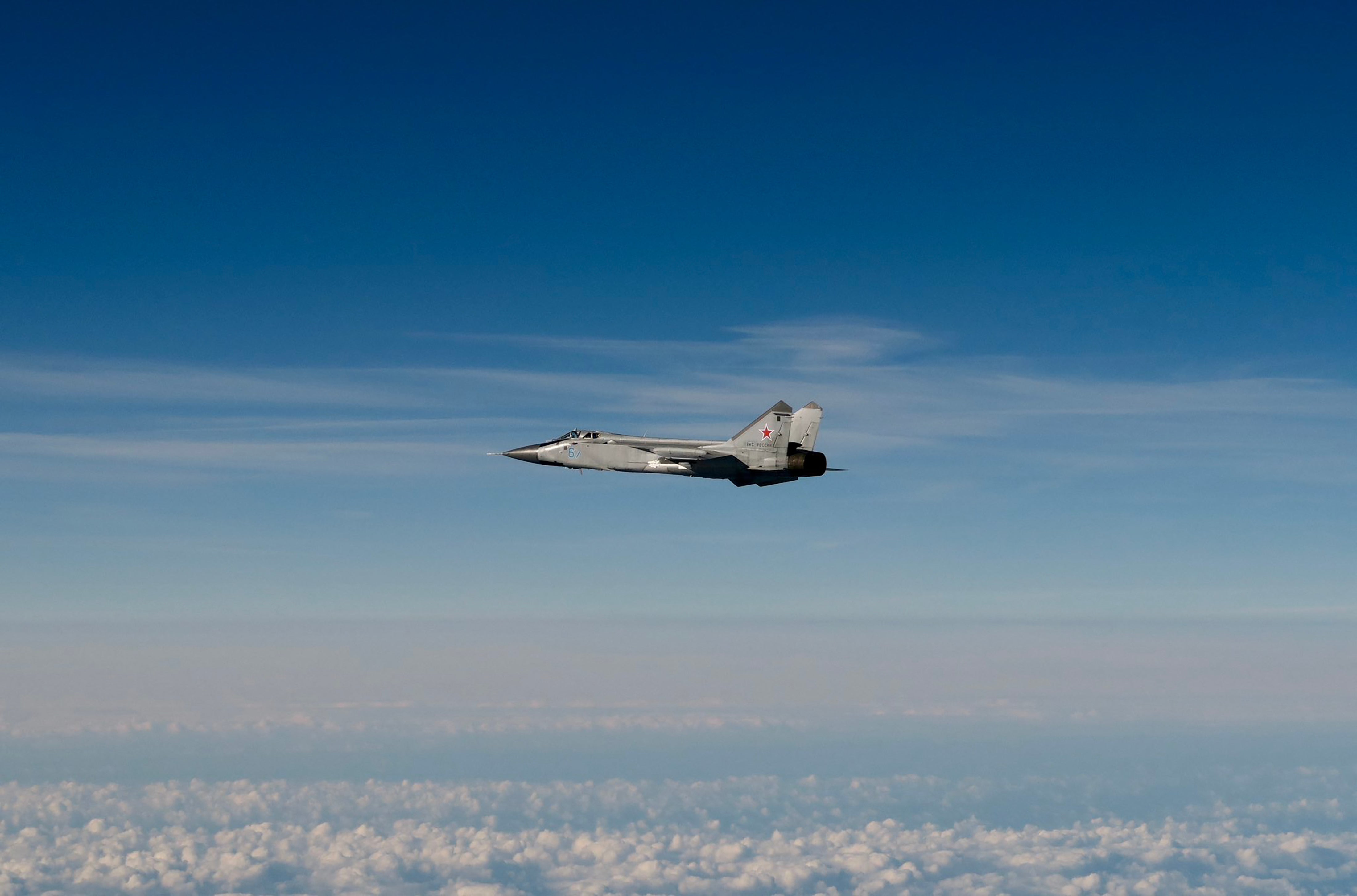
The geopolitical landscape of Eastern Europe has transformed into a high-stakes chess match, with airspace intrusions and strategic reconnaissance becoming critical indicators of emerging trade risks. On December 25, 2025, Poland's military intercepted a Russian reconnaissance aircraft near the Baltic Sea, symbolizing a broader pattern of escalating regional tensions that directly impact cross-border e-commerce infrastructure.
Geopolitical risk management has become more than a strategic option—it's now a survival imperative for international sellers. The temporary closure of airspace over the Podlaskie Voivodeship region demonstrates how rapidly geopolitical events can disrupt logistics and transportation networks. These aren't isolated incidents, but part of a systematic hybrid warfare strategy involving contraband-carrying weather balloons and strategic aerial probing that threatens international trade routes.
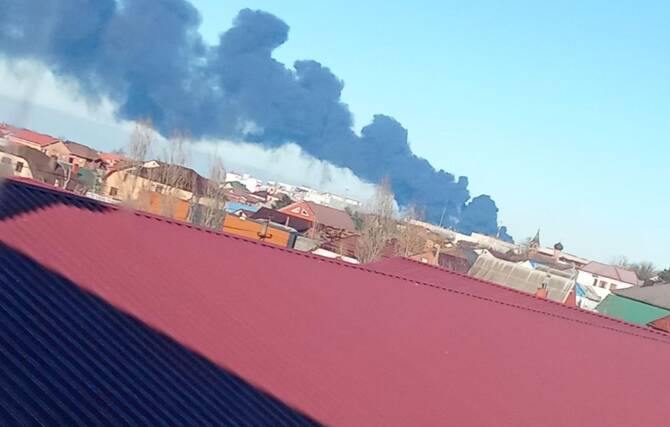
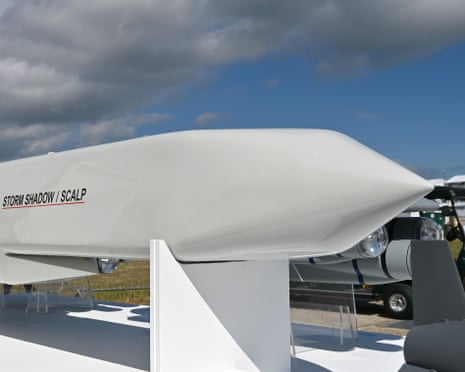
The Ukrainian military's targeted strikes using British Storm Shadow missiles against Russian oil infrastructure further underscore the volatility of the region. For cross-border e-commerce sellers, this translates into an urgent need for adaptive strategies. Companies must develop robust contingency plans that include alternative routing, enhanced security protocols, and flexible supply chain configurations. The ongoing tensions between Russia, Ukraine, and NATO countries create a complex operational environment where traditional risk assessment models quickly become obsolete.
Economic implications extend beyond immediate logistics challenges. The EU's expanded sanctions against Belarus and ongoing economic pressures on Russia are reshaping regional trade dynamics. Sellers must now view Eastern European markets through a lens of continuous uncertainty, where geopolitical developments can instantaneously transform operational landscapes. The ability to rapidly reconfigure supply chains, leverage alternative transportation routes, and maintain real-time situational awareness has become a critical competitive advantage.
Ultimately, these developments signal a fundamental shift in cross-border commerce: from a model of predictable international trade to one of constant adaptation and strategic agility. Sellers who can navigate this complex geopolitical terrain—transforming potential disruptions into operational opportunities—will emerge as the new leaders in international e-commerce.
Questions 3
How can businesses mitigate geopolitical risks in their international trade strategies?
Successful mitigation involves maintaining multiple logistics pathways, investing in real-time intelligence gathering, developing agile supply chain configurations, and creating robust risk assessment frameworks that can quickly adapt to changing geopolitical landscapes.
What specific risks should e-commerce sellers be aware of in the region?
Key risks include sudden airspace restrictions, potential smuggling balloon interventions, military reconnaissance activities, and rapidly changing trade sanctions. Sellers should prepare contingency plans that allow for quick supply chain reconfiguration and alternative transportation routes.