


Institutional Transformation: The Church of England's Pivotal Leadership Moment
- Navigating Social Divisions and Institutional Credibility in an Era of Profound Change












Overview
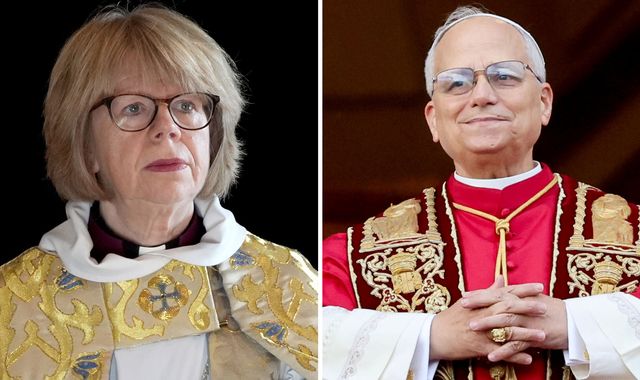
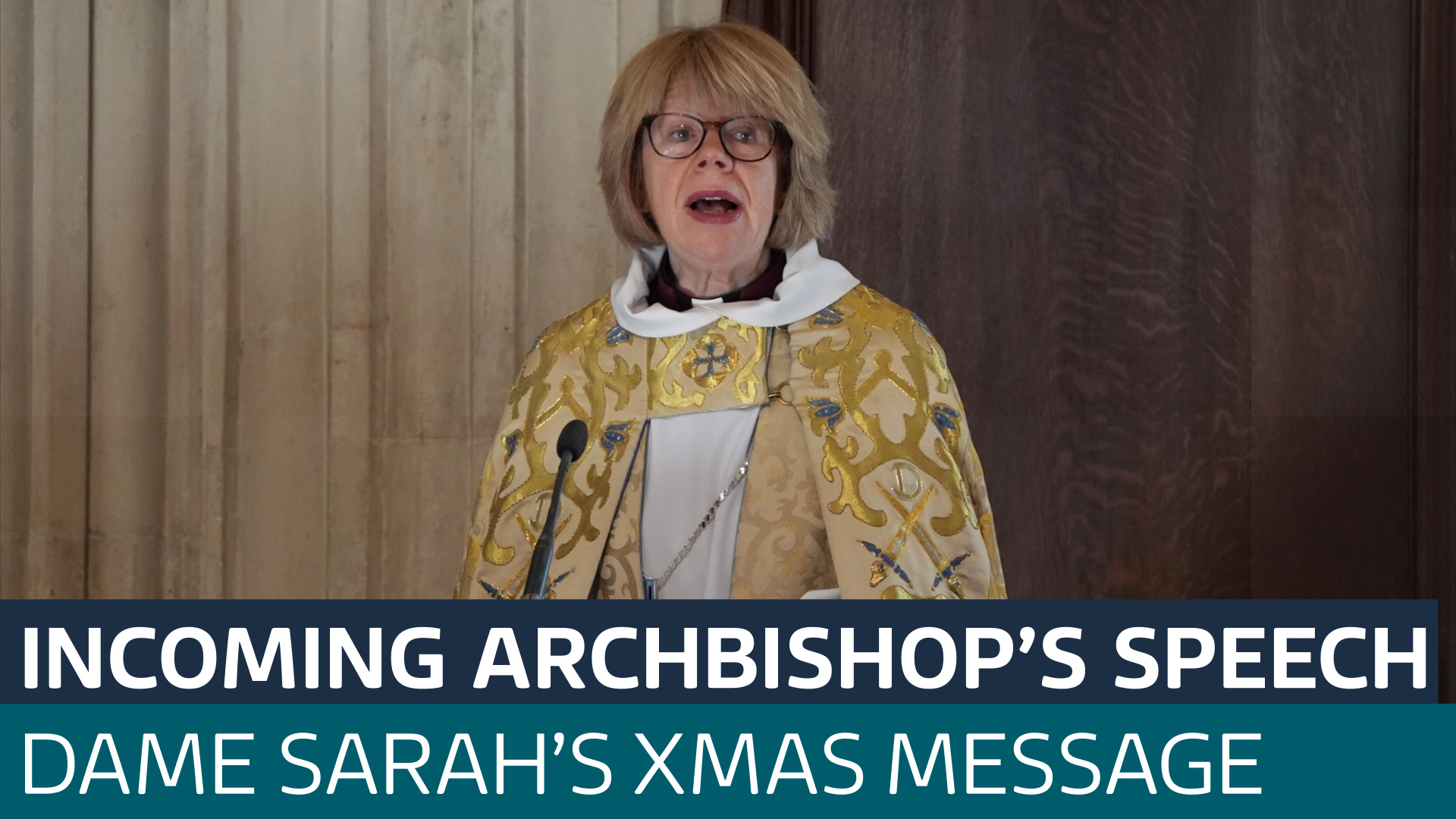
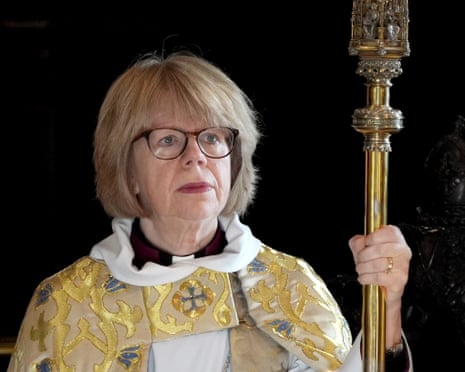
The Church of England stands at a critical inflection point, embodying the broader societal tensions of contemporary institutional leadership. With Dame Sarah Mullally preparing to become the first woman Archbishop of Canterbury in January 2026, the institution faces unprecedented challenges that extend far beyond ecclesiastical boundaries.
Institutional Recalibration emerges as the defining narrative. Mullally inherits a deeply fractured organization wrestling with multiple existential challenges: internal doctrinal conflicts over same-sex blessings, historical sexual abuse scandals, and the broader social polarization surrounding immigration debates. Her appointment represents more than a leadership transition—it signals a potential strategic reset for an institution struggling to maintain relevance in a rapidly transforming social landscape.
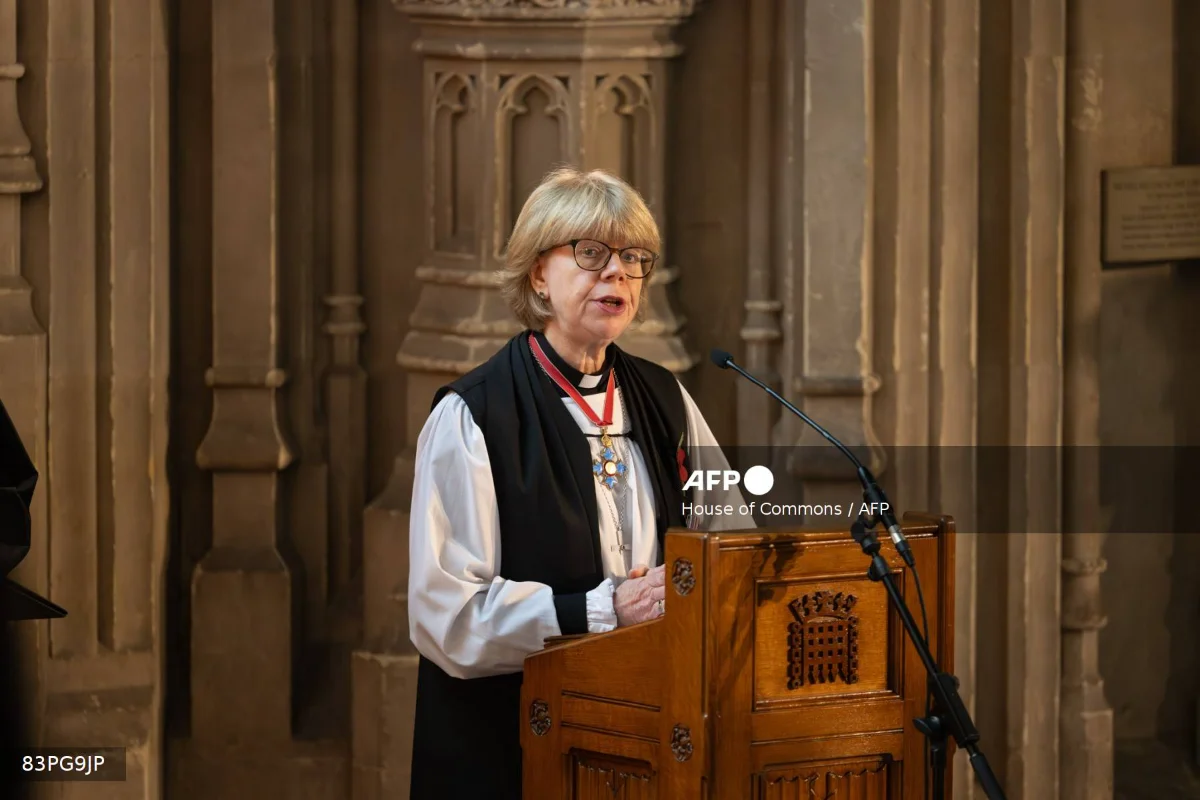
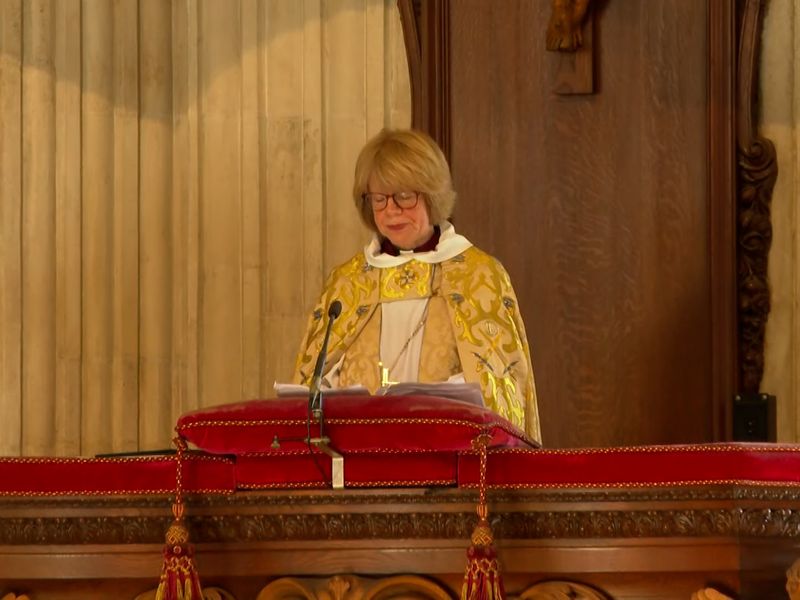
The immigration discourse serves as a critical lens into these broader challenges. Mullally's Christmas sermon explicitly highlighted the divisive nature of migration debates, calling for national unity and compassion. This rhetorical stance is particularly significant against the backdrop of rising anti-immigration sentiments, exemplified by the growing support for the far-right Reform party. Her approach suggests a nuanced leadership strategy: addressing institutional divisions through empathetic, bridge-building rhetoric.
The church's internal dynamics mirror broader societal transformations. The 2023 General Synod's contentious vote on same-sex blessings reveals deep ideological fractures, with conservative evangelical churches threatening to withdraw cooperation if progressive policies advance. This microcosm reflects larger cultural struggles between traditional interpretations and progressive inclusivity.
For cross-border stakeholders and institutional observers, Mullally's leadership represents a critical case study in navigating complex organizational challenges. Her reputation for pragmatic problem-solving will be tested against the backdrop of maintaining unity across a global communion of approximately 85 million members spread across 165 countries. The stakes extend beyond ecclesiastical politics—her approach could provide a template for leadership in increasingly polarized institutional environments.
Questions 3
How might Mullally's leadership impact the Church of England's future?
Her pragmatic approach and emphasis on unity suggest a potential strategy of bridging ideological divides. By advocating for compassion in immigration debates and addressing internal conflicts, she might help the church adapt to changing social dynamics while preserving institutional cohesion.
What are the key challenges facing the new Archbishop of Canterbury?
Dame Sarah Mullally faces multiple critical challenges: managing deep internal divisions over same-sex blessings, addressing historical sexual abuse scandals, maintaining institutional unity across a global communion, and navigating complex social debates around immigration and inclusivity.