


Ukraine's Southern Front Crumbles as Russia Escalates Strategic Offensive
- Geopolitical Uncertainty Intensifies with Potential Breakthrough in Zaporizhzhia Region










Overview
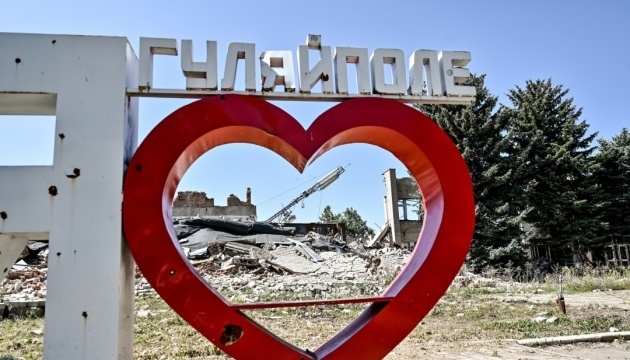
The Ukrainian conflict has reached a critical inflection point, with Russian military operations revealing a calculated strategy to systematically dismantle Ukraine's territorial defenses in the southern region. The ongoing battle for Hulyaipole, a strategically pivotal city in the Zaporizhzhia region, represents more than a localized skirmish—it symbolizes a broader geopolitical chess match with profound implications for regional stability.
Strategic Territorial Erosion: Russia's military campaign demonstrates a methodical approach to territorial expansion. With approximately two dozen combat clashes daily in Hulyaipole and a calculated offensive advancing up to six miles in farmlands, the Russian military is executing a precise strategy of incremental territorial gains. The U.S.-based Institute for the Study of War confirms this pattern, noting that Russia has captured 1,802 square miles of Ukrainian territory in the past year—an area equivalent to Anchorage, Alaska.
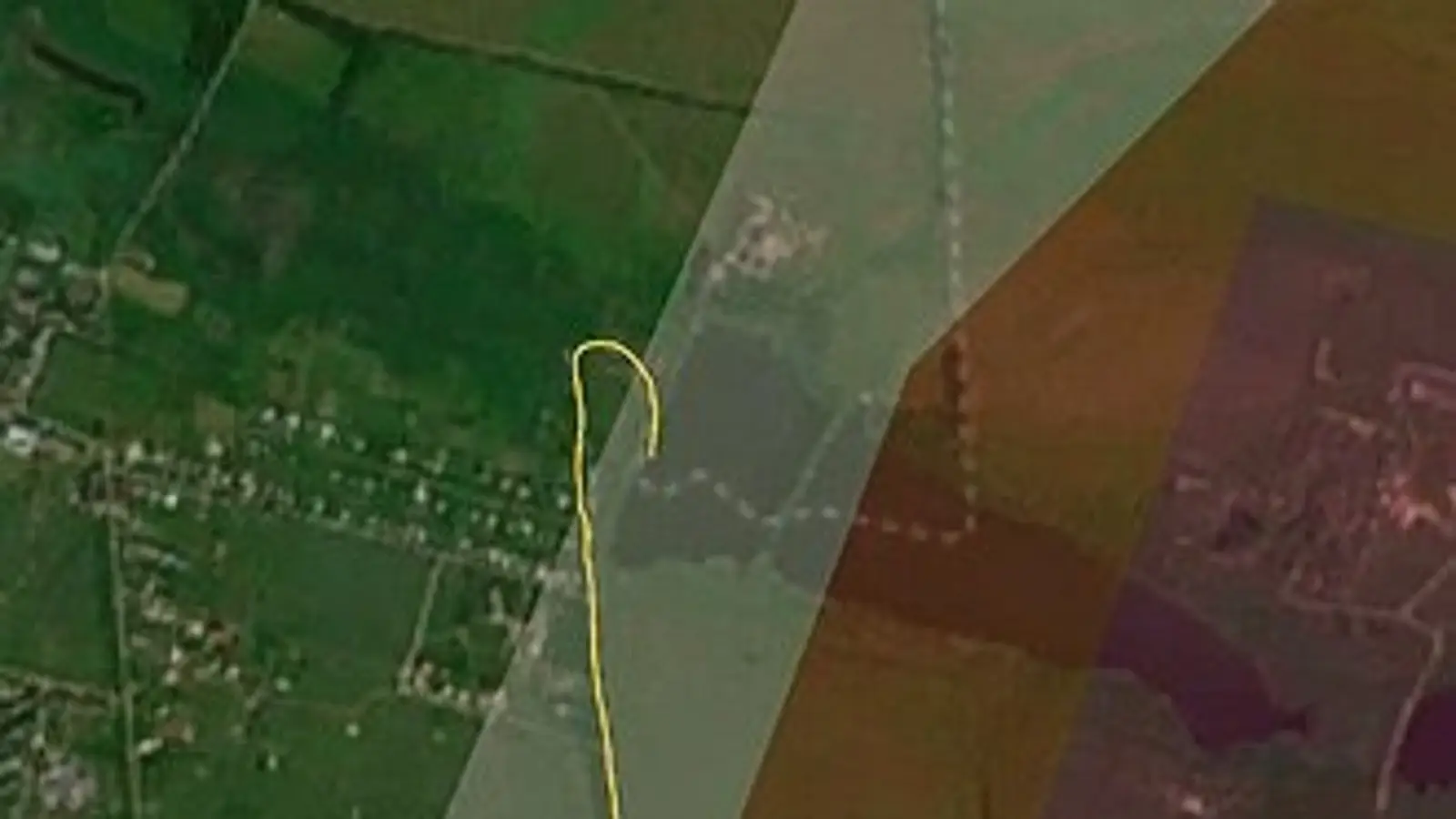
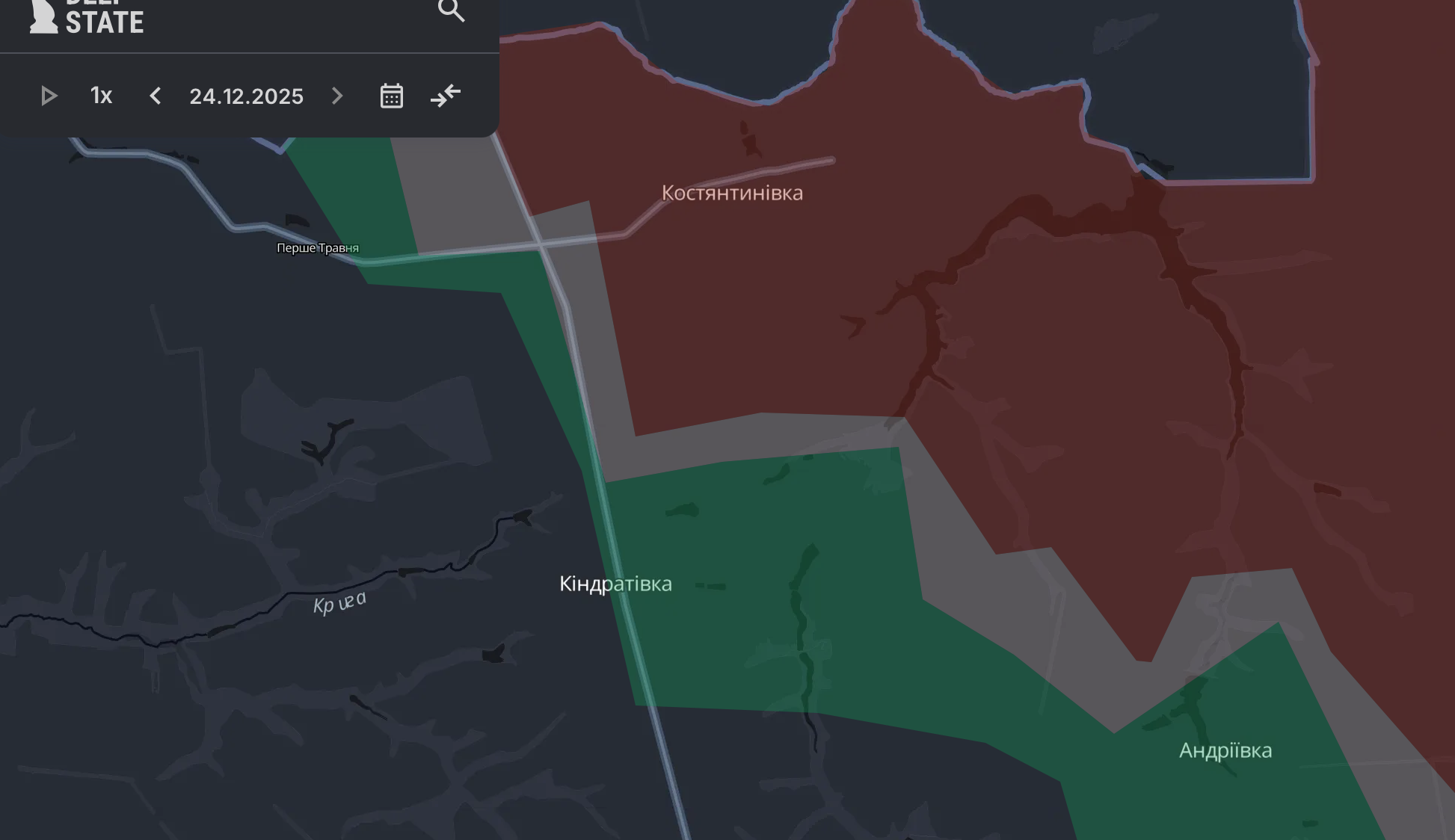
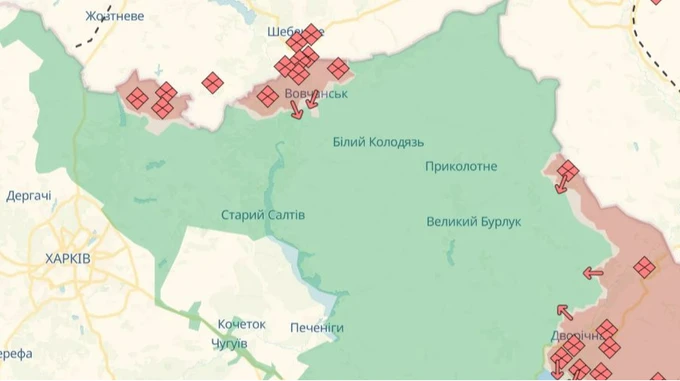
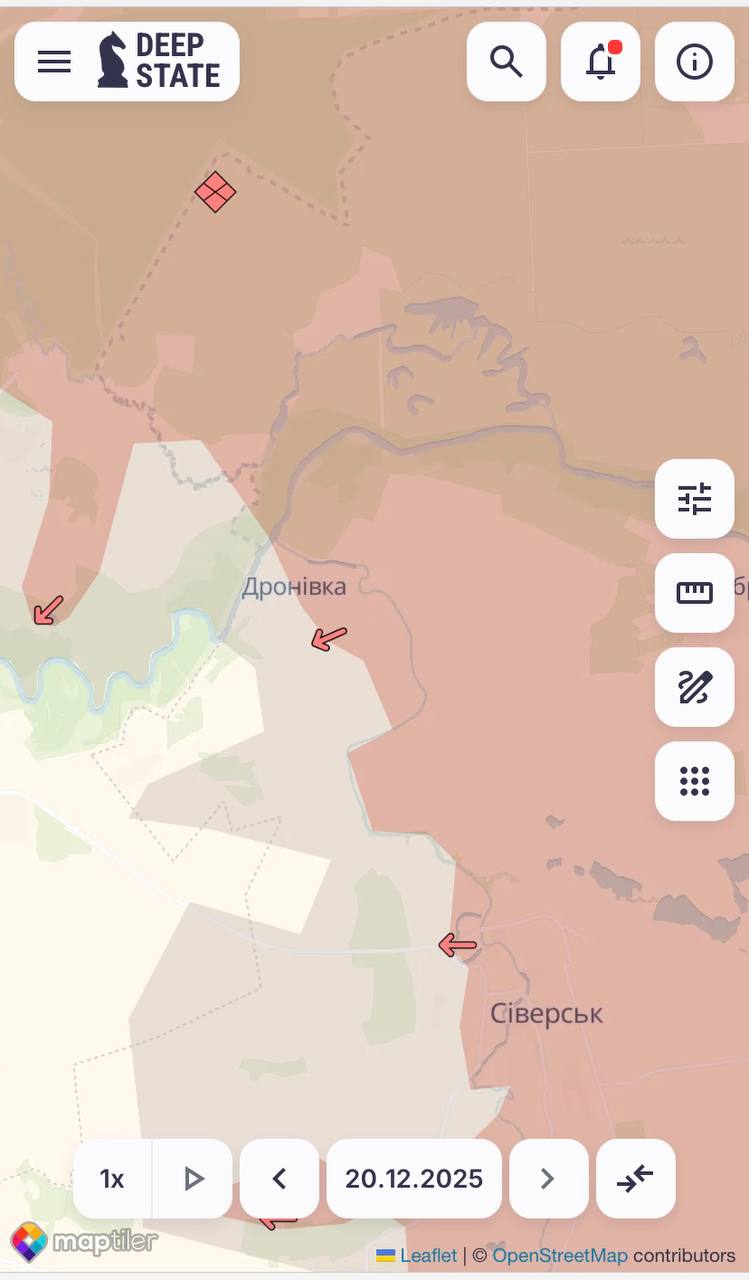
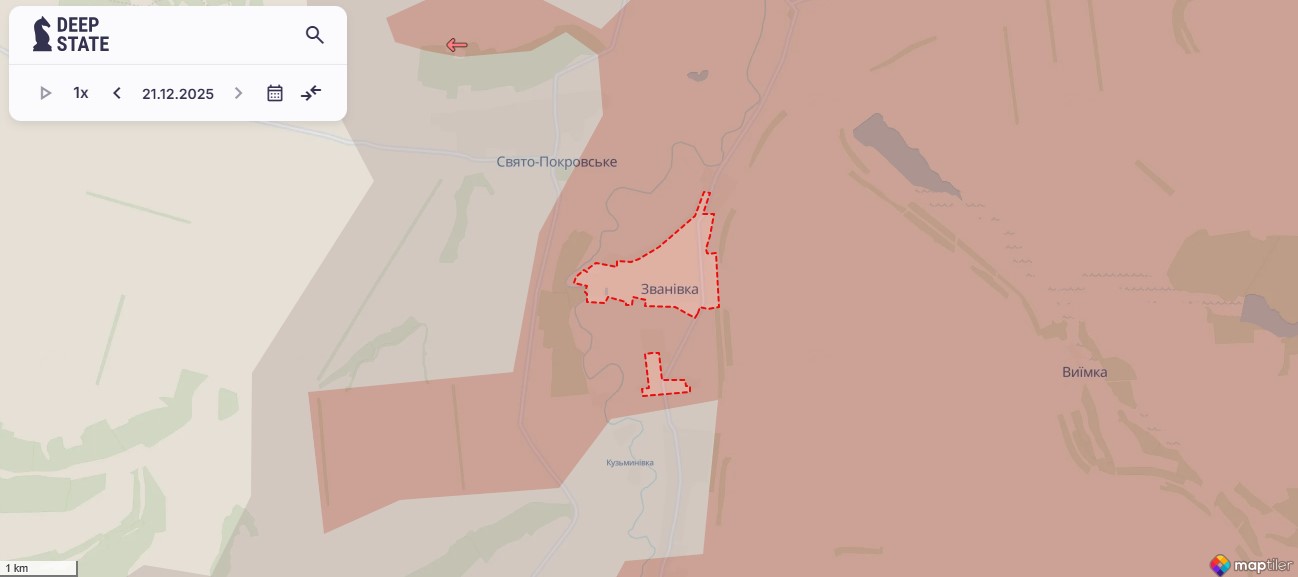
Operational Complexity and Attrition: The conflict has transformed into a war of sustained pressure and strategic attrition. Ukrainian military officials report Russia has sustained approximately 1.2 million casualties since February 2022, with an estimated 30,000 Russian troops killed monthly. Despite these losses, Russia maintains a relentless offensive, currently occupying over 73% of the Zaporizhzhia region, including the region's largest nuclear power plant. The open-source battlefield map DeepState UA reveals Hulyaipole is now a contested gray zone, with Russian troops executing a sophisticated two-pronged offensive from northeast and southeast directions.
Geopolitical and Economic Implications: Beyond military maneuvers, this conflict creates significant geopolitical uncertainty that extends far beyond battlefield dynamics. The ongoing tensions are disrupting international trade routes, supply chains, and economic stability in Eastern Europe. Businesses with operations in the region must now implement sophisticated risk management strategies, recognizing that the conflict represents the largest military engagement in Europe since World War II.
The strategic calculus is clear: Russia is not merely seeking territorial conquest but attempting to fundamentally reshape the geopolitical landscape. With President Putin maintaining hardline positions demanding Ukraine's permanent NATO exclusion and territorial concessions, the conflict has transcended a traditional military engagement into a complex, multi-dimensional strategic confrontation.
Questions 3
What makes Hulyaipole a strategically critical location?
Hulyaipole is crucial because it could potentially open pathways to larger cities like Zaporizhzhia and Orikhiv. Its location 87 km east of Zaporizhzhia makes it a key tactical point that could significantly alter the regional military balance if captured.
What are the long-term implications of Russia's current military strategy?
Russia's strategy suggests a long-term objective of territorial restructuring and geopolitical leverage. By systematically capturing territory and maintaining pressure, Russia aims to fundamentally reshape the regional power dynamics and potentially force diplomatic concessions from Ukraine and its Western allies.