


Holiday Dining Reimagined: How Restaurants Are Rewriting Seasonal Operations
- Strategic flexibility transforms consumer expectations for holiday food service across major restaurant chains






Overview
The landscape of holiday dining is undergoing a profound transformation, driven by an unprecedented commitment to consumer convenience and operational adaptability. With over 40 restaurant chains planning to operate on Christmas Day in 2025, the hospitality industry is signaling a strategic shift away from traditional holiday closures toward a more flexible, customer-centric model.
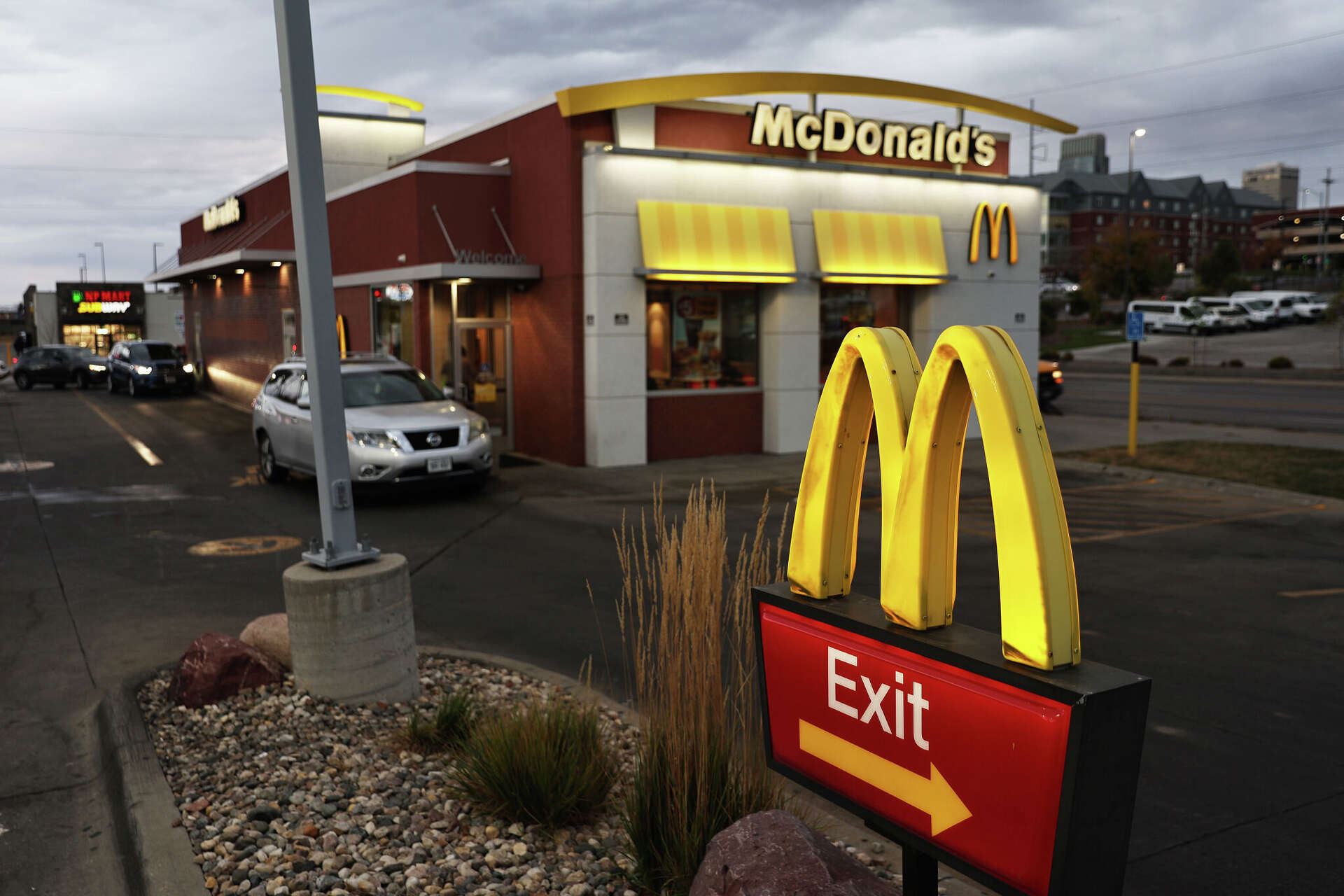
Operational Flexibility as a Competitive Advantage emerges as the core narrative. Restaurants like Denny's, McDonald's, and Applebee's are demonstrating that holiday hours are no longer a binary open/closed decision, but a nuanced strategic opportunity. The variation in operating times—from Fogo de Chão's 11 a.m. to 9 p.m. schedule to Smith & Wollensky's 11:30 a.m. to 9 p.m. window—reveals a sophisticated approach to meeting diverse consumer needs.
This trend goes beyond mere scheduling; it represents a deeper market responsiveness. By maintaining services during traditionally challenging periods, restaurants are effectively rewriting consumer expectations about holiday dining. The strategy acknowledges a critical market insight: modern consumers prioritize convenience and options over traditional constraints. For cross-border and food service businesses, this signals a mandate to develop hyper-localized operational strategies that can adapt quickly to changing consumer demands.
The implications extend far beyond a single holiday. These operational choices reflect broader hospitality industry transformation, where technology, consumer expectations, and service models are converging. Restaurants are no longer just food providers; they're becoming flexible platforms that can rapidly reconfigure their service offerings to match real-time consumer needs.
For businesses in the food service ecosystem, the message is clear: adaptability is the new competitive currency. Invest in systems that allow rapid communication, flexible scheduling, and localized decision-making. Those who can pivot fastest will capture the emerging market of convenience-driven consumers.
Questions 3
How do varying restaurant hours impact consumer behavior?
Varied holiday hours signal a shift towards personalized service. Consumers now expect options rather than rigid schedules, which encourages more spontaneous dining decisions. This trend reflects broader changes in service expectations, where flexibility is becoming a key competitive differentiator.
Why are restaurants choosing to remain open on Christmas Day?
Restaurants are prioritizing consumer convenience and creating new revenue opportunities. By offering flexible holiday hours, they meet customer demand for dining options while demonstrating operational adaptability. This strategy helps build brand loyalty and captures market share during traditionally challenging periods.