


Urban Transportation Costs Surge: Port Authority's Strategic Squeeze on Mobility Infrastructure
- Escalating fees and infrastructure delays reshape regional transportation economics for businesses and travelers







Overview
The Port Authority of New York and New Jersey is executing a profound transformation of urban transportation infrastructure that signals a critical inflection point for regional mobility economics. By strategically implementing a series of financial and infrastructural changes, the agency is fundamentally restructuring transportation cost dynamics across the New York metropolitan area.
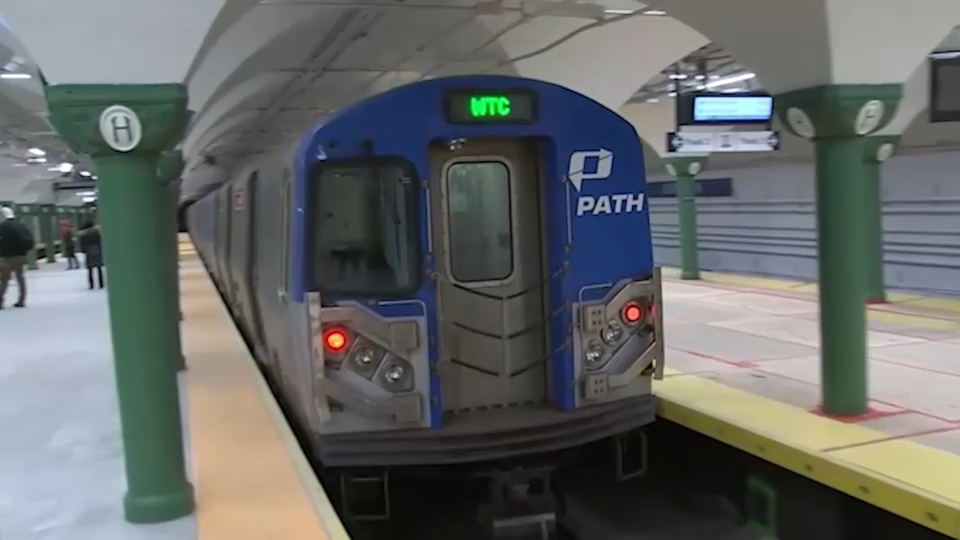
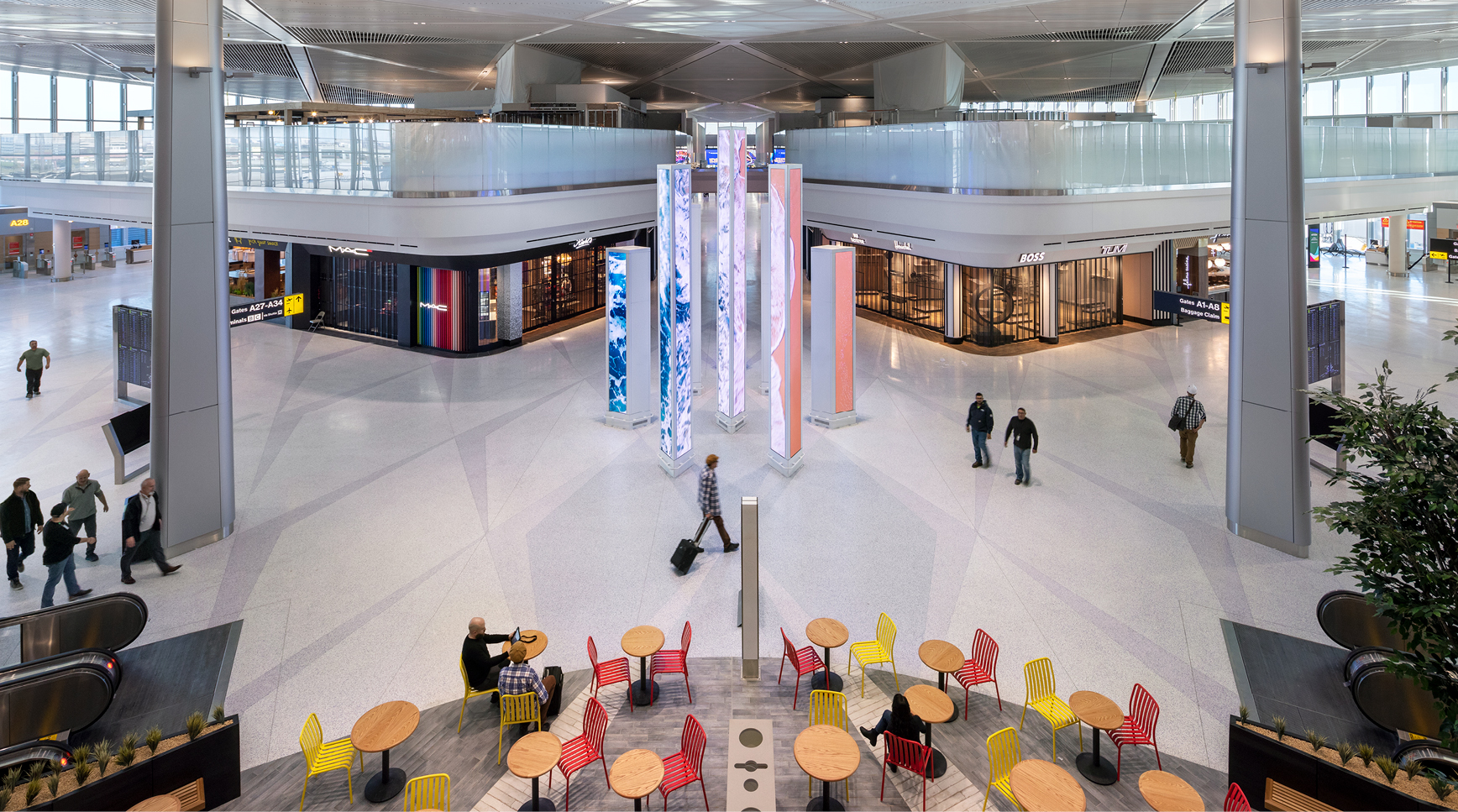
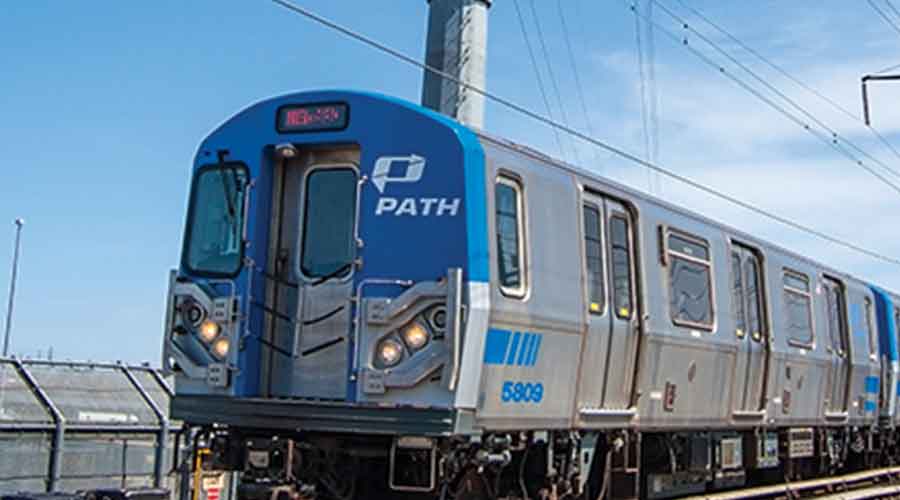
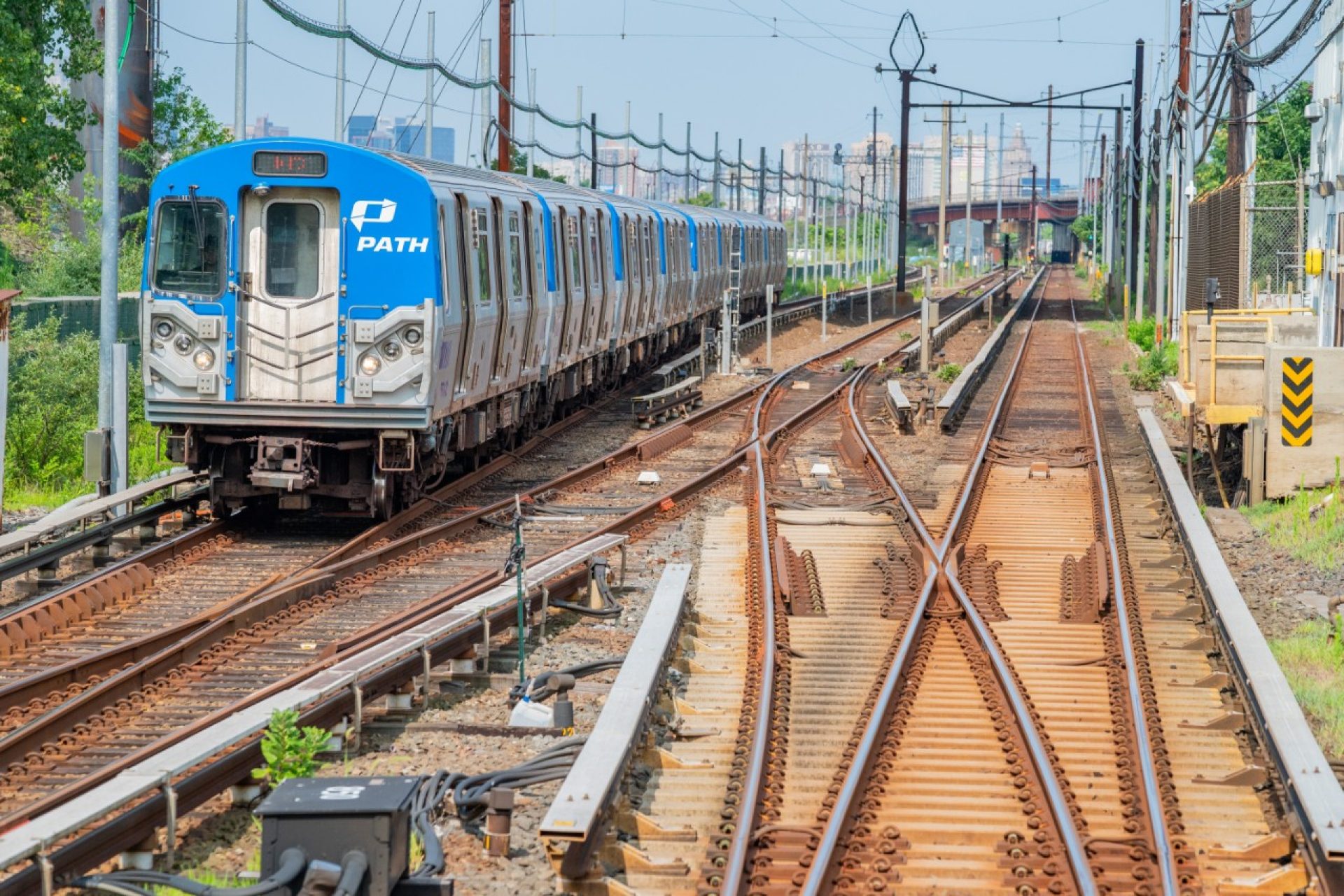
Infrastructure Investment Recalibration emerges as the core narrative. The shelving of the $1.7 billion PATH Newark Airport rail extension for at least a decade represents more than a simple project delay—it's a strategic reprioritization driven by escalating infrastructure costs. The airport monorail replacement project's budget ballooning from $2.5 billion to $3.5 billion reveals the complex financial pressures facing urban transportation development.
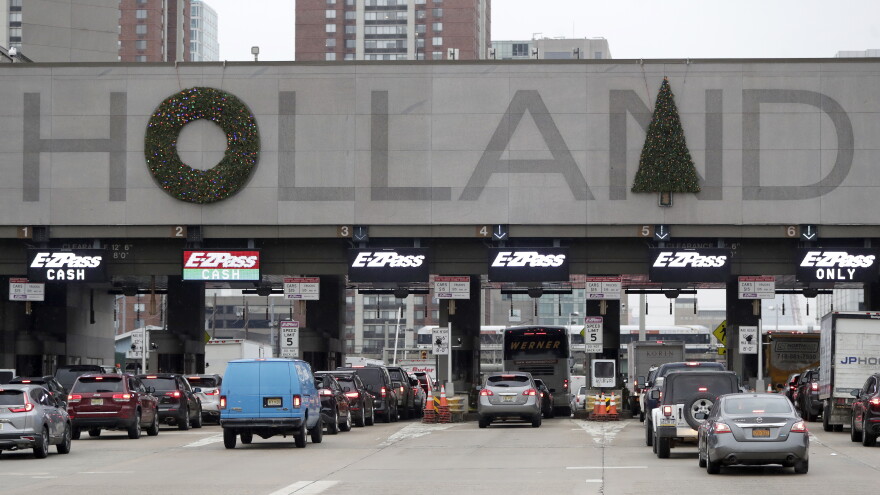
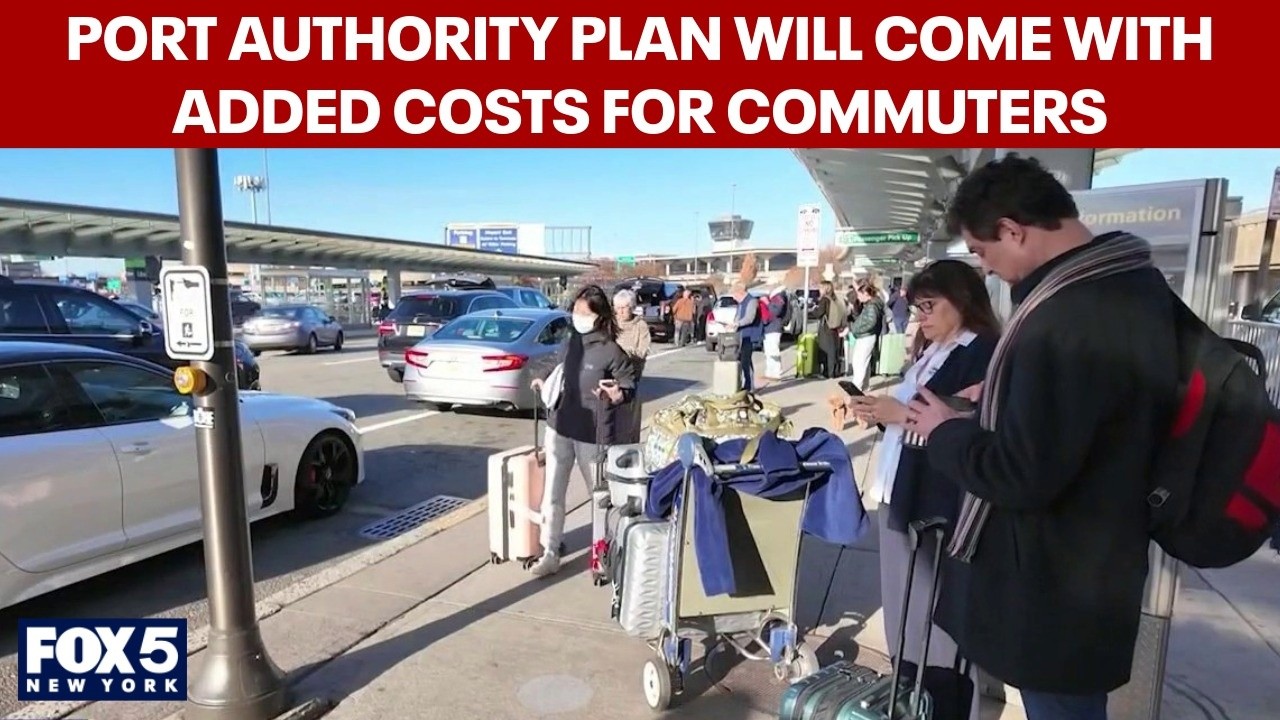
Simultaneously, the Port Authority is implementing a systematic fee increase strategy across multiple transportation channels. Ride-sharing and taxi services face dramatic cost escalations, with airport pickup and drop-off fees potentially rising by 50-100%. From $1.75 current taxi pickup fees to a projected $2.50, and ride-share fees jumping from $2.50 to $5, these changes represent a significant economic recalibration of urban transit ecosystems.
The broader implications extend far beyond immediate cost increases. E-commerce and logistics sellers must now factor these transportation cost shifts into their regional operational strategies. The potential for increased transportation expenses and reduced infrastructure efficiency creates a complex landscape where businesses must develop more adaptive, cost-conscious mobility solutions.
This multi-pronged approach—infrastructure project postponement, fee increases, and strategic reinvestment—suggests the Port Authority is engineering a comprehensive restructuring of urban transportation economics. The $45 billion capital improvement program signals a long-term commitment to transforming regional mobility infrastructure, with an emphasis on efficiency, revenue generation, and strategic resource allocation.
Questions 3
How will the Port Authority's fee increases impact transportation costs for businesses?
Businesses can expect significant cost increases, with ride-sharing and taxi airport fees potentially rising 50-100%. E-commerce and logistics sellers will need to factor these higher transportation expenses into their operational budgets, potentially requiring more efficient last-mile delivery strategies.
What are the long-term implications of these transportation infrastructure changes?
The Port Authority is signaling a strategic shift towards more efficient, revenue-generating transportation infrastructure. The $45 billion capital improvement program suggests a comprehensive reimagining of regional mobility, with potential impacts on transportation service providers, urban logistics, and commuter experiences.