


Rural Economic Fragility Exposed as Tyson Foods Abandons Nebraska Meatpacking Community
- Corporate Exodus Reveals Systemic Vulnerabilities in Small-Town Industrial Ecosystems




















Overview
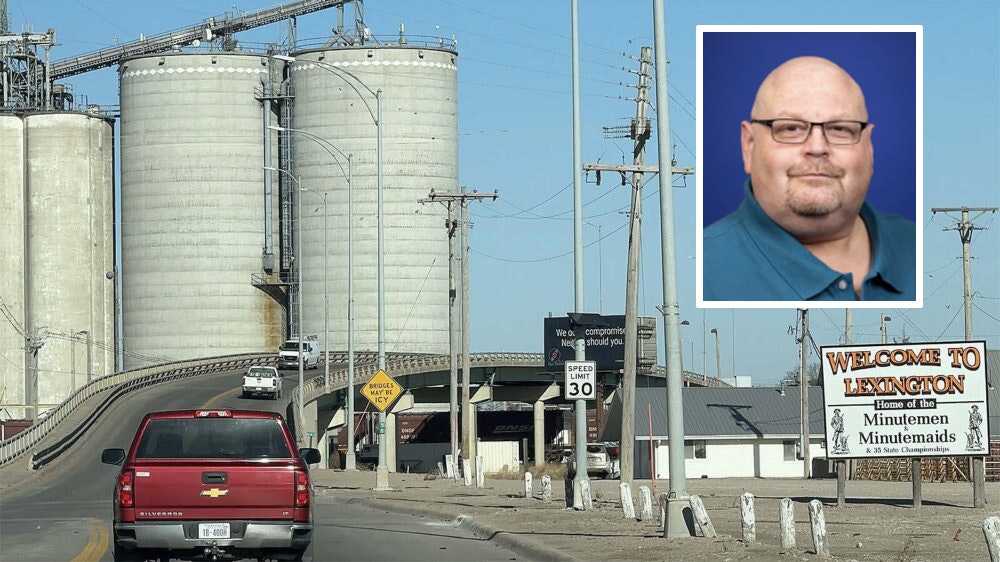
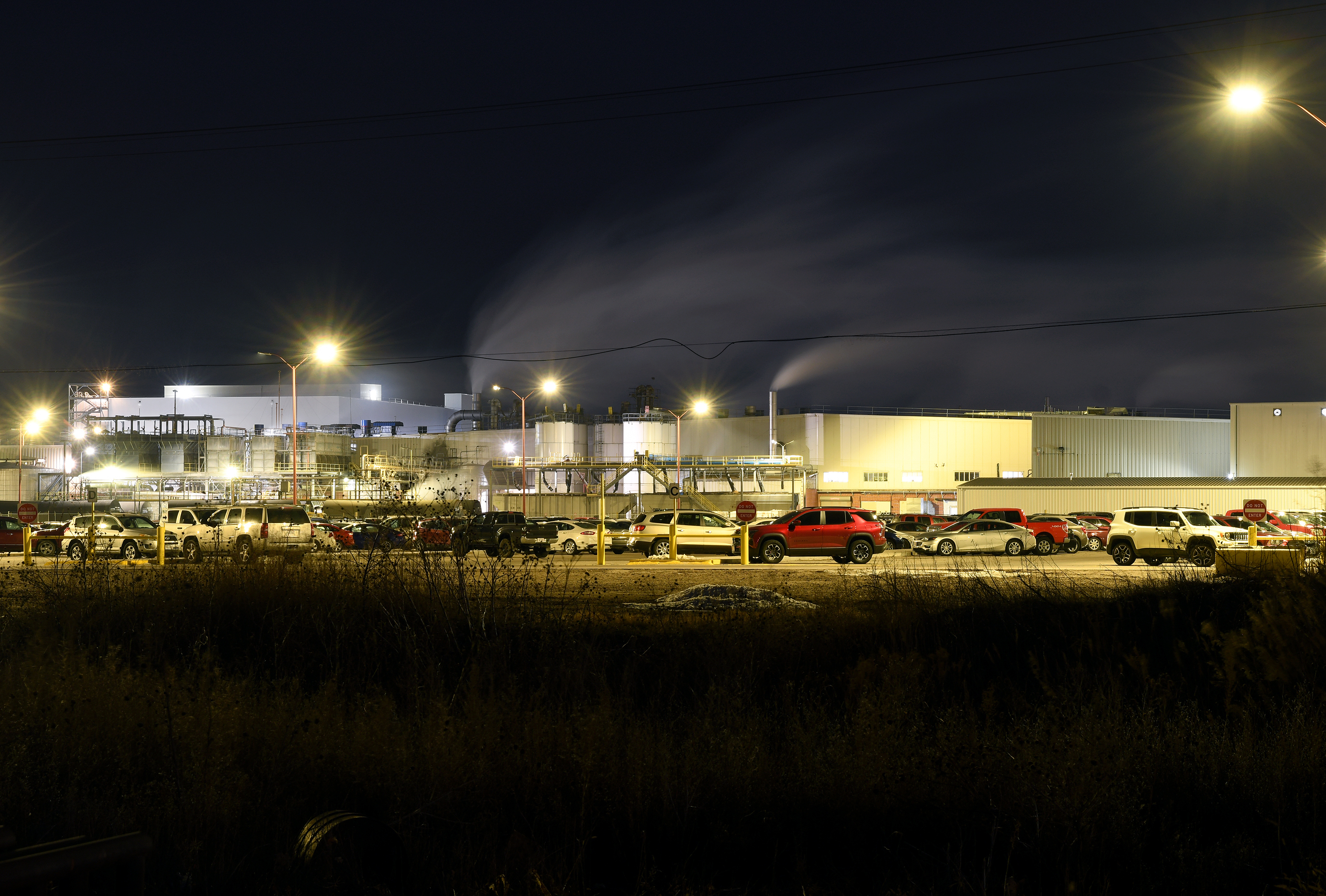
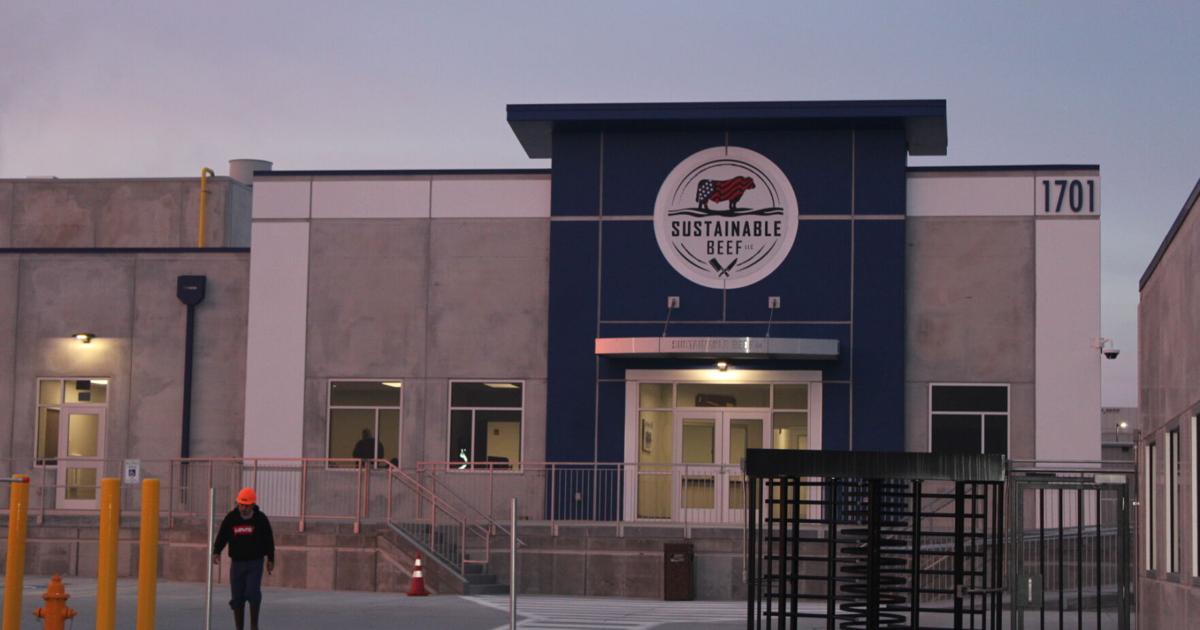
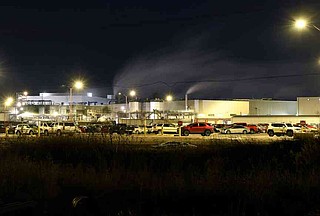
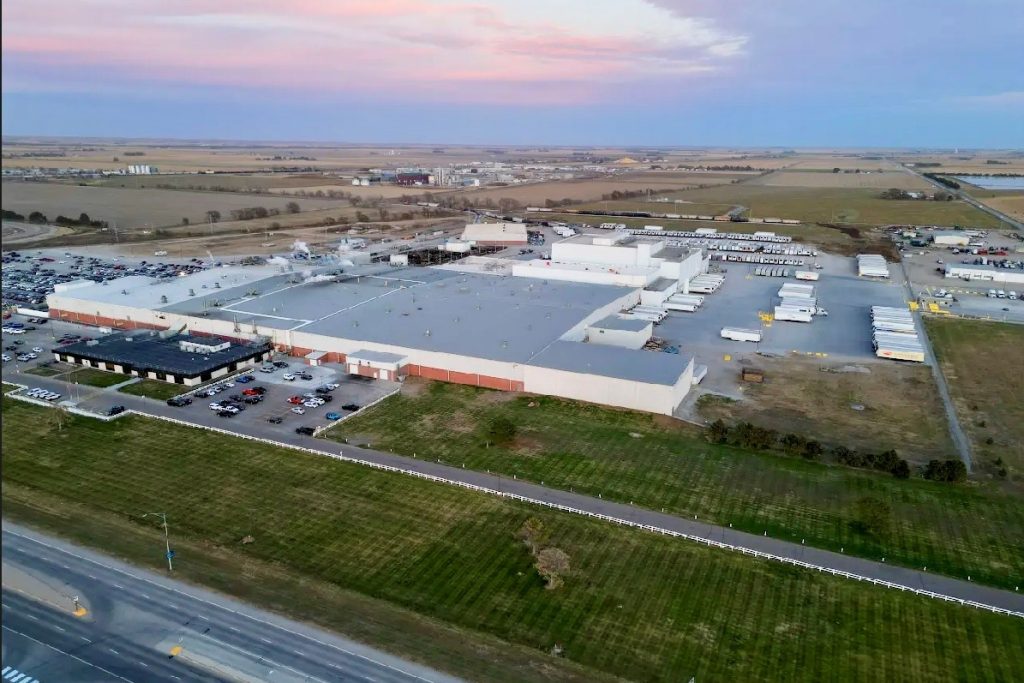
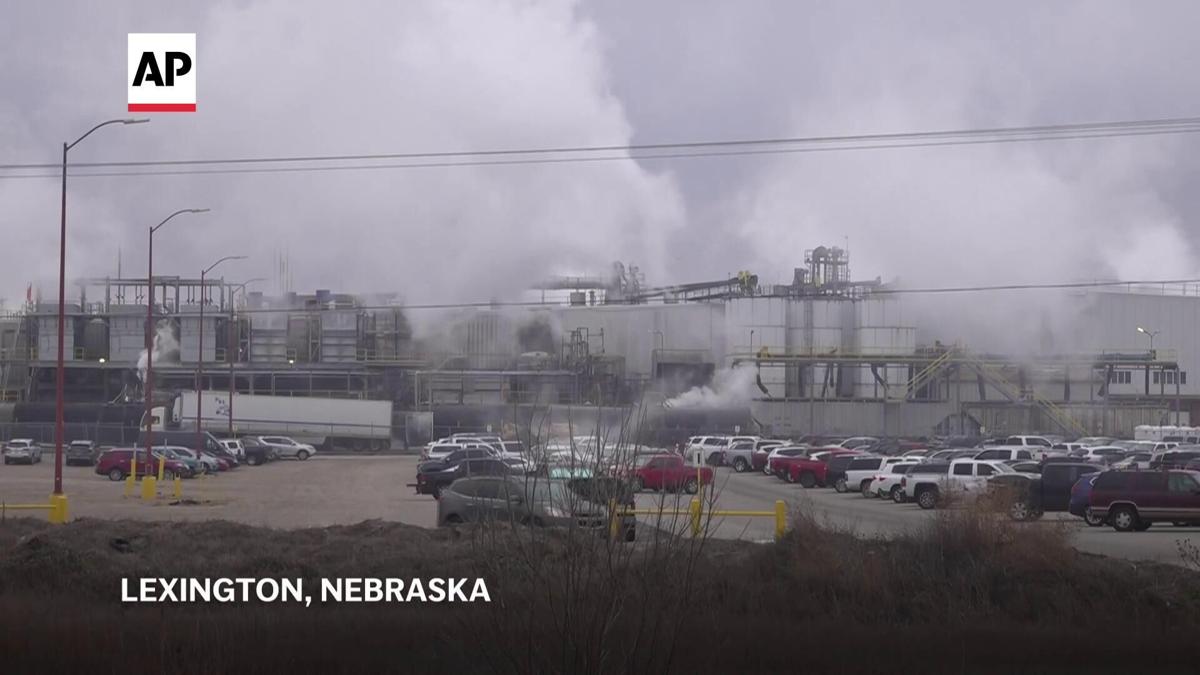
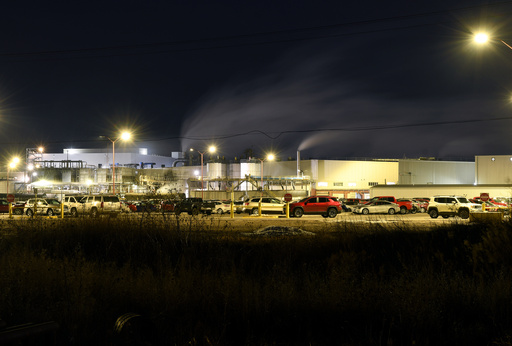
The sudden closure of Tyson Foods' meatpacking plant in Lexington, Nebraska represents a critical inflection point in understanding the precarious economic landscape of rural American communities. With 3,200 workers suddenly displaced, this event illuminates the profound structural challenges facing industrial employment in small towns.
Corporate Consolidation Triggers Local Economic Collapse The plant's exit is more than a simple business decision—it's a seismic economic disruption that exposes the fragile interdependence between major employers and local ecosystems. Local entrepreneur Ramon Prado's rental property challenges symbolize the broader economic ripple effects: when a single large employer vanishes, entire community infrastructures unravel. Real estate values, service industry revenues, and local consumer spending are immediately and dramatically impacted.
Structural Transformation of Rural Economic Models This closure signals a deeper trend of industrial restructuring that extends far beyond Lexington. The meatpacking industry is undergoing fundamental transformations, likely driven by automation, operational efficiency, and strategic regional consolidation. For small towns like Lexington, this means confronting a harsh new reality: corporate decisions can instantaneously reshape entire economic landscapes, leaving communities with limited adaptation mechanisms.
Strategic Implications for Local Resilience The event underscores an urgent need for diversification and economic resilience strategies. Small towns must proactively develop multi-industry economic foundations, attract diverse employers, and create flexible workforce retraining programs. The traditional model of depending on a single major employer has become demonstrably unsustainable in today's dynamic corporate environment.
Critically, this is not just a local Nebraska story—it's a microcosm of broader economic transformations affecting rural communities nationwide. The Tyson plant closure serves as a stark warning: economic vulnerability is a systemic risk that requires proactive, strategic community planning.
Questions 3
What immediate economic impacts will Lexington experience from the Tyson plant closure?
The closure will likely trigger a cascade of economic challenges, including reduced local consumer spending, potential real estate value decline, increased unemployment, and significant stress on local service industries that depended on the plant's workforce.
Why did Tyson Foods decide to close its Lexington plant?
While specific details aren't provided, the closure suggests broader industry trends of operational restructuring, potential automation, strategic consolidation, and efforts to optimize manufacturing footprints across different regions.