



Tesla's Robotaxi Gambit: The High-Stakes Race to Autonomous Transportation
- Autonomous vehicle technology poised to reshape mobility and logistics infrastructure














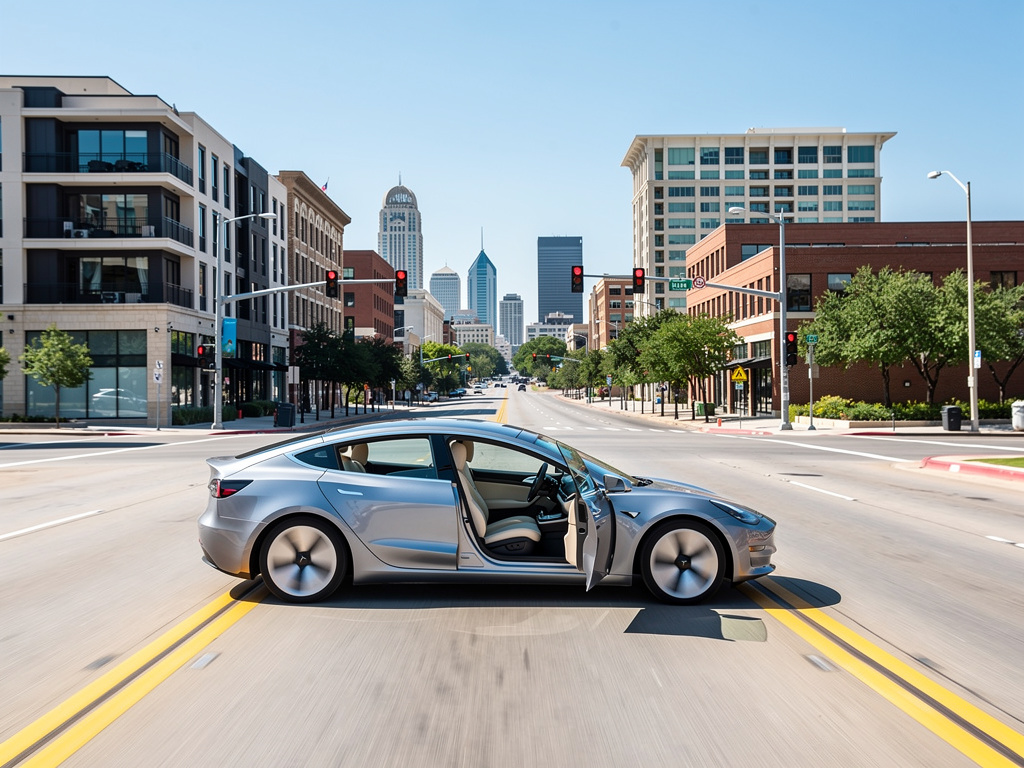
Overview
The autonomous vehicle landscape is undergoing a critical transformation, with Tesla positioning itself at the epicenter of a potentially revolutionary transportation paradigm. While the company's robotaxi ambitions are bold, the current reality reveals a complex technological and operational challenge that extends far beyond simple vehicle automation.
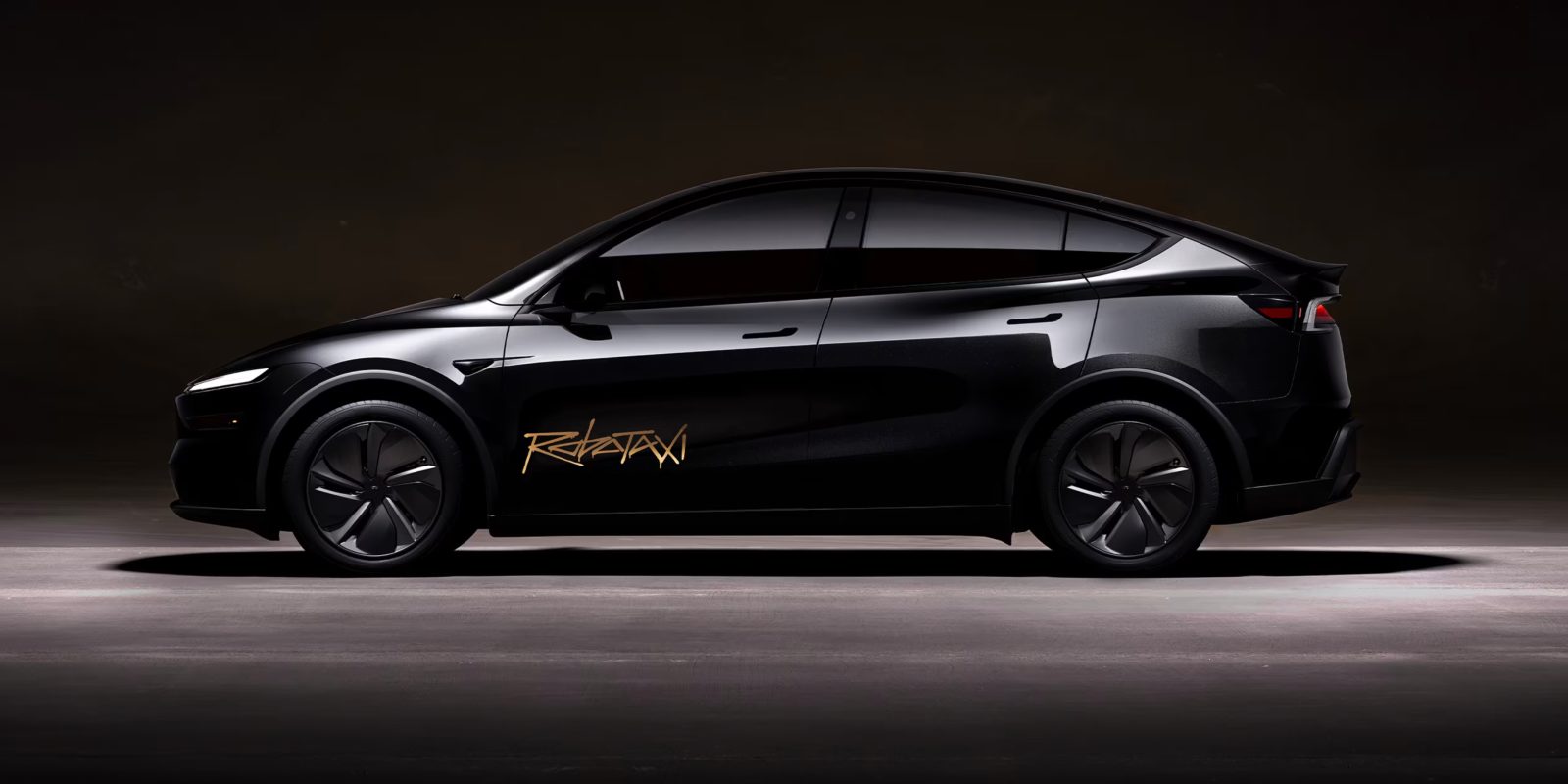
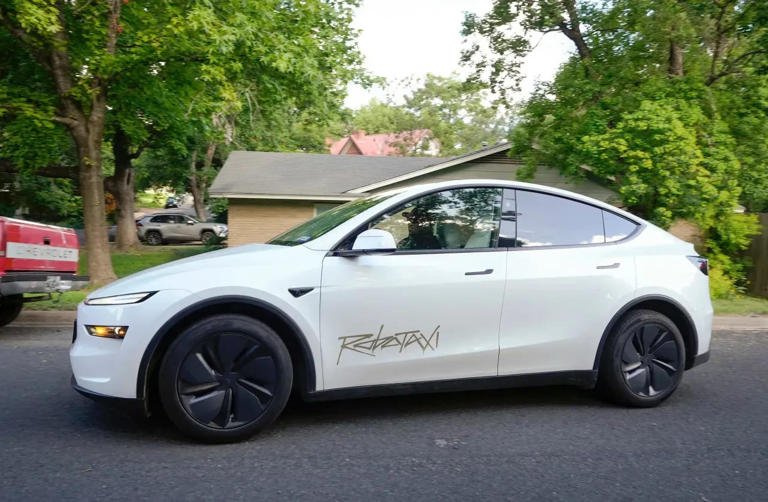
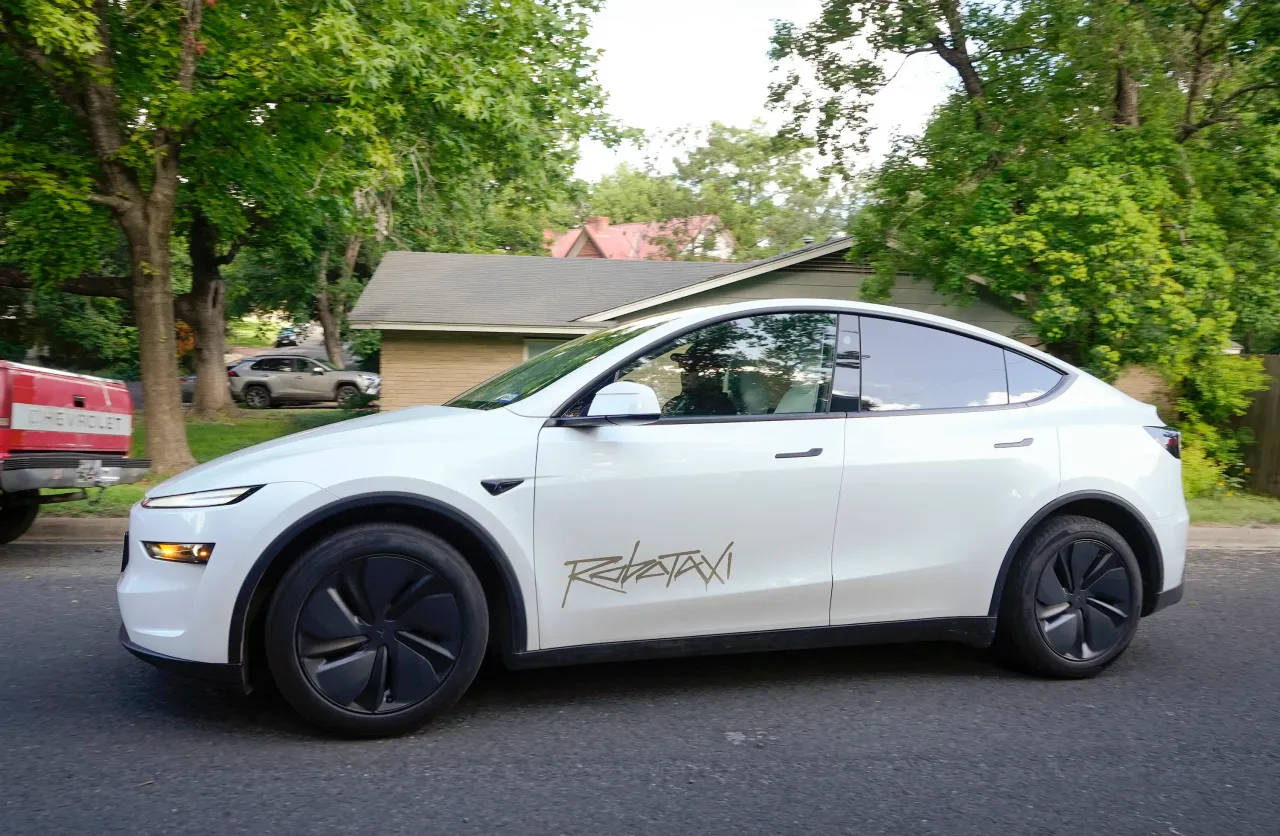
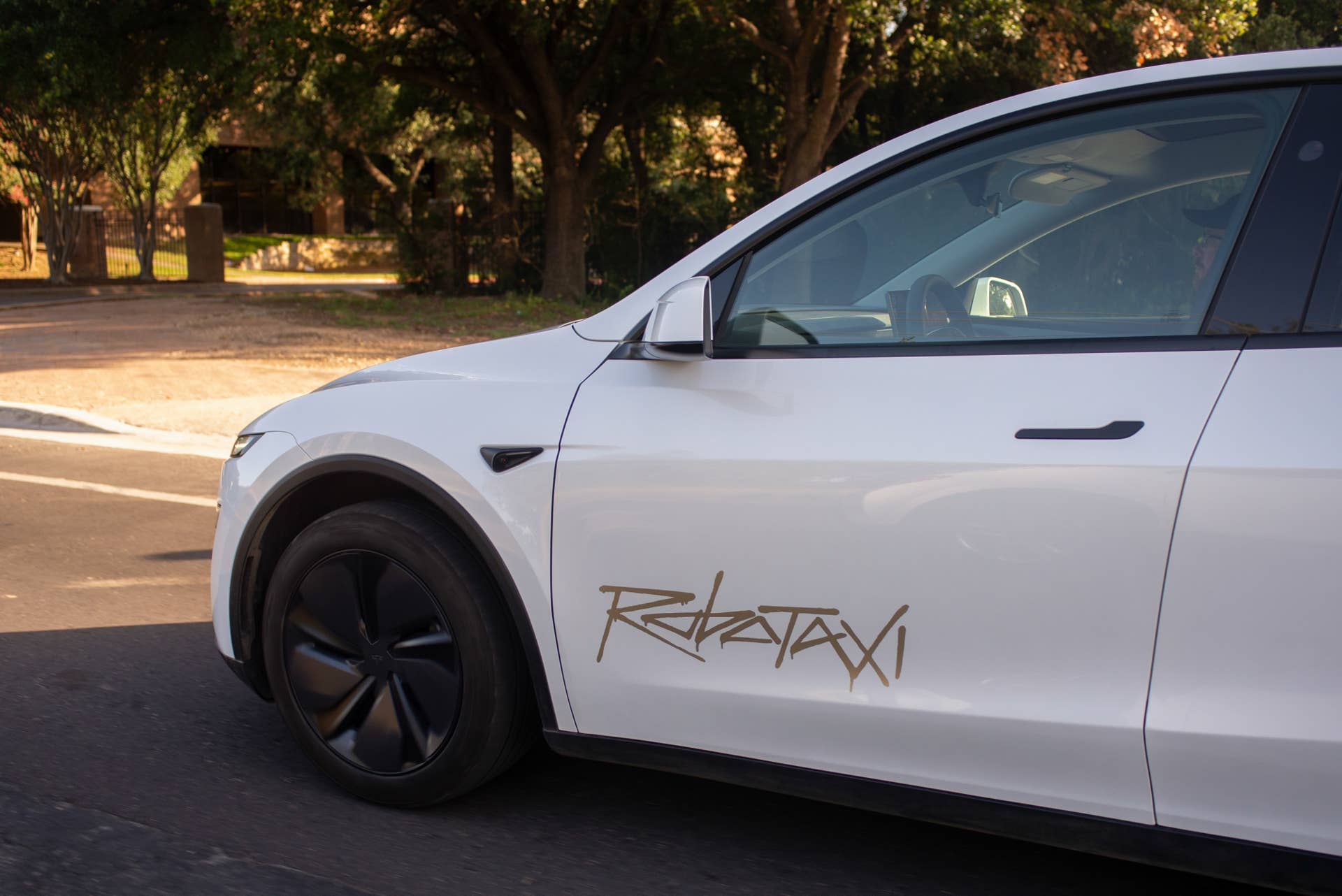
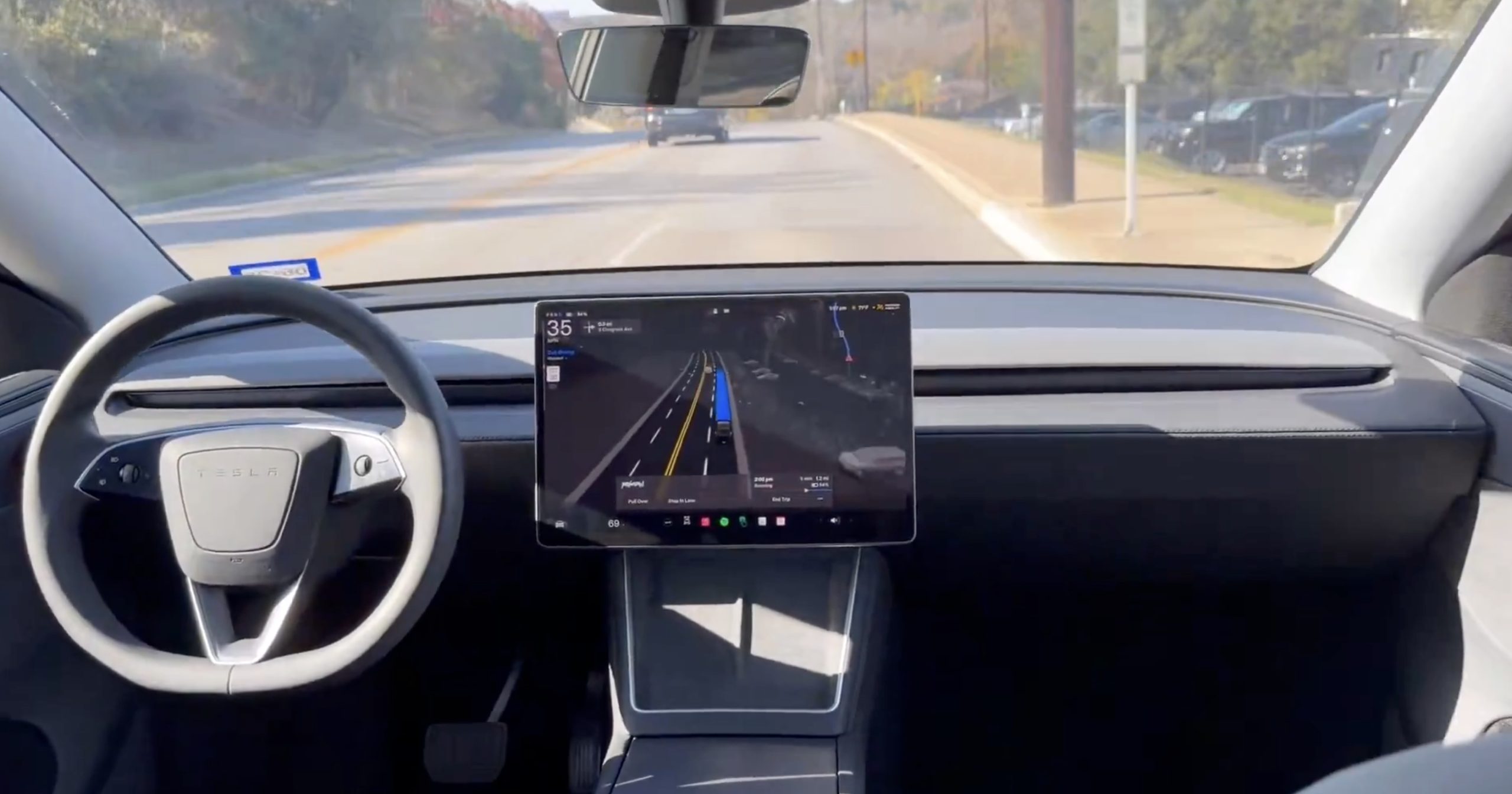
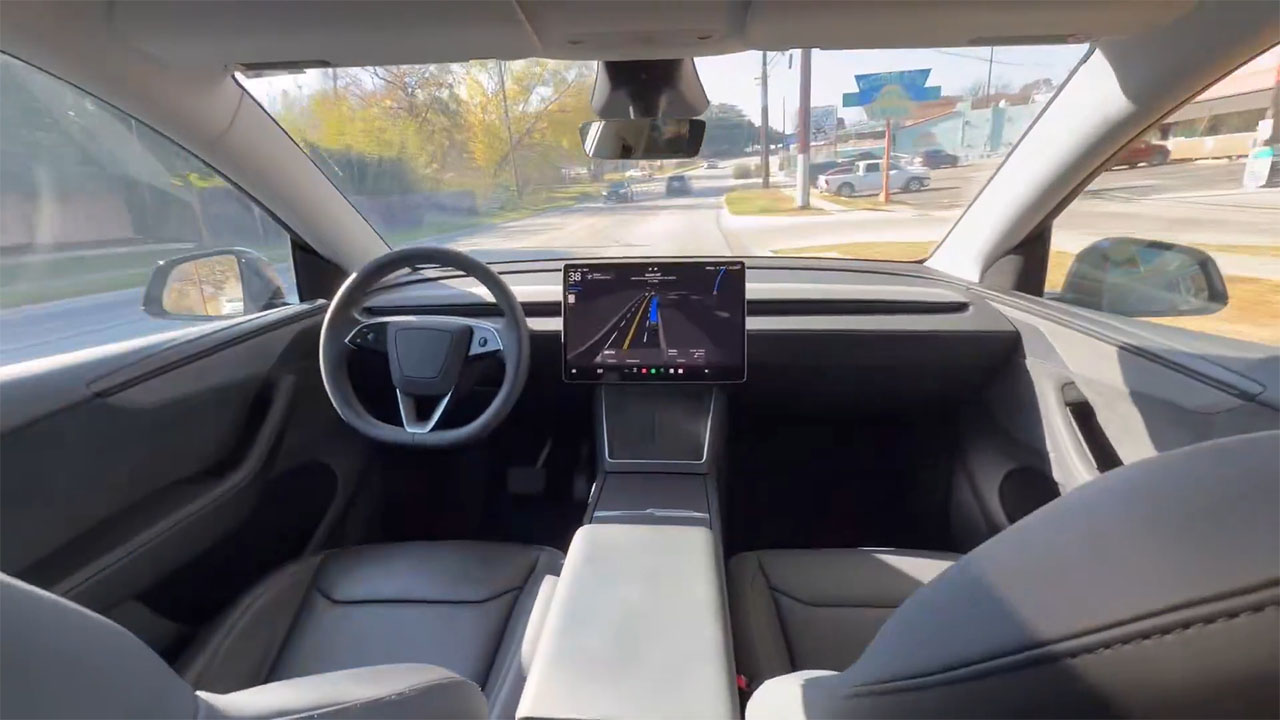
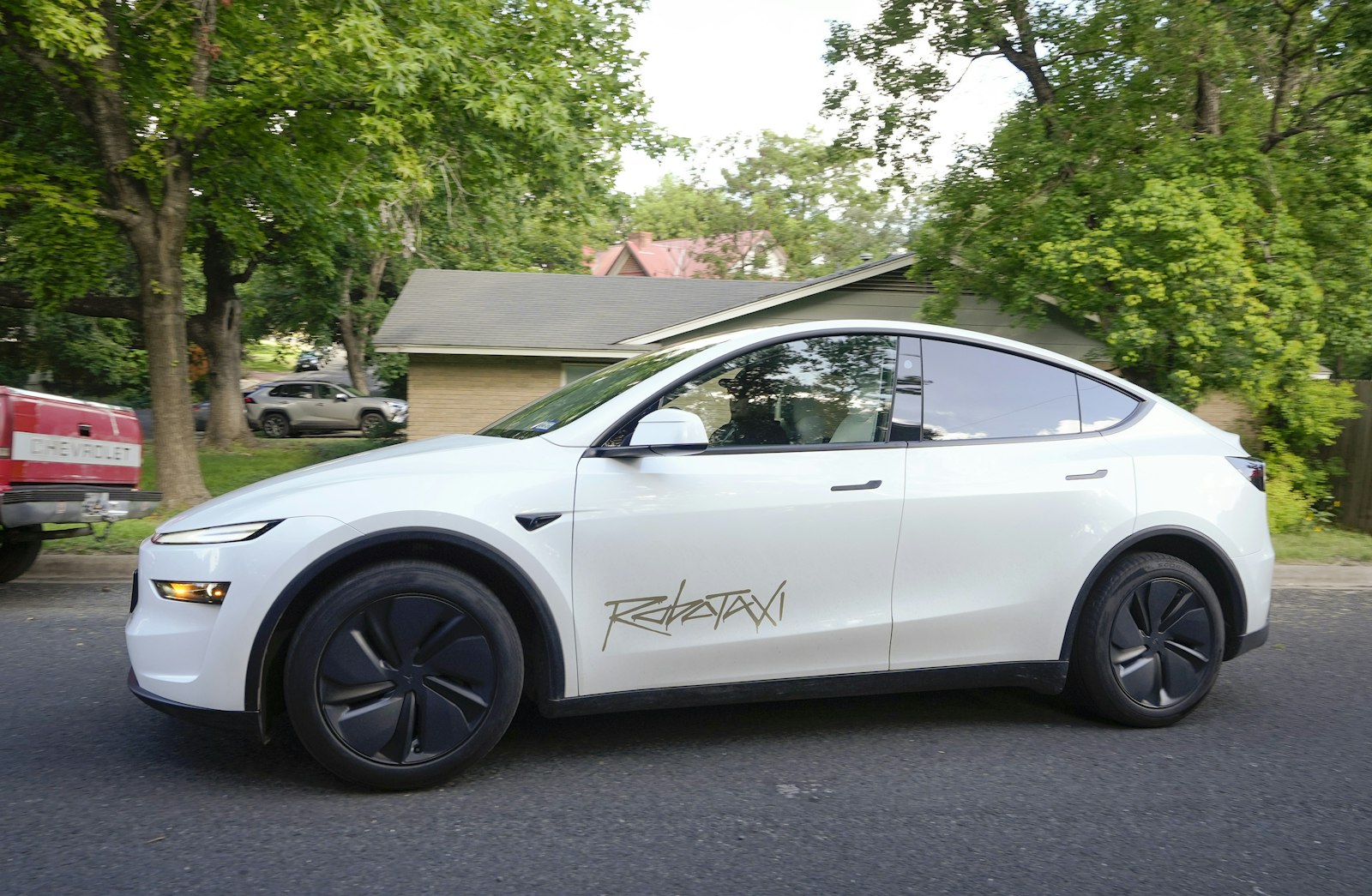
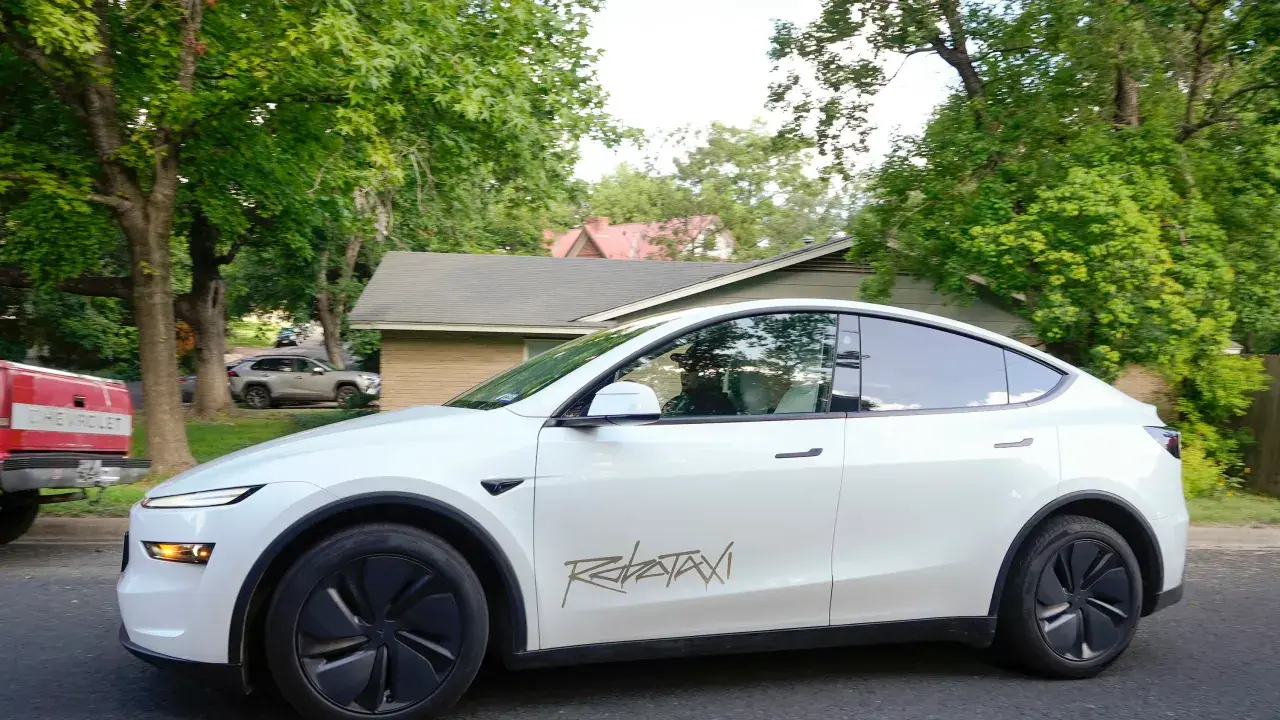
Tesla's robotaxi strategy represents a high-risk, high-reward approach that hinges on several critical factors. The company plans to launch its Cybercab service in April 2026, leveraging an impressive 6.9 billion miles of Full Self-Driving (FSD) data to demonstrate superior safety performance. However, the current Austin pilot exposes significant limitations: only 32 Tesla Model Y vehicles are in the network, with fewer than 5-10 operational simultaneously and service availability around 40% of the time.
In contrast, Waymo has established a more mature autonomous vehicle ecosystem, operating 200 vehicles in Austin and over 2,500 across five cities. Unlike Tesla's human-monitored approach, Waymo's vehicles operate without direct human intervention, having completed 14 million paid rides in 2025. This technological head start—stemming from Google's self-driving project initiated in 2009—creates a substantial competitive barrier.
For e-commerce and logistics providers, this emerging autonomous vehicle landscape presents both disruption and opportunity. The potential for reduced transportation costs, transformed last-mile delivery, and new mobility infrastructure is immense. However, the current technological constraints suggest that widespread adoption remains a complex, multi-year journey.
The most critical insight is not Tesla's current capabilities, but the broader technological trajectory. Autonomous vehicle technology is evolving from a speculative concept to a tangible infrastructure transformation. Sellers and logistics providers must view this not as a binary adoption decision, but as a progressive technological integration requiring continuous monitoring, adaptive strategies, and strategic infrastructure investments.
Questions 3
What implications does autonomous vehicle technology have for e-commerce and logistics?
Autonomous vehicles could dramatically transform last-mile delivery, potentially reducing transportation costs, enabling 24/7 delivery services, and creating new logistics infrastructure models. However, widespread adoption will require continued technological refinement and regulatory adaptation.
How close is Tesla to achieving fully autonomous robotaxi services?
Currently, Tesla is in early stages with limited deployment. The Austin pilot reveals significant challenges, with only 32 vehicles operational and service availability around 40%. While the company aims for a 2026 launch, substantial technological and regulatory hurdles remain.