


Billion-Dollar Lottery Dreams: The Financial Ecosystem Behind America's Massive Powerball Jackpot
- Revealing the Economic Mechanics of High-Stakes Gambling and Wealth Generation








Overview
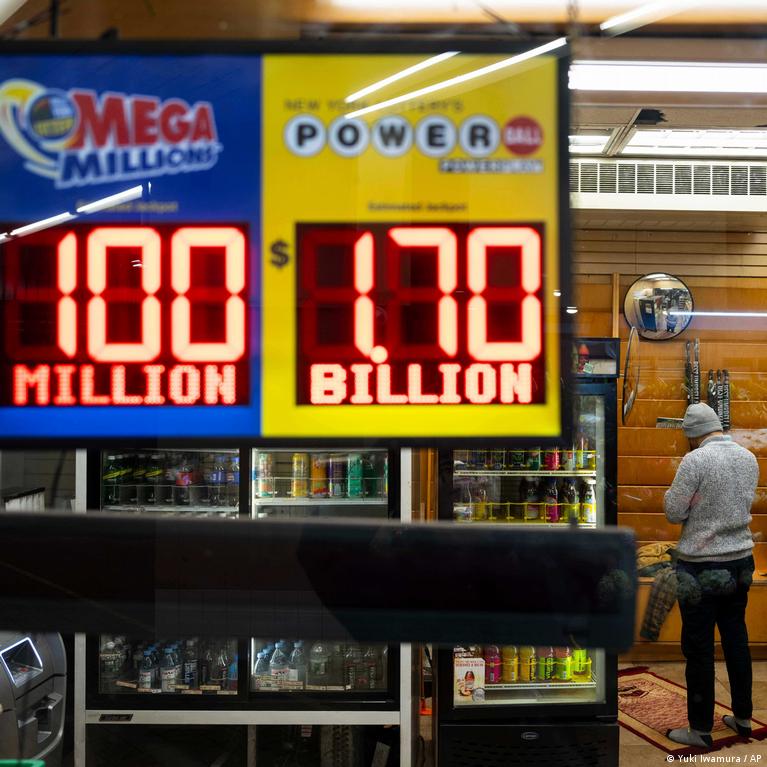
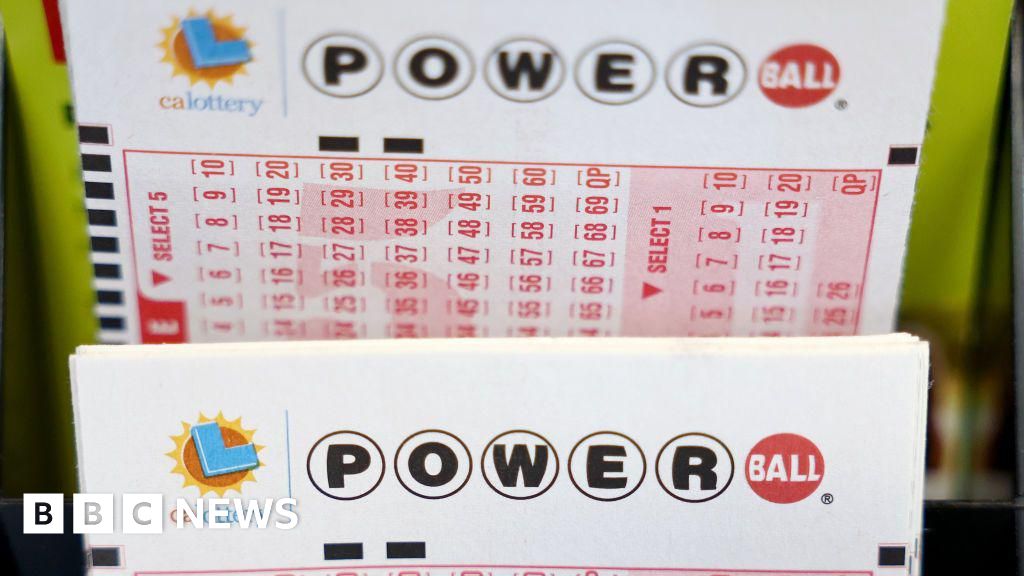
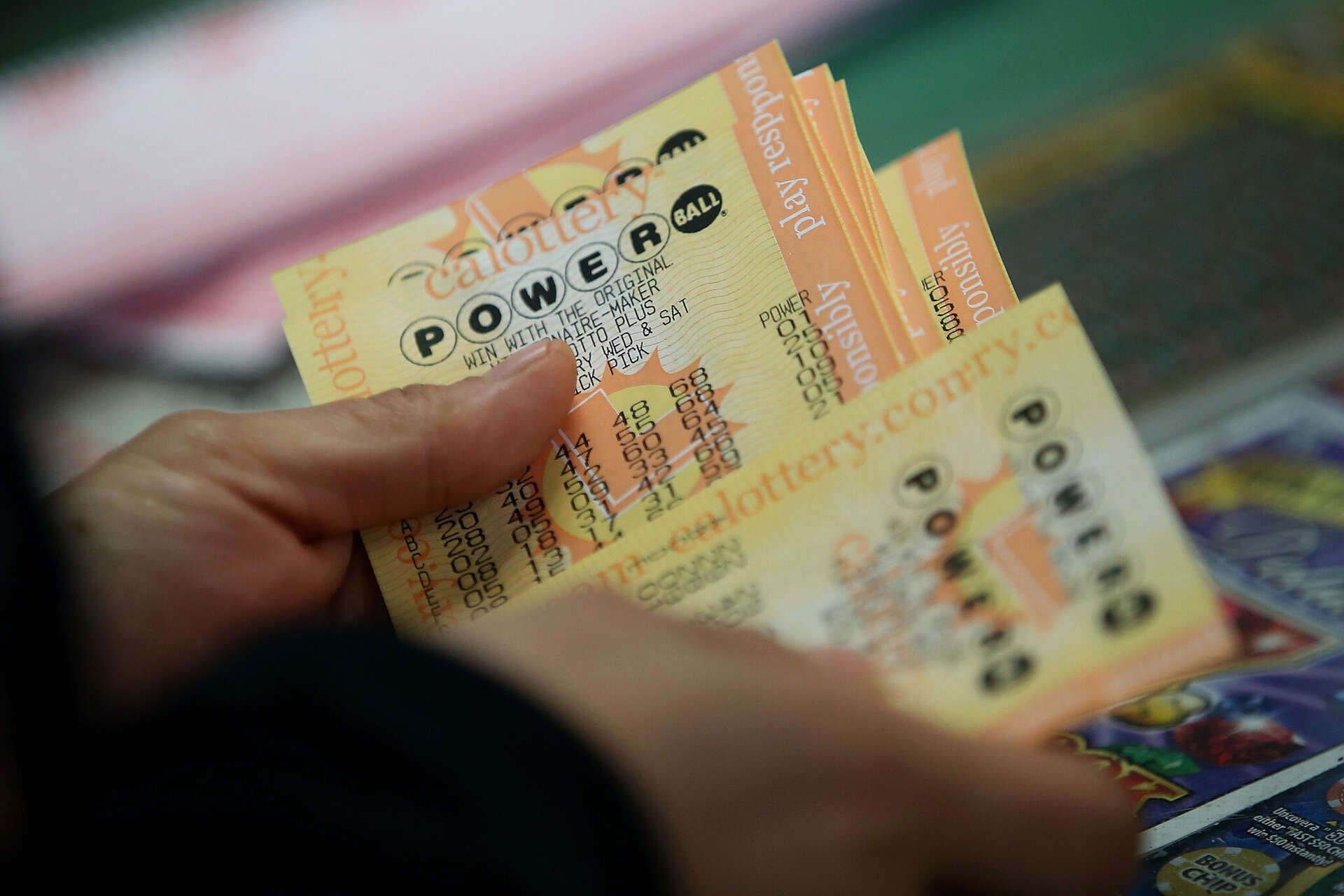
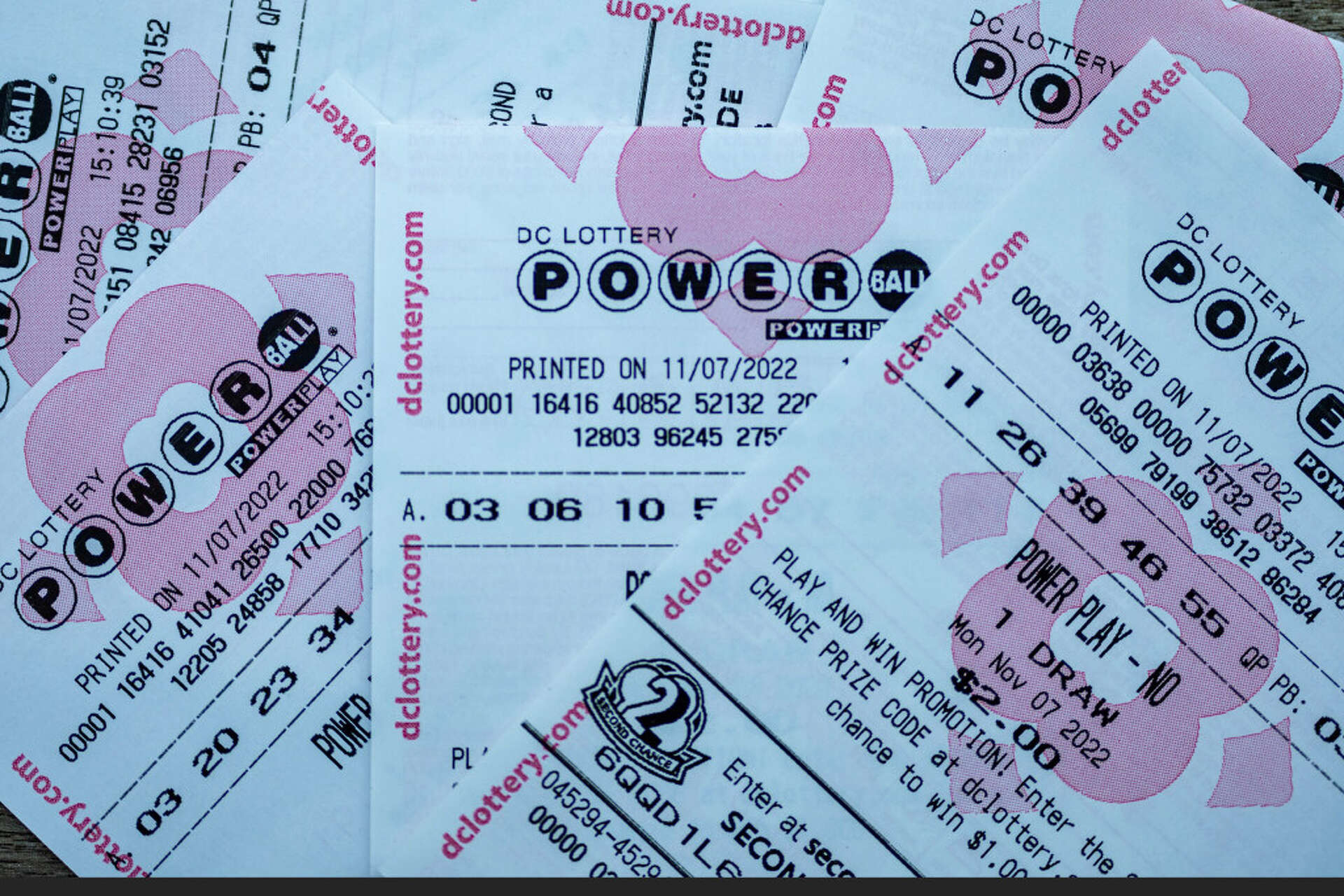
The $1.817 billion Powerball jackpot represents far more than a simple lottery drawing—it's a complex financial ecosystem that reveals profound insights into consumer behavior, economic opportunity, and the psychology of wealth. This landmark event demonstrates how a $2 ticket can transform into a massive economic phenomenon that touches multiple stakeholders across the United States.
Consumer spending dynamics are particularly fascinating in this scenario. Despite astronomical winning odds of 1 in 292.2 million, Americans continue to invest heavily in lottery tickets, spending approximately $2.24 million in a single state like Iowa on a single drawing. This persistent engagement suggests that the lottery represents more than a game of chance—it's a form of affordable hope, a $2 gateway to imagining life-altering financial transformation.
The regulatory landscape surrounding these massive prizes is equally intriguing. Arkansas's progressive lottery regulations, which allow winners to maintain anonymity for three years, highlight the complex legal and personal protection mechanisms emerging around sudden wealth. Financial experts recommend immediate strategic actions for winners: assembling specialized advisory teams, prioritizing mental health support, and developing comprehensive wealth management strategies.
Structurally, the lottery system itself is a sophisticated economic platform. With drawings occurring three times weekly across 45 states, Puerto Rico, and U.S. Virgin Islands, it represents a remarkable example of distributed economic participation. The back-to-back billion-dollar jackpots signal a growing trend of escalating prize structures designed to capture public imagination and drive increased ticket sales.
For local economies, these massive jackpots create ripple effects beyond the winning ticket. Retailers like Murphy USA, where the winning ticket was purchased, gain significant publicity and potential increased foot traffic. Secondary prize winners—like the 11 New Jersey tickets earning $50,000 to $100,000—demonstrate how the economic benefits cascade through local communities.
Ultimately, the Powerball jackpot is a microcosm of broader economic storytelling: it's about hope, possibility, and the democratized dream of sudden financial transformation. While the odds remain astronomically slim, the continued participation reveals something profound about human economic aspiration.
Questions 3
Why do people continue playing the lottery despite extremely low winning odds?
The lottery represents an affordable form of hope, where a $2 ticket provides psychological access to imagining life-changing financial transformation. The minimal investment cost allows people to temporarily escape economic constraints and dream of radical life improvement.
What financial strategies should a lottery winner immediately consider?
Lottery winners should quickly assemble a specialized team including financial advisors, tax experts, and mental health professionals. Immediate priorities include debt repayment, strategic tax planning, creating a sustainable wealth management plan, and potentially making charitable donations for tax optimization.