



How Intel's CEO Transformed a Potential Resignation into a $5.7 Billion National Tech Strategy
- Geopolitical Dealmaking Reshapes Semiconductor Sovereignty and Investment Dynamics





Overview
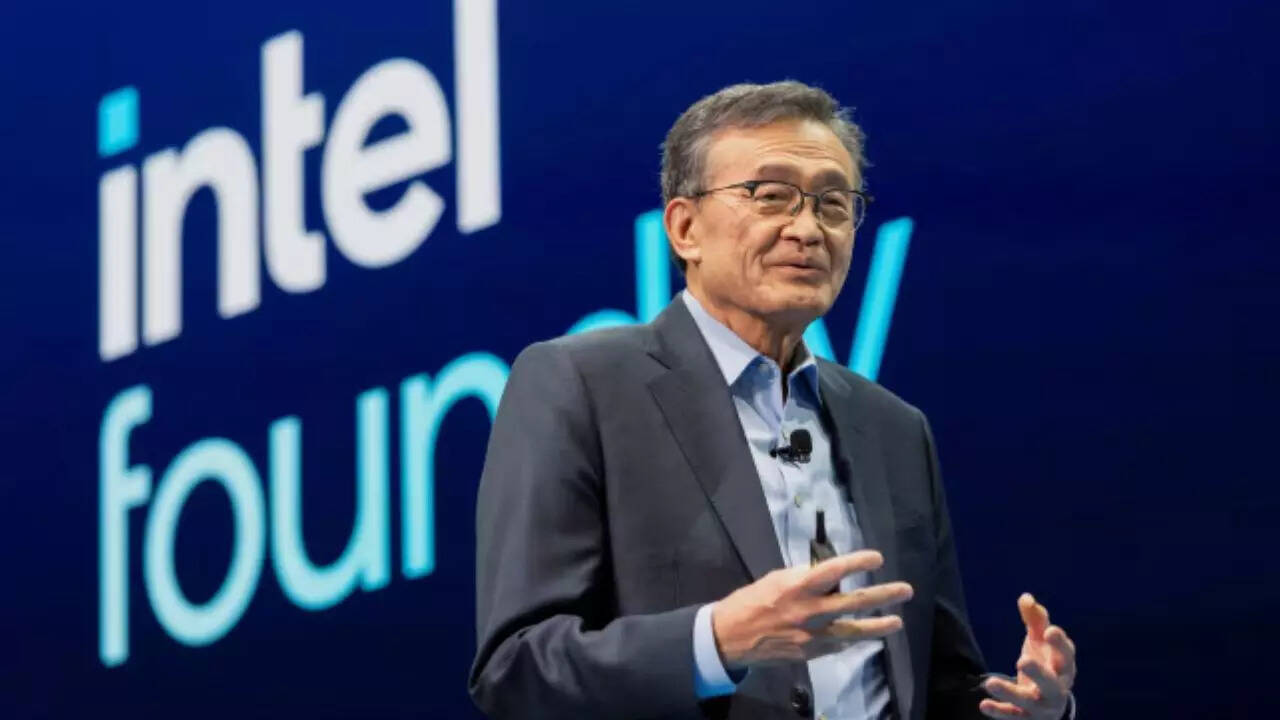
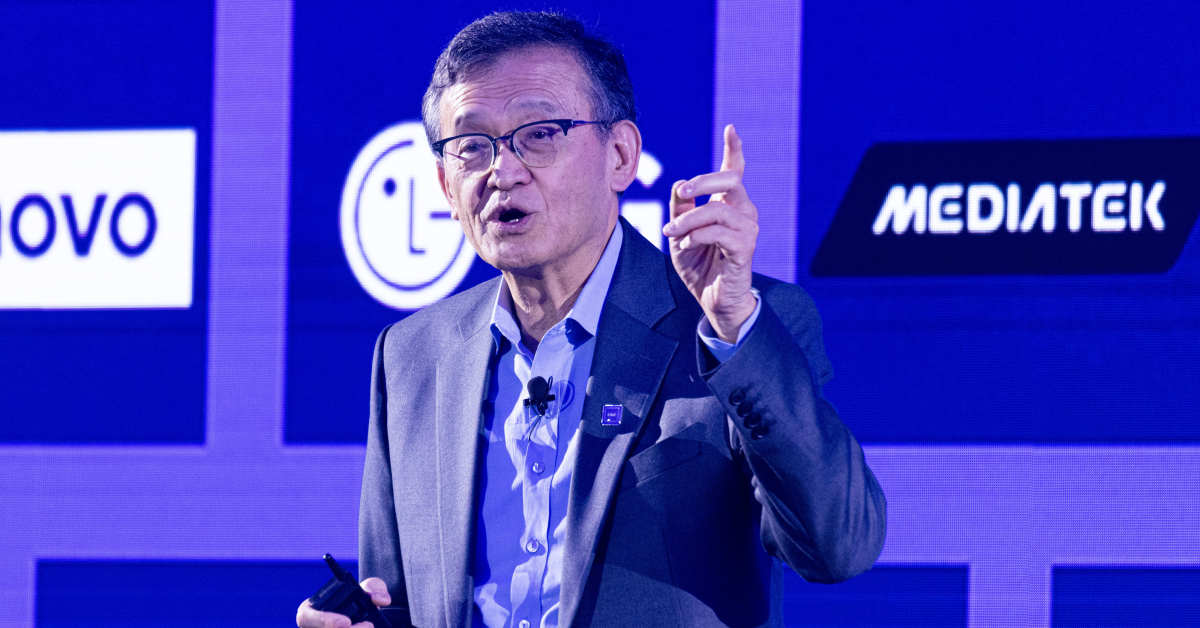
In a remarkable display of strategic diplomacy, Intel's CEO Lip-Bu Tan has engineered a pivotal transformation of corporate-government relations that signals a profound shift in technological sovereignty. What began as a potential career-ending confrontation with President Trump evolved into a groundbreaking $5.7 billion government investment, effectively repositioning Intel as a critical national technological asset.
The core narrative reveals a nuanced geopolitical chess match. Despite initial public criticism and Trump's demand for Tan's resignation over alleged China connections, the Intel CEO orchestrated a masterful diplomatic engagement. By strategically enlisting support from tech luminaries like Satya Nadella of Microsoft and Jensen Huang of Nvidia, Tan transformed a potential crisis into an unprecedented partnership. The U.S. government's nearly 10% equity stake represents more than a financial transaction—it's a strategic recalibration of how technology companies interact with national security imperatives.
This development goes far beyond a single corporate deal. It represents a broader trend of technological sovereignty, where governments are increasingly viewing semiconductor production as a critical national security domain. The multi-pronged investment strategy, including government and private sector contributions from Nvidia and SoftBank, demonstrates a coordinated effort to rebuild domestic manufacturing capabilities. For technology and e-commerce sellers, this signals a fundamental restructuring of semiconductor supply chains and investment landscapes.
The market's response has been unequivocal: Intel's stock has surged approximately 80% since Tan's appointment, indicating robust confidence in this strategic repositioning. More importantly, this case study illustrates a new paradigm of corporate-government engagement—where strategic negotiation can transform potential challenges into transformative opportunities.
Critically, this development suggests that technology companies must now view government relations as a core strategic competency. The ability to navigate complex geopolitical landscapes, manage international investment perceptions, and align corporate interests with national technological objectives has become a key competitive differentiator.
Questions 3
How did Lip-Bu Tan transform a potential resignation into a strategic government partnership?
Tan strategically engaged with the Trump administration by leveraging relationships with tech leaders like Satya Nadella and Jensen Huang. Despite initial criticism about his China investments, he negotiated a deal that secured $5.7 billion in government investment, effectively repositioning Intel as a critical national technology asset.
What are the broader implications of this government investment in Intel?
This investment signals a significant shift towards technological sovereignty, with governments viewing semiconductor production as a national security imperative. It demonstrates a new model of government-corporate collaboration, potentially reshaping semiconductor supply chains and creating opportunities for technology-focused businesses.