


Apple's Strategic Purge: How Cutting 25 Devices Reveals the Future of Tech Ecosystems
- Signals a radical product consolidation strategy impacting tech retailers and accessory manufacturers




/pcq/media/media_files/2024/12/24/Yqie6ZhCAoNmhy9zFZFM.png)
Overview
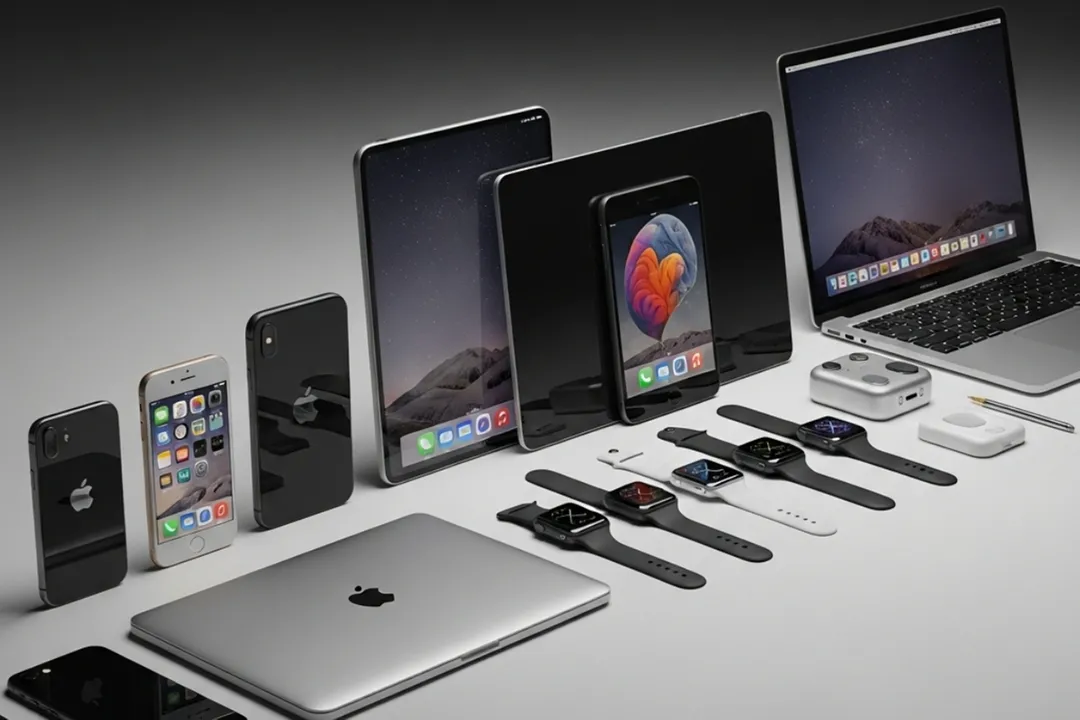
In a bold strategic maneuver, Apple has dramatically reshaped its technological landscape by discontinuing approximately 25 devices across its product lines in 2025, signaling a profound transformation in hardware strategy. This isn't merely a routine product refresh—it's a calculated dismantling of legacy technologies that reveals Apple's laser-focused vision for a more integrated, advanced ecosystem.
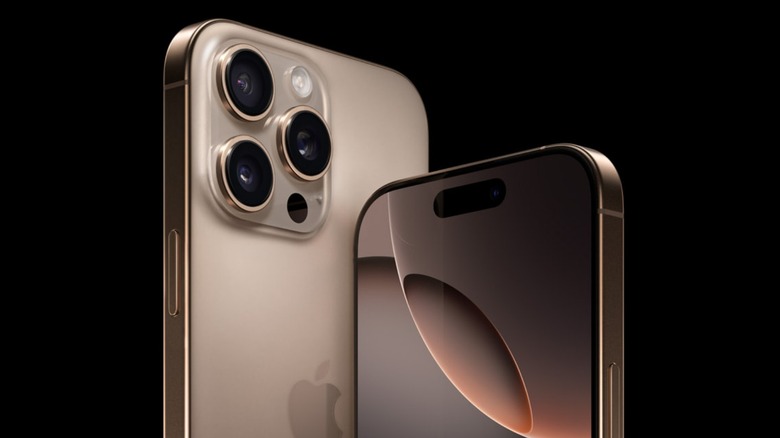
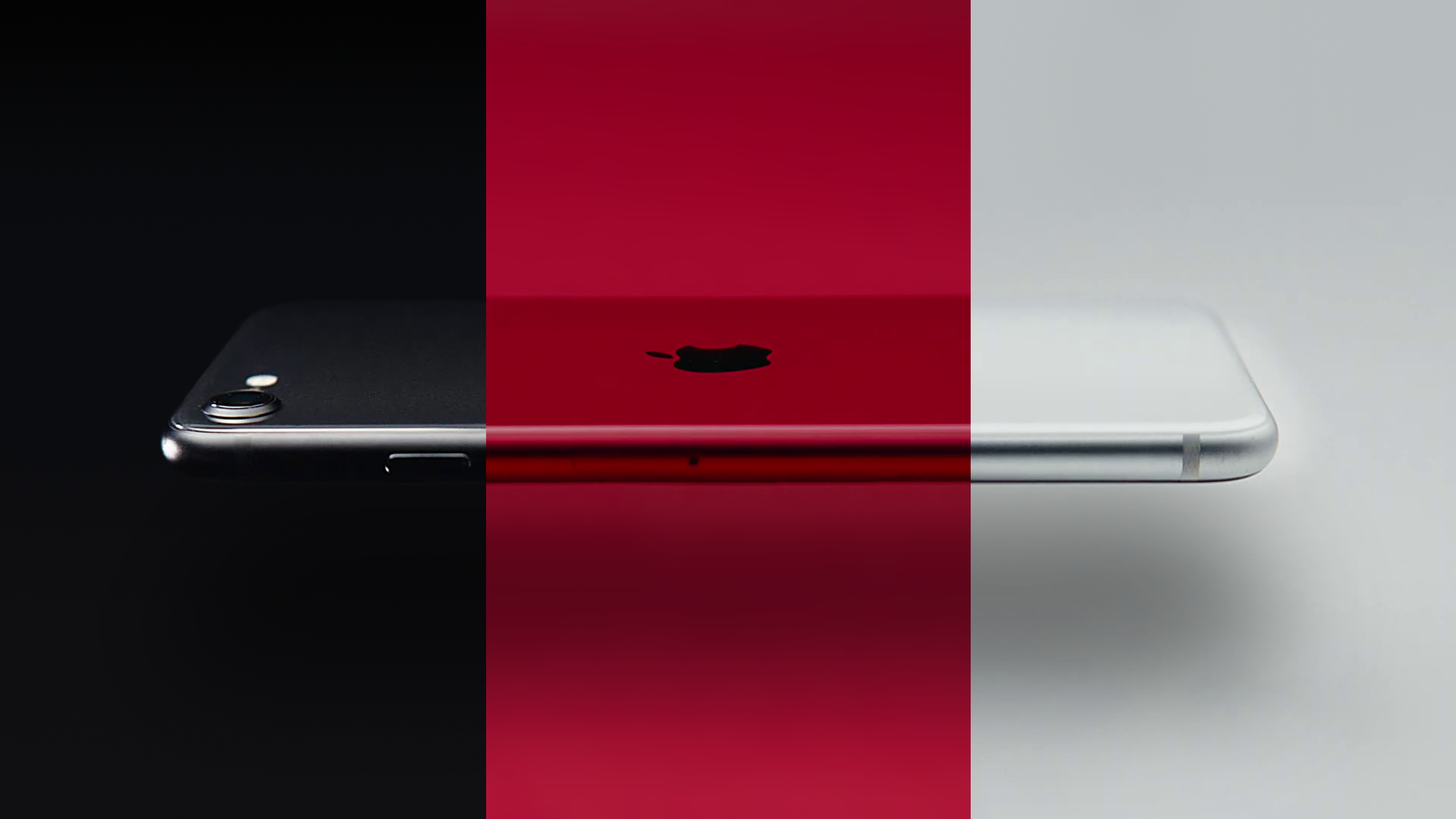
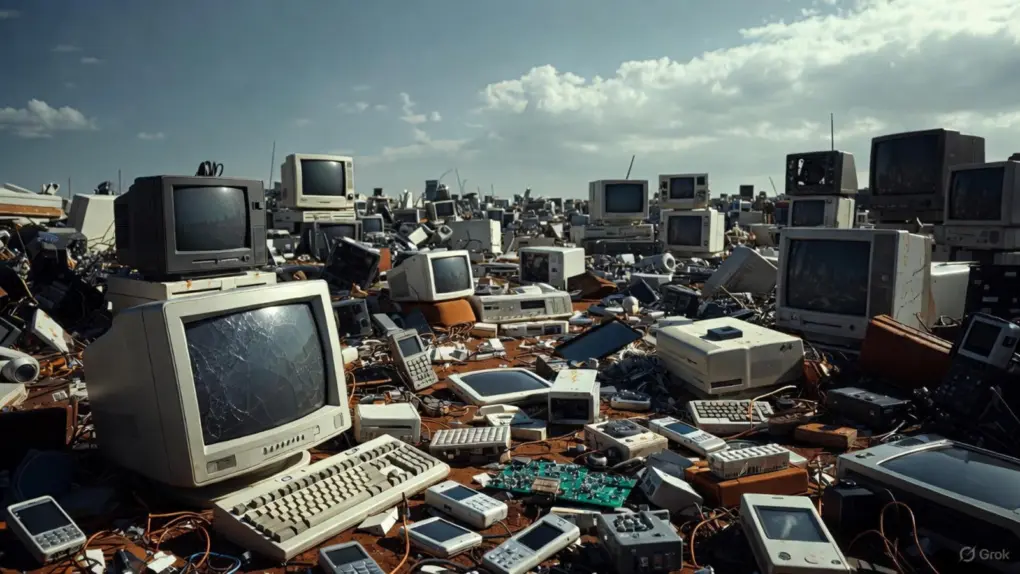
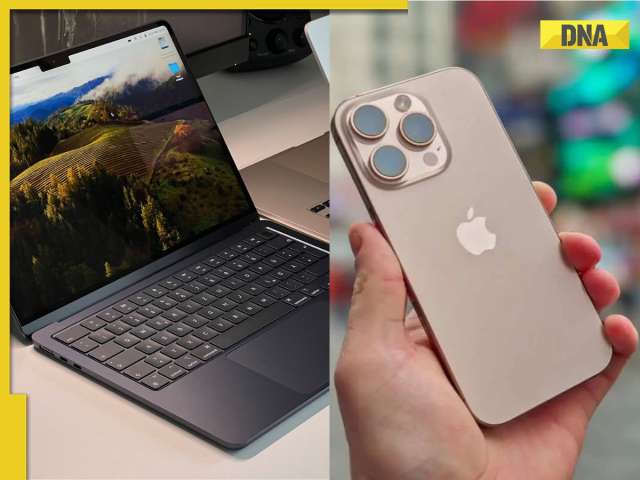
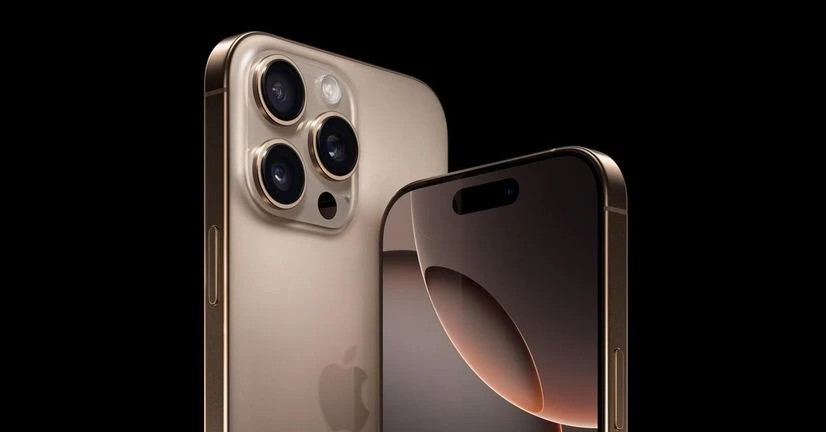
The iPhone SE's retirement marks the most symbolically significant shift, effectively closing the chapter on home buttons, Touch ID, and traditional connectivity options. By eliminating seven iPhone models, including the iPhone 16 Pro and iPhone 15 Plus, Apple is aggressively pushing the market toward newer design languages characterized by USB-C, OLED displays, and Face ID. The move extends beyond smartphones, with the iPad and Apple Watch lines also experiencing significant consolidation, phasing out M4 Pro, M2 Air models, and Series 10 and Ultra 2 devices.
For technology sellers and ecosystem partners, this represents a critical inflection point. The strategic reduction demands immediate adaptation—retailers must rapidly realign inventories, accessory manufacturers must pivot design strategies, and resellers must recalibrate pricing models. The discontinuation of older form factors creates a compelling opportunity for sellers specializing in modern, advanced device accessories that align with Apple's emerging technological standards.
Fundamentally, this represents more than a product lineup adjustment. It's a deliberate architectural redesign of Apple's hardware ecosystem, prioritizing innovation, technological convergence, and a more focused product strategy. By ruthlessly eliminating legacy technologies, Apple is signaling its commitment to pushing technological boundaries and creating a more cohesive, forward-looking hardware experience.
Questions 3
How will this impact consumer technology purchasing decisions?
Consumers will be nudged toward newer, more advanced devices with cutting-edge technologies. The discontinuation of older models like the iPhone SE signals that users will need to upgrade to stay within Apple's evolving ecosystem, potentially accelerating technology adoption and refresh cycles.
Why is Apple discontinuing so many devices in 2025?
Apple is strategically consolidating its product lineup to focus on more advanced, integrated technologies. By eliminating legacy devices like the iPhone SE, they're pushing the market toward newer design standards like USB-C, OLED displays, and Face ID, creating a more cohesive and technologically sophisticated ecosystem.