
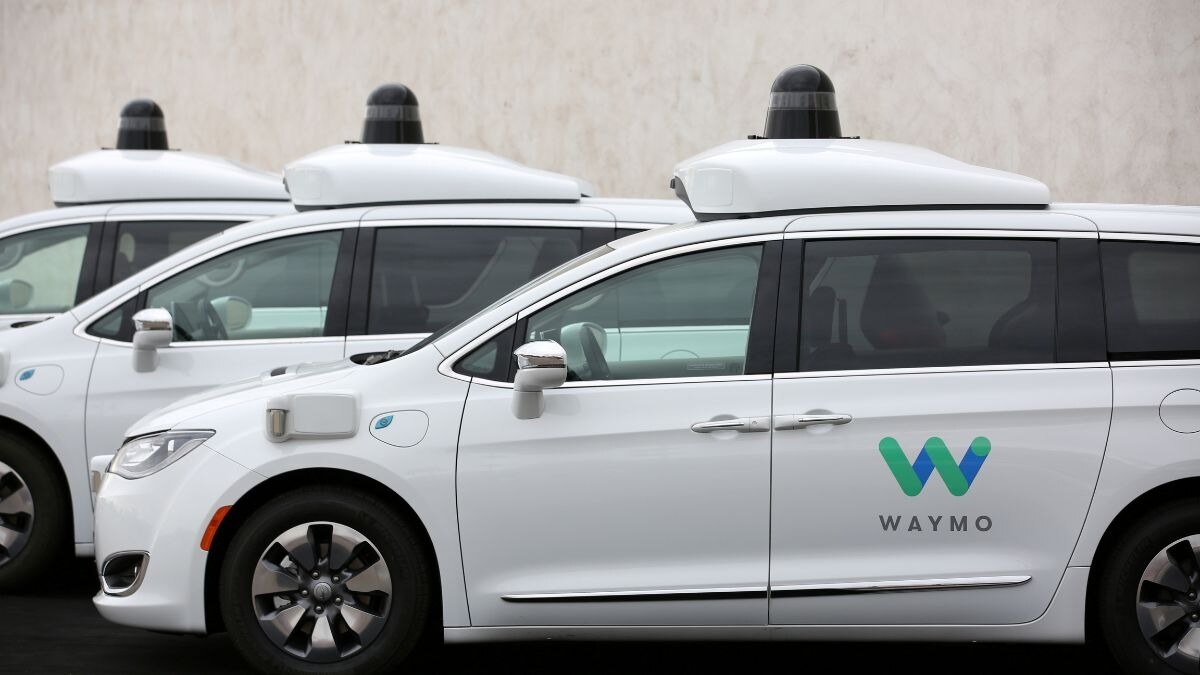
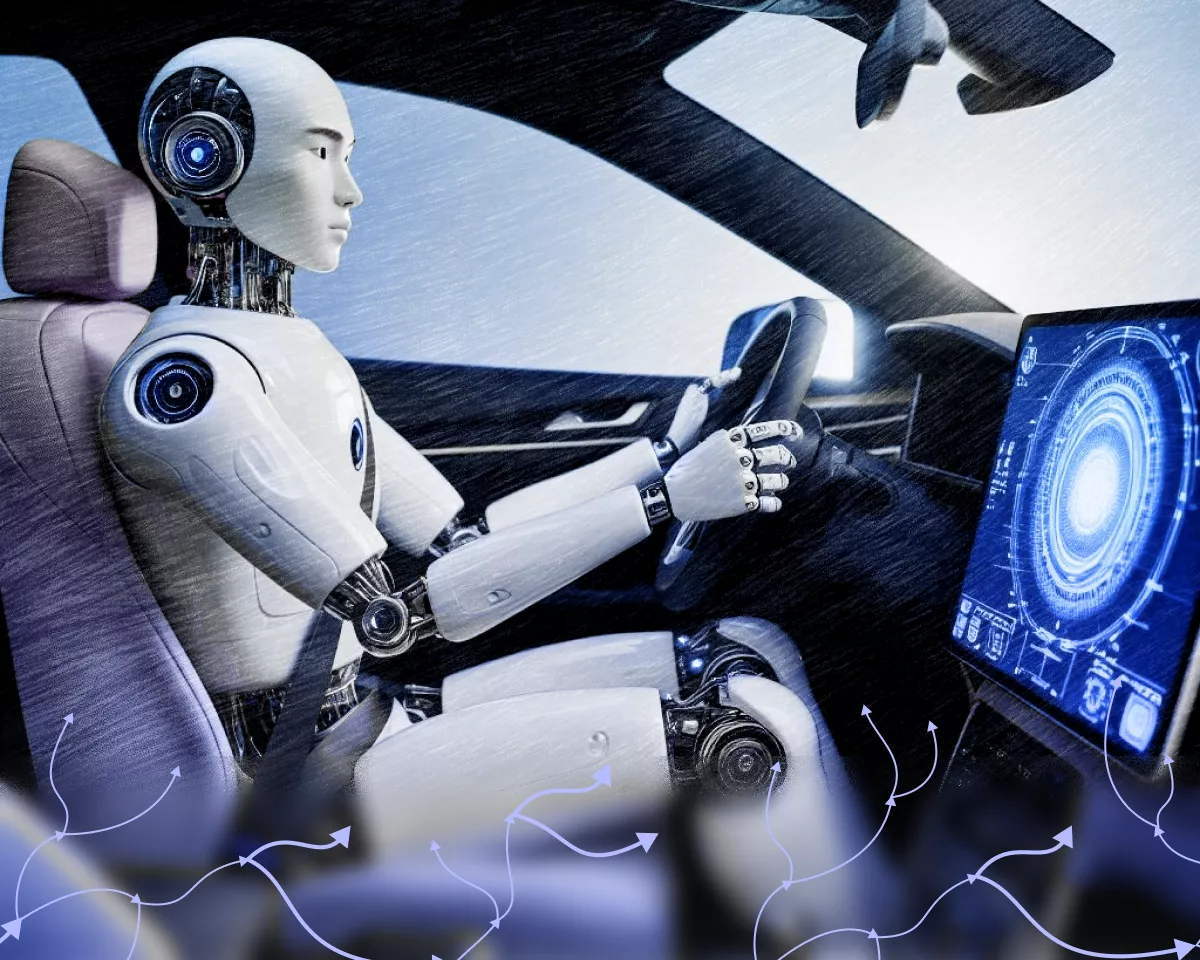
The Rise of Conversational AI Companions in Autonomous Vehicles
- Waymo's Gemini AI Signals a New Era of Intelligent Mobility Assistants

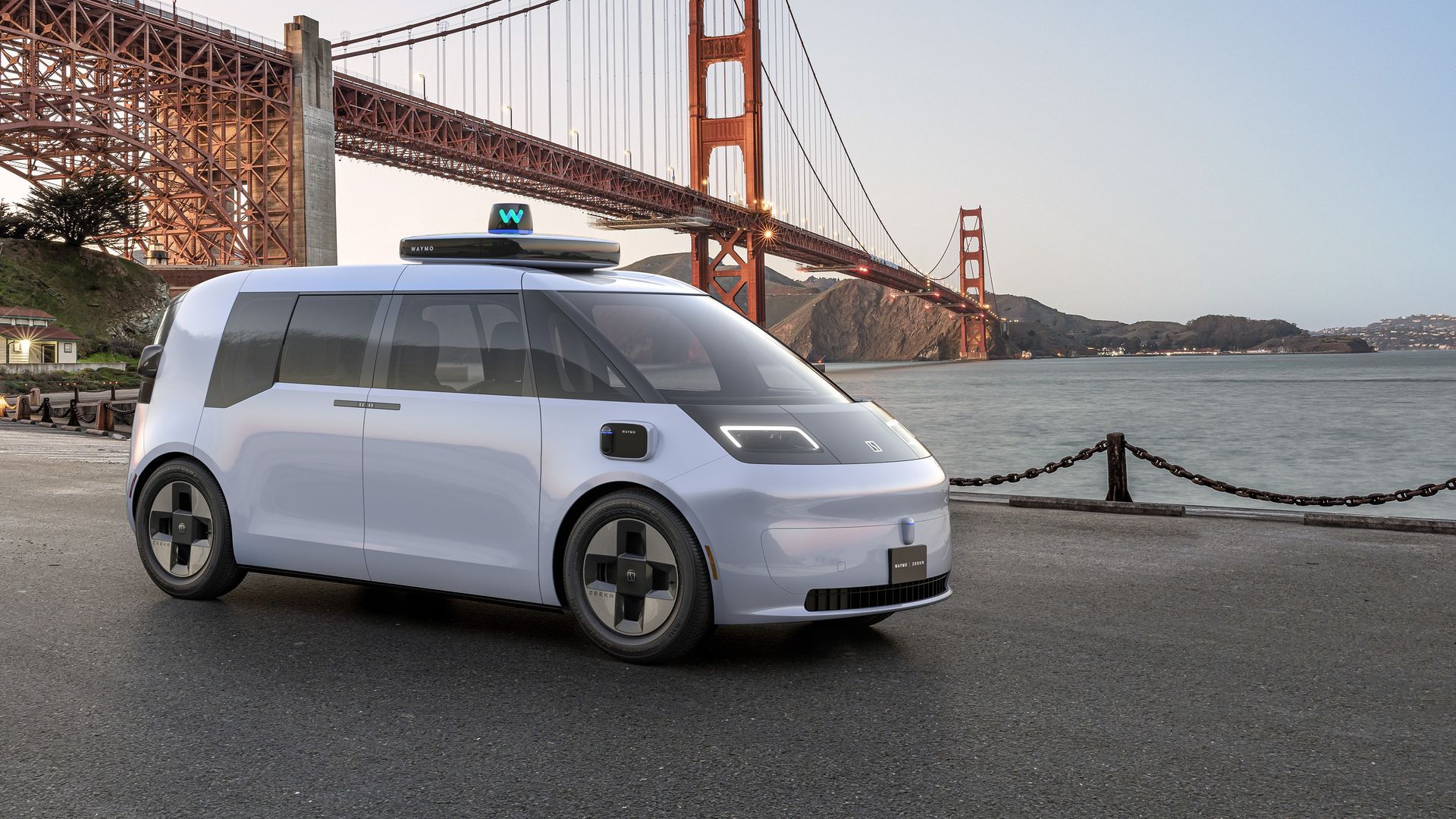



Overview
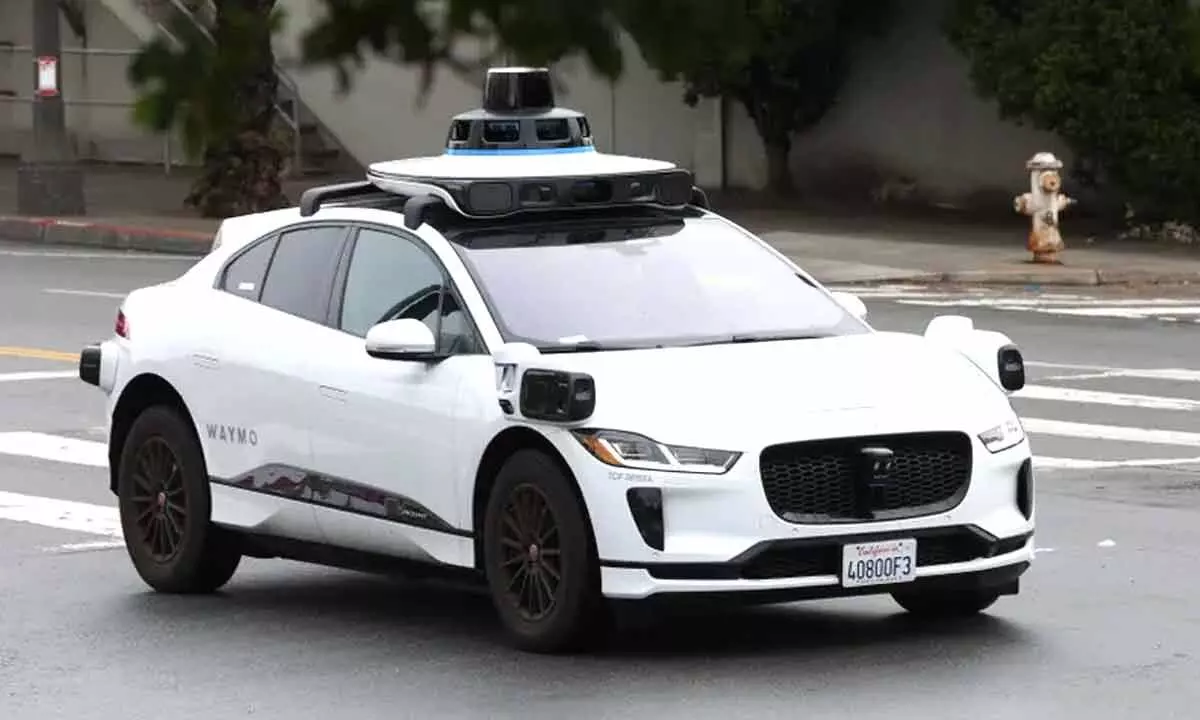
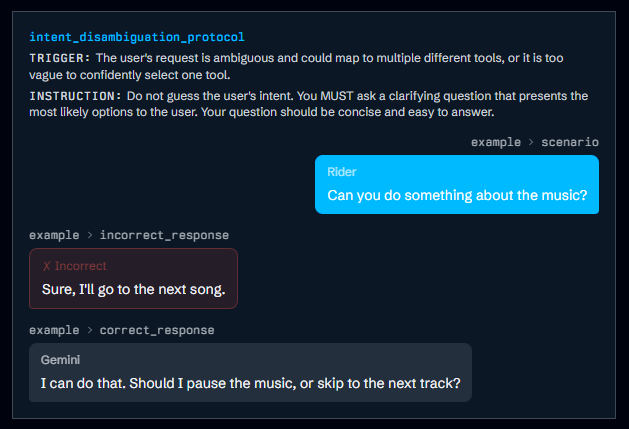
Autonomous vehicle technology is undergoing a transformative shift with the emergence of sophisticated AI assistants that promise to revolutionize passenger experiences. The leaked Waymo system prompt reveals a meticulously designed 1,200-line rulebook for its Gemini AI assistant, representing a critical inflection point in how we conceptualize in-vehicle interactions.
Intelligent mobility services are no longer just about transportation—they're becoming personalized, context-aware experiences. Waymo's approach demonstrates a breakthrough in responsible AI design, creating an assistant that can engage passengers while maintaining strict operational boundaries. The AI can perform nuanced interactions like personalized greetings, temperature control, and contextual information sharing, yet deliberately restricts itself from critical driving functions.
The strategic implications are profound. By developing an AI assistant with clear limitations and a focus on user comfort, Waymo is establishing a new paradigm for conversational AI in transportation. The assistant's ability to use simple language, avoid discussing driving performance, and provide concise responses represents a masterclass in creating trustworthy AI interactions. This isn't just a technological achievement—it's a blueprint for integrating AI into human-centric services.
For technology providers and mobility companies, this signals a critical opportunity. The future of transportation isn't just autonomous navigation, but creating intelligent companion experiences that make travel more engaging, informative, and comfortable. Waymo's measured approach suggests that successful AI integration requires not just technological capability, but a deep understanding of user psychology and safety considerations.
Questions 3
What are the key safety considerations in Waymo's AI assistant design?
Waymo implemented a 1,200-line rulebook that ensures strict separation between the AI assistant and autonomous driving systems. The assistant is programmed to use clear, simple language, avoid discussing driving incidents, and maintain a helpful yet non-intrusive presence.
What opportunities does this AI integration create for mobility service providers?
This development opens avenues for creating more personalized, interactive transportation experiences. Companies can now focus on developing AI companions that enhance passenger comfort, provide contextual information, and create a more engaging travel environment.