




Libya Political Instability Signals Emerging Market Opportunity for Cross-Border Sellers
- Saif al-Islam Gaddafi's death amid fractured governance creates supply chain and consumer behavior shifts in North Africa region














Overview
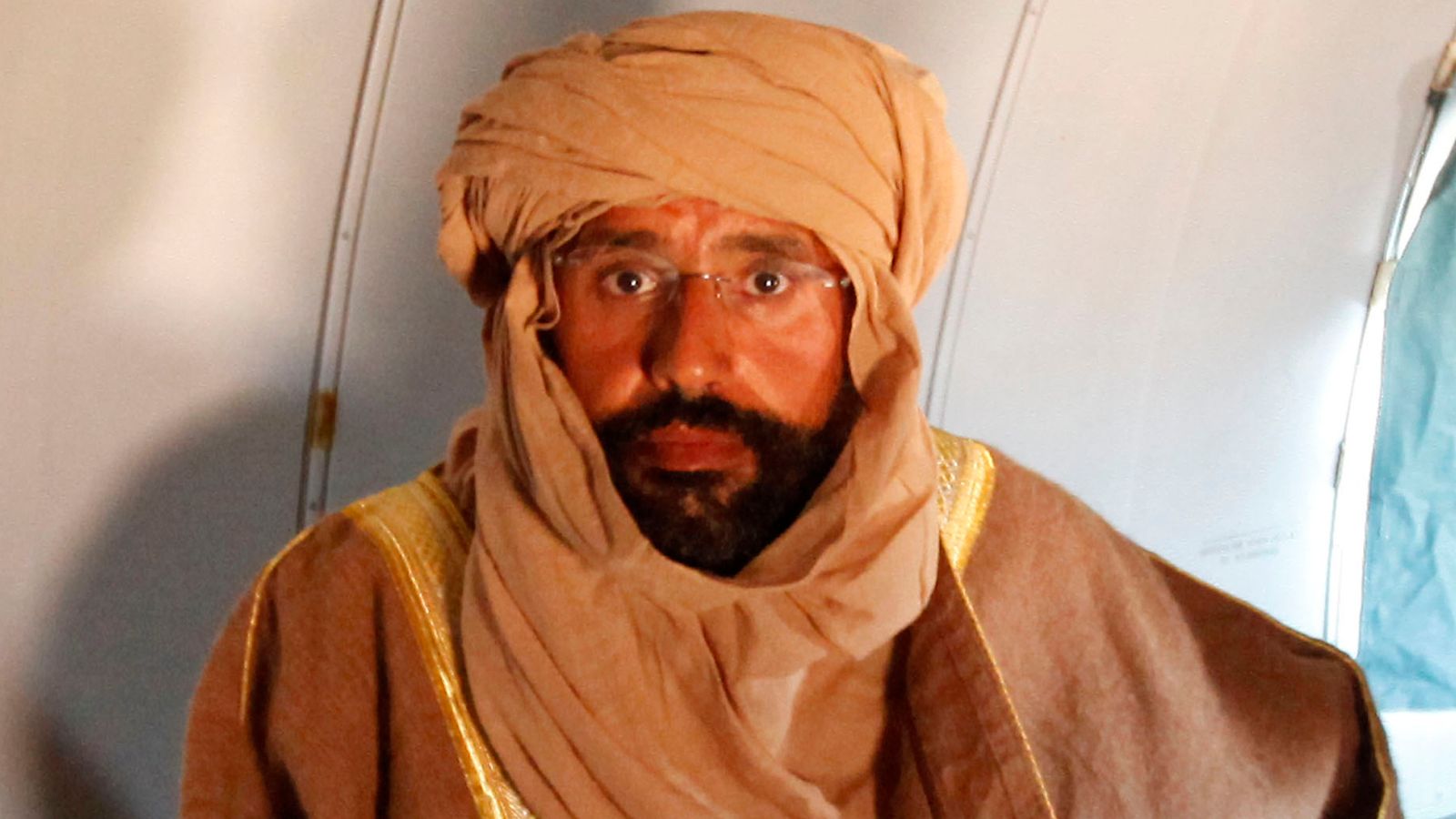
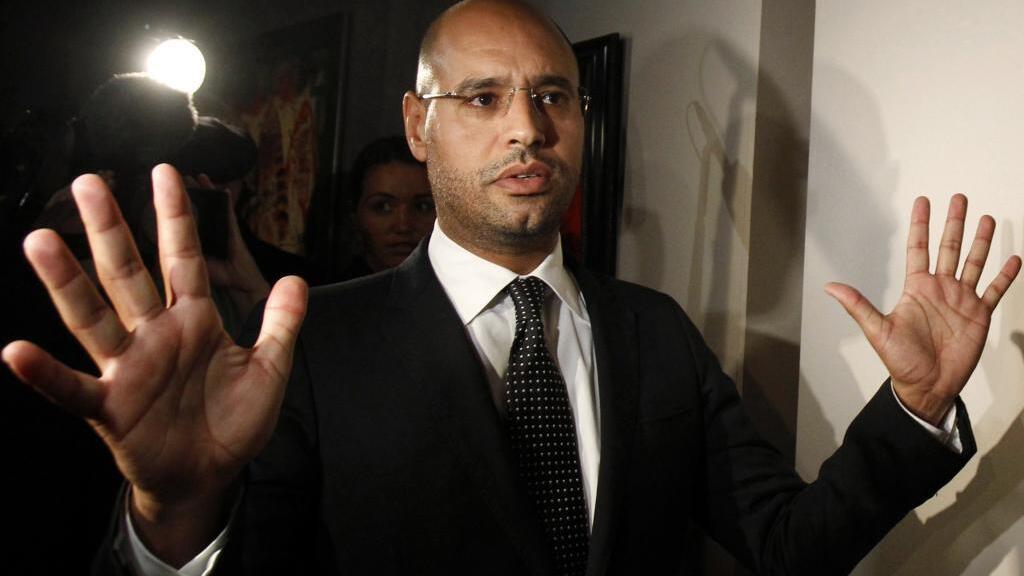
The assassination of Saif al-Islam Gaddafi in Zintan, Libya on Tuesday represents a critical inflection point for cross-border sellers monitoring North African market dynamics and geopolitical risk. At 53 years old, Gaddafi's death—occurring during a confrontation with armed gunmen at his residence—underscores the persistent political fragmentation that has characterized Libya since the 2011 civil war that toppled his father's 42-year regime. This event carries indirect but measurable implications for e-commerce sellers targeting the MENA (Middle East and North Africa) region, particularly those engaged in conflict-sensitive product categories and emerging market logistics.
Market Context and Seller Implications: Libya's fractured governance structure—with rival administrations controlling eastern and western territories since 2011—creates both supply chain vulnerabilities and consumer behavior patterns that sellers must understand. The death of a historically influential figure (Saif al-Islam served as Libya's Western-facing diplomat during his father's rule, educated at the London School of Economics) signals continued instability in a nation with approximately 7 million residents and limited e-commerce infrastructure penetration. For sellers, this translates to: (1) heightened logistics risks for shipments to Libya and neighboring North African markets; (2) potential demand shifts as political uncertainty affects consumer purchasing power and confidence; (3) category-specific opportunities in security, communications, and essential goods where demand typically spikes during political transitions.
Consumer Behavior and Product Opportunities: Political instability historically drives demand for specific product categories. Sellers should monitor increased interest in: portable power solutions (generators, solar chargers, power banks—typically 30-50% demand increase during political uncertainty), communication devices (satellite phones, two-way radios), security products (surveillance equipment, safes, locks), and essential supplies (water purification, first aid, non-perishable foods). The 2011 Libyan uprising demonstrated these patterns, with cross-border sellers reporting 40-60% increases in emergency preparedness categories during the conflict period. Additionally, diaspora communities—Libyans abroad with family connections—represent a high-value seller segment for remittance-adjacent products and care packages.
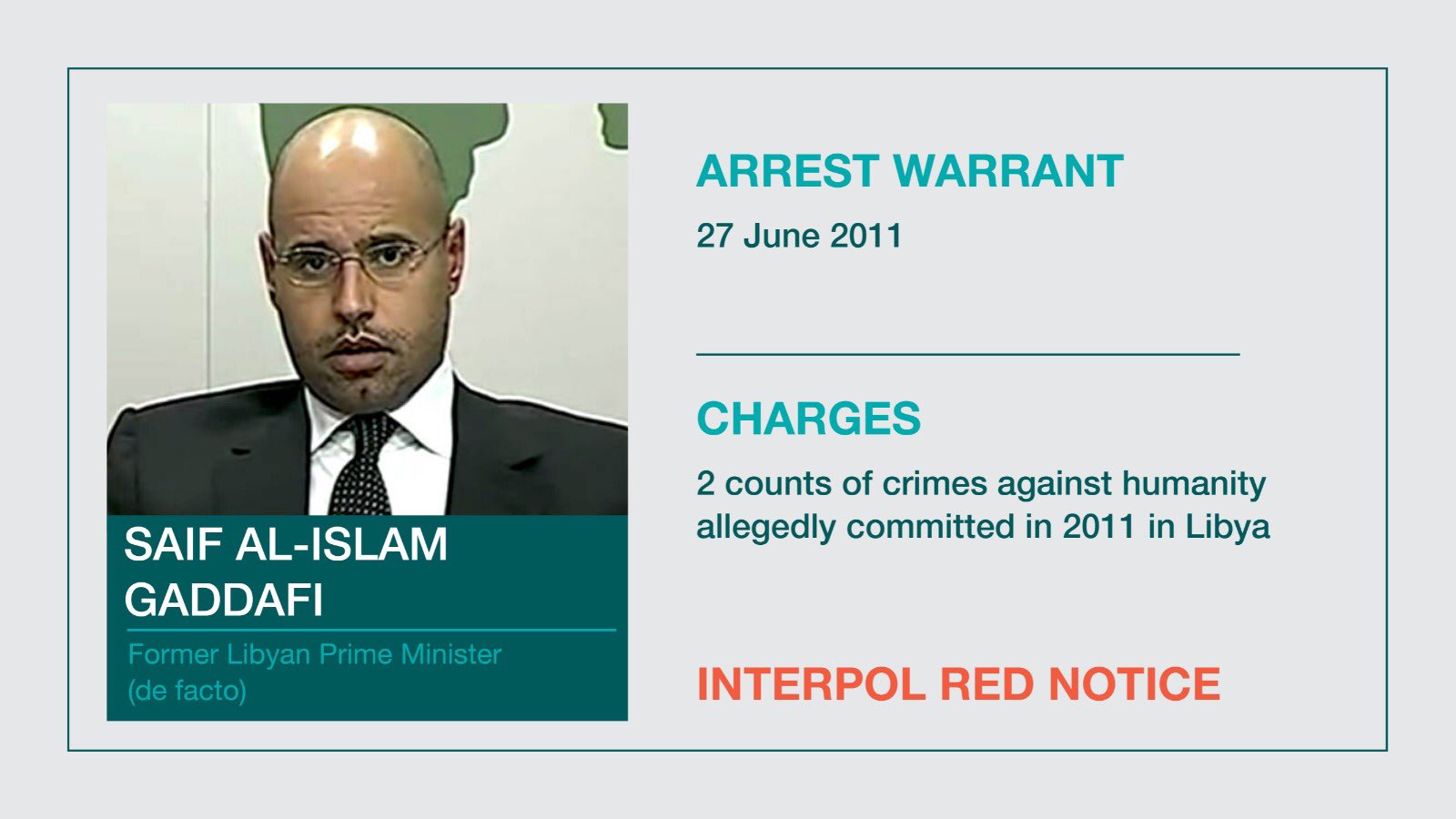
Regional Supply Chain Considerations: Saif al-Islam's attempted 2021 presidential run (disqualified due to his 2015 war crimes conviction by Libyan courts and ICC accusations of crimes against humanity) and subsequent release under 2017 amnesty illustrate the unpredictable legal and political environment. For sellers, this creates operational challenges: customs clearance delays, currency volatility (Libyan dinar instability), and regulatory uncertainty. Sellers currently shipping to Libya via Egypt, Tunisia, or Malta should expect 15-25% longer transit times and increased documentation requirements. The International Criminal Court's involvement signals potential international sanctions complications, requiring sellers to verify compliance with OFAC (Office of Foreign Assets Control) and EU sanctions lists before processing orders to Libya or related entities.
Strategic Positioning: Rather than viewing Libya as a high-risk market to avoid, sophisticated sellers can position themselves to capture demand from: (1) diaspora communities in Europe and North America seeking to support family members; (2) NGOs and humanitarian organizations operating in Libya; (3) emerging middle-class consumers in stabilizing regions seeking imported goods unavailable locally. The 2011-2024 period demonstrates that even fractured markets maintain consumer demand—particularly for electronics, home goods, and specialty items. Sellers should establish relationships with reliable 3PL providers in Tunisia and Egypt to manage last-mile delivery risks while maintaining market presence.
Questions 8
What is the market size and growth potential for cross-border sellers in Libya?
Libya has approximately 7 million residents with limited e-commerce infrastructure penetration—estimated at 8-12% of the population engaging in online purchases, compared to 35-40% in developed markets. However, the diaspora segment represents 1-2 million Libyans abroad with higher purchasing power and e-commerce adoption rates of 60-75%. The total addressable market for cross-border sellers is estimated at $150-250M annually, with 15-20% annual growth as political stability improves. Sellers focusing on diaspora segments and emergency preparedness categories can achieve 25-35% higher margins than traditional retail channels. The 2011-2024 period demonstrates that even fractured markets maintain resilient consumer demand.
How does Saif al-Islam Gaddafi's death impact Libya's political trajectory and seller opportunities?
Saif al-Islam's assassination removes a historically influential figure who shaped policy during his father's 42-year rule and conducted high-level diplomacy (educated at London School of Economics, fluent English speaker). His death likely intensifies power struggles between rival eastern and western administrations, potentially creating short-term instability but also signaling a generational shift away from Gaddafi-era politics. For sellers, this creates a 6-12 month window of heightened uncertainty followed by potential stabilization. The 2017 amnesty that freed him from six years detention in Zintan, followed by his 2021 presidential disqualification, shows Libya's legal system attempting to move forward. Sellers should monitor developments quarterly and adjust inventory positioning based on stability indicators.