



Netflix Scores Game-Changing NFL Streaming Touchdown
- Digital Media Transformation Reshapes Sports Broadcasting Ecosystem for Global Content Providers









Overview
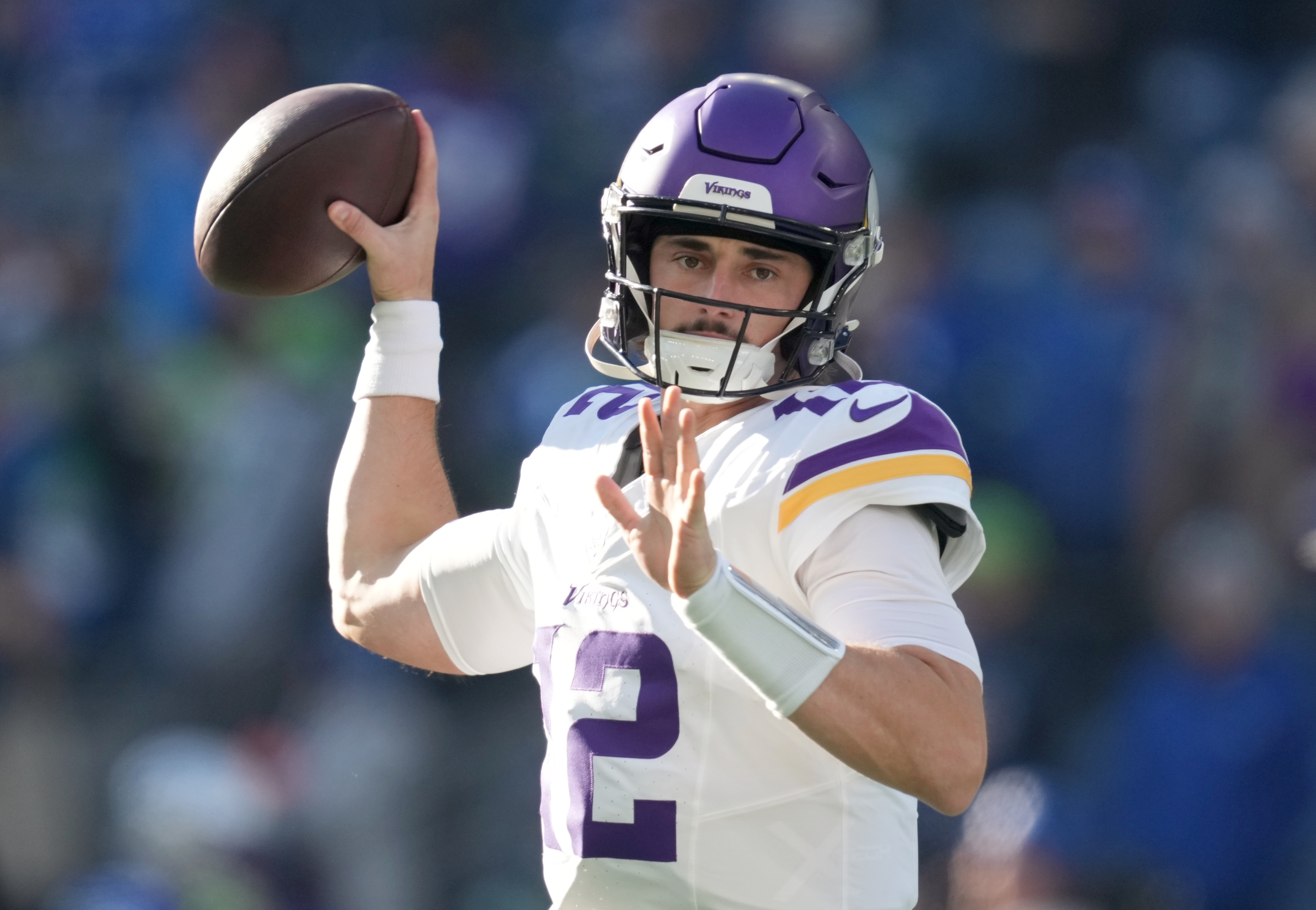
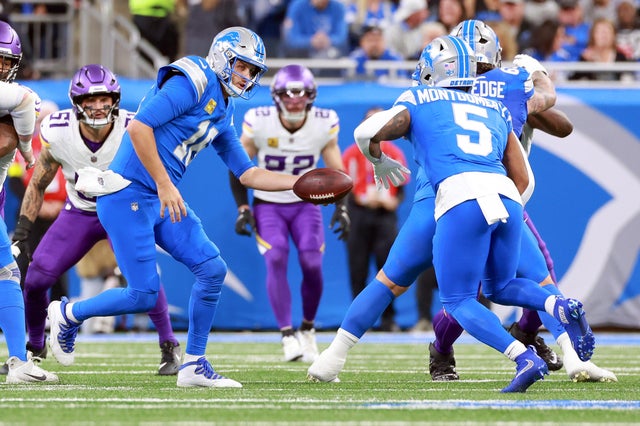
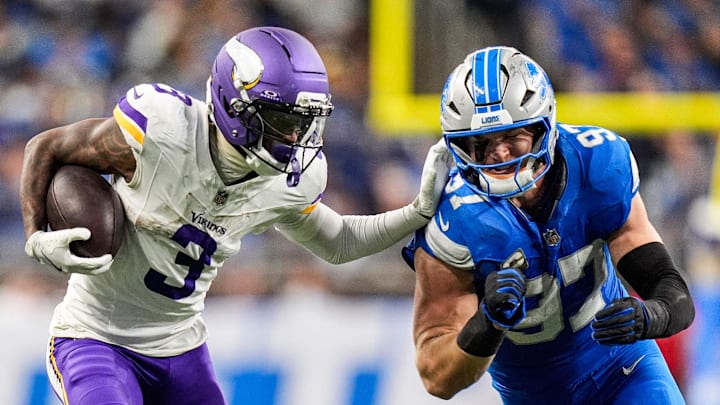
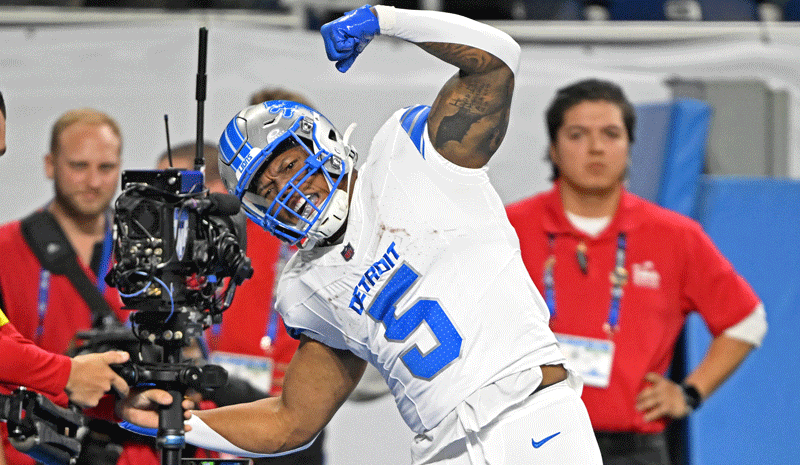
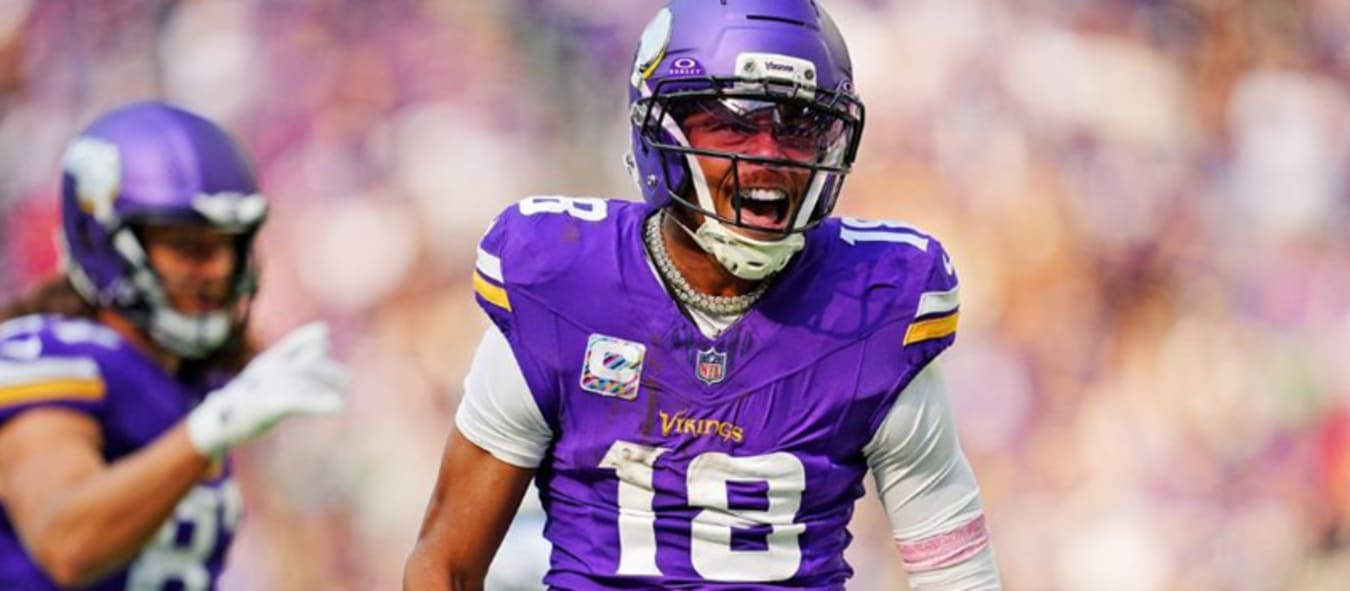
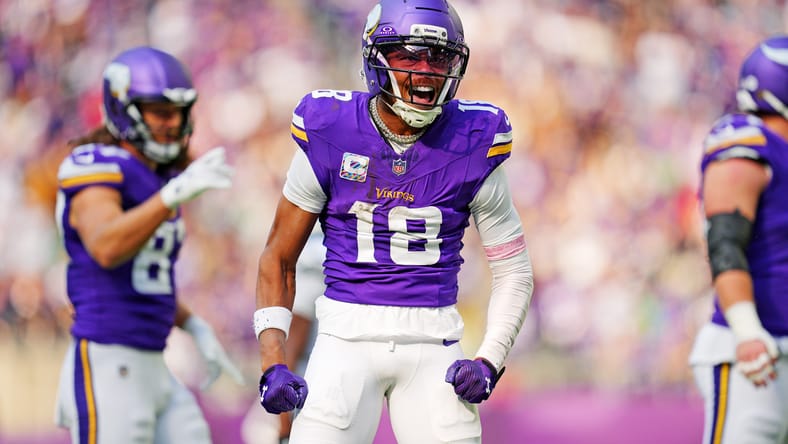
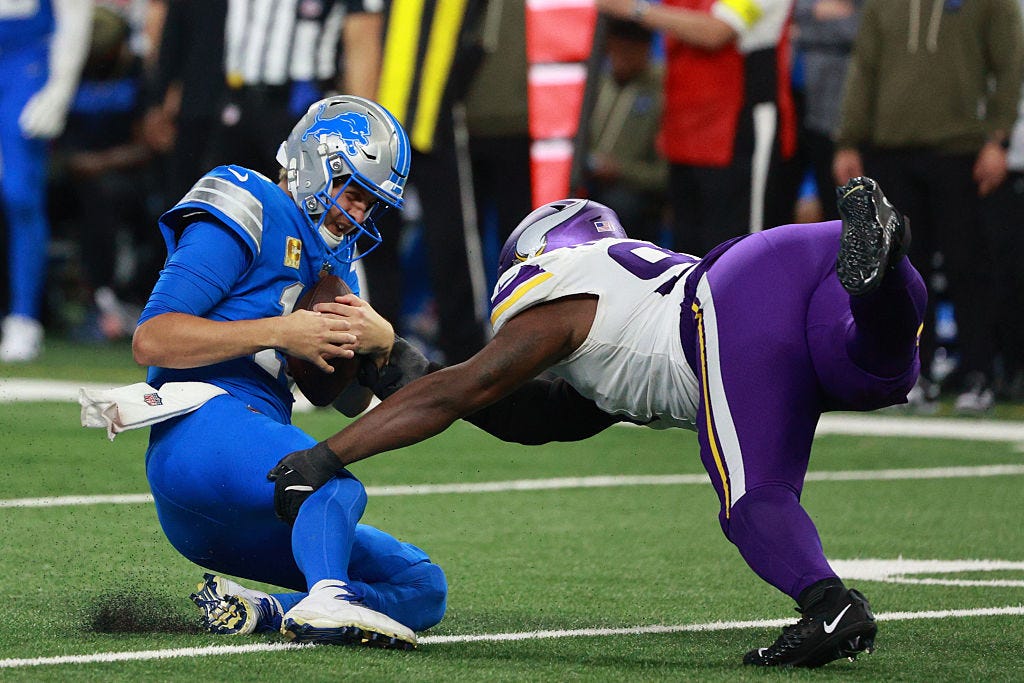
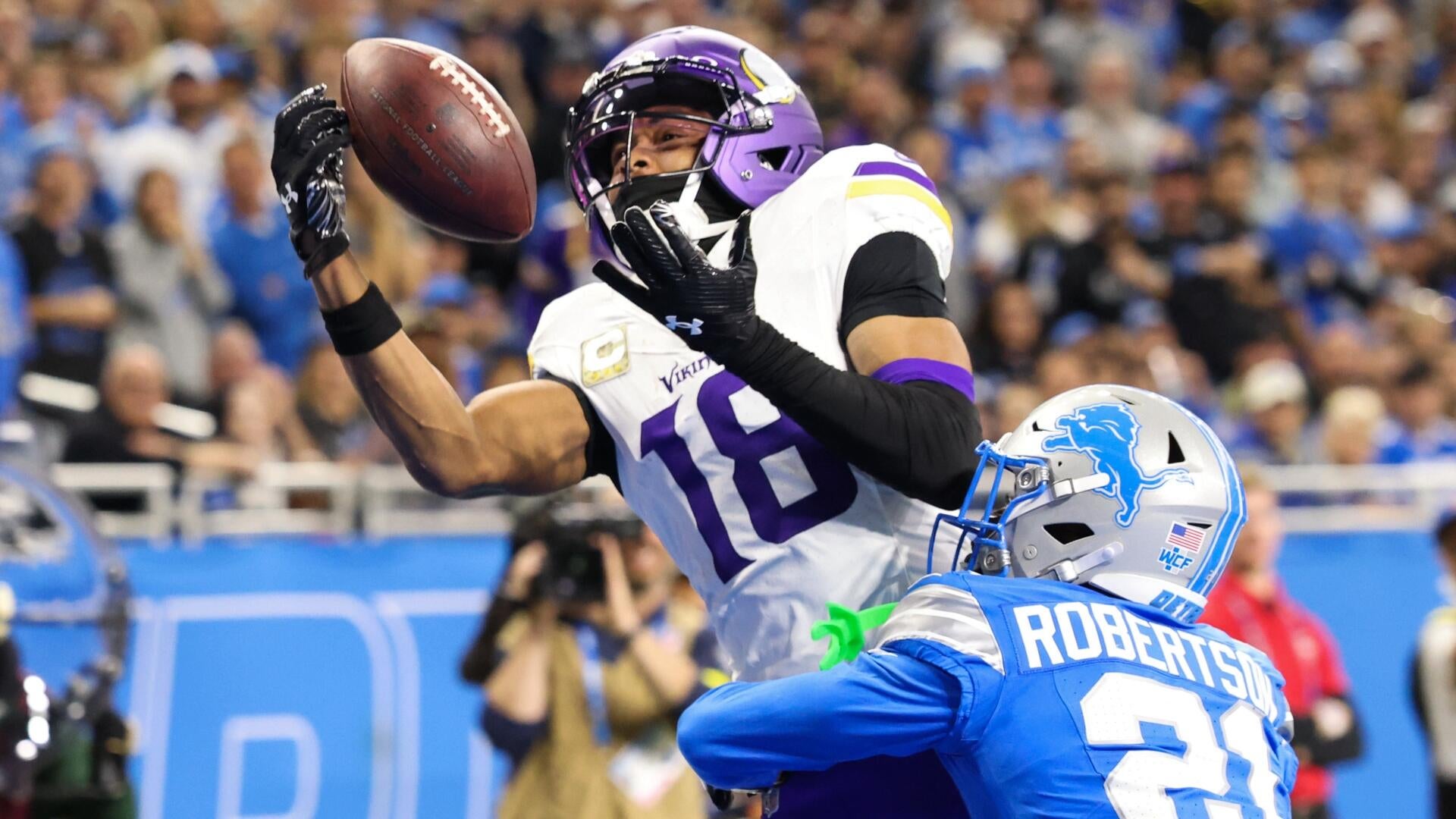
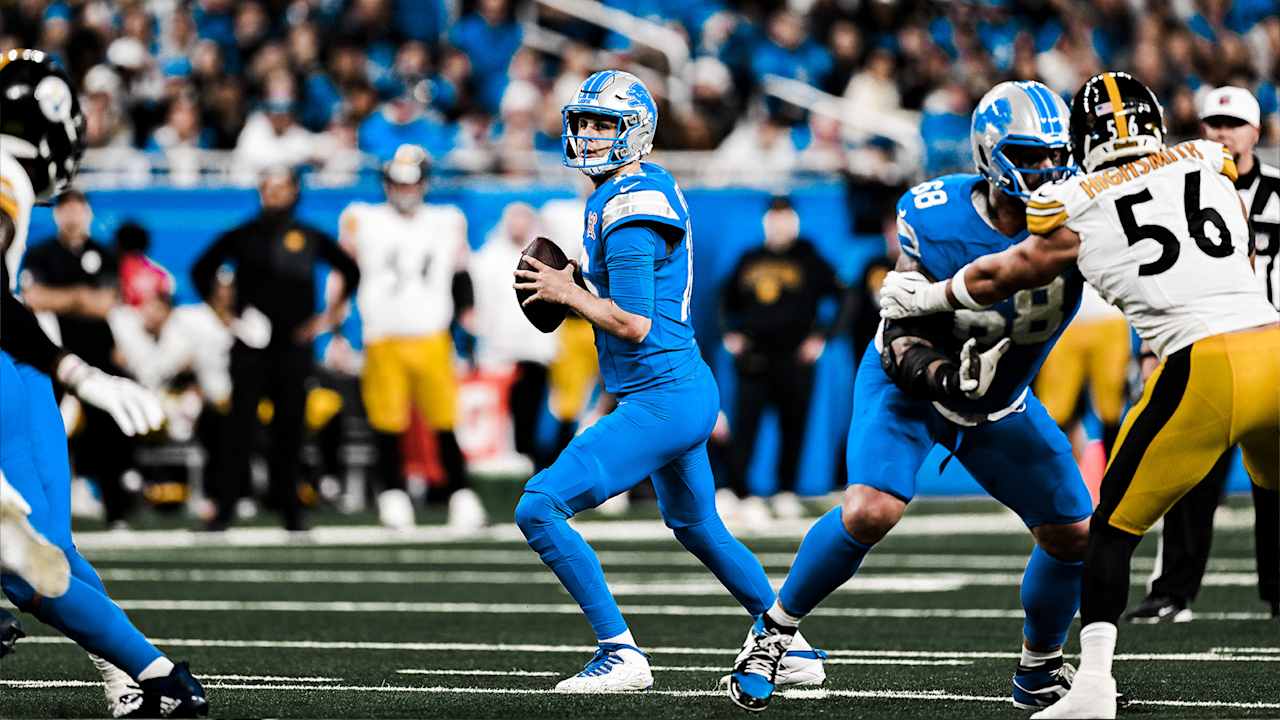
The digital media landscape is experiencing a seismic shift as streaming platforms increasingly penetrate live sports broadcasting, with Netflix pioneering a groundbreaking collaboration with the NFL that signals a profound transformation in content distribution strategies. By exclusively broadcasting the Lions-Vikings Christmas Day game on December 25, 2025, Netflix is not merely streaming a sporting event, but rewriting the playbook for how digital platforms engage audiences.
Streaming Disruption Dynamics reveal a strategic pivot that goes beyond traditional media boundaries. The game will be simultaneously available on Netflix and local CBS affiliate stations, offering fans multiple viewing options with subscription tiers ranging from $7.99 to $24.99 per month. The Premium Netflix plan's 4K Ultra HD streaming capability, supporting up to four devices, demonstrates the platform's technological edge in delivering premium sports content.
This development represents more than a single game broadcast—it's a calculated move in the digital content ecosystem. Streaming platforms are aggressively expanding into live sports, potentially disrupting established TV models and creating new opportunities for e-commerce and digital service providers. The NFL's innovative distribution approach targets younger, digital-native audiences, recognizing that content consumption habits are fundamentally changing.
The strategic implications are profound. By partnering with Netflix, the NFL is not just finding a new broadcasting channel but reimagining sports media consumption. E-commerce sellers and digital platforms should take note: this signals a broader trend of convergence between entertainment, technology, and sports content. The ability to deliver high-quality, flexible viewing experiences is becoming a critical competitive differentiator.
For global digital content providers, this represents a watershed moment. The traditional boundaries between streaming services, sports leagues, and media platforms are blurring, creating unprecedented opportunities for innovative content distribution strategies. Sellers and marketers must adapt quickly, recognizing that audience engagement now transcends traditional media channels.
Questions 3
How significant is Netflix's NFL game streaming for digital media?
This represents a major strategic breakthrough, signaling streaming platforms' serious intent to compete in live sports broadcasting. By securing an exclusive NFL game, Netflix is demonstrating its capability to deliver premium live content and potentially disrupting traditional sports media distribution models.
What opportunities does this create for e-commerce and digital service providers?
The NFL-Netflix partnership opens new avenues for content monetization, audience targeting, and innovative advertising strategies. Digital platforms can now explore bundled services, targeted sports content packages, and more sophisticated audience engagement techniques.