

From Rivalry to Respect: How Professional Relationships Transform in High-Stakes Sports
- A deep dive into leadership dynamics and personal growth in professional athletics

Overview
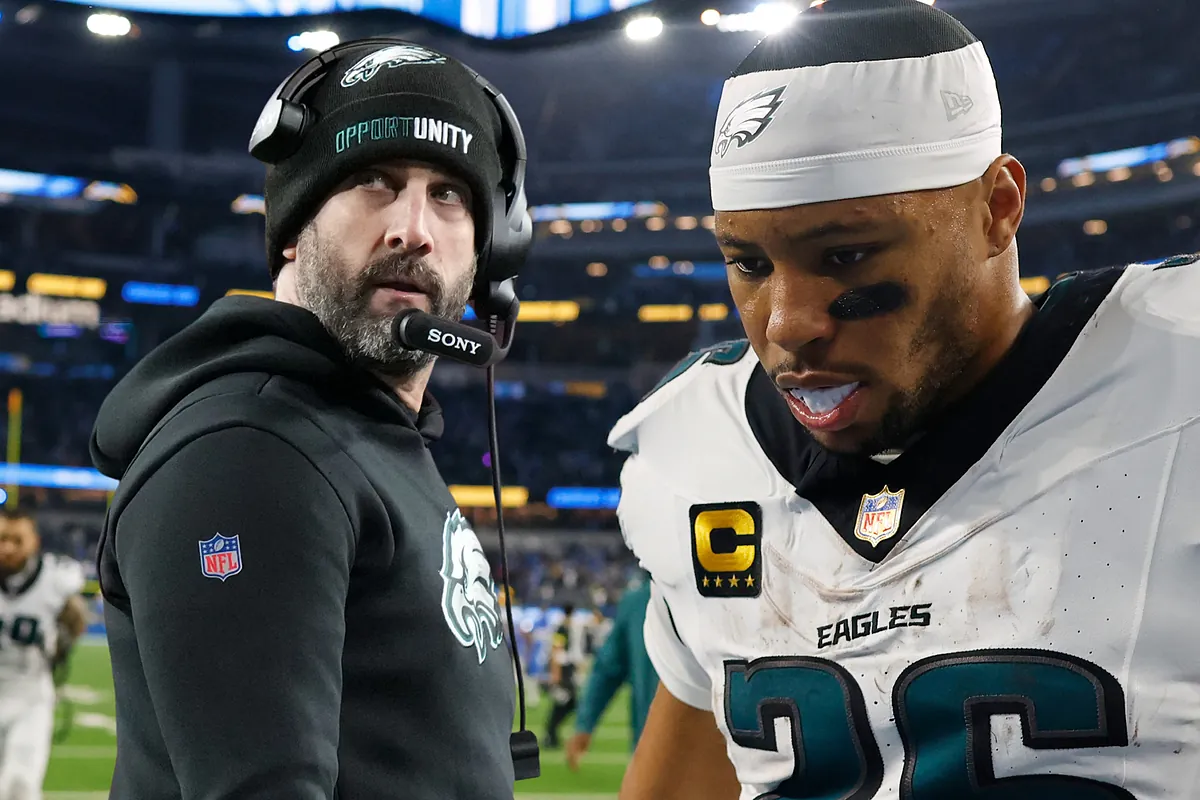
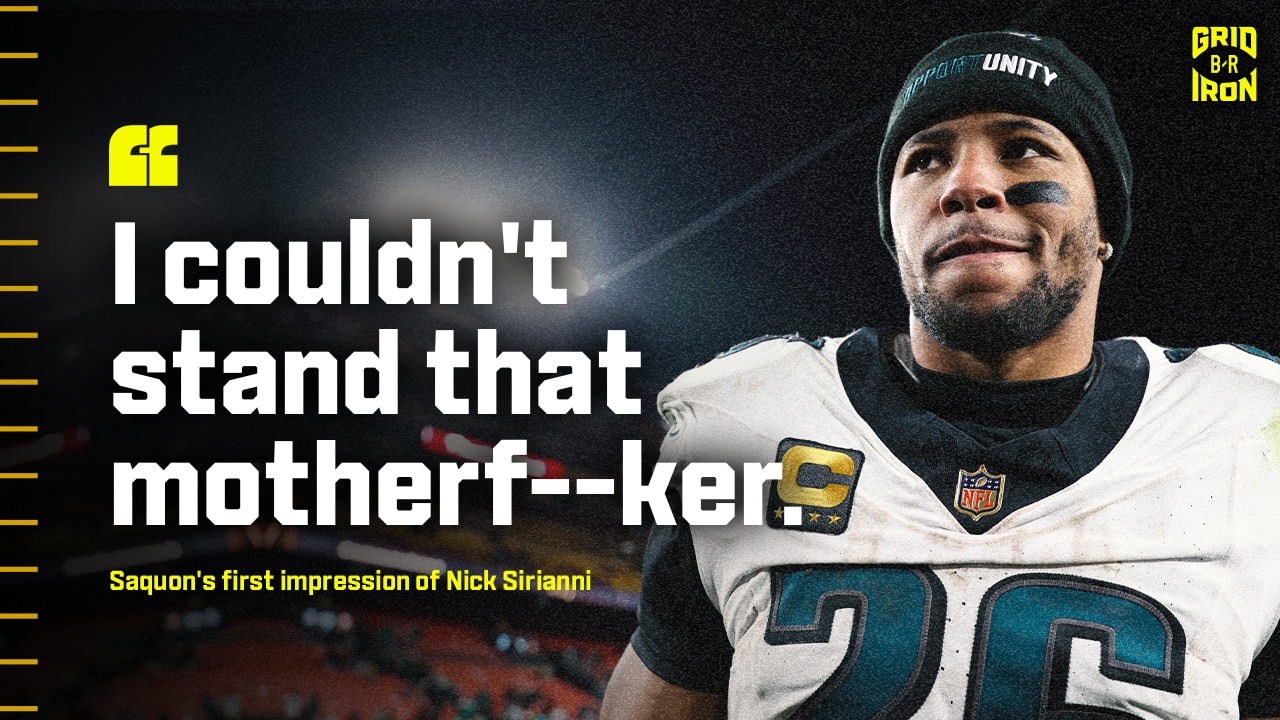
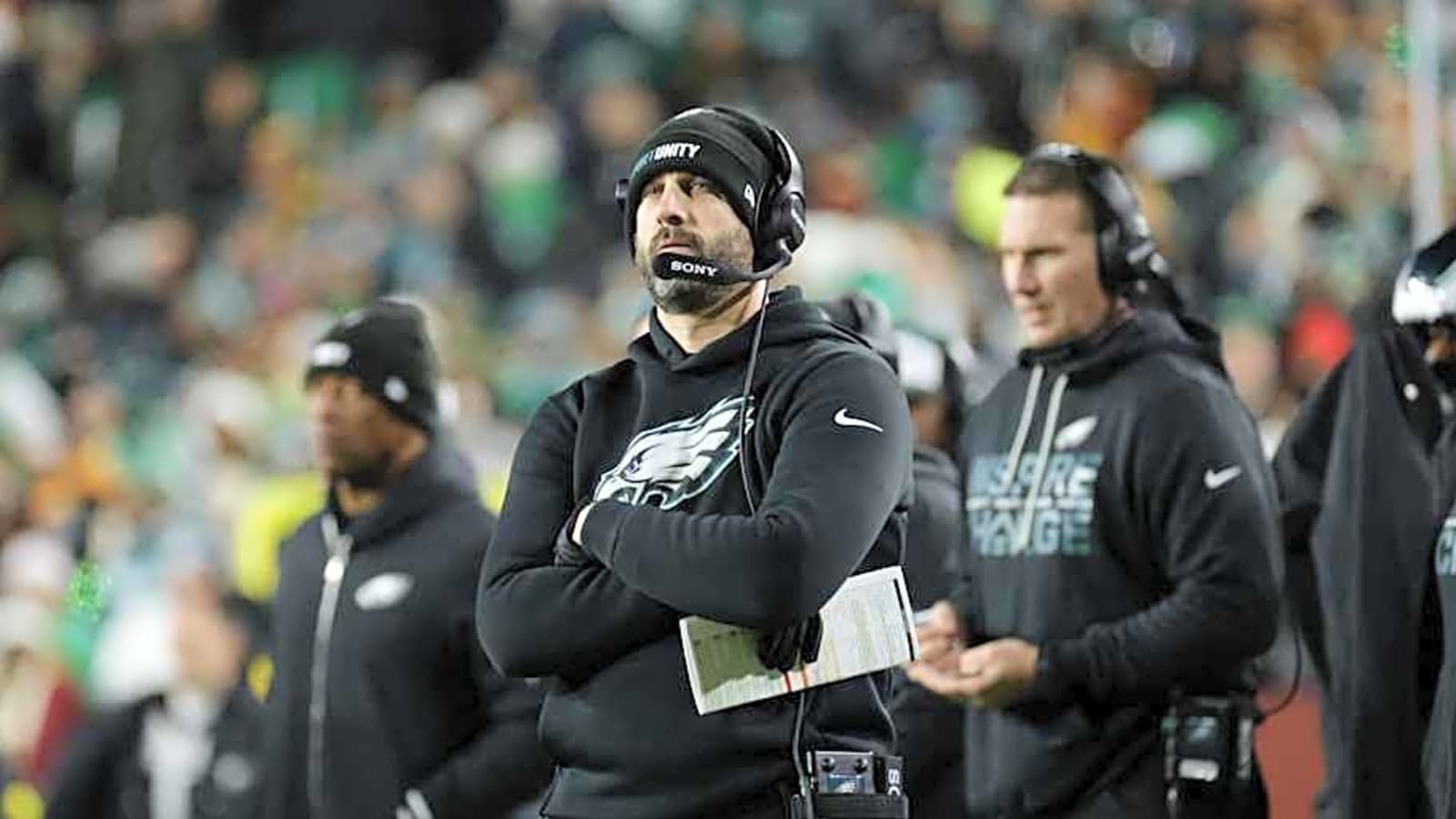
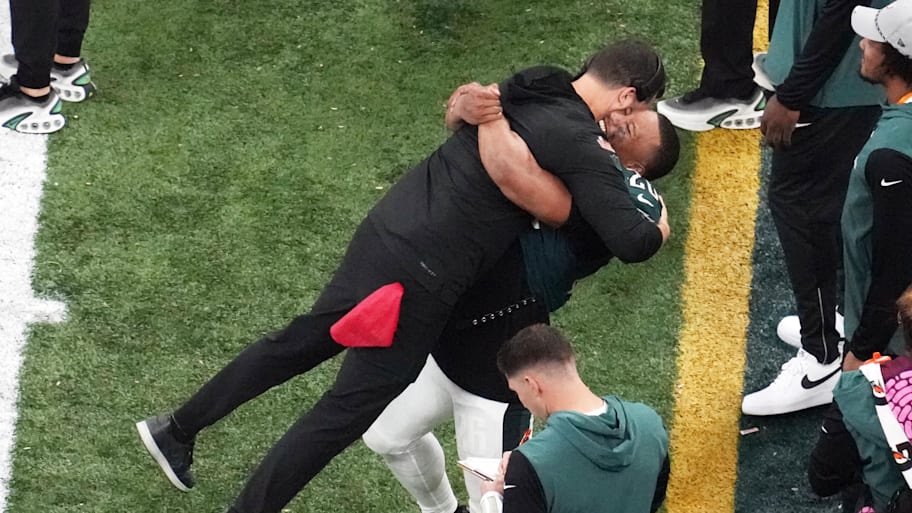
The narrative of Saquon Barkley and Nick Sirianni represents a profound case study in professional relationship evolution, revealing how direct collaboration can dramatically reshape perceptions and unlock unexpected potential. Initially, Barkley harbored intense dislike for Sirianni, openly stating he "couldn't stand" the coach while playing for a rival team. However, upon joining the Philadelphia Eagles, his perspective underwent a remarkable transformation that speaks to deeper dynamics of professional respect and leadership.
Relationship Metamorphosis in Professional Sports emerges as the core insight from these reports. Barkley's journey from antagonism to passionate support highlights how proximity, shared goals, and authentic leadership can dissolve pre-existing biases. Despite Sirianni's impressive yet underrecognized achievements—including a 5th-best coaching record in NFL history and two Super Bowl appearances—he remained overlooked in Coach of the Year voting. Barkley's vocal advocacy becomes a powerful testament to the coach's genuine approach and meticulous attention to fundamentals.
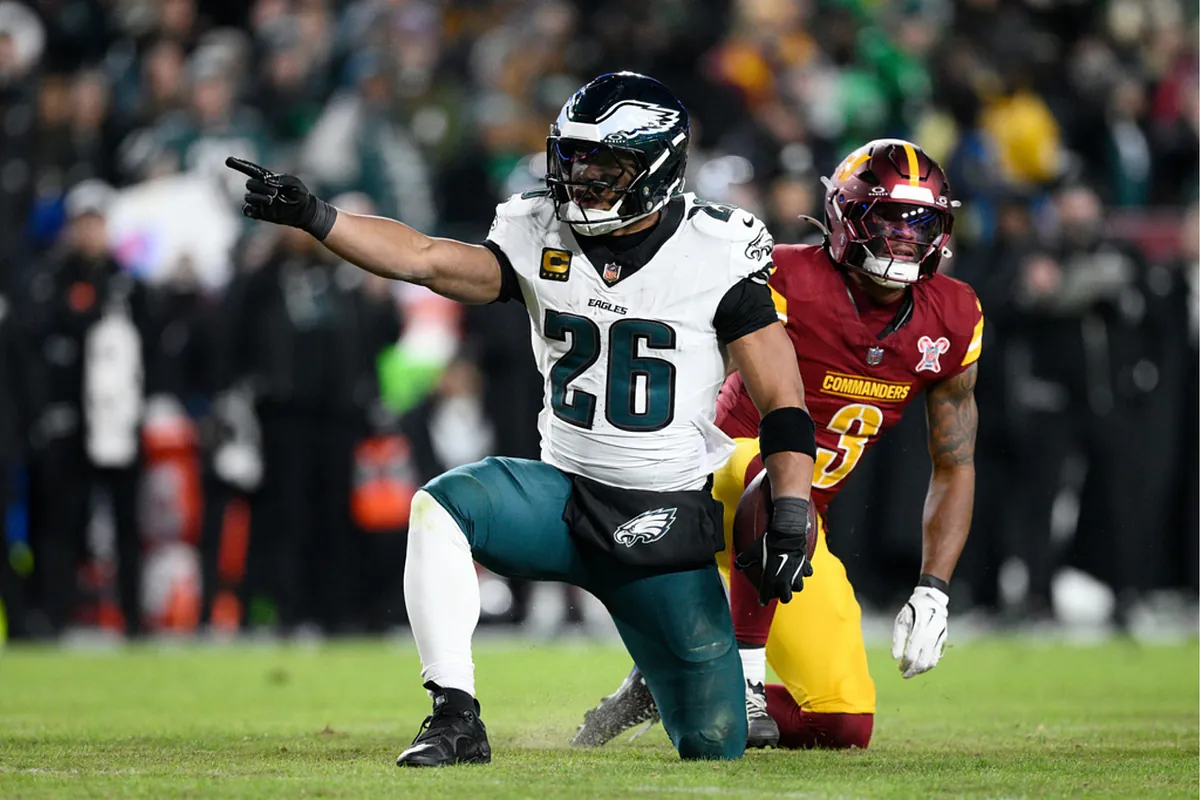
The strategic significance lies in understanding how professional chemistry transcends initial impressions. Barkley's transformation culminated in a breakthrough 2024 season, where he ran for an extraordinary 2,005 yards and secured a Super Bowl victory. This narrative isn't just about personal growth but illustrates a broader principle: successful teams are built on the ability to convert potential conflict into collaborative energy.
What makes this story particularly compelling is the raw authenticity of Barkley's evolution. From explicitly stating he "couldn't stand that motherf--ker" to declaring Sirianni the "best coach in the league," his journey reveals the nuanced human dynamics underlying elite performance. The key lesson emerges: true leadership isn't about universal likability, but about consistent performance, genuine commitment, and the capacity to inspire genuine respect.
For leaders and professionals across industries, this story offers a powerful reminder: initial perceptions can be dramatically reshaped through direct engagement, shared challenges, and demonstrated competence. Sirianni and Barkley's relationship becomes a microcosm of how professional ecosystems truly function—not through superficial harmony, but through deep, sometimes uncomfortable, collaborative processes.
Questions 3
What can professionals learn from this relationship evolution?
The key lesson is that professional relationships can dramatically transform through direct engagement, shared goals, and demonstrated competence. Initial perceptions are not permanent, and true respect is earned through consistent performance and genuine commitment.
How did Saquon Barkley's perception of Nick Sirianni change?
Barkley transformed from actively disliking Sirianni while with the New York Giants to becoming his strongest advocate after joining the Philadelphia Eagles. This shift occurred through direct collaboration, experiencing Sirianni's coaching approach firsthand, and witnessing the team's success.