



Fed Chair Succession Uncertainty Signals Rate Stability | E-Commerce Seller Planning Guide
- Political gridlock over Warsh nomination creates 6-12 month rate policy uncertainty affecting seller financing costs and consumer purchasing power across all categories







Overview
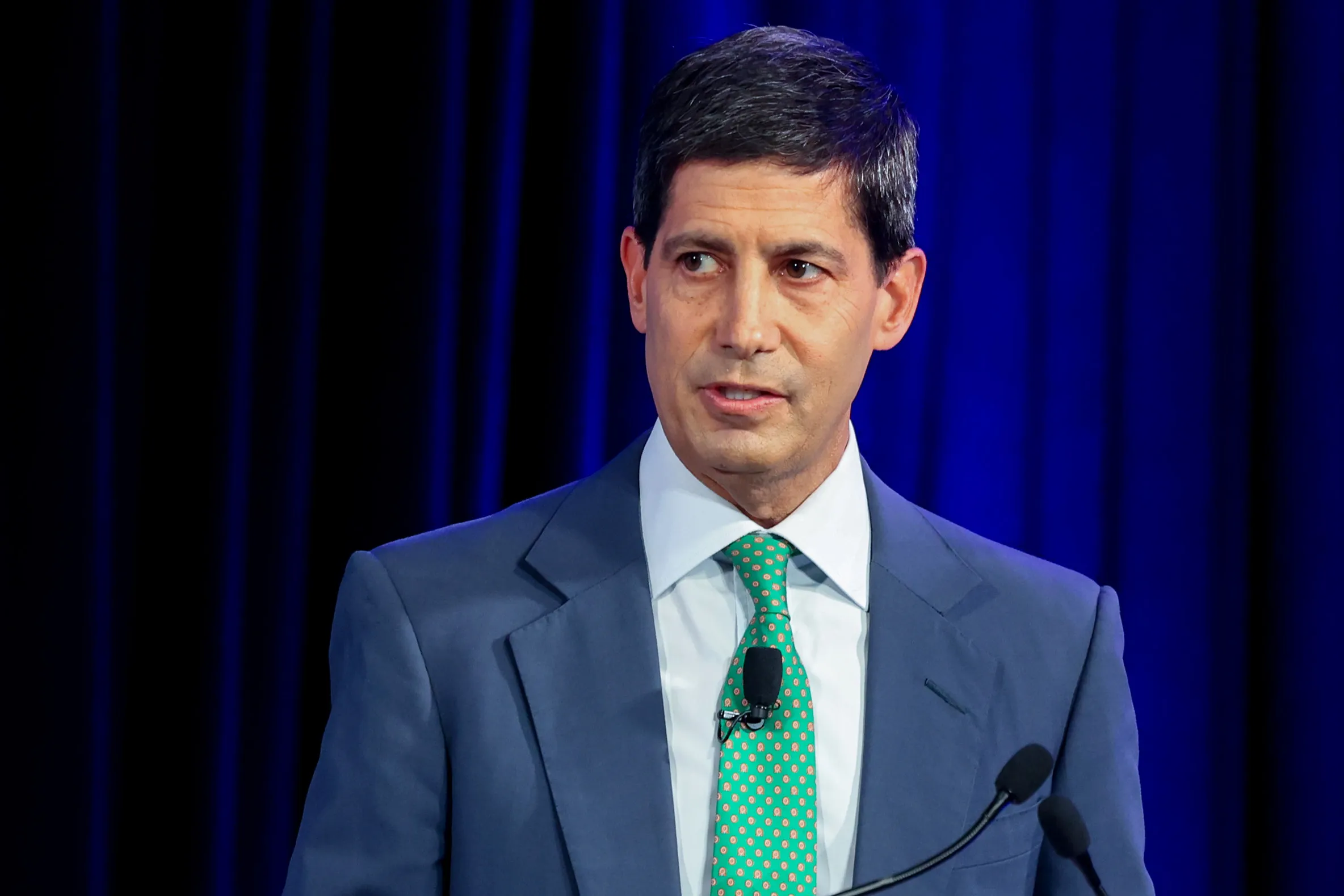
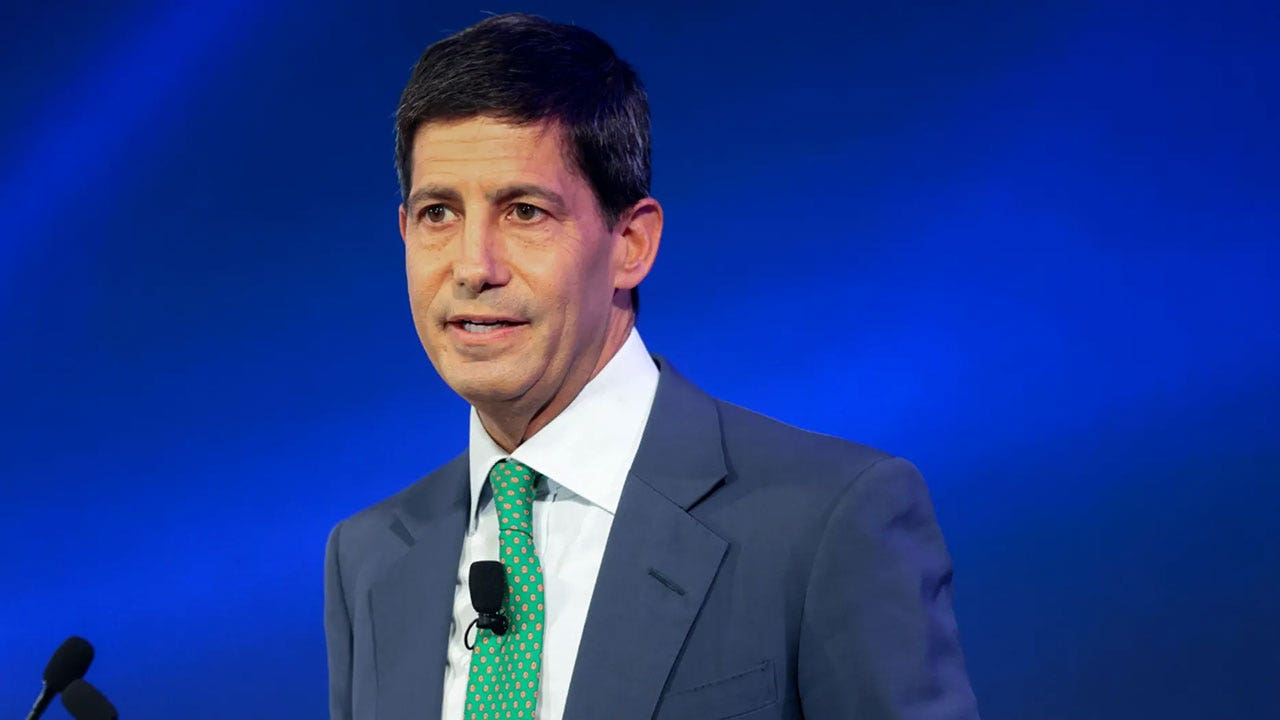
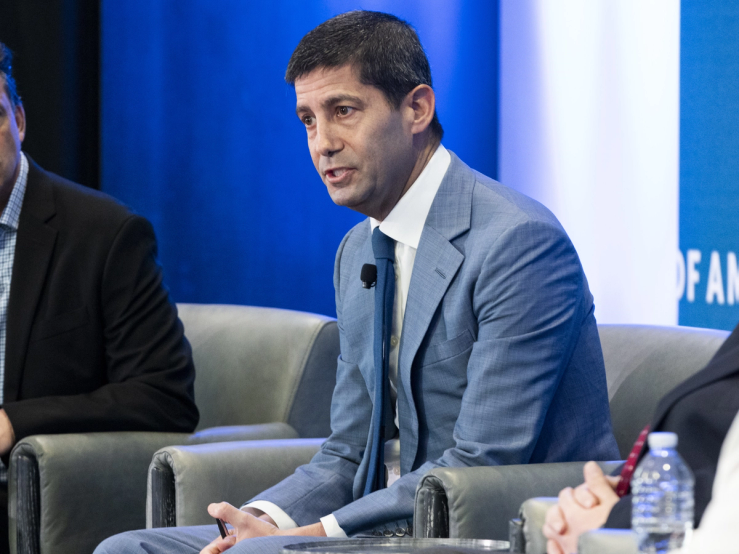
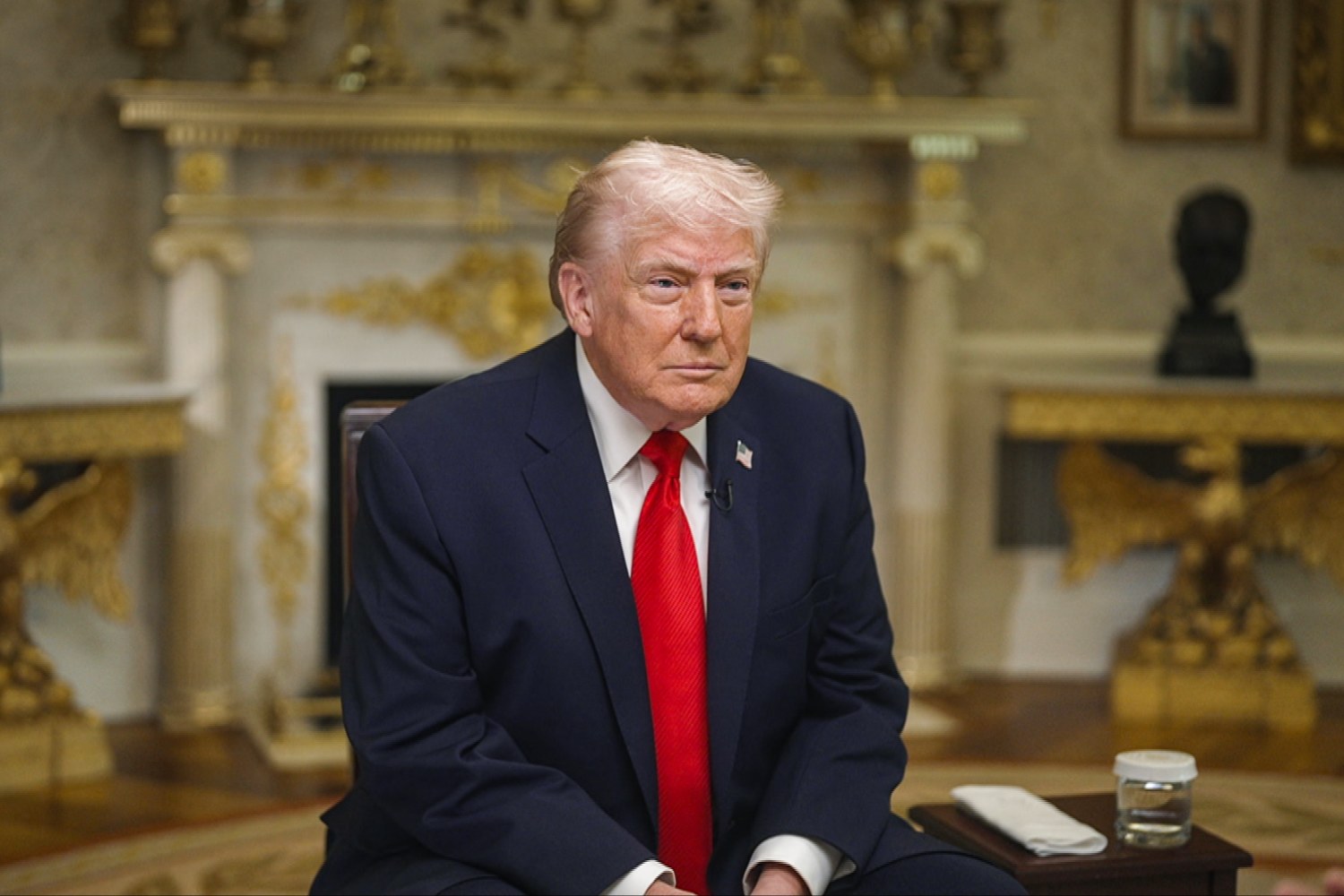
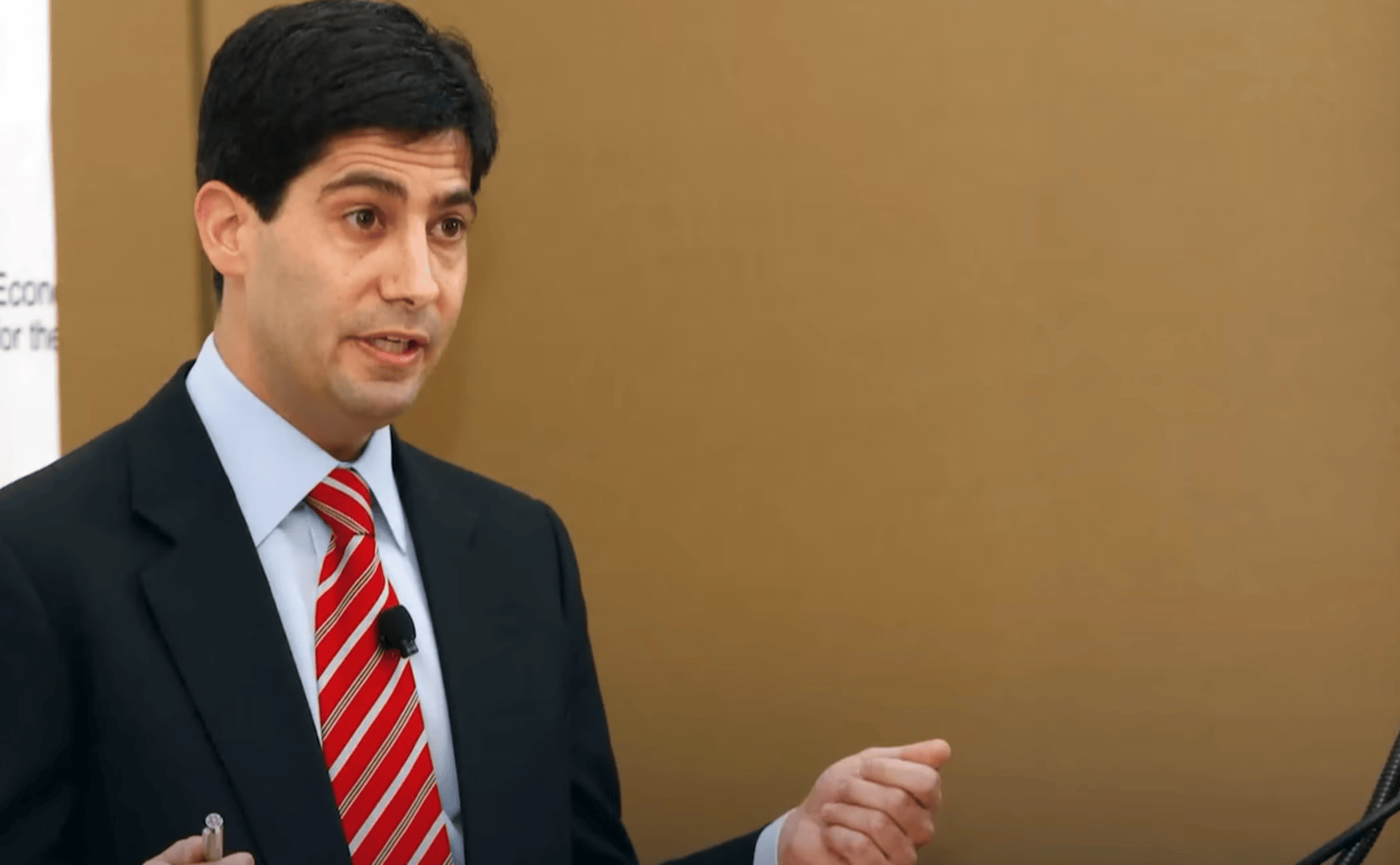
The ongoing Federal Reserve leadership transition presents a critical macroeconomic uncertainty for e-commerce sellers, with Kevin Warsh's nomination facing significant political obstacles that could extend monetary policy ambiguity through 2026. According to Bloomberg (February 4, 2026), Warsh's return to the Fed faces substantial interpersonal friction due to his public criticism of current Fed policies, requiring diplomatic efforts to rebuild institutional trust. Simultaneously, Senator Thom Tillis has reaffirmed his blockade of Warsh's nomination pending completion of a DOJ investigation into Fed Chair Jerome Powell, with Tillis willing to maintain this position through the remainder of Congress. Most critically, President Trump's public statements reveal fundamental disagreement with Fed independence, claiming he would not have selected Warsh if he intended to raise rates, while actual inflation data shows 2.7% annual rates (not Trump's claimed 1.2%), and the Federal Open Market Committee maintained steady rates in January with only two members favoring cuts.
For e-commerce sellers, this political gridlock creates three major operational impacts. First, the extended uncertainty around Fed leadership (potentially 6-12 months) delays clarity on interest rate direction, affecting seller financing decisions. Small and mid-size sellers relying on inventory financing through Amazon Lending, Shopify Capital, or traditional 3PL credit lines face unpredictable borrowing costs. Current rates remain stable, but the political pressure from the Trump administration for rate cuts—combined with Warsh's rate-cut alignment—suggests potential downward pressure if his nomination succeeds. This creates a window for sellers to lock in current financing rates before potential cuts reduce lending availability. Second, consumer purchasing power remains constrained by actual inflation (2.3-3% range throughout Trump's second term), despite administration claims of lower inflation. This affects discretionary spending categories (electronics, home goods, fashion) where cross-border sellers compete heavily. Third, the political tension between the administration and Fed independence signals potential future regulatory volatility affecting payment processing, cross-border transactions, and financial compliance requirements.
Immediate seller implications span financing, inventory strategy, and category selection. Sellers with variable-rate inventory financing should evaluate fixed-rate alternatives before potential rate cuts reduce lending availability—a 50-75 basis point cut would compress lending margins significantly. For inventory planning, the maintained rate environment (January FOMC decision) suggests consumer spending will remain relatively stable through Q1-Q2 2026, supporting continued demand in essential categories (home office, fitness equipment, seasonal goods). However, the political uncertainty creates risk for luxury and discretionary categories dependent on consumer confidence. Cross-border sellers should monitor the Warsh nomination timeline closely: if confirmed, expect potential rate cuts within 6 months, which would increase competition from larger sellers with lower financing costs. If blocked, expect continued rate stability and potential tightening if inflation accelerates. The $2.5 billion Fed renovation investigation, while not directly affecting commerce, signals potential future scrutiny of institutional spending that could eventually impact payment processing regulations or compliance requirements for financial transactions on e-commerce platforms.
Questions 8
How does Fed leadership uncertainty affect my inventory financing costs?
The extended Warsh nomination dispute creates 6-12 months of rate policy ambiguity that directly impacts seller financing. Amazon Lending and Shopify Capital pricing are tied to Federal Reserve rates—currently stable but potentially subject to cuts if Warsh is confirmed (he favors lower rates). Sellers with variable-rate inventory financing should lock in fixed rates now before potential cuts reduce lending availability and compress lender margins. A 50-75 basis point cut would increase competition from larger sellers with lower financing costs, potentially squeezing margins for mid-size sellers. Monitor the nomination timeline: confirmation signals rate cuts within 6 months; blockade suggests continued stability.
What's the timeline for Fed policy clarity and how should I plan inventory?
The Warsh nomination faces a 6-12 month resolution window due to Senator Tillis's blockade pending DOJ investigation completion. If confirmed by mid-2026, expect rate cuts within 6 months, increasing consumer purchasing power but also increasing competition. If blocked, expect continued rate stability and potential tightening if inflation accelerates. For inventory planning: Q1-Q2 2026 should maintain current purchasing patterns (rates stable); Q3-Q4 2026 will clarify direction based on nomination outcome. Build 30-45 day inventory buffers in high-velocity categories to hedge against sudden demand shifts when policy clarity emerges. Consider staggering inventory purchases across quarters rather than bulk buying.