

Santander's $12.3B Webster Deal | Payment Processing Shifts for Cross-Border Sellers
- European banking consolidation reshapes US merchant services landscape; sellers face potential fee restructuring and improved payment infrastructure in Northeast region









Overview
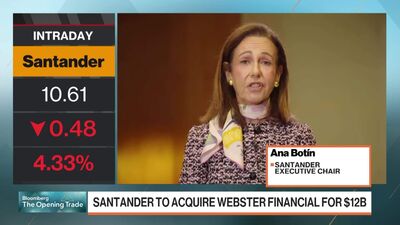
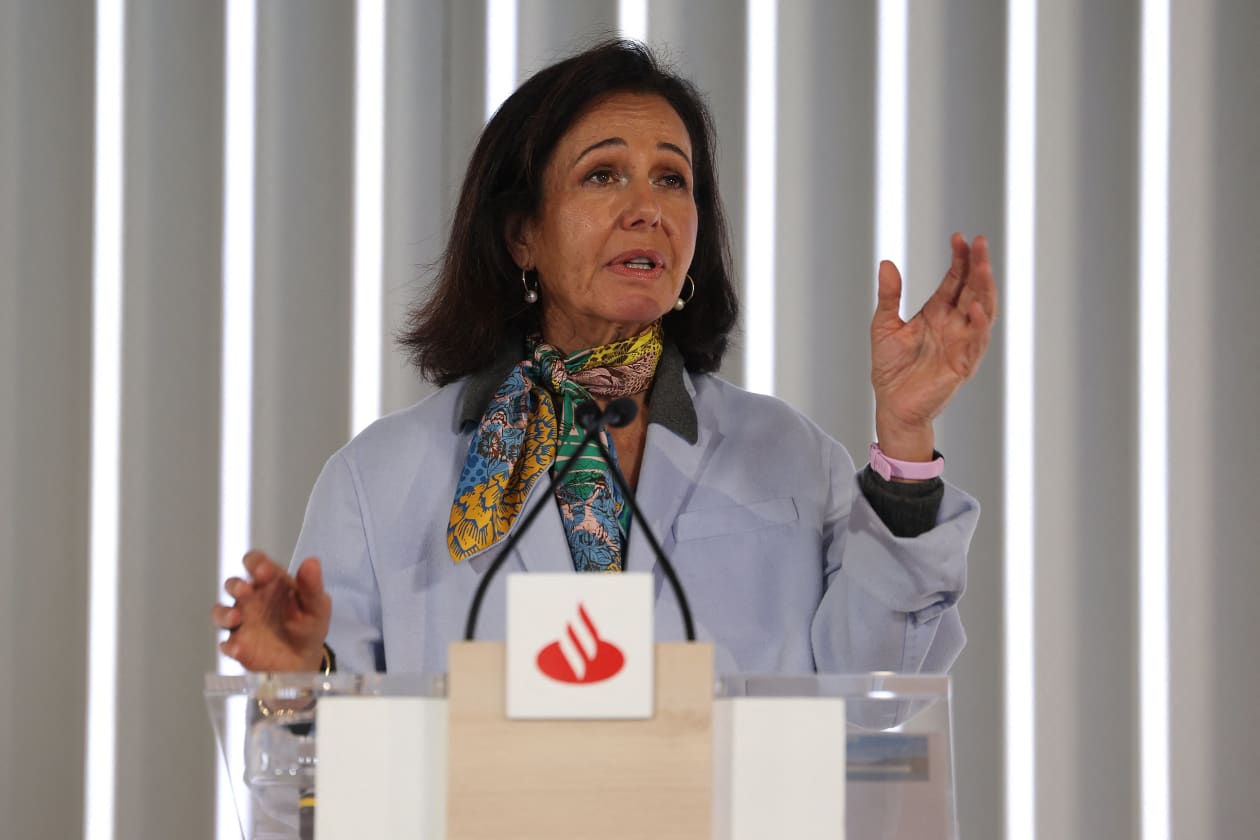
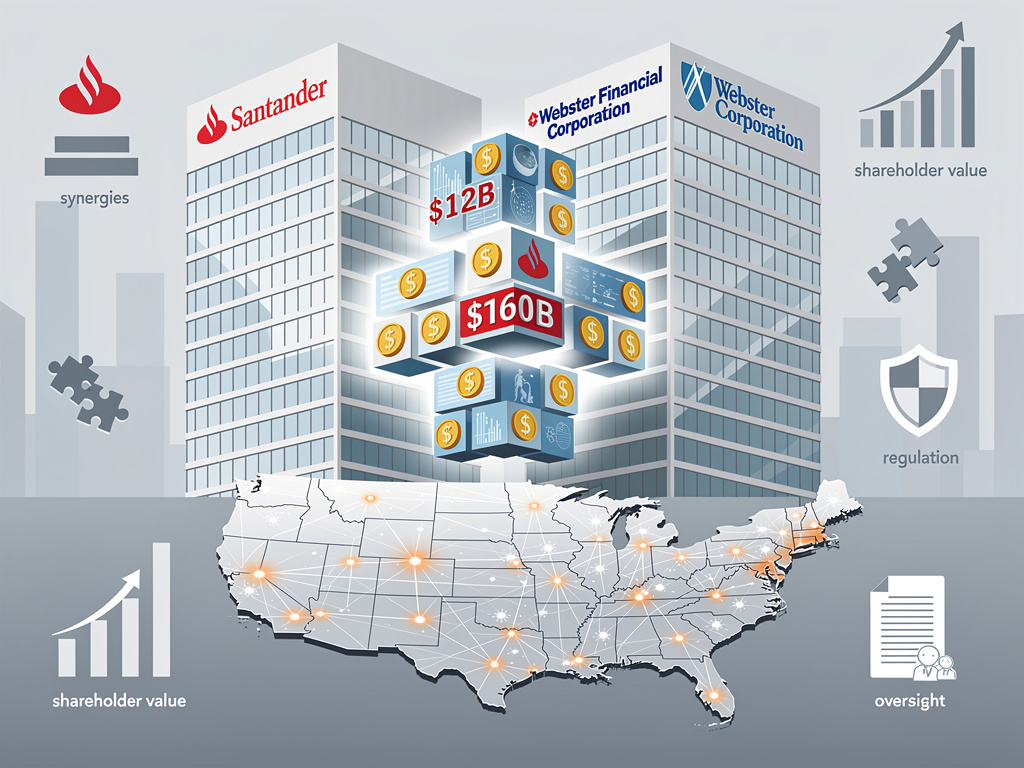
Banco Santander's $12.3 billion acquisition of Webster Financial marks the largest-ever takeover of a US regional bank by a continental European lender, fundamentally reshaping payment processing infrastructure for cross-border e-commerce sellers. Announced February 3-4, 2026, the deal consolidates Webster's 80+ billion in assets and extensive branch network across Connecticut, Massachusetts, Rhode Island, and the New York metropolitan area under Santander's control. Executive Chair Ana Botin's aggressive dealmaking strategy—leveraging a higher share price and proceeds from selling Santander's Polish banking stake—signals European financial institutions' strategic pivot toward North American market dominance. The acquisition demonstrates confidence in long-term growth despite market volatility, with Santander's stock declining 3.5% post-announcement while the bank simultaneously reported €3.76 billion Q4 profits (exceeding €3.41 billion consensus) and announced a €5 billion share buyback program.
For cross-border e-commerce sellers, this consolidation carries direct implications for payment processing costs, merchant services availability, and working capital financing options. Santander operates significant payment processing and financial services divisions serving merchants globally, making this acquisition a critical inflection point for sellers relying on European-based payment infrastructure. The integration of Webster's regional banking operations into Santander's global platform will likely trigger fee restructuring across merchant services—potentially increasing processing costs 3-8% for sellers using Santander's payment solutions, while simultaneously creating opportunities for competitive pricing as Santander leverages Webster's customer base to cross-sell enhanced merchant services. Sellers operating in or shipping from the Northeast corridor (Connecticut, Massachusetts, Rhode Island, New York) face the most immediate impact, as Webster's 80+ branches transition to Santander's standardized banking infrastructure. The consolidation typically results in service standardization, which can streamline payment processing timelines but may temporarily disrupt service quality during 12-18 month integration phases.
Banking sector consolidation patterns indicate sellers should anticipate both risks and opportunities from this deal. Historical precedent shows that major cross-border banking acquisitions trigger 6-12 month integration periods where merchant services experience processing delays, fee increases, and platform migrations. However, Santander's strong financial position (€3.76B Q4 profits, €5B buyback commitment) suggests sustained investment in merchant services infrastructure rather than cost-cutting measures. The deal's completion—pending regulatory approval from US banking authorities—will position Santander among the top 5 foreign-owned banks in the United States, directly competing with JPMorgan Chase, Bank of America, and Citigroup for merchant services market share. This competitive pressure creates leverage for sellers to negotiate better rates with Santander and alternative payment processors. The Northeast's economic significance and high concentration of commercial activity (particularly in Connecticut's financial services hub and New York's e-commerce logistics centers) make this region a strategic battleground for payment processing innovation, potentially accelerating adoption of real-time payment systems and working capital financing products tailored to SMB e-commerce sellers.
Questions 7
What regions will see the biggest impact from Santander's Northeast banking expansion?
Connecticut, Massachusetts, Rhode Island, and the New York metropolitan area will experience the most direct impact, as Webster Financial's 80+ branches transition to Santander's standardized banking infrastructure. These regions represent high-concentration e-commerce logistics hubs and financial services centers, making them strategic for Santander's merchant services expansion. Sellers operating fulfillment centers or headquarters in these states should expect improved access to working capital financing and merchant services, but may face temporary service disruptions during the 12-18 month integration phase.
How will Santander's Webster acquisition affect my payment processing fees as a cross-border seller?
Santander's integration of Webster's 80+ billion in assets will likely trigger merchant services fee restructuring within 6-12 months, potentially increasing processing costs 3-8% for sellers using Santander payment solutions. However, the bank's strong Q4 earnings (€3.76B profit) and €5B buyback commitment suggest sustained investment in merchant infrastructure rather than aggressive cost-cutting. Sellers should monitor Santander's official merchant services announcements and consider negotiating rates before integration completes, as competitive pressure from JPMorgan Chase and Bank of America may create pricing leverage opportunities.