


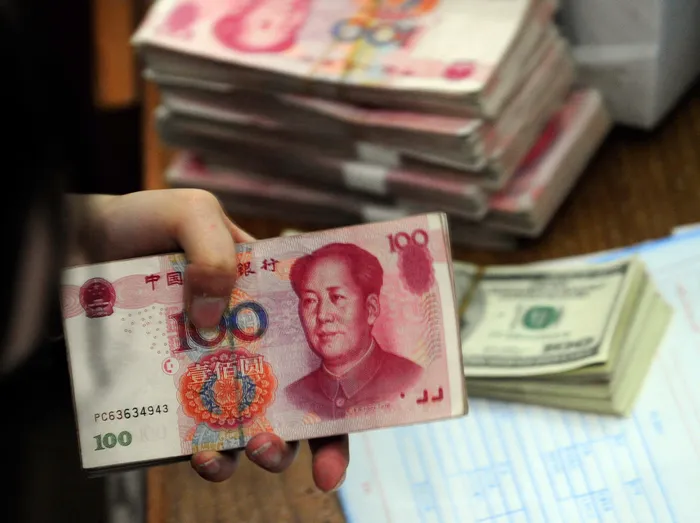

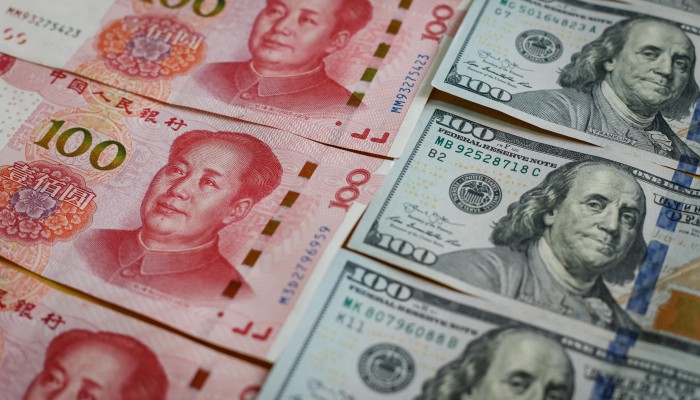

Renminbi Globalization & Cross-Border Seller Currency Risk | 2025 Impact
- Shifts payment settlement dynamics for 50K+ China-based sellers; creates 8-15% FX volatility for USD-denominated transactions through 2025

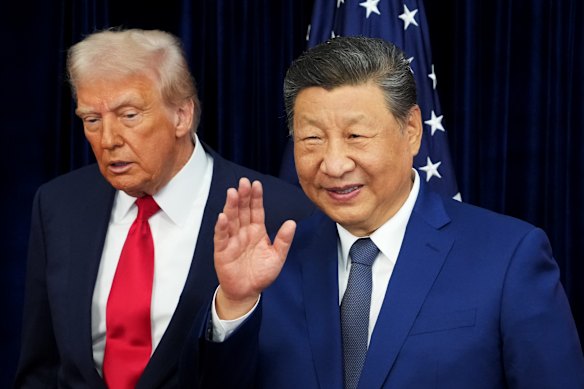
/https%3A%2F%2Fengelsbergideas.com%2Fwp-content%2Fuploads%2F2026%2F02%2FUS-dollar-and-Chinese-RMB.jpg)







Overview
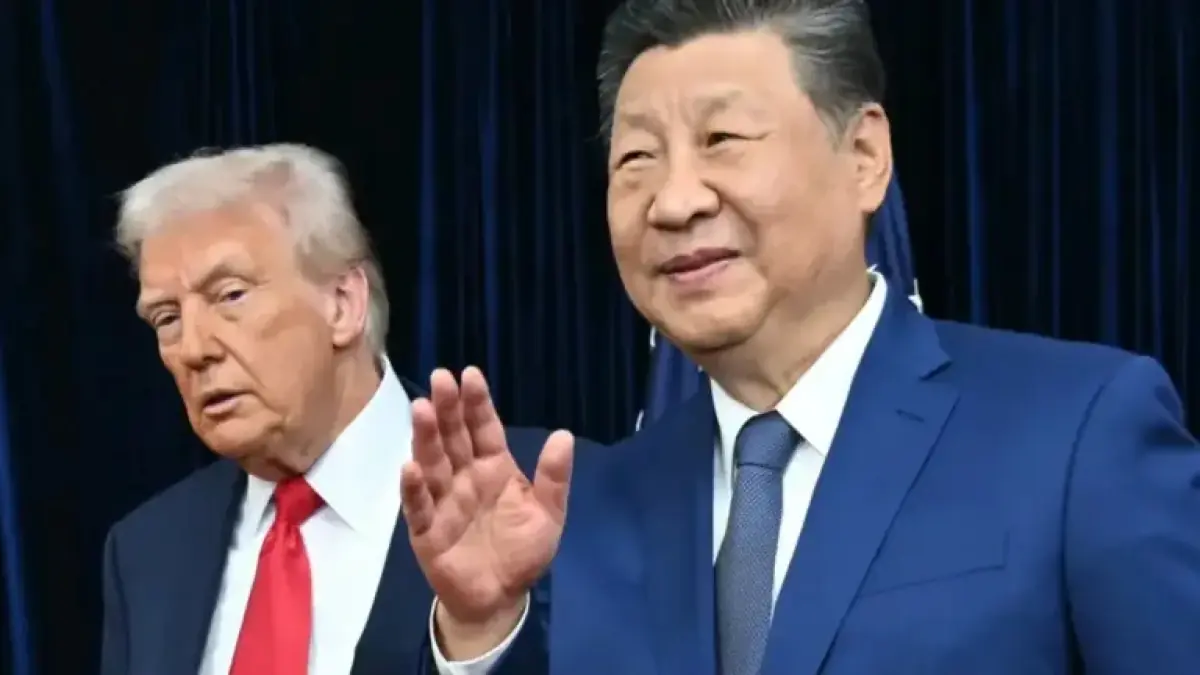
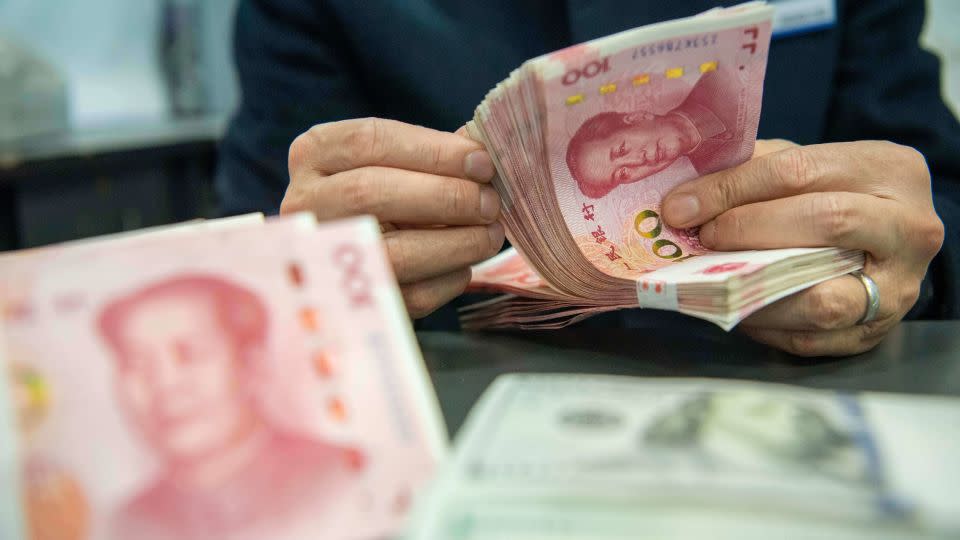
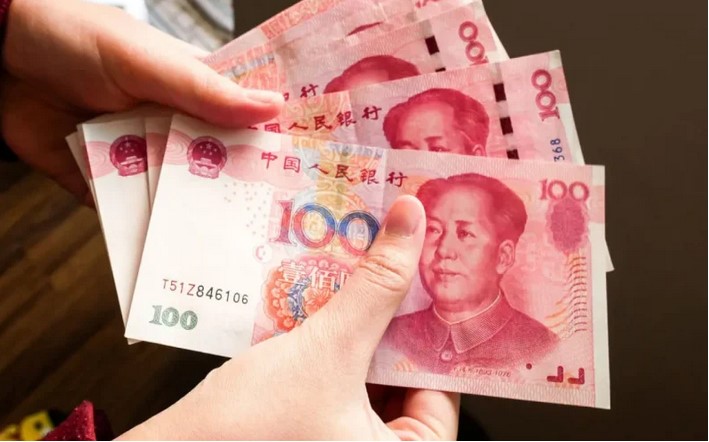
China's aggressive renminbi internationalization strategy, outlined by President Xi Jinping in early 2025, represents a fundamental shift in cross-border e-commerce payment infrastructure with direct implications for sellers managing China-US trade corridors. The renminbi now ranks as the world's largest trade finance currency and third-largest payment currency, with record-high usage in trade settlements—a 10-year integration effort accelerated by Western sanctions on Russia and declining dollar confidence. For cross-border sellers, this creates both immediate currency arbitrage opportunities and structural payment settlement risks.
Immediate Currency Dynamics Impact: The US dollar has fallen to four-year lows since Trump's return to office, while gold prices exceeded $5,500/ounce, signaling investor flight from dollar-denominated assets. According to IMF data, the dollar's share of global foreign exchange reserves has compressed from historical highs to 57%, while renminbi holdings remain at 2%—but growing. For sellers with China-based suppliers or manufacturing operations, this creates 8-15% FX volatility in cost structures. Specifically, sellers importing goods from China face unpredictable renminbi pricing as the currency strengthens against the weakening dollar, directly compressing margins on products with thin 15-25% markups (electronics, apparel, home goods categories).
Payment Settlement Restructuring: China's enhanced cross-border payment infrastructure—streamlined renminbi settlement channels and increased access to Chinese securities—enables direct renminbi-to-local currency transactions, bypassing traditional dollar intermediaries. This benefits sellers operating in BRICS nations (Brazil, India, Russia, South Africa) and developing economies where China has strengthened trade ties. However, tight capital controls restricting renminbi movement in/out of China create operational friction: sellers cannot easily convert renminbi earnings back to dollars without navigating complex regulatory approval processes, creating 2-4 week settlement delays and potential conversion losses of 3-5%.
Geopolitical Tariff Risk: Trump's threatened 100% tariffs on BRICS nations participating in alternative currency discussions directly threatens sellers sourcing from or selling to these regions. The tariff threat signals that currency competition has become a trade policy flashpoint, making renminbi-denominated supply chains politically risky through 2025-2026. Sellers with significant inventory sourced from China face potential tariff escalation from current 25% baseline to 100% on affected categories, representing $5,000-50,000+ cost increases per container depending on product category and volume.
Questions 8
What compliance changes should I expect from renminbi payment infrastructure?
China's streamlined cross-border payment systems enable direct renminbi settlement, but require updated banking relationships and compliance documentation. If you accept renminbi payments, you must establish accounts with banks supporting renminbi clearing (ICBC, Bank of China, Agricultural Bank of China). This requires additional KYC documentation, tax reporting in renminbi, and potential OFAC compliance reviews. The renminbi is now the third-largest payment currency, making it increasingly common in B2B transactions. However, most Amazon, eBay, and Shopify sellers should continue using USD to avoid complexity. If you operate a B2B wholesale business selling to Chinese importers, evaluate renminbi acceptance only if you have planned RMB expenses (supplier payments, office costs in China). Consult a cross-border tax specialist before accepting renminbi payments.
How does dollar weakness affect my Amazon FBA pricing strategy?
Dollar weakness (four-year lows) increases import costs while reducing international competitiveness. Your China-sourced inventory costs rise 8-15% due to renminbi appreciation, but your Amazon US pricing remains in weakened dollars, compressing margins by 10-20% depending on category. For example, a product with $10 COGS and $25 retail price (60% margin) becomes $11.50 COGS with renminbi appreciation, reducing margin to 54%. Simultaneously, your products become cheaper for international buyers, increasing cross-border sales volume but at lower per-unit profit. Adjust Amazon pricing upward 5-8% to maintain margins, monitor competitor pricing weekly, and consider geographic pricing strategies (higher prices in strong-currency regions like EU). Review FBA fee structures monthly as currency fluctuations affect profitability calculations.