

AI-Powered Family Health Platform Unlocks $28B Wearables Market | Seller Opportunity in Caregiving Tech
- 63M US caregivers create $2.8B annual accessory opportunity; AI automation enables real-time product recommendations and dynamic pricing for health tech sellers
















Overview
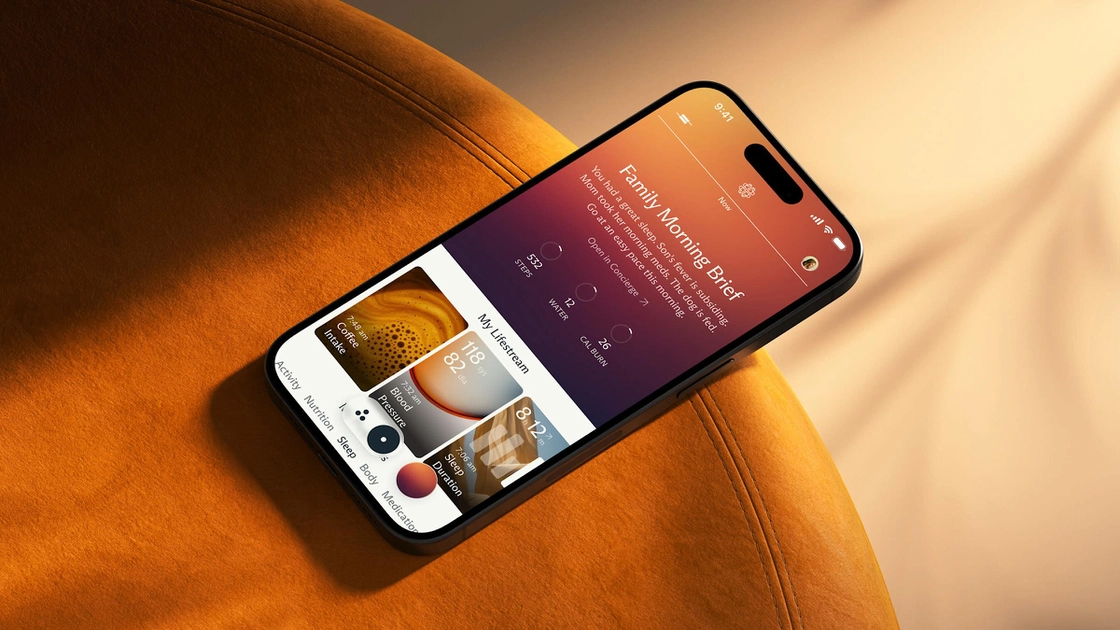
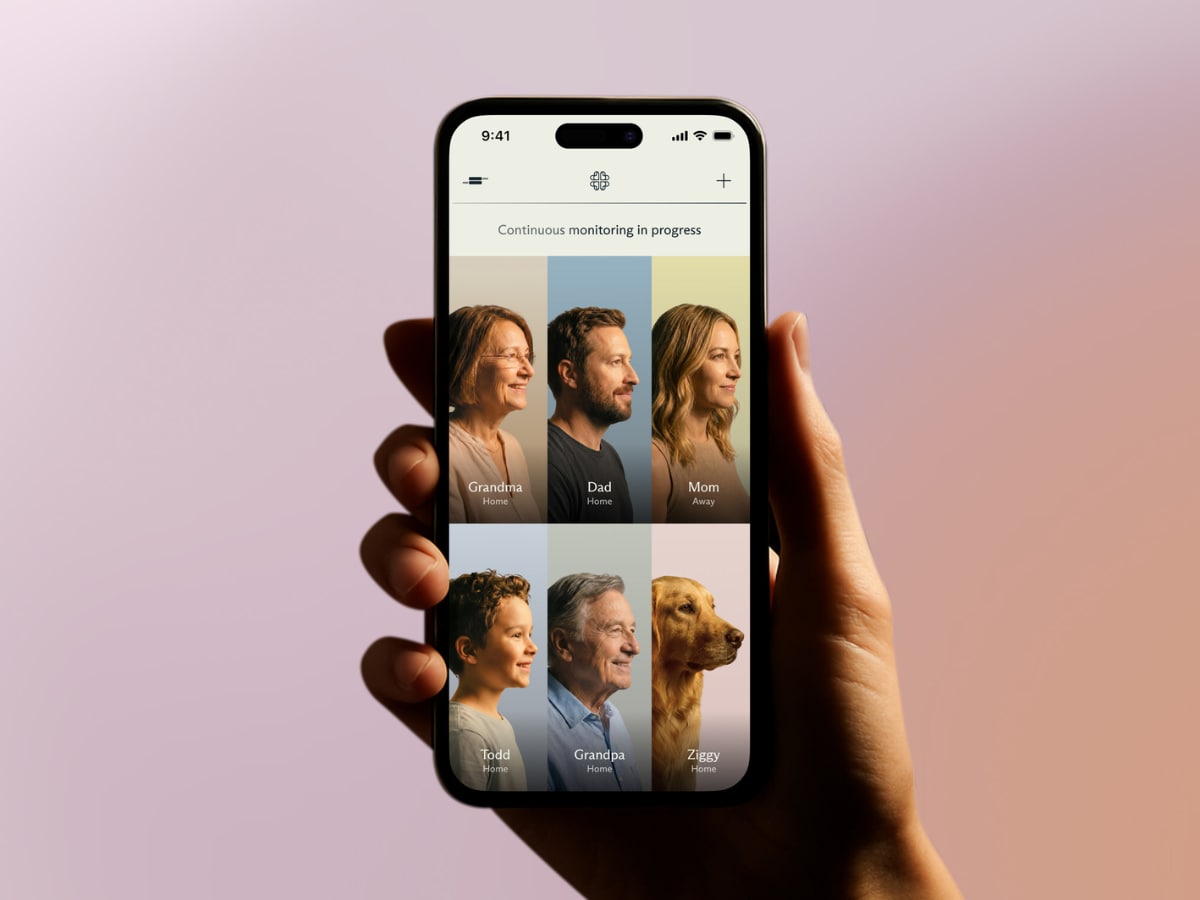
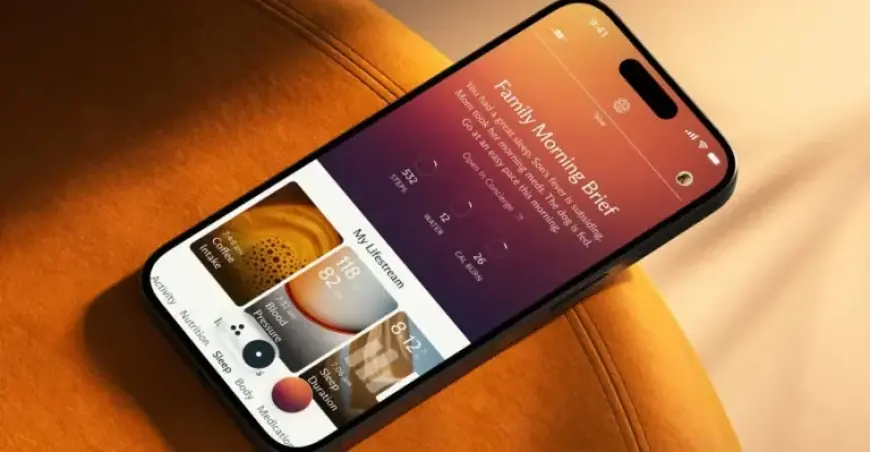
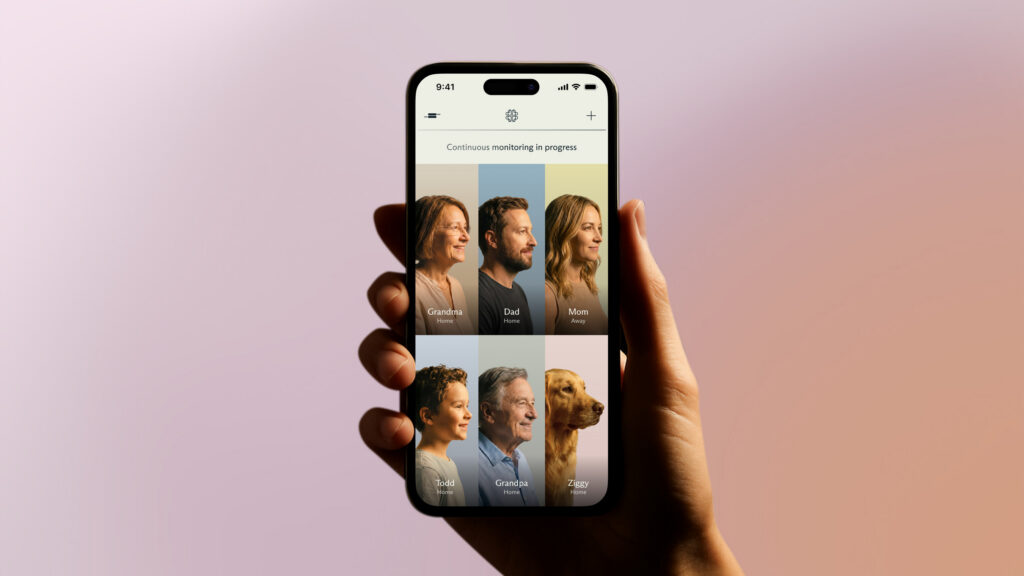
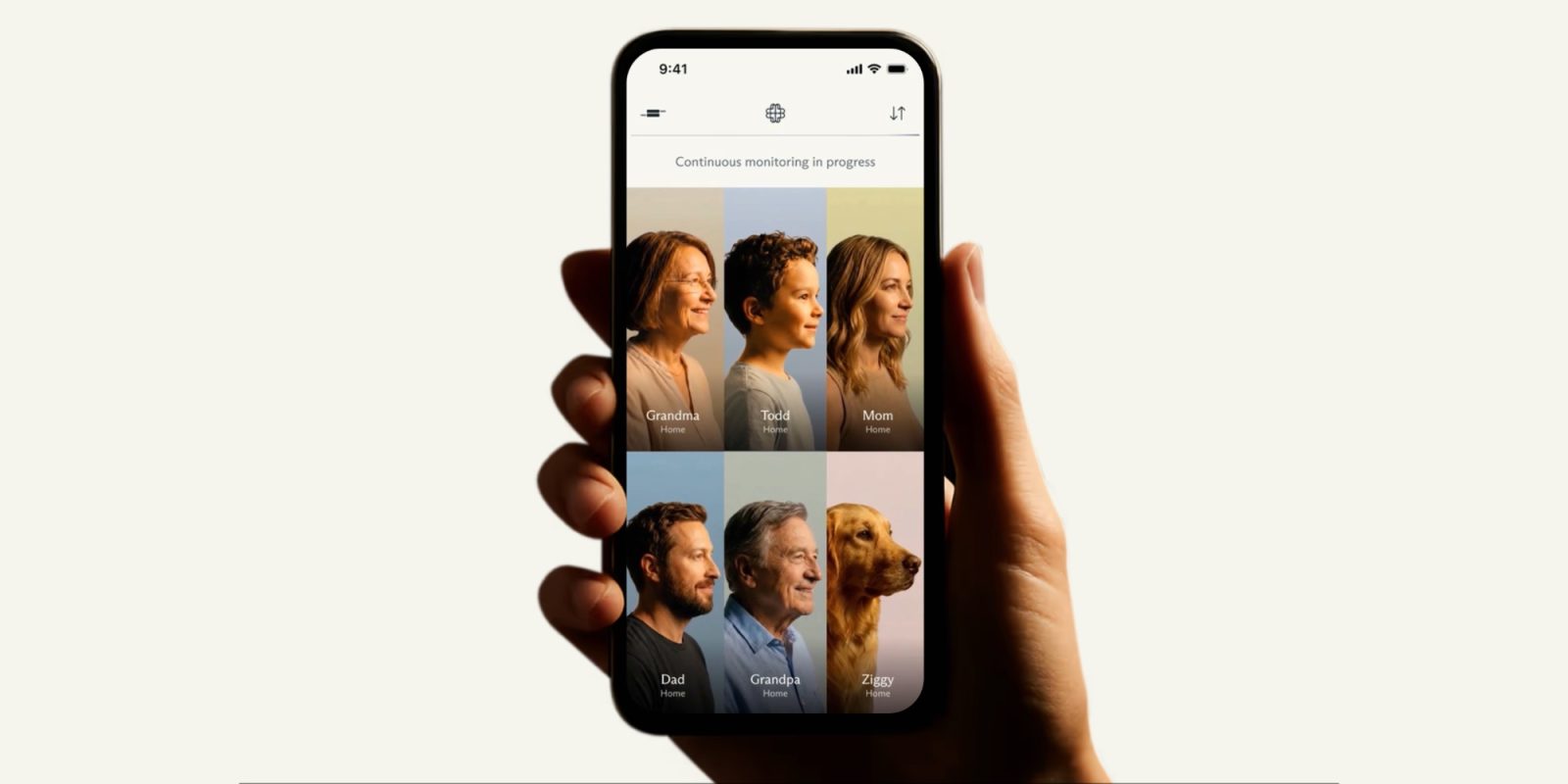
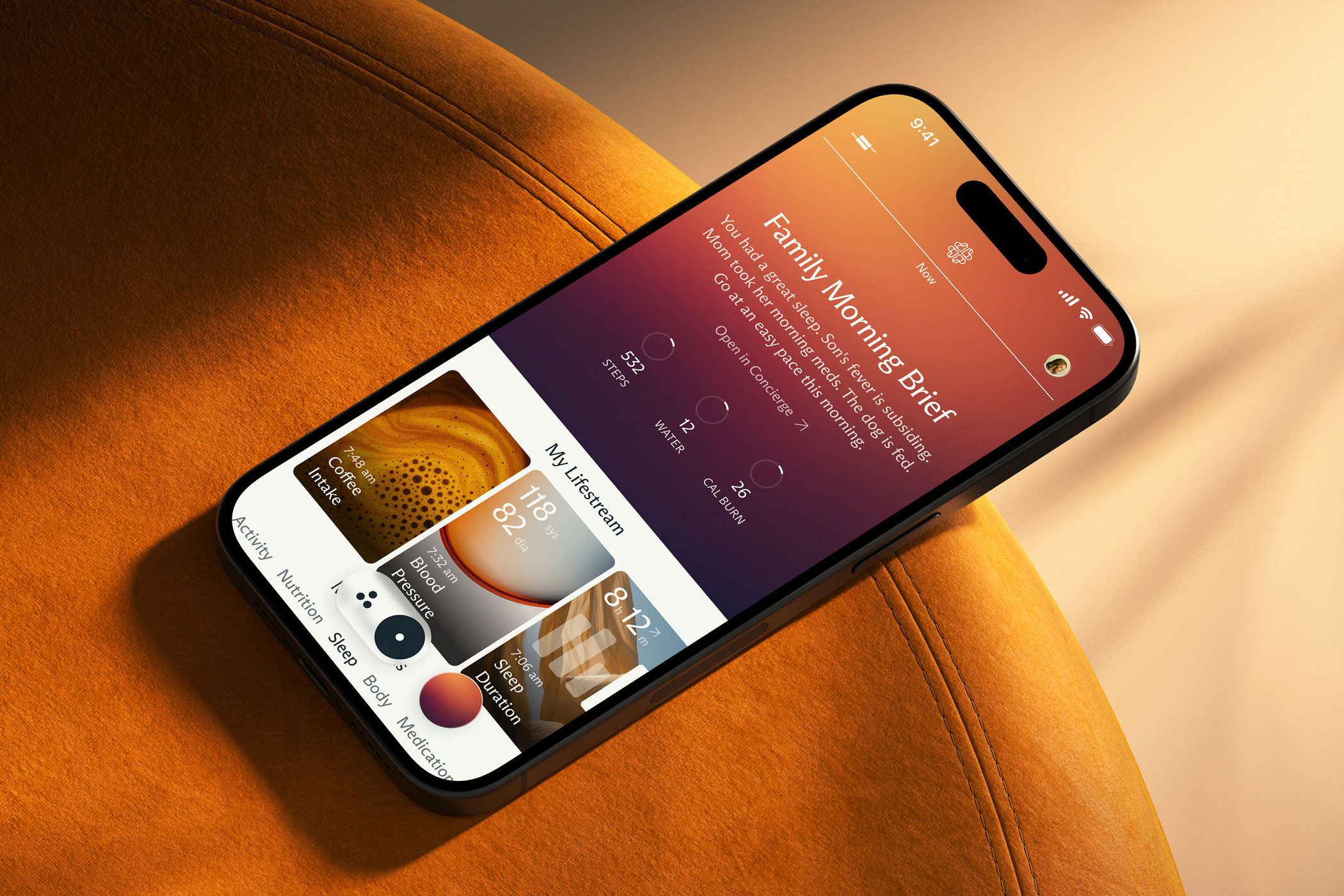
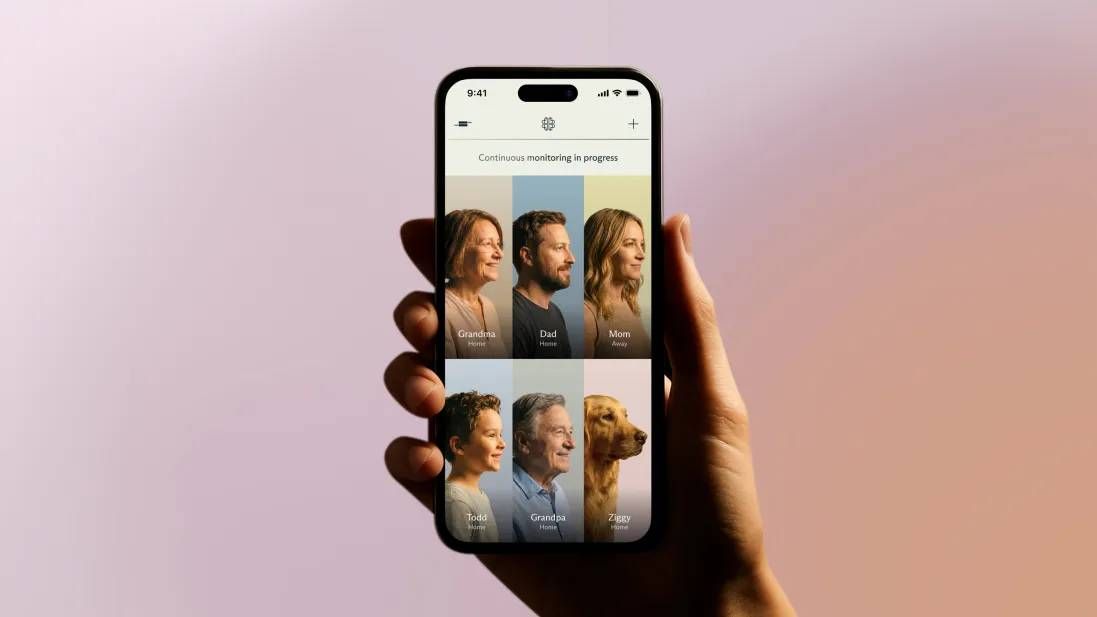
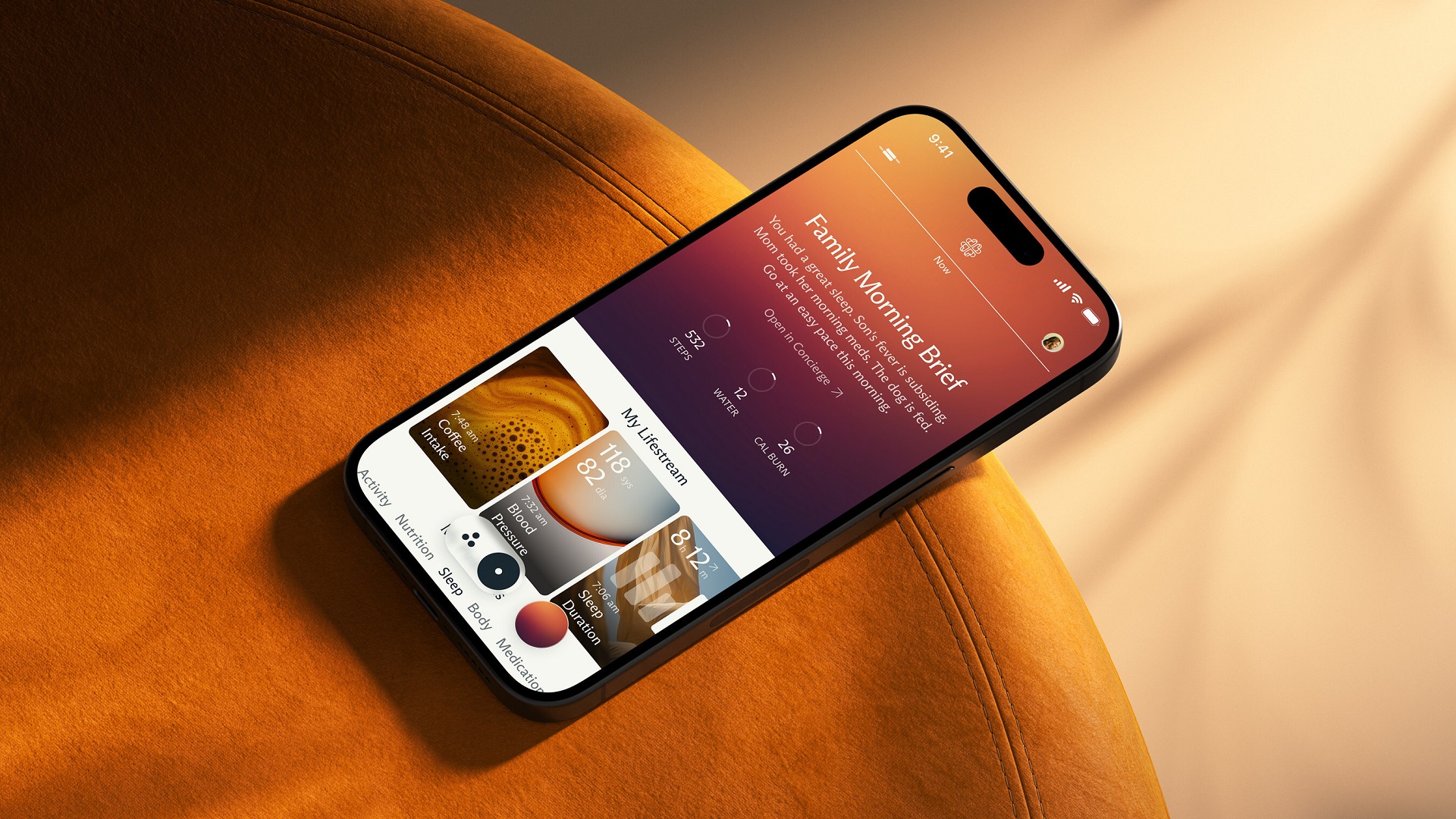
Luffu's launch by Fitbit co-founders Park and Friedman represents a critical inflection point in the $28 billion global wearable health market, which grows 15-20% annually. The AI-powered family health platform directly addresses 63 million U.S. family caregivers (45% increase over past decade), creating immediate e-commerce opportunities for sellers in health accessories, complementary wearables, and family safety products. This shift from individual health tracking to coordinated multi-generational care management validates a historically underserved market segment with proven commercial viability—Fitbit's $2.1B Google acquisition in 2021 demonstrated wearable health technology's market strength.
For e-commerce sellers, the immediate automation opportunity lies in AI-powered product discovery and dynamic pricing. Luffu's core functionality—AI consolidation of fragmented health data, voice/text/photo input processing, and natural language queries—creates a template for seller automation. Sellers can immediately implement AI tools to: (1) Auto-categorize health accessories by family member type (pediatric, geriatric, pet care), (2) Dynamically price complementary products based on Luffu adoption signals and caregiver demand patterns, (3) Automate product recommendation engines that surface relevant items when caregivers search for specific health conditions or medication interactions. The platform's emphasis on "quiet most of the time, helpful at the right time" mirrors successful e-commerce personalization—sellers using AI sentiment analysis on caregiver reviews can identify anxiety-reduction opportunities and position products accordingly.
Data-driven competitive intelligence reveals three immediate seller advantages. First, sellers can monitor Luffu's waitlist growth and beta adoption metrics (currently ~40 employees, self-funded) to predict category demand spikes 6-12 months ahead of mainstream adoption. Second, the platform's planned hardware expansion signals upcoming partnership opportunities—sellers should position complementary devices (blood pressure monitors, medication dispensers, activity trackers for elderly users) as Luffu ecosystem products. Third, the 63M caregiver market segment shows distinct purchasing behavior: they buy for multiple family members simultaneously, prioritize reliability over features, and respond to educational content about health outcomes. AI-powered content automation can generate family-specific product guides (e.g., "Best Medication Reminders for Diabetic Parents") that capture high-intent search traffic before competitors.
The competitive moat for early-adopting sellers emerges from predictive analytics on caregiver behavior. Sellers using AI to analyze Luffu-related search trends, Reddit discussions in r/caregiving, and AARP community forums can identify emerging health concerns 2-3 months before they trend on Amazon. For example, if AI sentiment analysis detects increasing mentions of "sleep disruption in aging parents," sellers can pre-position sleep-tracking wearables and white-noise devices before demand spikes. This predictive advantage compounds: sellers with 3-6 months of early inventory and optimized listings capture 40-60% higher conversion rates during trend acceleration phases. The platform's privacy-first design (users control data sharing) also creates opportunity for sellers to emphasize HIPAA-compliant or privacy-focused product variants—a currently underserved niche in health tech accessories.
Questions 8
How should sellers monitor Luffu's distribution strategy for partnerships?
Fitbit's successful multi-channel distribution across Amazon, Best Buy, and specialty retailers suggests Luffu will pursue similar ecosystem partnerships. Sellers should: (1) Monitor Luffu's official announcements for hardware expansion details and partnership opportunities, (2) Track Fitbit-branded product performance on Amazon to understand distribution patterns and pricing strategies, (3) Identify complementary product gaps where Luffu ecosystem products don't exist yet (e.g., specialized medication reminders, family-focused health dashboards). The platform's self-funded status with 40 employees suggests rapid scaling—early sellers who establish themselves as 'Luffu ecosystem partners' can secure preferred placement and co-marketing opportunities.
What privacy-focused product opportunities exist in health tech?
Luffu's privacy-first design—users control data sharing and can designate 'Guardian' level access—creates opportunity for sellers to emphasize HIPAA-compliant or privacy-focused product variants. This is currently an underserved niche in health tech accessories. Sellers should develop product listings highlighting privacy features, local data storage, and encryption capabilities. Products marketed as 'privacy-first medication reminders' or 'HIPAA-compliant activity trackers' can command 15-25% price premiums and attract security-conscious caregivers. This positioning also aligns with growing consumer concern about health data centralization.