



Regulatory Favoritism & Policy Unpredictability | Cross-Border Sellers Face Tariff & Compliance Risk
- Billionaire investor warns of government favoritism creating unequal competitive conditions; crypto-friendly policies signal sector-specific advantages; sellers must prepare for tariff volatility and regulatory inconsistency in 2026











Overview
Regulatory Unpredictability Creates Competitive Disadvantages for Independent E-Commerce Sellers
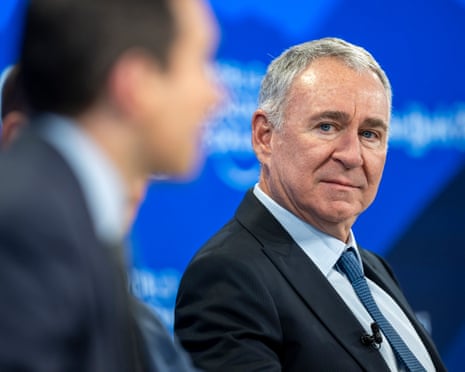
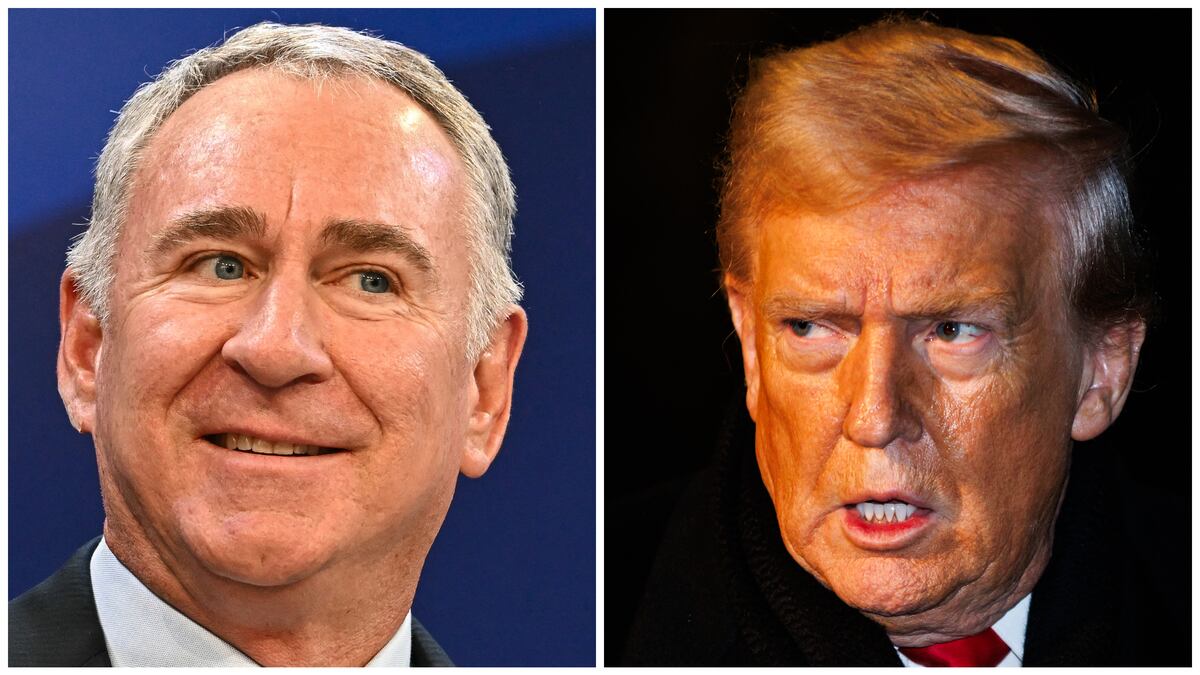
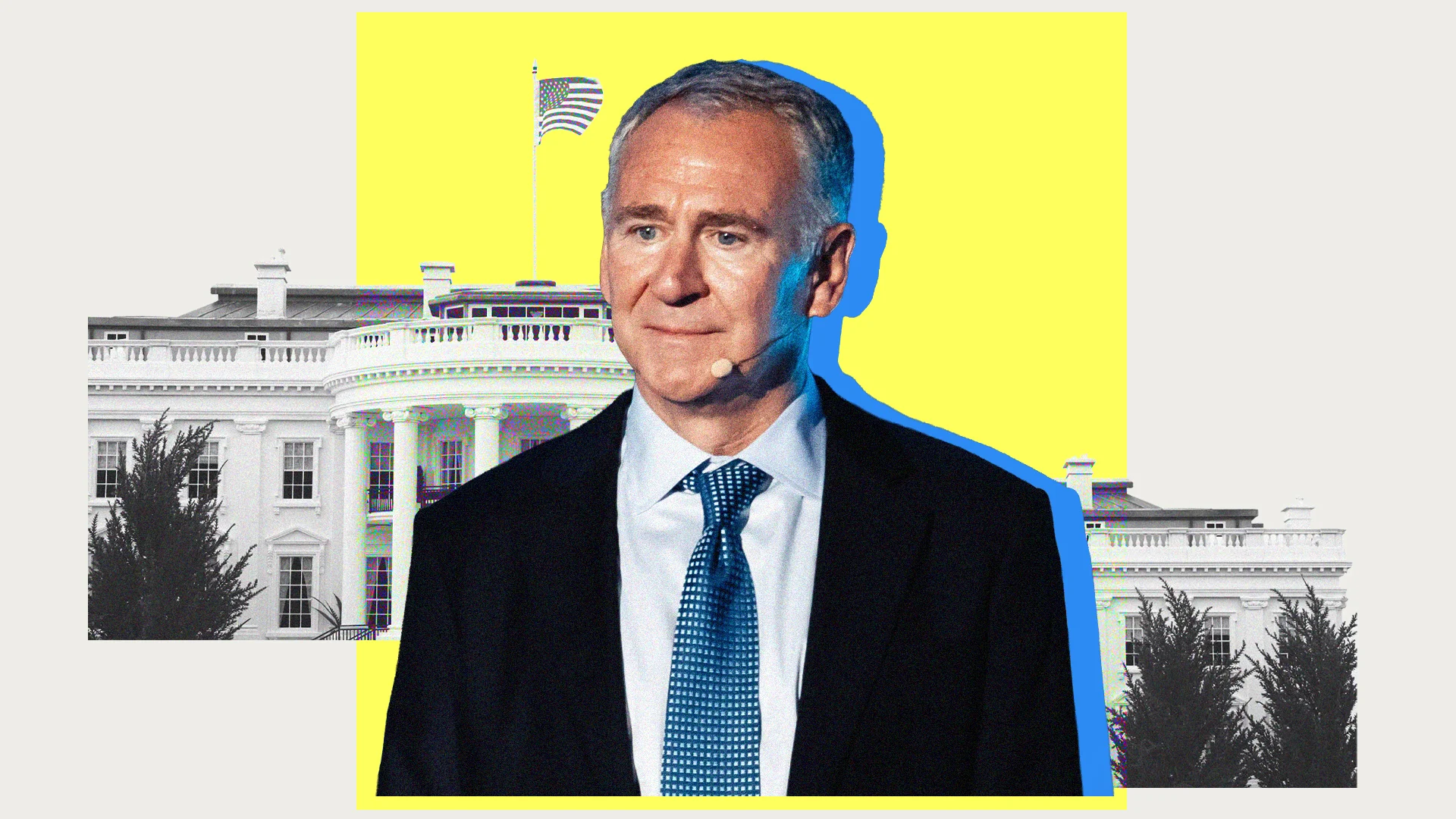
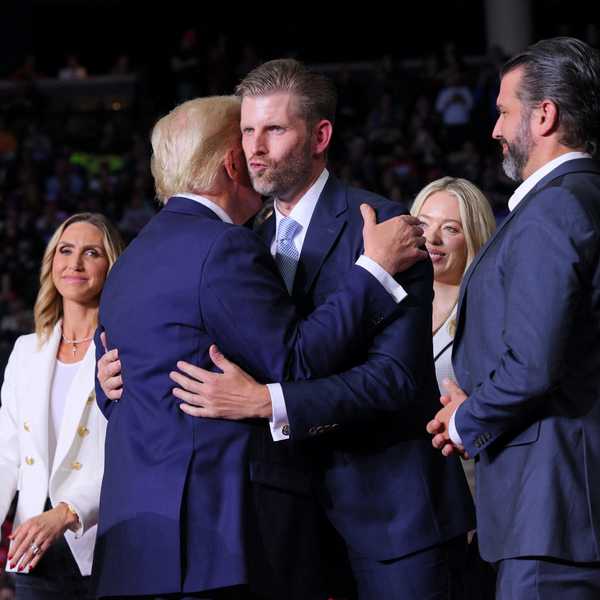
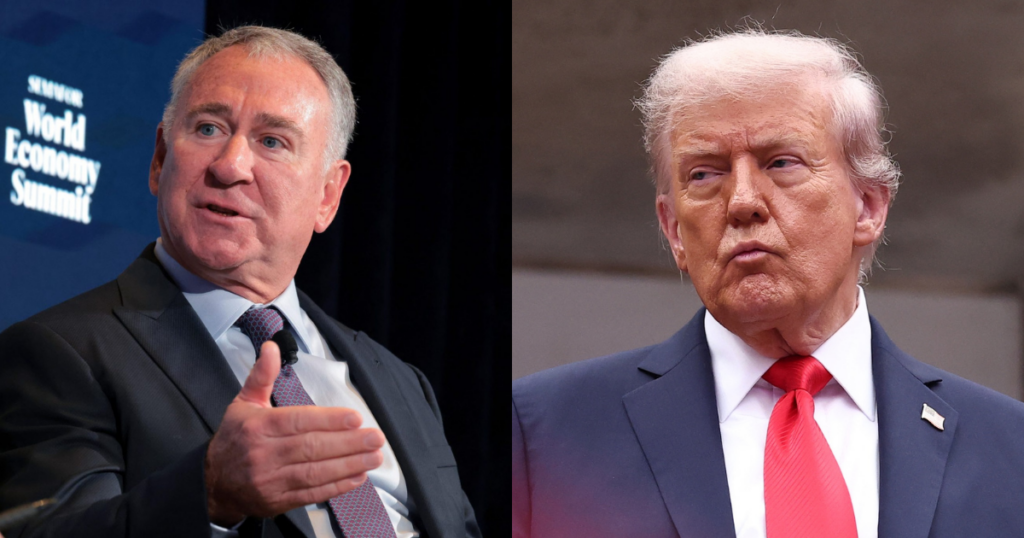
On February 3-4, 2026, billionaire investor Ken Griffin, CEO of Citadel hedge fund, publicly criticized the Trump administration's pattern of enriching politically connected entities through preferential policies. Speaking at the Wall Street Journal Invest Live conference in Florida, Griffin specifically highlighted how Trump's sons Don Jr. and Eric benefited from crypto-friendly White House policies, with a $500 million investment from Emirati royalty into the Trump family's World Liberty Financial cryptocurrency venture occurring just days before Trump's inauguration. Griffin emphasized that most CEOs find government favoritism "incredibly distasteful," as it forces businesses to "suck up to one administration after another to succeed" rather than competing on merit. This criticism carries significant weight given Griffin's establishment Republican credentials and his $1 million inaugural committee donation, signaling fractures within conservative business leadership regarding governance standards.
For cross-border e-commerce sellers, this regulatory favoritism creates three critical operational risks: First, tariff policy unpredictability becomes a major planning obstacle. Griffin specifically attributed the US dollar's four-year low (reported February 3, 2026) to tariff policies and political rhetoric, indicating that tariff decisions may be driven by political considerations rather than consistent trade principles. Sellers importing inventory from China, Vietnam, India, and Southeast Asia face uncertainty about duty rates on HS codes 6204 (women's apparel), 6205 (men's apparel), 8471 (computer equipment), and 8517 (telecom equipment)—categories historically subject to tariff volatility. A weaker dollar benefits US exporters competing globally but increases import costs 8-15% for sellers sourcing overseas inventory, compressing margins by $0.50-2.00 per unit depending on category.
Second, government contract and regulatory access becomes politically stratified. Sellers seeking government contracts, logistics certifications, or regulatory approvals may face scrutiny regarding political alignment. Small and medium-sized sellers (annual revenue $500K-$5M) lack the political capital of large corporations and face higher compliance costs when regulatory standards shift based on administration preferences. Third, crypto-commerce sellers face heightened scrutiny. The news specifically highlights crypto-friendly policies benefiting Trump family ventures, suggesting that independent crypto sellers may face regulatory pressure or compliance requirements designed to protect politically connected crypto platforms. Sellers operating in NFT marketplaces, blockchain-based commerce, or crypto payment processing should anticipate increased regulatory complexity and potential restrictions on crypto payment acceptance by 2026-2027.
Currency and Tariff Volatility Impact Specific Seller Segments: Sellers importing apparel (HS 6204-6205) from Vietnam and India face tariff rates of 16-25% on base duties, with potential additional tariffs of 10-25% depending on political decisions. A $100,000 monthly import order could see duty costs increase $10,000-25,000 if tariffs shift. Electronics sellers (HS 8471, 8517) importing from China face base tariffs of 0-25% with potential escalation to 50%+ under political pressure, creating $5,000-50,000 monthly cost swings. The weaker dollar (four-year low as of February 2026) means sellers importing inventory pay 5-8% more in USD equivalent costs, directly compressing profit margins by 200-400 basis points on imported goods.
Questions 8
How does government favoritism toward crypto companies affect independent sellers?
Griffin's criticism highlights that the Trump administration's crypto-friendly policies (evidenced by the $500 million Emirati investment in World Liberty Financial) create unequal competitive conditions for independent crypto sellers. Sellers operating in blockchain commerce, NFT marketplaces, or crypto payment processing may face regulatory scrutiny or compliance requirements designed to protect politically connected platforms. Independent sellers should expect increased regulatory complexity, potential restrictions on crypto payment acceptance, and higher compliance costs by 2026-2027. Monitor SEC and CFTC guidance for changes affecting crypto commerce eligibility on Amazon, eBay, and Shopify.
What tariff risks should sellers importing from Vietnam and India prepare for?
The news reports that tariff policies are being influenced by political considerations rather than consistent trade principles, with Griffin attributing the US dollar's weakness to tariff policy volatility. Sellers importing apparel (HS codes 6204-6205) from Vietnam and India currently face base tariffs of 16-25%, with potential escalation to 35-50% under political pressure. A $100,000 monthly import order could see duty costs increase $10,000-25,000 if tariffs shift. Sellers should implement tariff hedging strategies, diversify sourcing across multiple countries, and build 15-20% tariff contingency into pricing models. Review tariff rates monthly at usitc.gov and adjust inventory planning accordingly.