

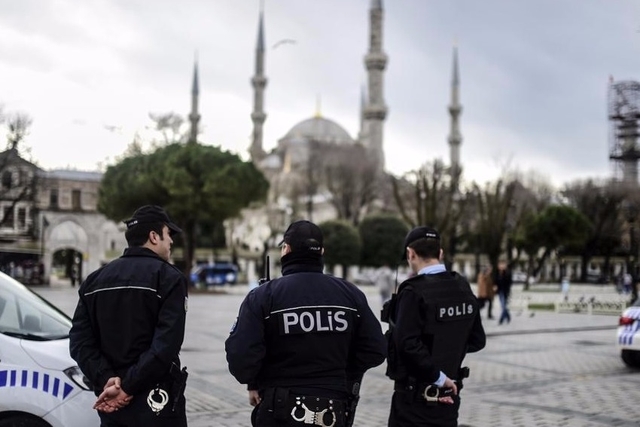
Turkey's Strategic Counterterrorism Sweep Reveals Complex Regional Security Landscape
- Proactive Intelligence Operations Reshape Cross-Border Risk Management for International Businesses

















)
Overview
Counterterrorism intelligence in Turkey has reached a critical inflection point, demonstrating a sophisticated and preemptive approach to managing regional security threats. The nationwide operation targeting ISIS militants reveals a complex geopolitical strategy that extends far beyond traditional law enforcement, signaling profound implications for cross-border risk management.
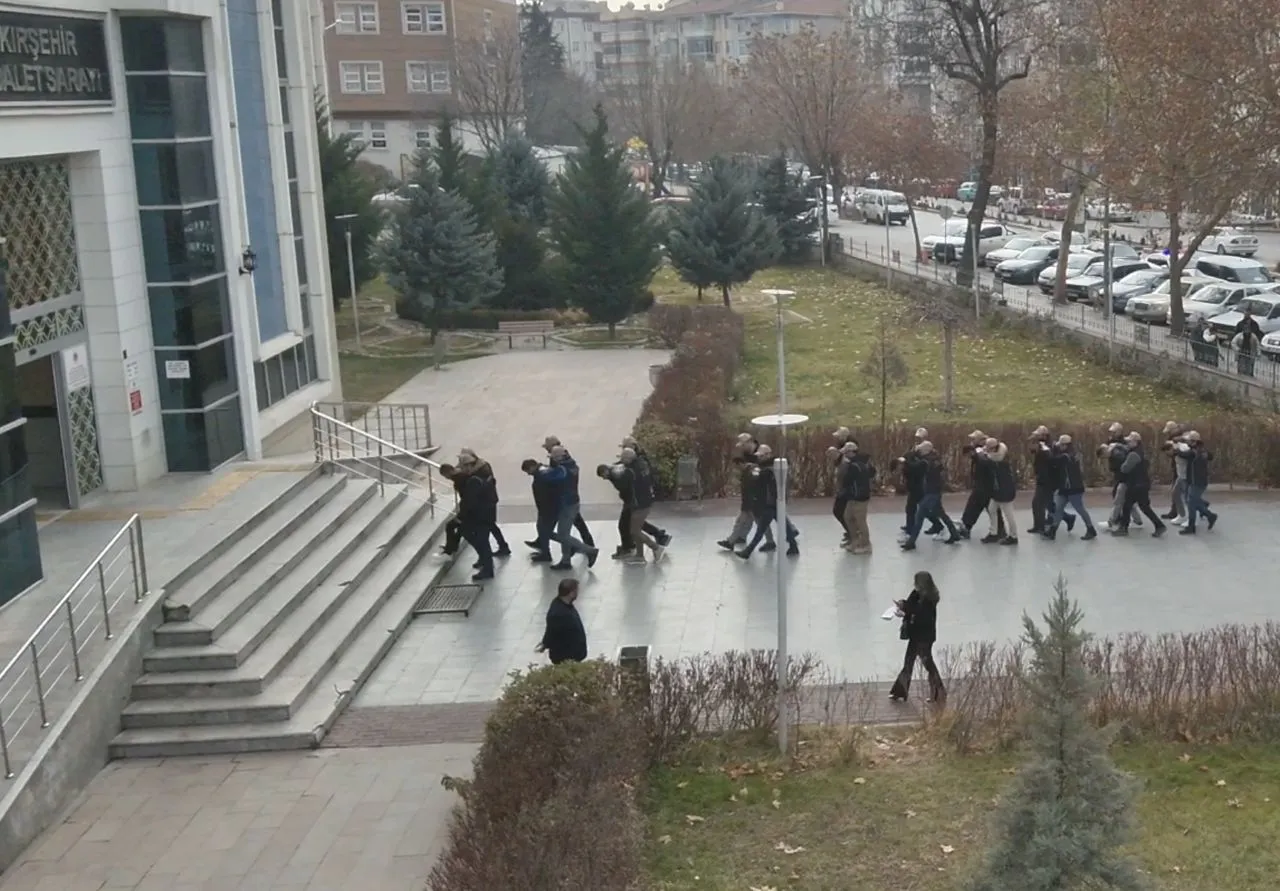
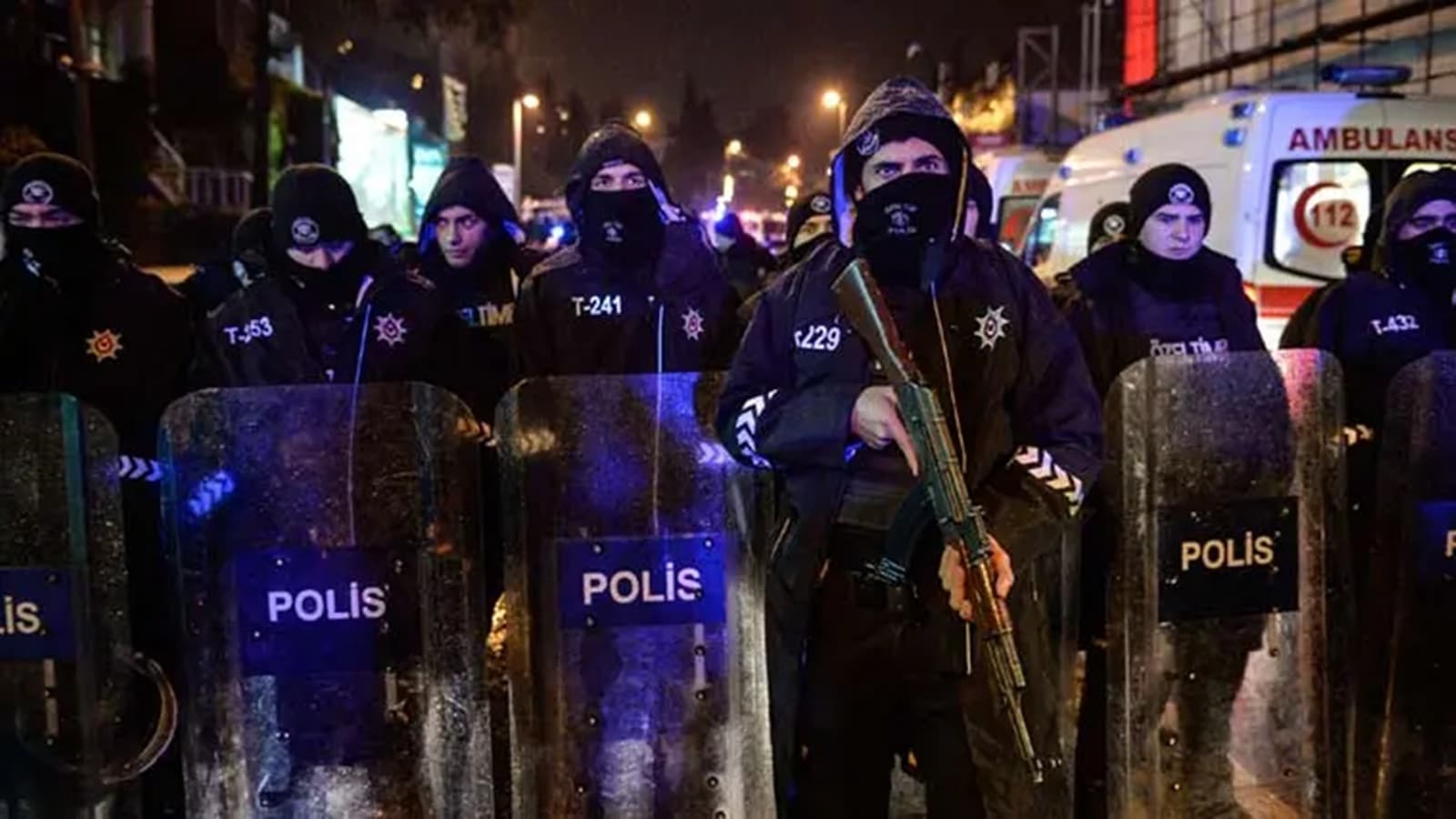
In a meticulously coordinated effort, Turkish authorities executed simultaneous raids across 124 locations, detaining 115 suspected ISIS members and issuing arrest warrants for 137 total suspects. This operation, strategically timed around Christmas and New Year celebrations, represents more than a routine security measure—it's a calculated intervention designed to neutralize potential terrorist networks before they can operationalize attack plans.
The operational details are particularly revealing. By targeting suspects with connections to conflict zones and seizing organizational documents, digital materials, and weaponry, Turkish security forces are demonstrating proactive intelligence capabilities that go beyond reactive measures. The precision of these raids—spanning multiple provinces and involving synchronized law enforcement units—underscores a sophisticated approach to threat mitigation.
For international businesses and travelers, these developments signal a critical need to understand the nuanced security dynamics of geopolitically sensitive regions. The operation reveals that regional security is not just about immediate threat prevention, but about creating a comprehensive ecosystem of intelligence, interdiction, and strategic deterrence. Companies operating in or expanding into Turkey must now view security not as a binary risk/no-risk scenario, but as a dynamic landscape requiring continuous assessment and adaptive strategies.
The broader context suggests an evolving security paradigm where geopolitical intelligence becomes a core competency for cross-border operations. Turkish authorities are not merely responding to threats but are actively shaping the threat landscape through preemptive, intelligence-driven interventions. This approach transforms traditional security protocols from reactive defense mechanisms to proactive strategic instruments.
Questions 3
What are the key risks for international travelers and businesses in Turkey?
The primary risks include potential terrorist activities, particularly during high-profile periods like Christmas and New Year. Businesses must maintain vigilant security protocols, monitor official advisories, and develop comprehensive risk management strategies that account for the complex geopolitical landscape.
What makes Turkey's approach to counterterrorism unique?
Turkey's strategy combines proactive intelligence gathering with precise, coordinated interventions. Unlike reactive models, they target potential threats before they can materialize, using sophisticated tracking of conflict zone connections and strategic timing around vulnerable periods like holiday seasons.