
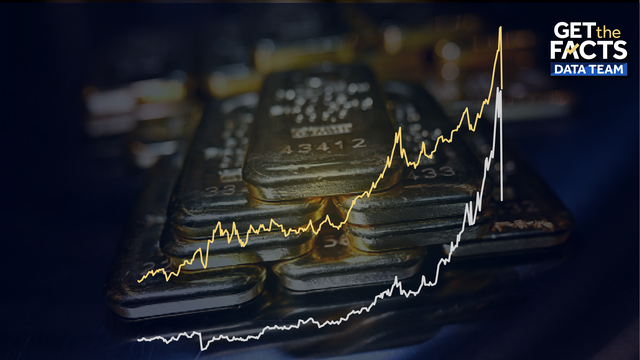


Precious Metals Price Volatility Reshapes E-Commerce Supply Costs | February 2026 Market Correction
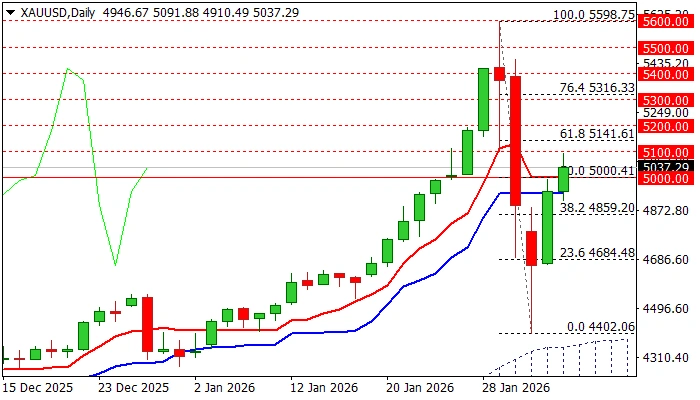
- Gold drops 1.7% to $4,876/oz, silver plummets 12.4% to $77/oz as USD strengthens; commodity-dependent sellers face 2-8% input cost reductions but increased inventory valuation uncertainty


















Overview
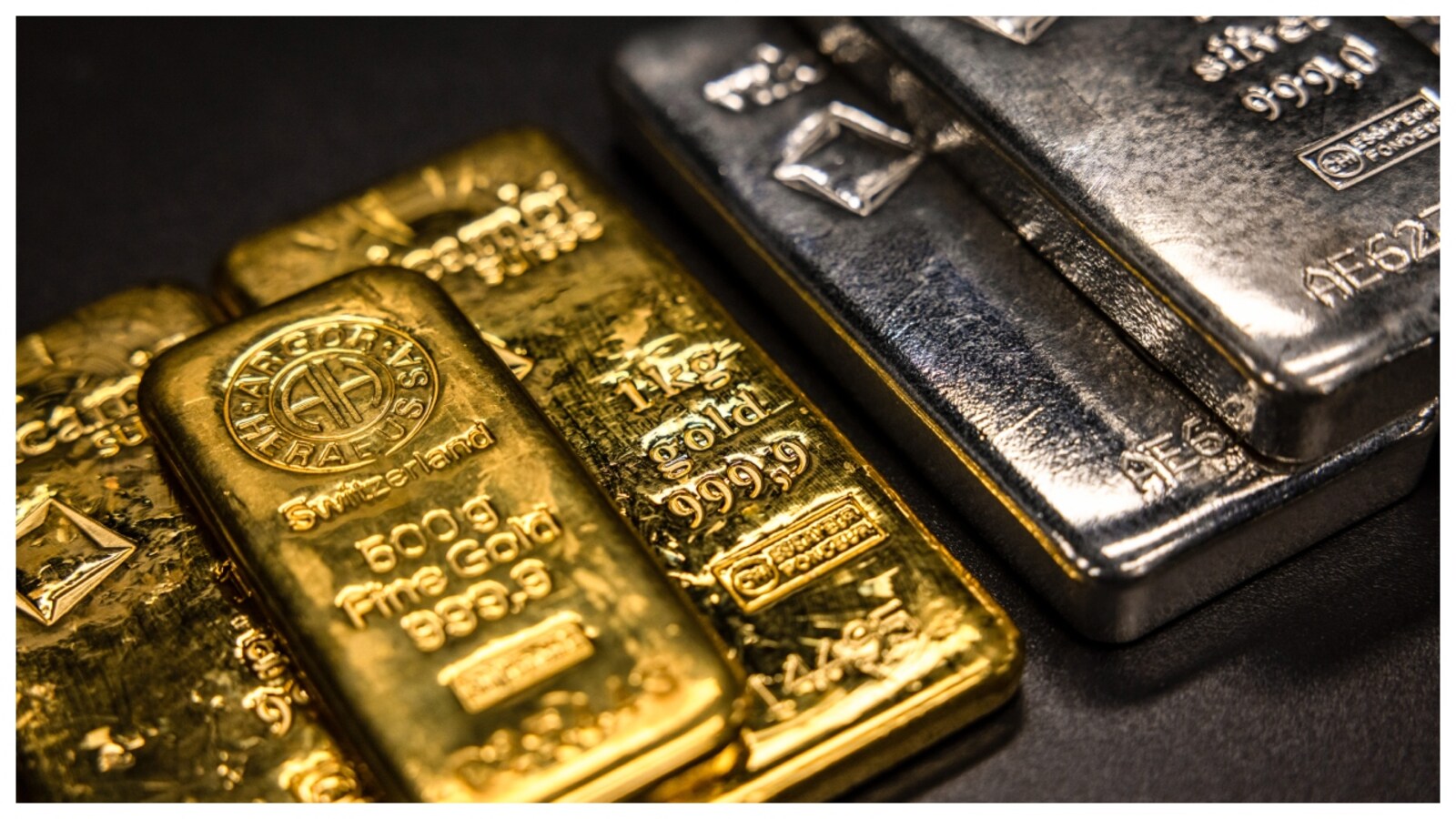
The precious metals market experienced historic volatility in early February 2026, with gold fluctuating between $4,865.34-$5,017.30 per ounce and silver between $76.53-$121.64 per ounce, driven by geopolitical tensions between the U.S. and Iran, Federal Reserve policy uncertainty following Kevin Warsh's nomination, and a strengthening U.S. dollar. This commodity correction creates significant but nuanced opportunities for cross-border e-commerce sellers sourcing products with precious metal components, copper-based electronics, or oil-dependent packaging materials.
Supply Chain Cost Optimization Window: The 1.7% gold decline and 12.4% silver plummet represent immediate cost reductions for sellers in jewelry (HS codes 7113-7117), electronics with gold plating (HS 8534-8542), and dental/medical devices containing precious metals. Sellers sourcing from China and India can negotiate 2-4% lower component costs through February-March 2026 before prices potentially stabilize. However, the extreme volatility (silver's 30% single-day drop on February 5 marked its worst performance since 1980) creates inventory valuation challenges—sellers holding precious metal inventory face mark-to-market losses if they've already purchased at higher price points.
Currency Dynamics Reshape Sourcing Economics: The strengthening U.S. dollar (reaching near two-week highs following the Warsh nomination) makes dollar-denominated commodities more expensive for international buyers holding alternative currencies. This creates a critical arbitrage opportunity: sellers based in EUR, GBP, or CNY zones can source U.S.-priced components at effective discounts of 3-6% compared to local currency pricing. Conversely, U.S.-based sellers exporting to Asia Pacific face headwinds as their products become more expensive for foreign buyers. The delayed U.S. jobs report (rescheduled from February 6 to February 11, 2026) represents a key catalyst that will likely trigger additional currency volatility—sellers should avoid major sourcing commitments until after this data release.
Geopolitical Risk Premium Removal Creates Stability Opportunity: The easing of U.S.-Iran tensions (with confirmed talks scheduled in Oman) and improved U.S.-China relations (following Trump-Xi discussions about soybean purchases) signal removal of geopolitical premiums from commodity markets. This suggests precious metals prices may stabilize in the $4,800-$5,200 gold range and $75-$85 silver range through Q1 2026, providing a window for sellers to lock in component costs through forward contracts or bulk purchasing agreements. Chinese solar panel producers are actively seeking silver alternatives due to weakened industrial demand at higher price levels—this signals potential supply chain disruption for solar-related e-commerce categories (HS 8541) that sellers should monitor.
Inventory Valuation and Compliance Complexity: Sellers holding precious metal inventory face 60-120% volatility levels (per UBS analysis), creating significant accounting challenges for tax compliance and inventory reporting. The London Metal Exchange shows rising copper warehouse inventories, suggesting potential further price declines for copper-dependent electronics (smartphones, laptops, components). Sellers should implement dynamic pricing strategies that adjust product costs weekly rather than monthly, and consider hedging strategies through commodity futures or options to protect margin on high-value items. The broader market sell-off affecting Asian equities and cryptocurrencies indicates thin market liquidity—sellers should avoid large single transactions that could move prices against them.
Questions 7
What is the impact of USD strength on international e-commerce sellers?
A strengthening U.S. dollar (reaching near two-week highs in February 2026 following the Warsh nomination) creates divergent impacts by seller location. Sellers based in EUR, GBP, or CNY zones gain 3-6% effective discounts when sourcing U.S.-priced components, as their local currencies weaken relative to the dollar. Conversely, U.S.-based sellers exporting to Asia Pacific face headwinds—their products become more expensive for foreign buyers, potentially reducing competitiveness. The delayed U.S. jobs report (rescheduled to February 11, 2026) will likely trigger additional currency volatility, so sellers should avoid major sourcing commitments until after this data release.
Should sellers lock in precious metals component costs now or wait for further price declines?
The easing of geopolitical tensions (U.S.-Iran talks confirmed for Oman, improved U.S.-China relations) suggests removal of risk premiums from commodity markets, indicating prices may stabilize in the $4,800-$5,200 gold range and $75-$85 silver range through Q1 2026. UBS forecasts gold reaching $6,200 by March 2026 before settling at $5,900 year-end, while Goldman Sachs maintains a $5,400 December 2026 target. Sellers should lock in costs through forward contracts or bulk purchasing agreements during this stabilization window rather than waiting for further declines, as geopolitical risk premiums could re-emerge. Chinese solar panel producers are actively seeking silver alternatives, signaling potential supply disruptions in solar-related categories.