



Gaming Hardware Supply Crisis | RAM Prices Triple, Valve Delays 2026 Launch
- Memory component shortage extends gaming hardware timelines to H1 2026; RAM prices surge 3-4x since October 2025 due to AI data center competition; sellers face margin compression and extended lead times through mid-2026





















Overview
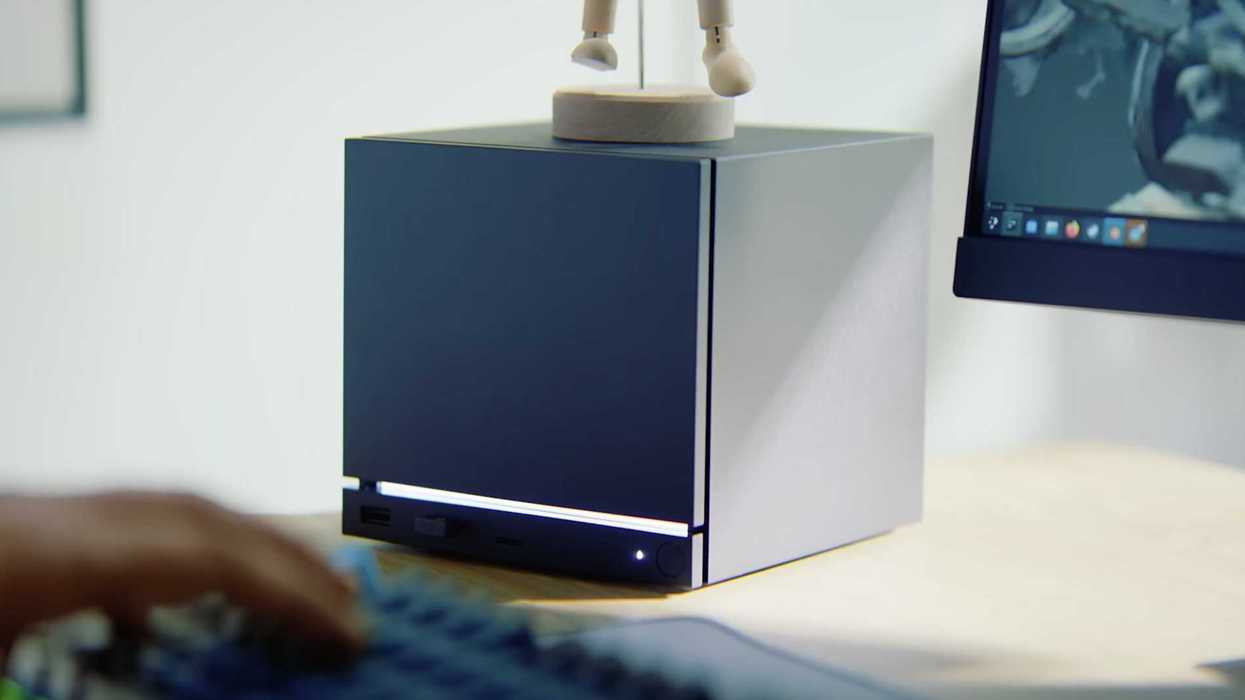
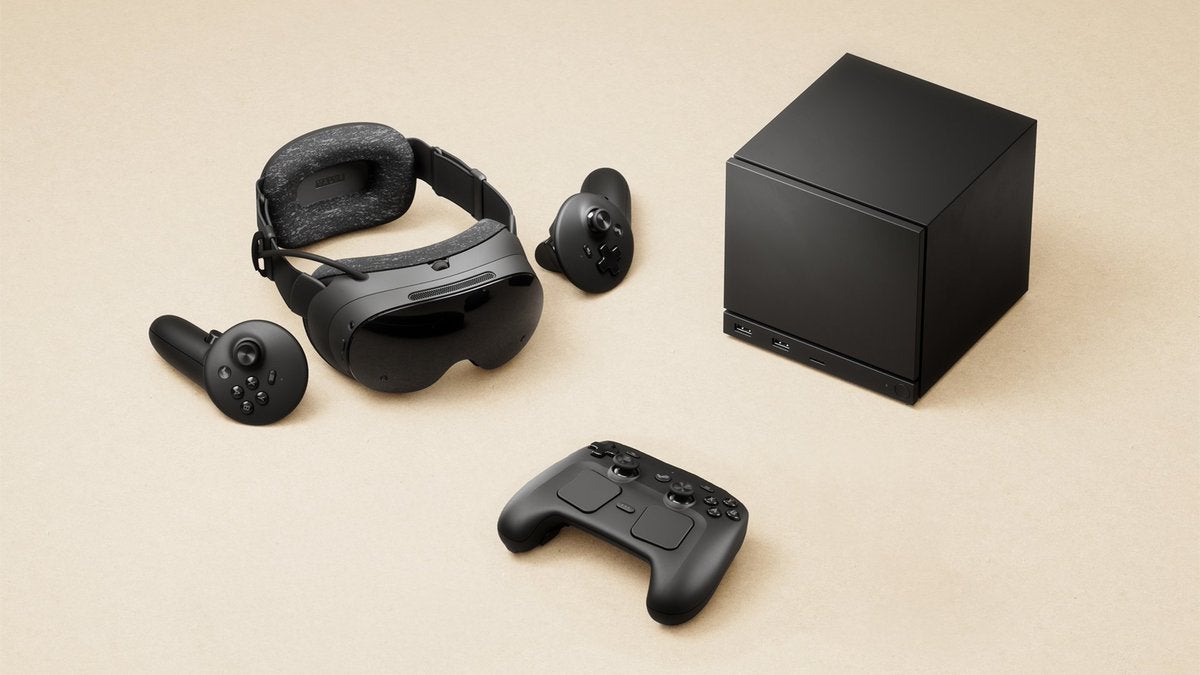
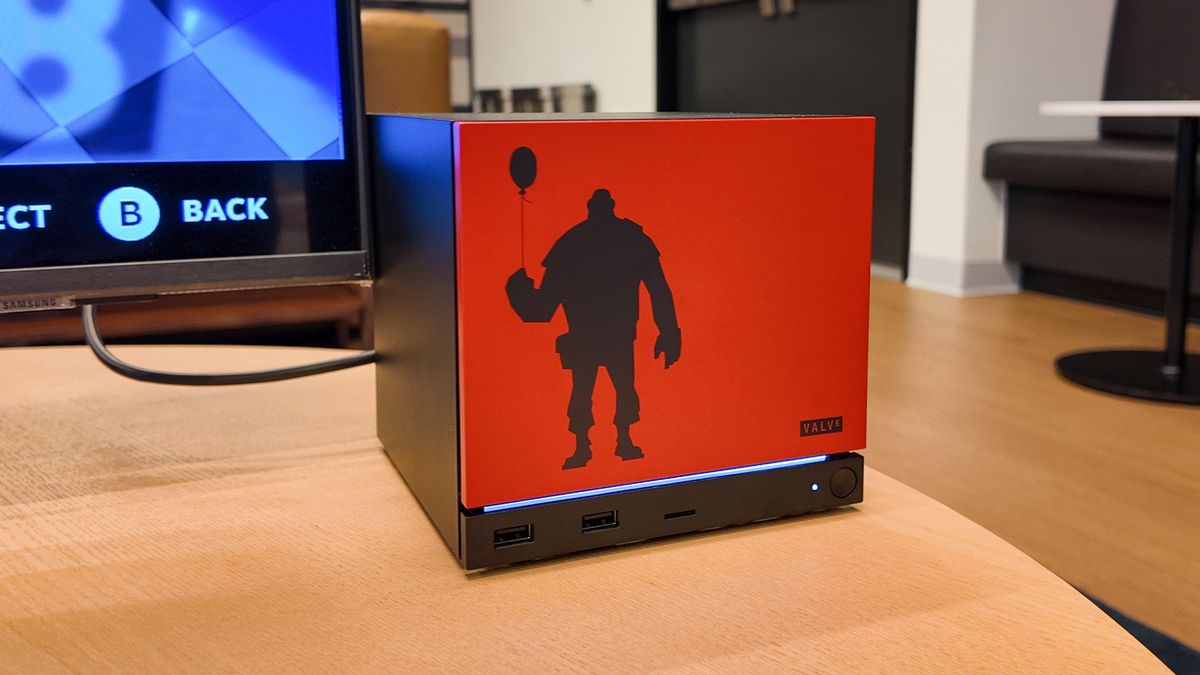
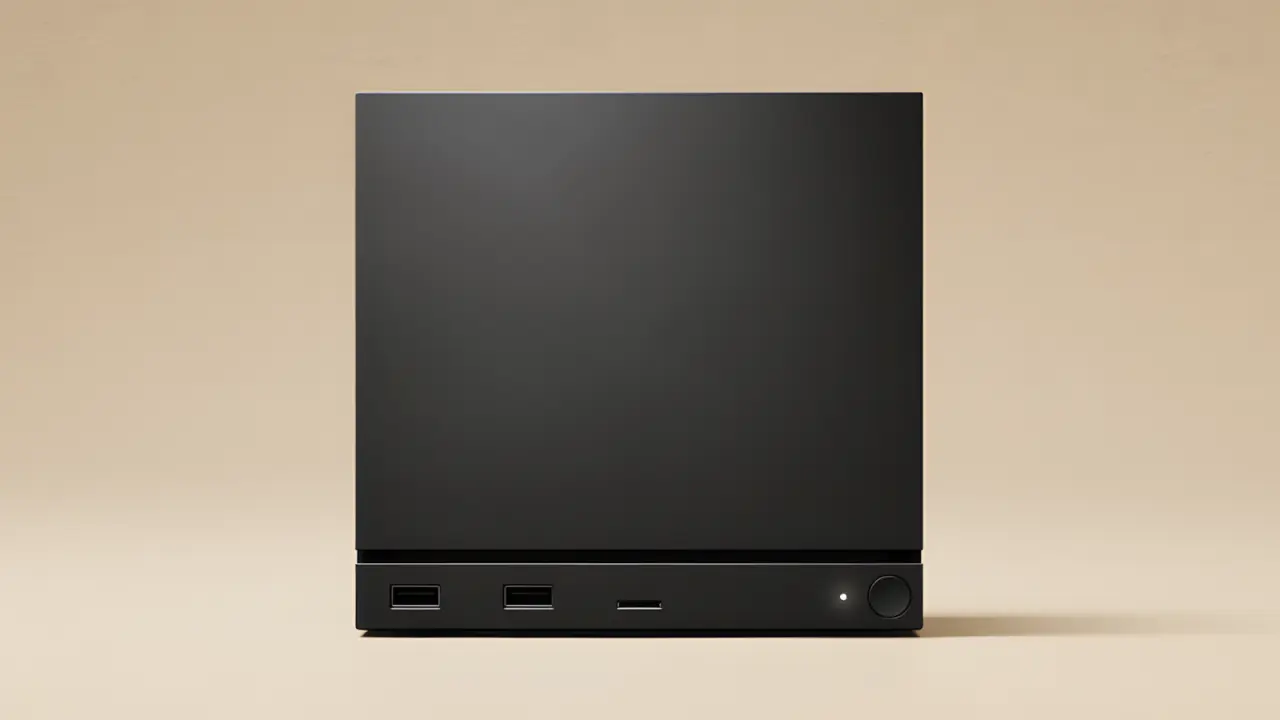
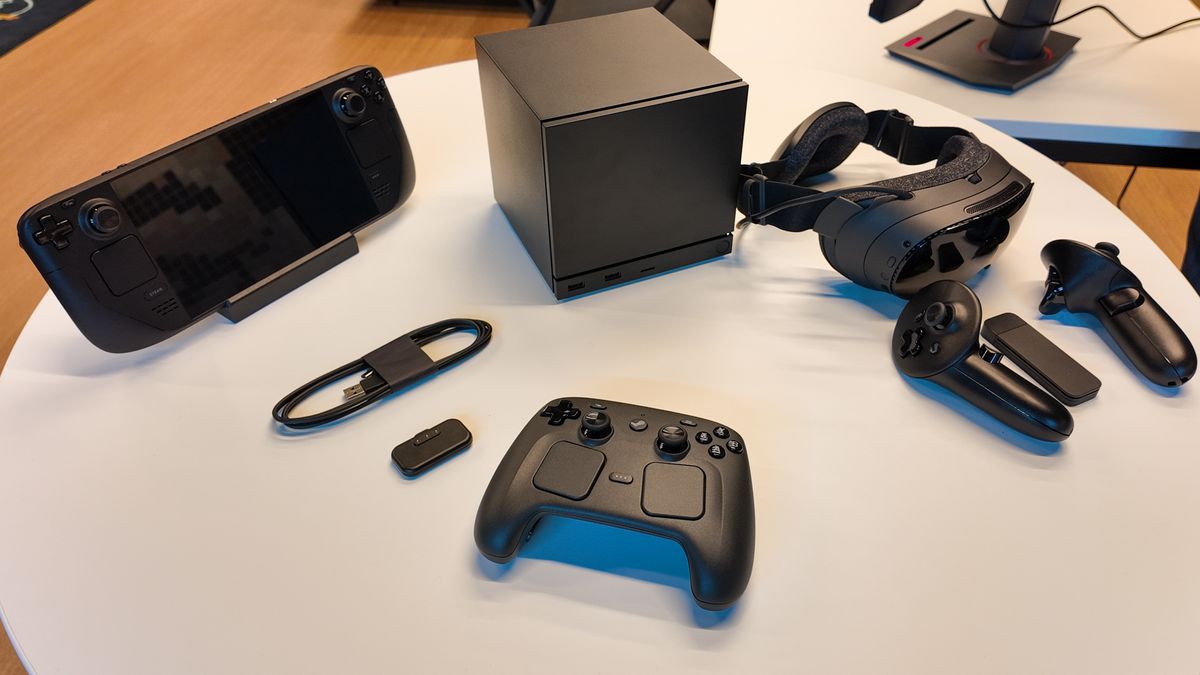
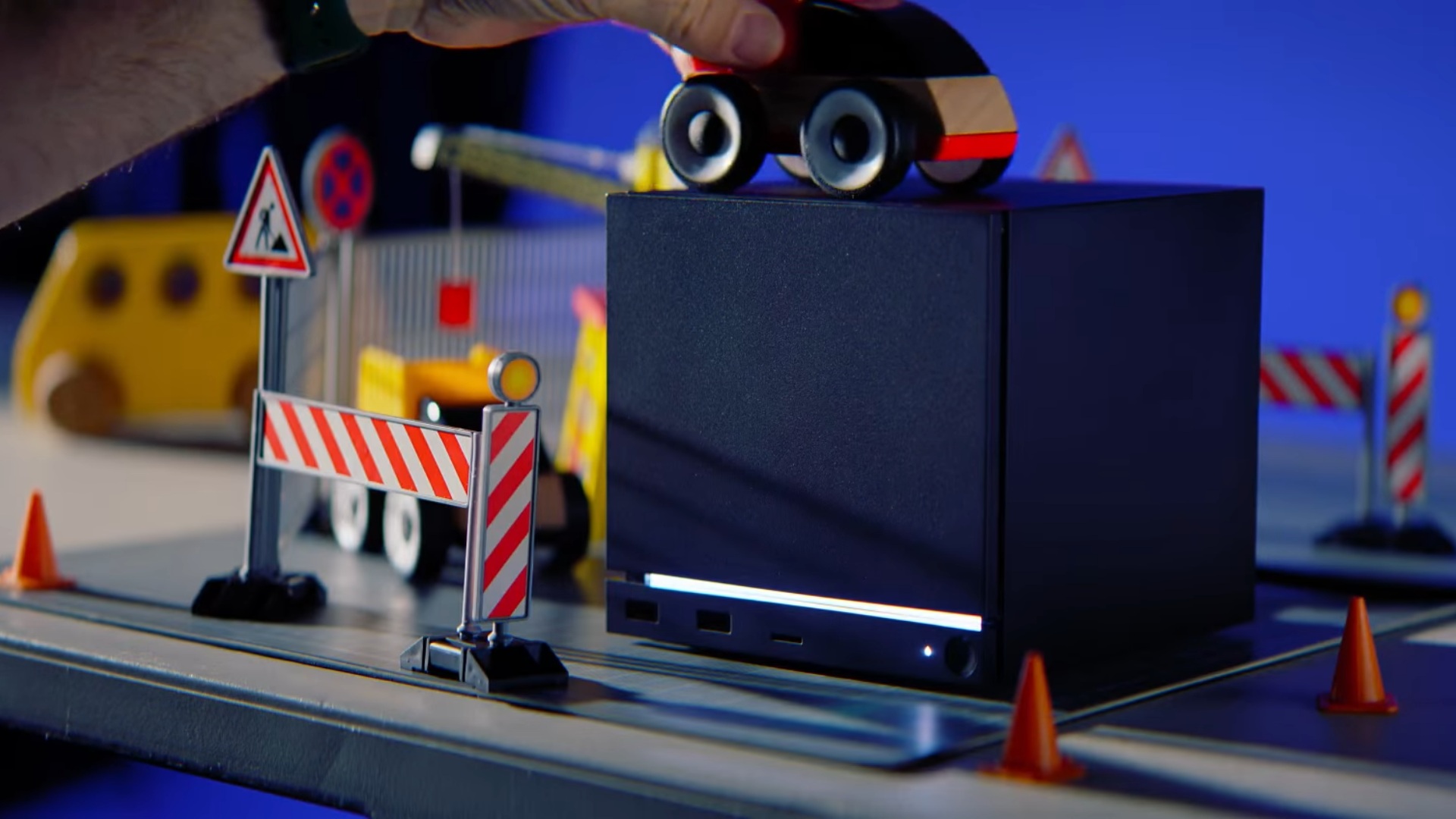
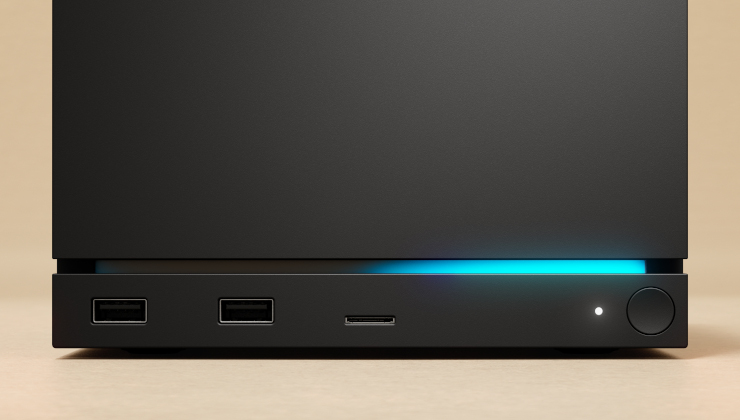
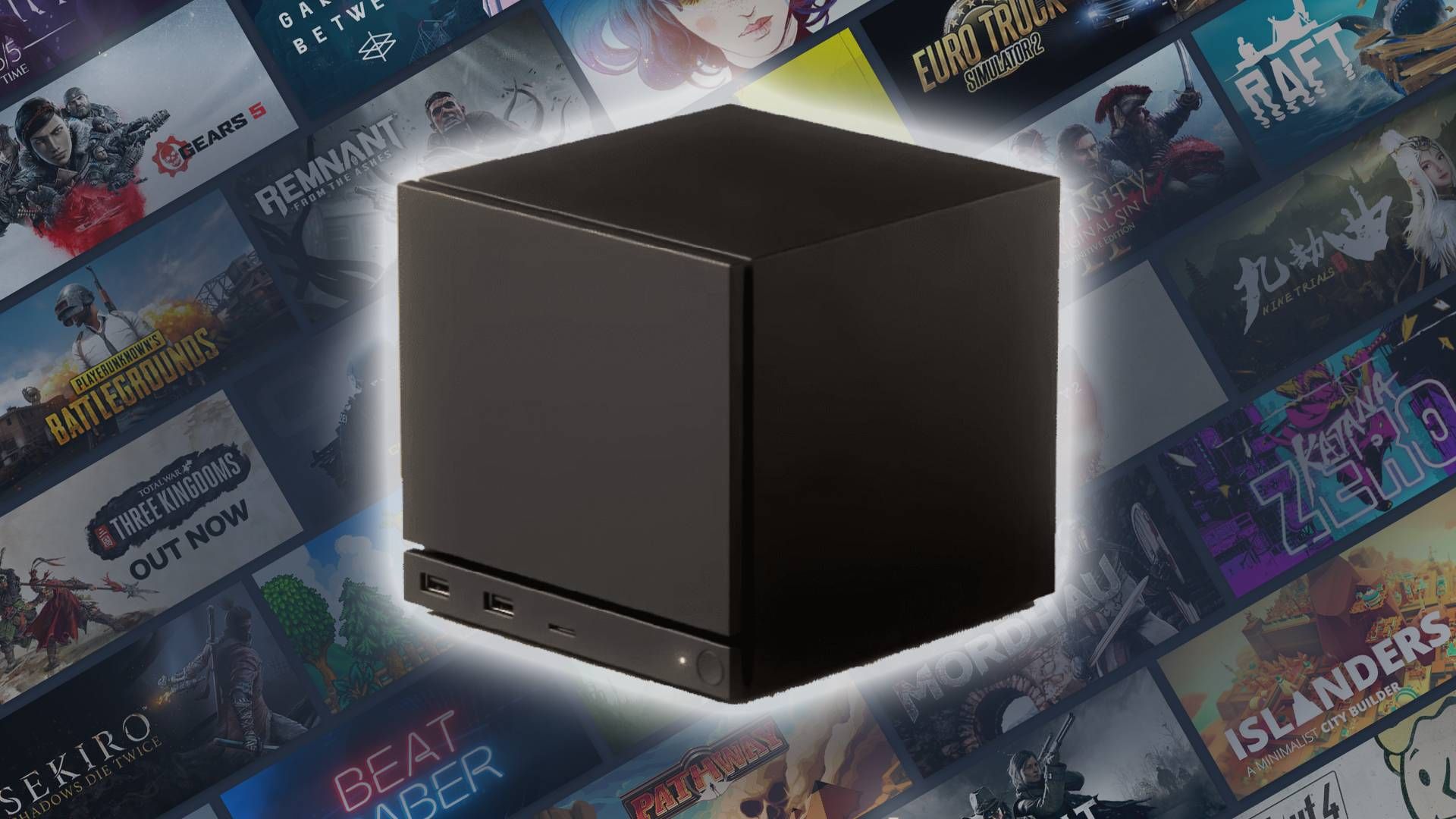
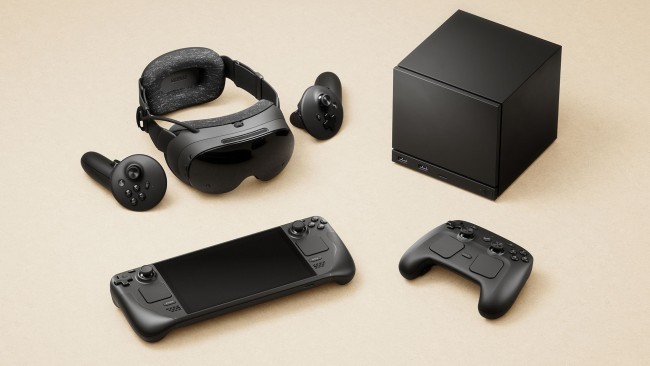
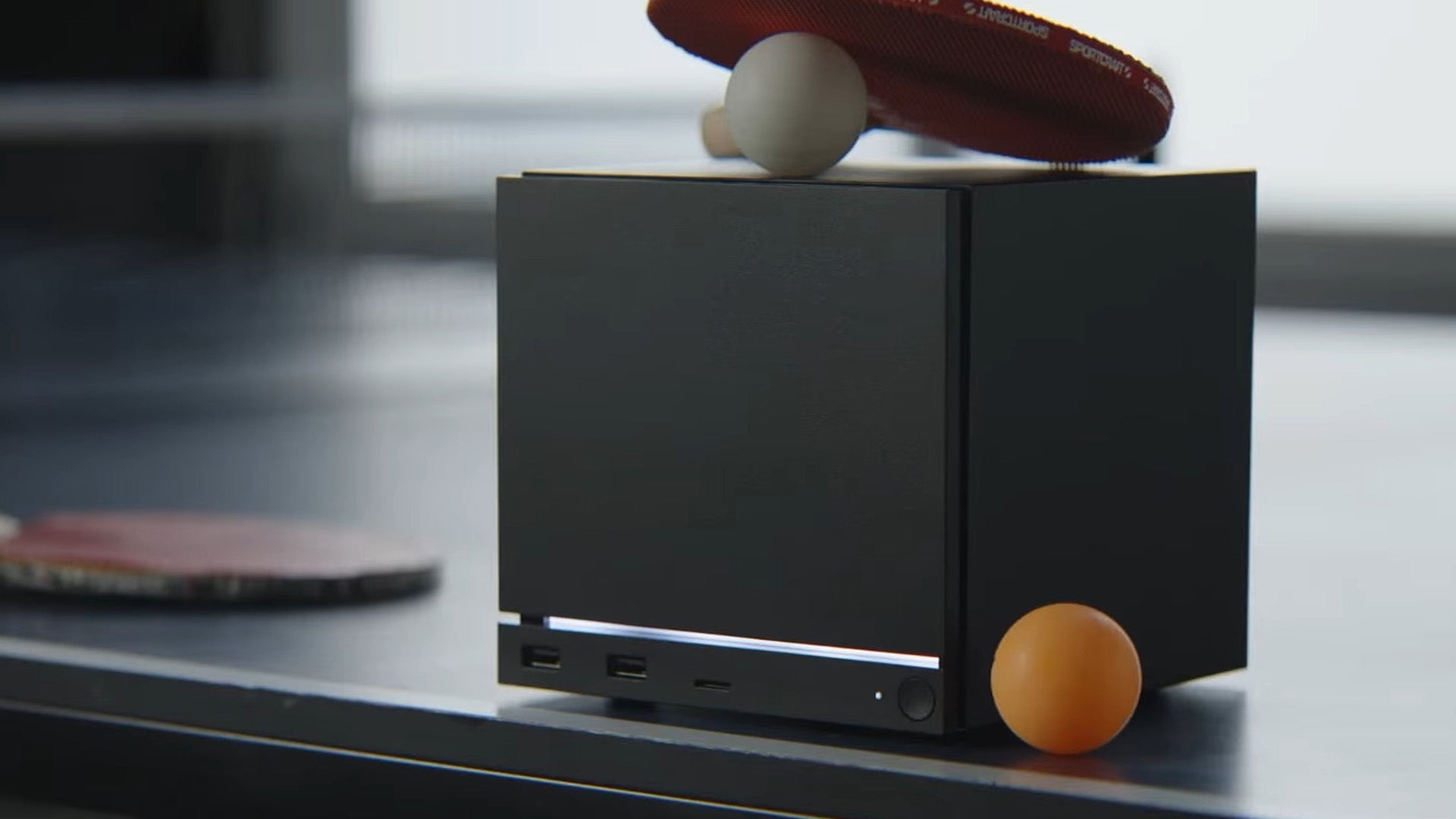
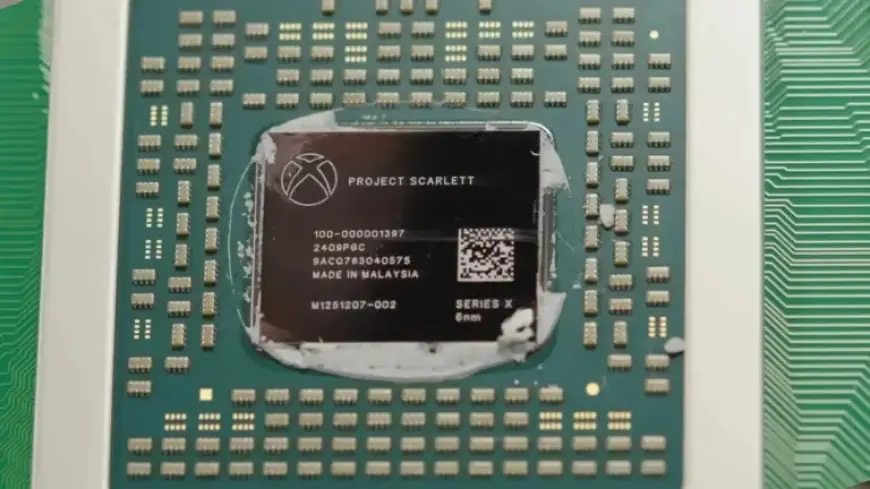
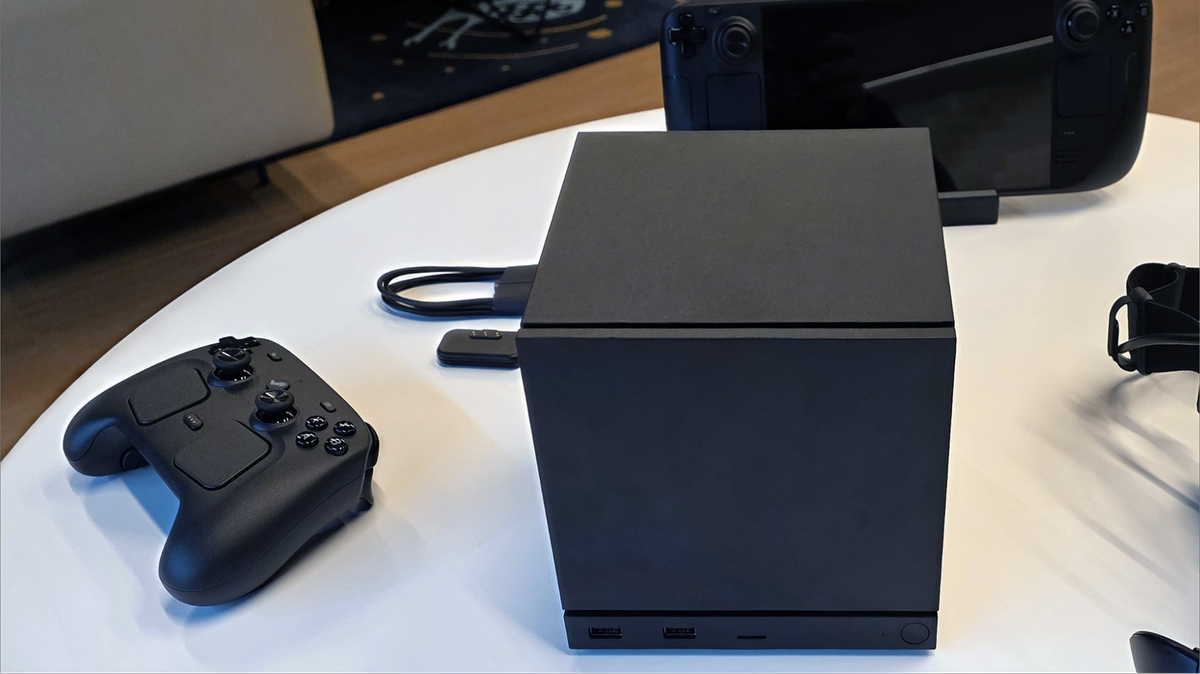
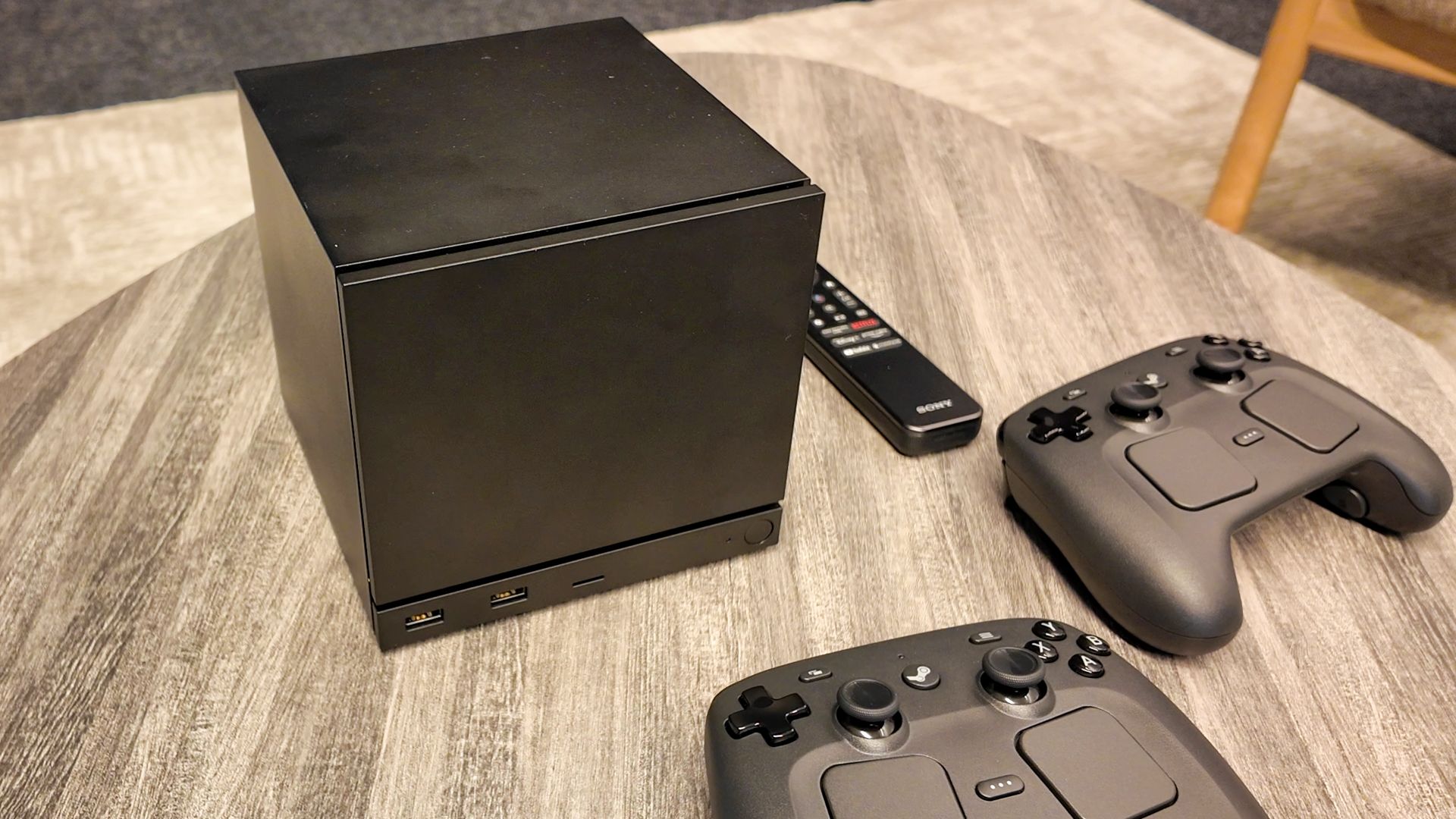
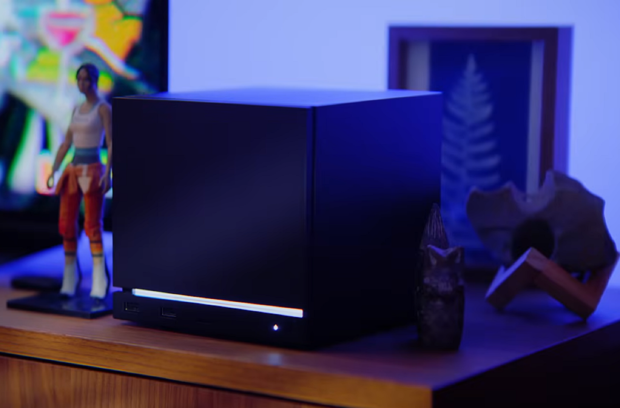
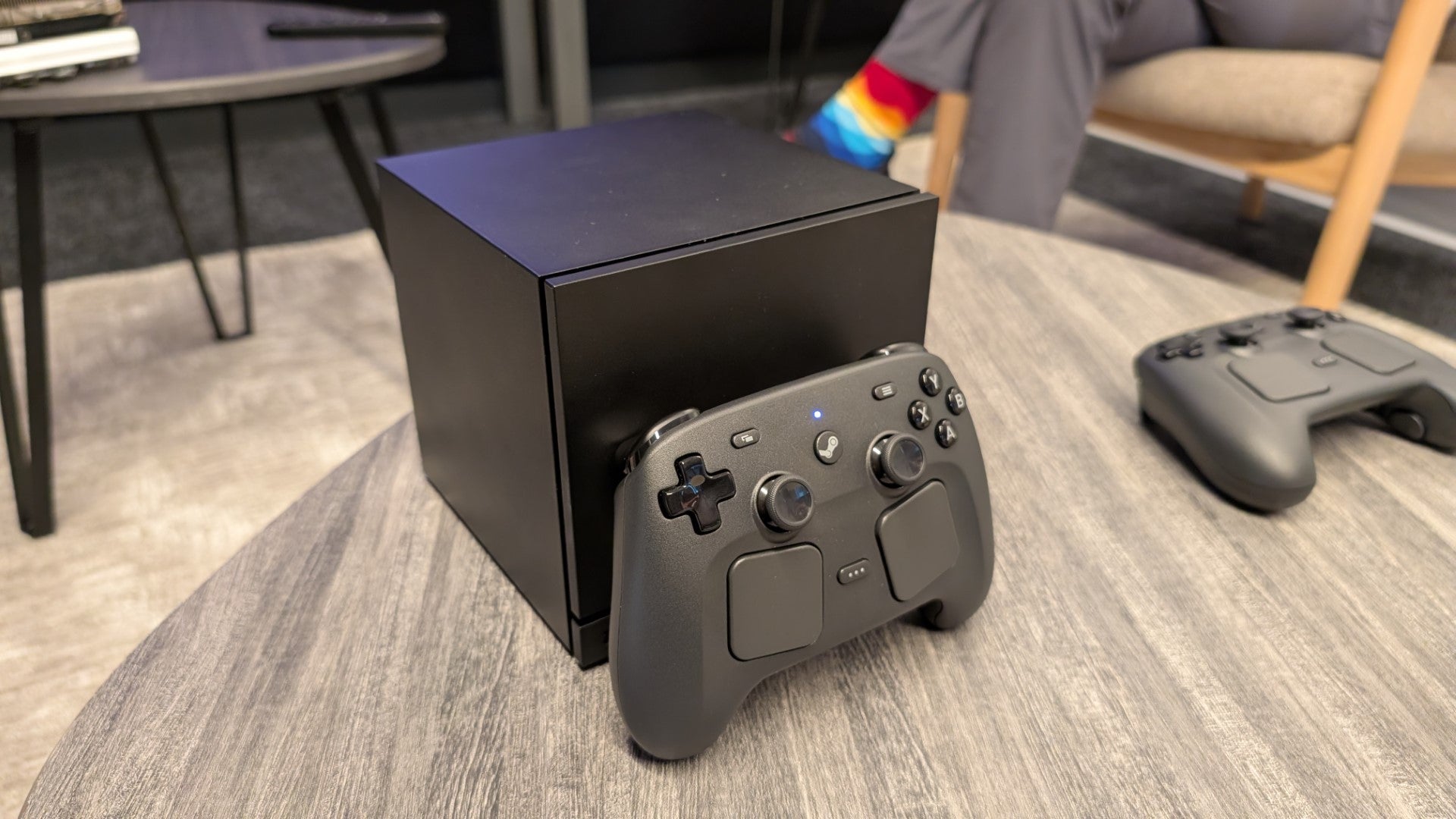
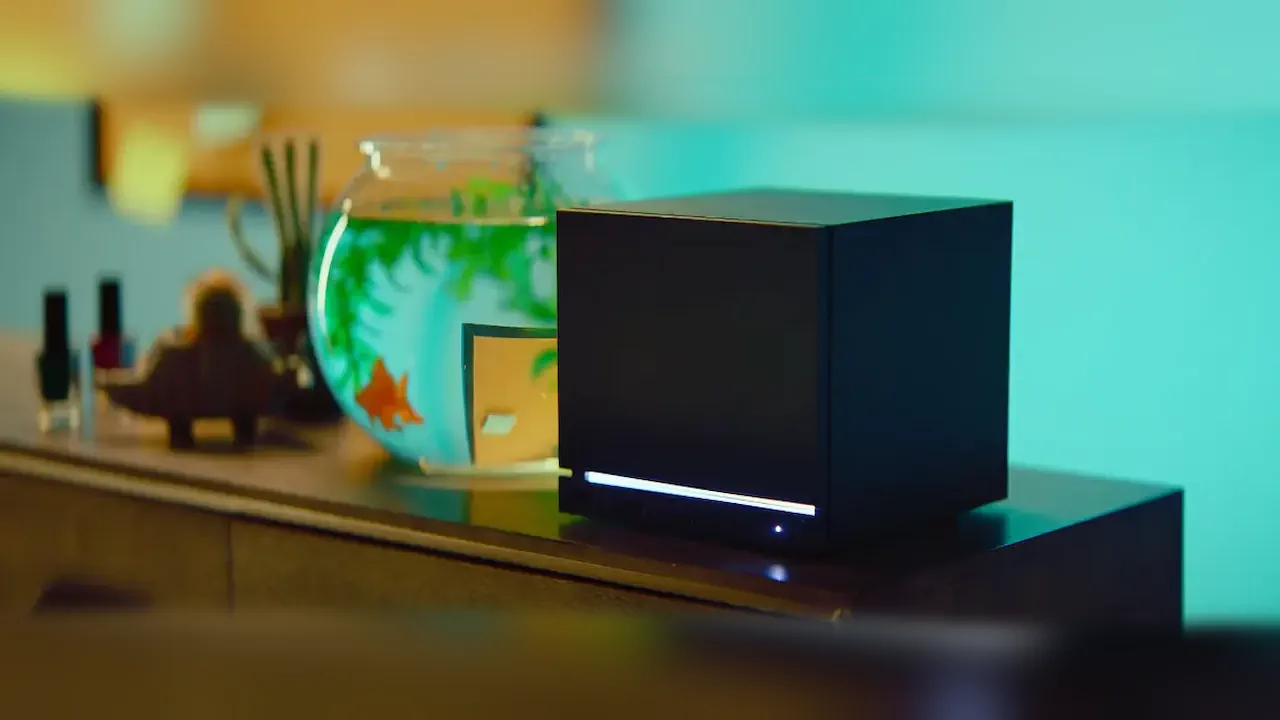
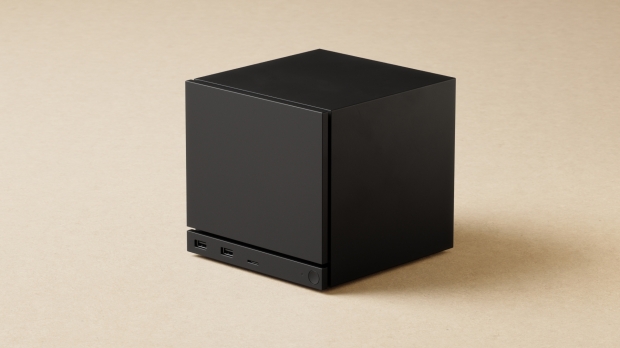
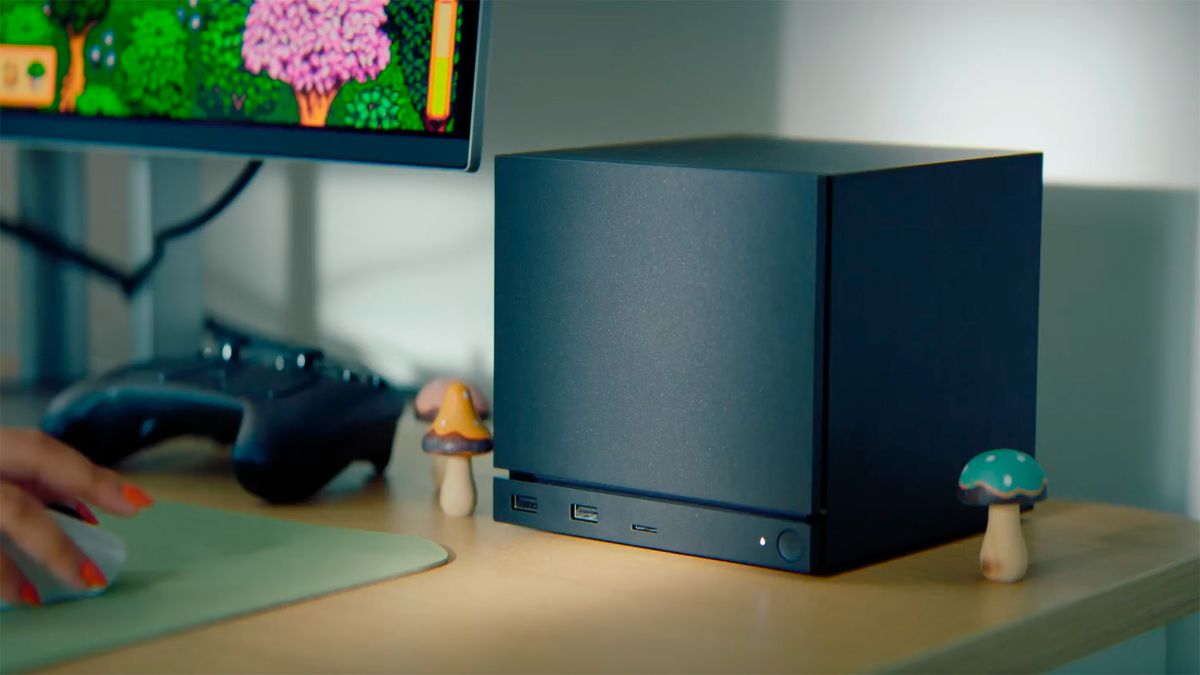
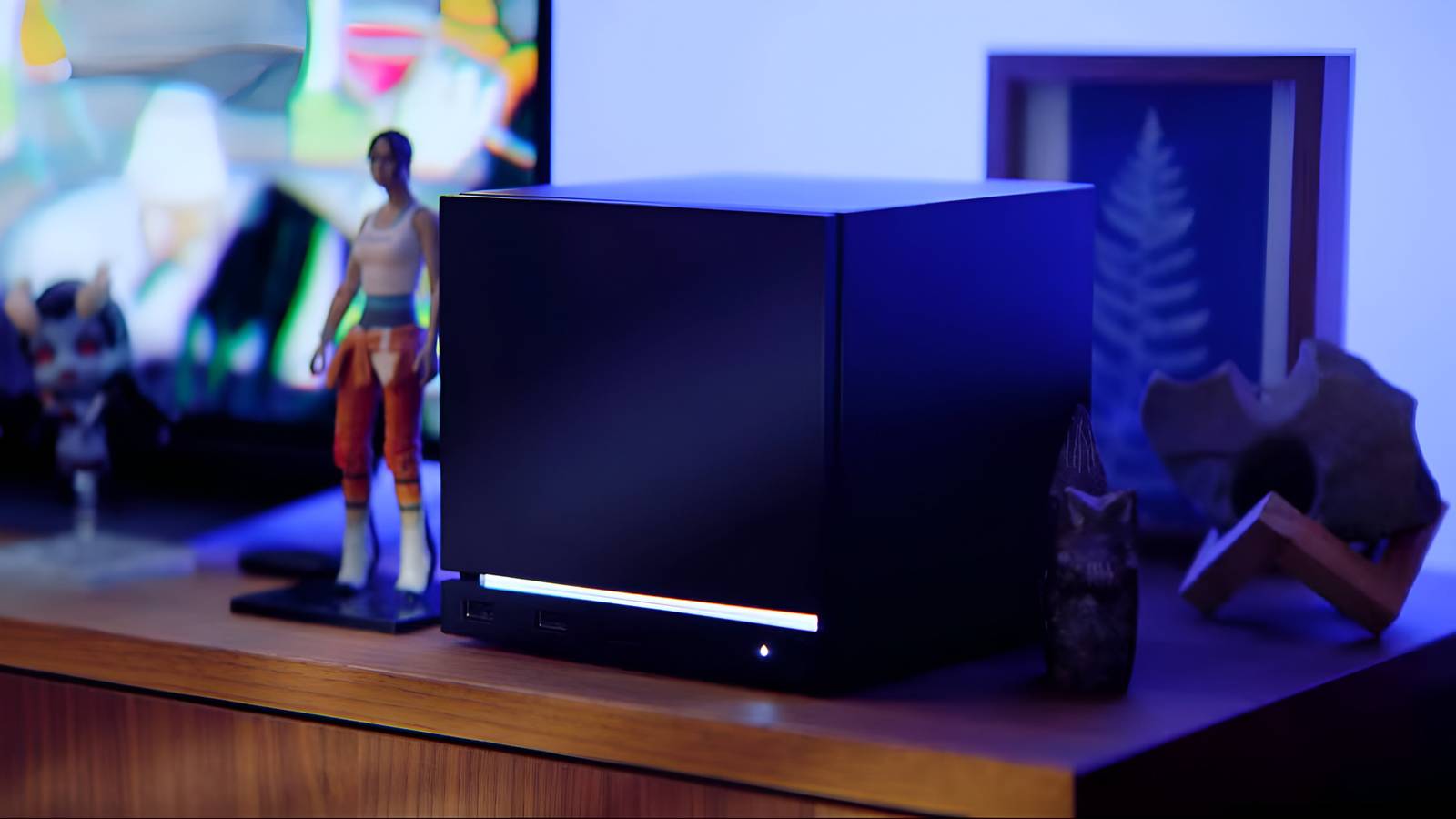
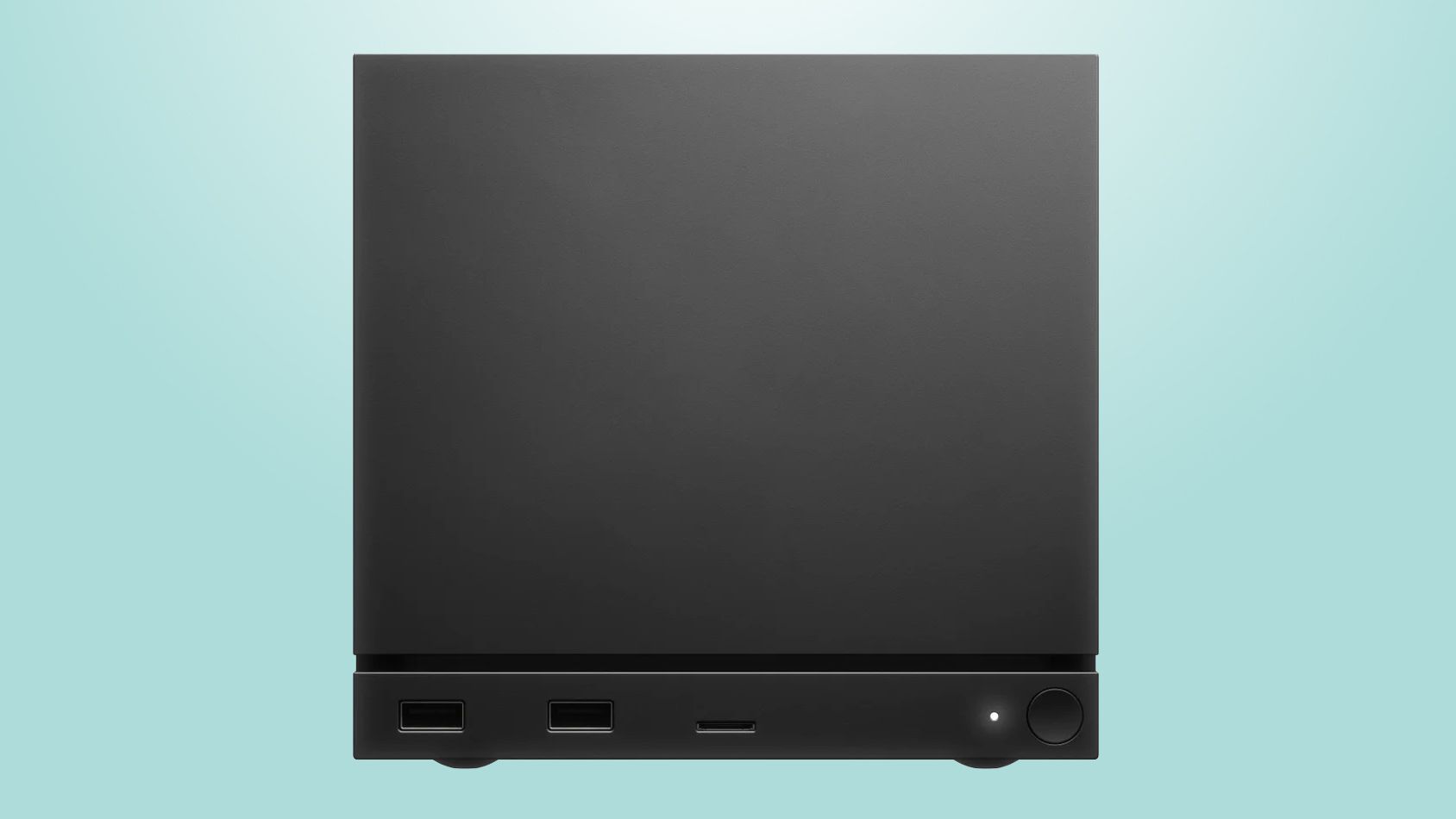
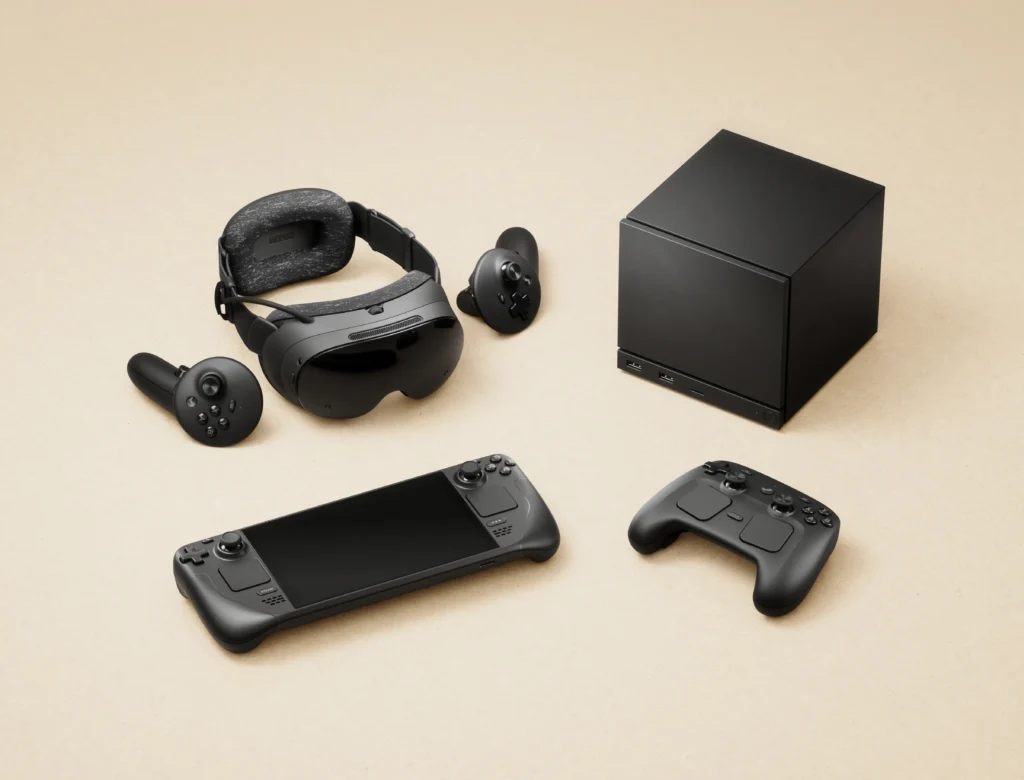
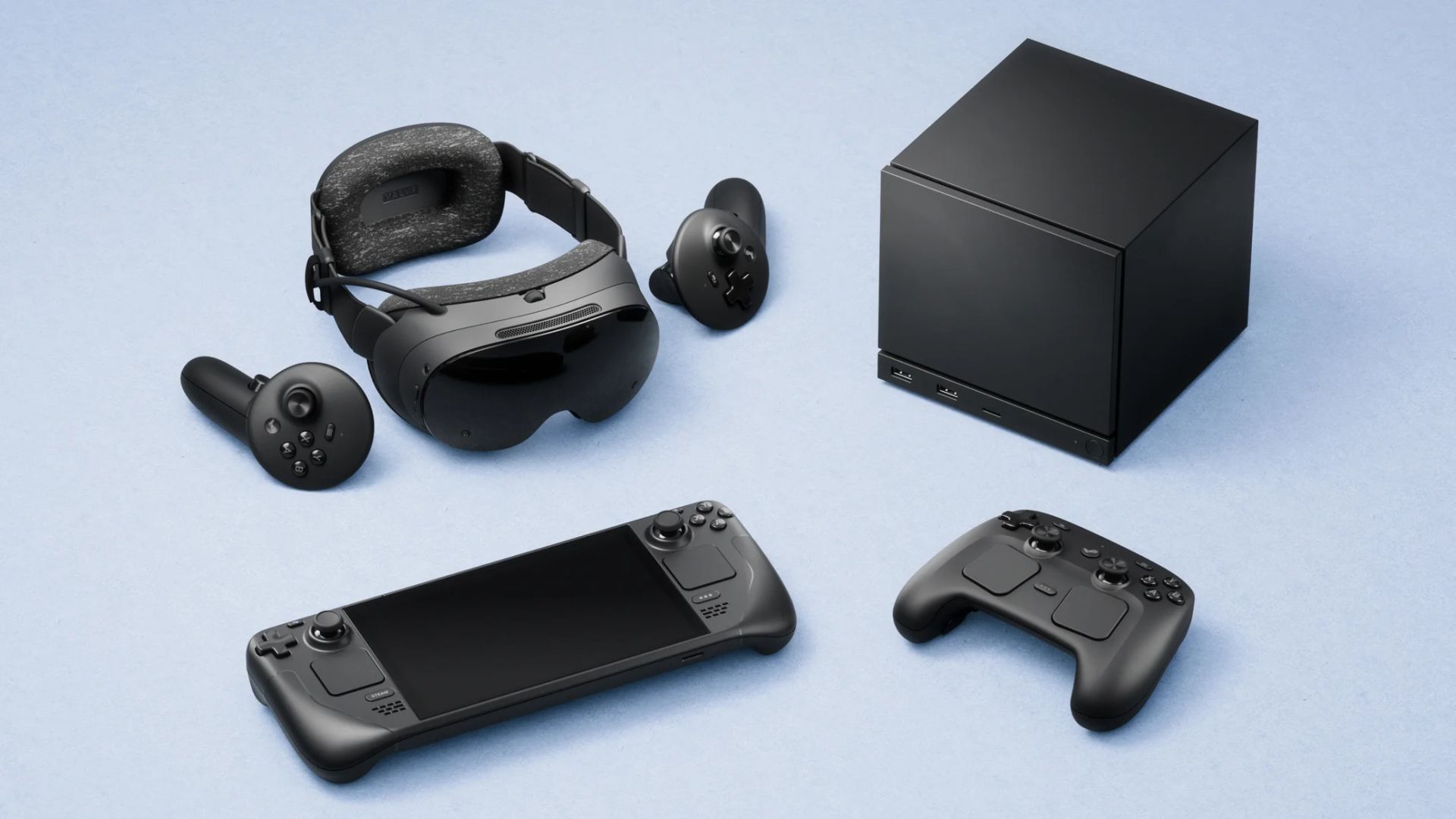
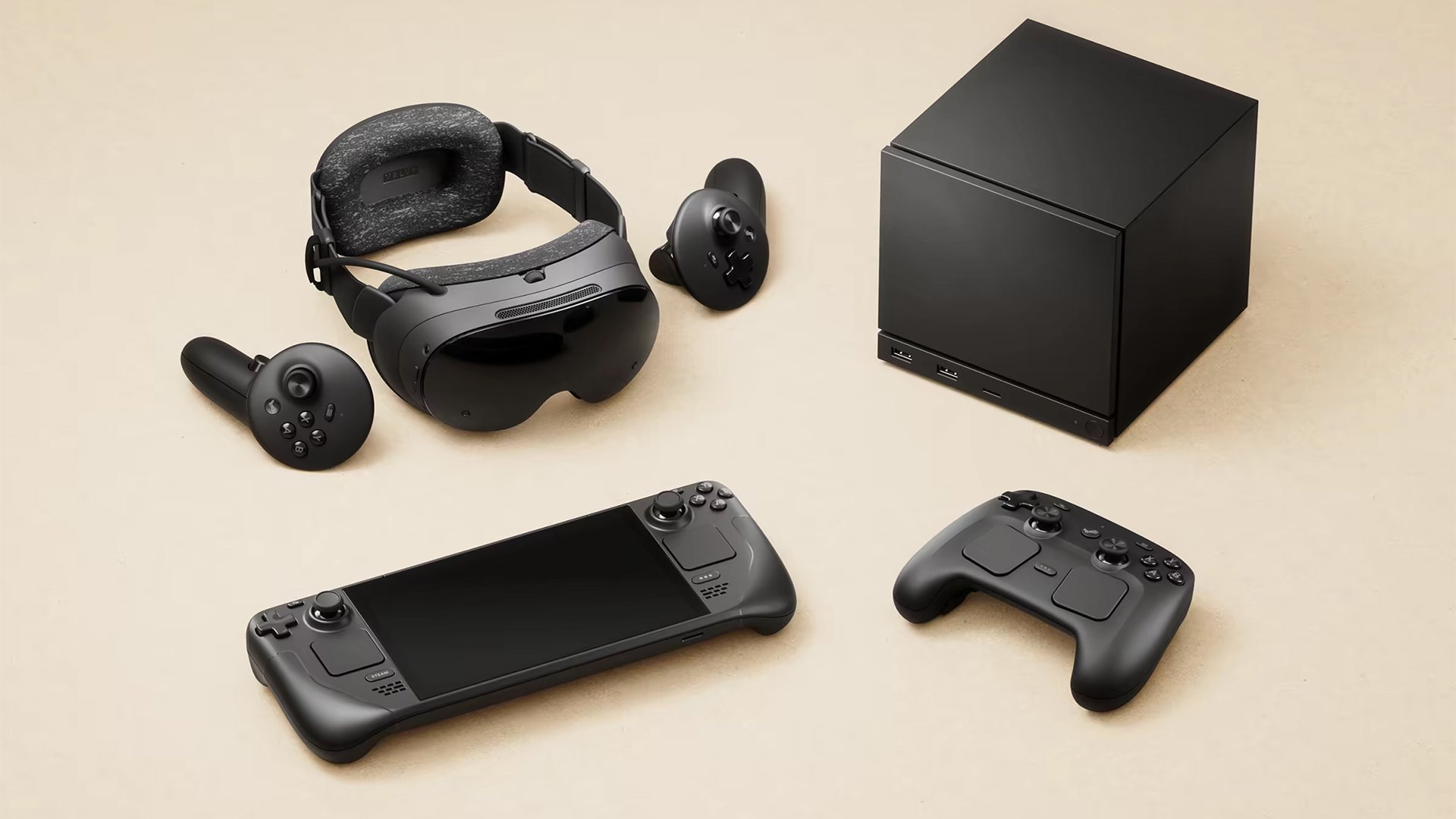
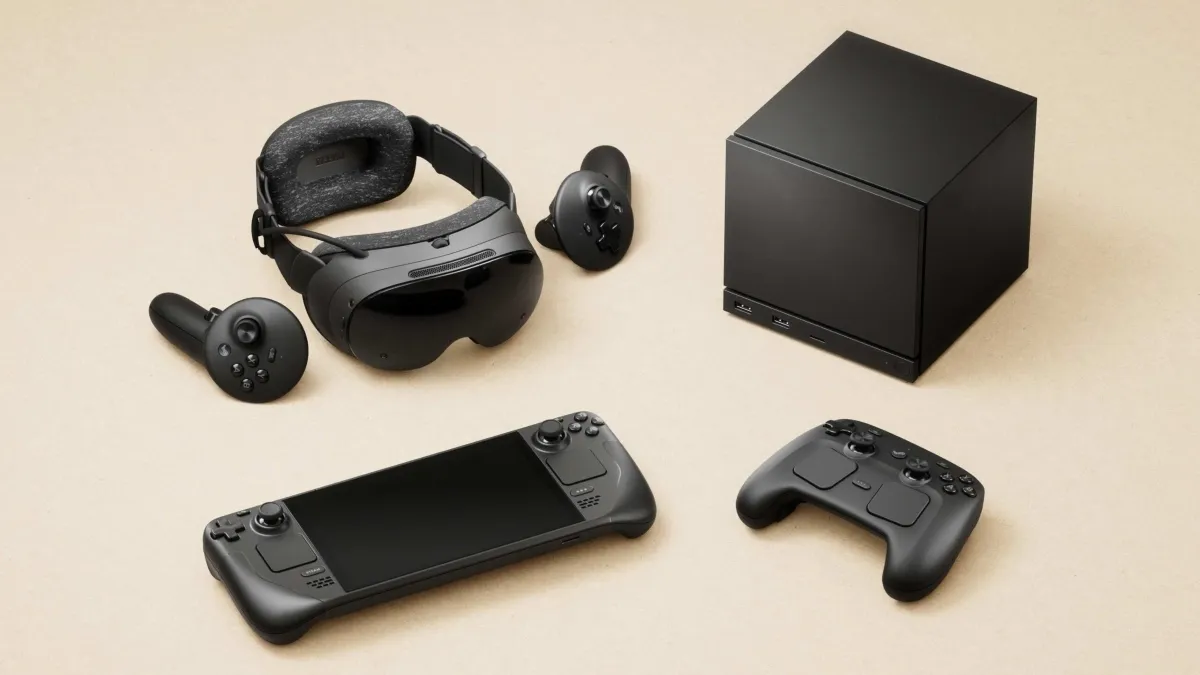
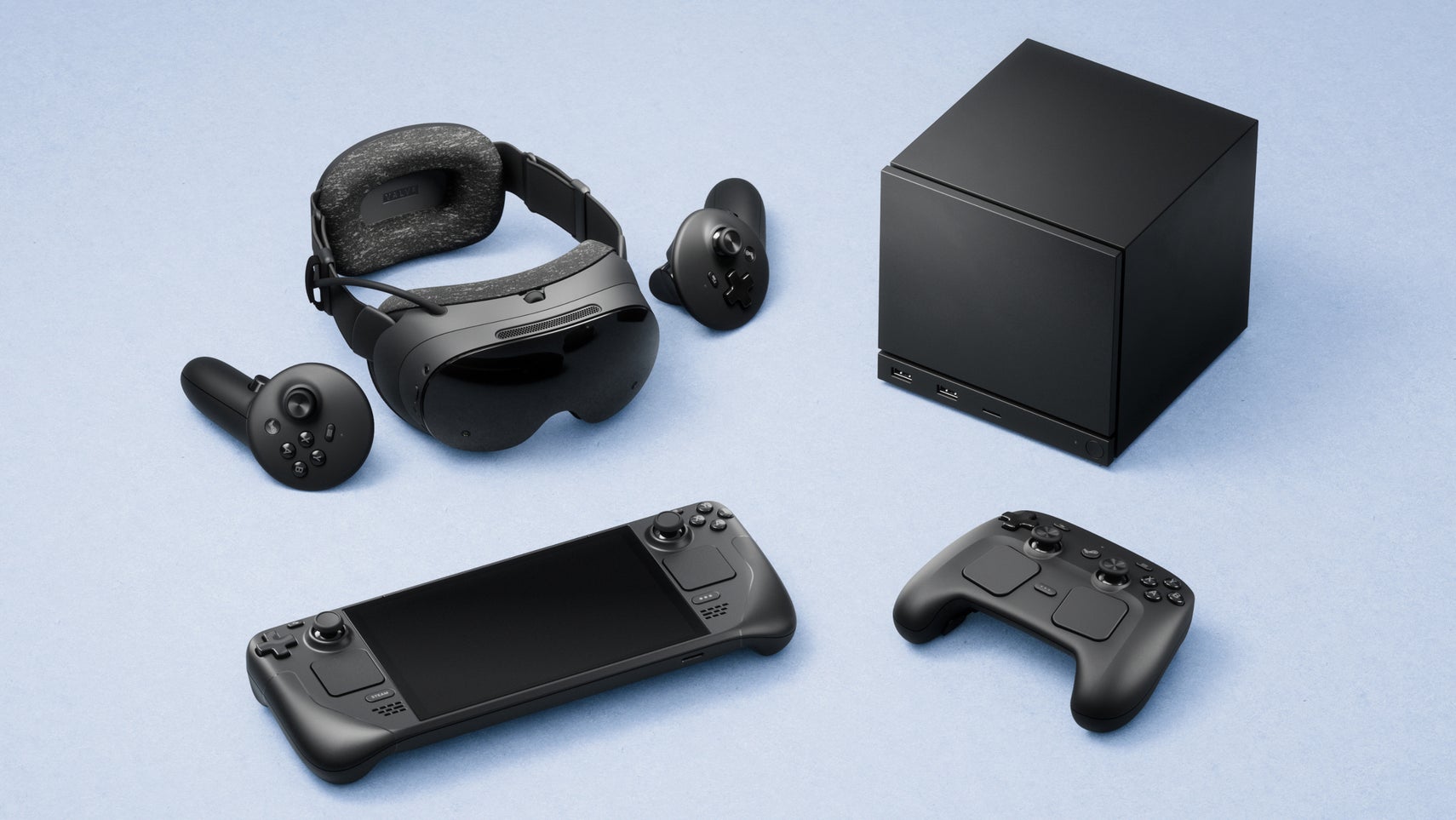
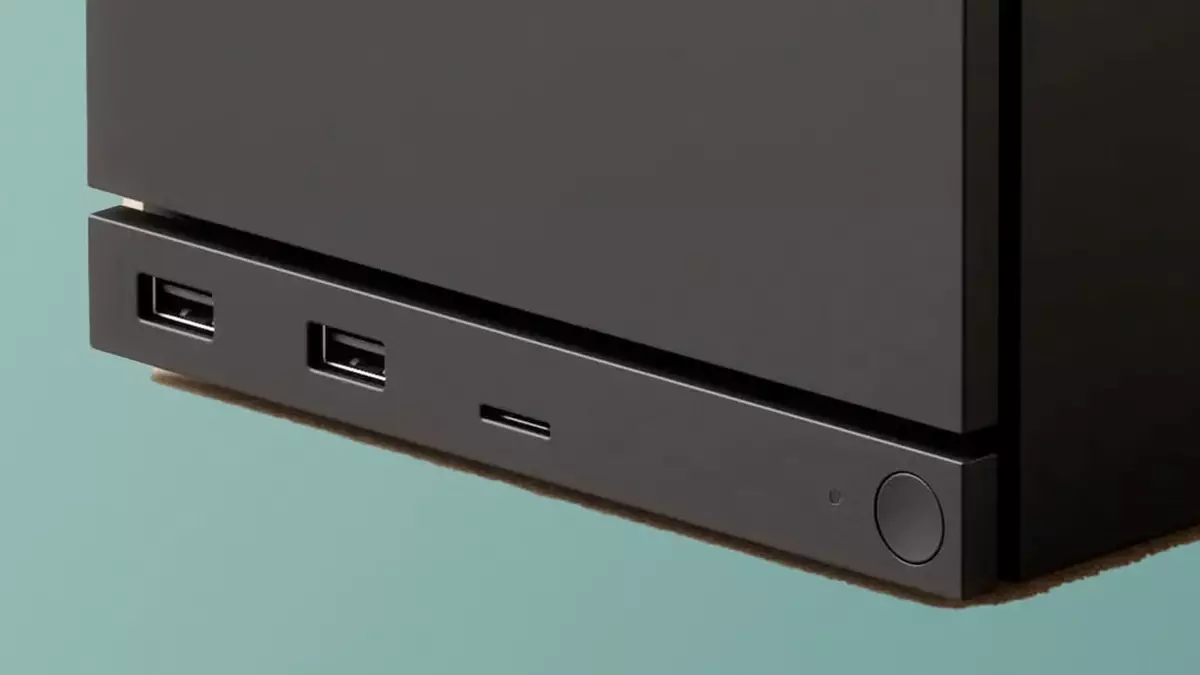
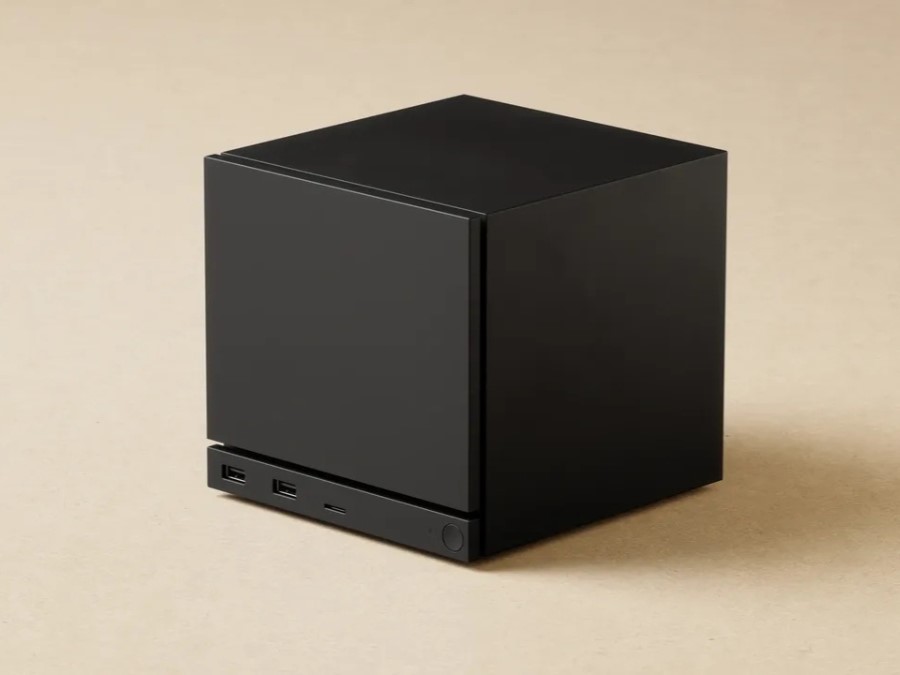
The semiconductor supply chain crisis is reshaping gaming hardware timelines and pricing strategies across the industry. Valve announced on February 4, 2026, that it is delaying the launch of three flagship products—the next-generation Steam Machine (4K mini gaming PC), Steam Frame VR headset, and new Steam Controller—from early Q1 2026 to sometime in H1 2026. The primary driver is an unprecedented surge in memory and storage component prices, which have more than doubled since October 2025, with RAM prices tripling or quadrupling in some cases. This crisis stems from artificial intelligence data centers aggressively competing for High Bandwidth Memory (HBM) chips, forcing memory manufacturers to prioritize higher-margin AI server applications over consumer gaming hardware.
For cross-border e-commerce sellers, this supply chain volatility creates both immediate challenges and strategic opportunities. Gaming hardware resellers, PC component distributors, and accessory sellers face sustained margin compression throughout 2026. Sellers specializing in RAM, SSDs, cooling solutions, and gaming peripherals should expect extended lead times (3-6 weeks beyond normal), volatile pricing that makes inventory planning difficult, and potential inventory obsolescence if component costs drop unexpectedly. The delay signals that even major manufacturers like Valve cannot commit to fixed pricing or launch dates—a critical insight for sellers who depend on hardware launches to drive demand for complementary products. Valve engineer Pierre-Loup Griffais previously stated the Steam Machine would be "pretty competitive" with custom-built PC pricing, but acknowledged that current market volatility makes precise forecasts impossible.
The broader market context reveals a structural shift in semiconductor allocation. AI infrastructure demand is fundamentally reshaping component availability and pricing across consumer electronics. Sellers in gaming hardware distribution, PC component markets, and consumer electronics should anticipate that this supply constraint will persist through mid-2026 and potentially beyond. The delay affects retail partners, resellers, and marketplace sellers who depend on hardware launches for inventory planning and revenue forecasting. However, this also creates opportunities: sellers can position themselves as alternative sources for gaming peripherals and accessories during the hardware shortage, emphasizing compatibility with existing systems and offering bundle deals that add value when new hardware is scarce. The gaming peripherals market (controllers, headsets, cooling solutions) typically generates 15-25% of revenue during major hardware launches—sellers should prepare inventory strategies that capitalize on pent-up demand when Valve finally releases its products in H1 2026.
Questions 8
What are the implications for cross-border gaming hardware sellers and resellers?
Gaming hardware resellers and PC component distributors face sustained margin compression throughout 2026, with extended lead times (3-6 weeks beyond normal) and volatile pricing that complicates inventory planning. The delay affects retail partners, resellers, and marketplace sellers who depend on hardware launches for revenue forecasting. Sellers specializing in RAM, SSDs, cooling solutions, and gaming peripherals should anticipate inventory obsolescence risks if component costs fluctuate unexpectedly. However, the shortage also creates opportunities: sellers can position themselves as alternative sources for gaming peripherals and accessories during the hardware drought, emphasizing compatibility with existing systems and offering bundle deals.
When will Valve's Steam Machine, Steam Frame, and Steam Controller actually ship?
Valve committed to shipping all three products in the first half of 2026 (H1 2026), but has not announced specific shipping dates or pricing. The company stated on February 4 that it must revisit exact shipping dates and pricing strategies due to rapidly changing market conditions. AMD CEO Lisa Su confirmed that product development is progressing and hardware is ready for production, but commercial timelines remain fluid due to supply chain volatility. Sellers should monitor Valve's official announcements for updated timelines, as the company emphasized the need for flexible launch strategies rather than fixed commitments.