

Measles Outbreak Surge 2026 | Health Product Demand & Logistics Impact
- 17 states affected with 876+ cases in South Carolina alone; sellers see surge in health/wellness product demand and logistics disruptions in outbreak zones













Overview
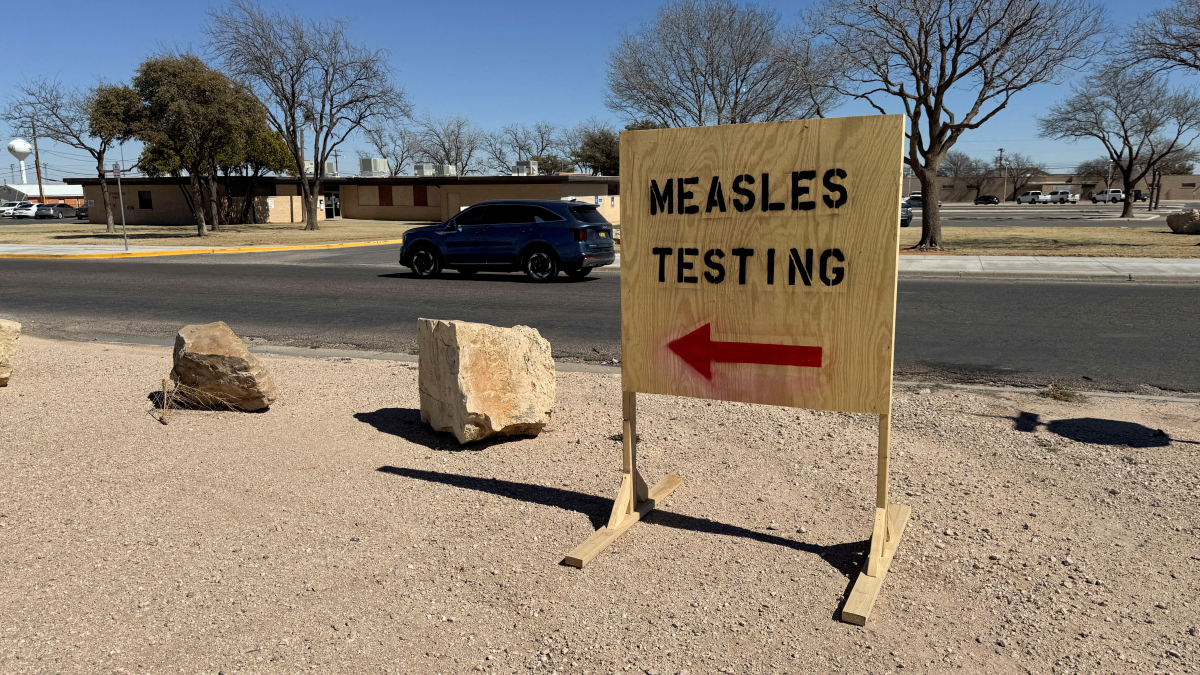
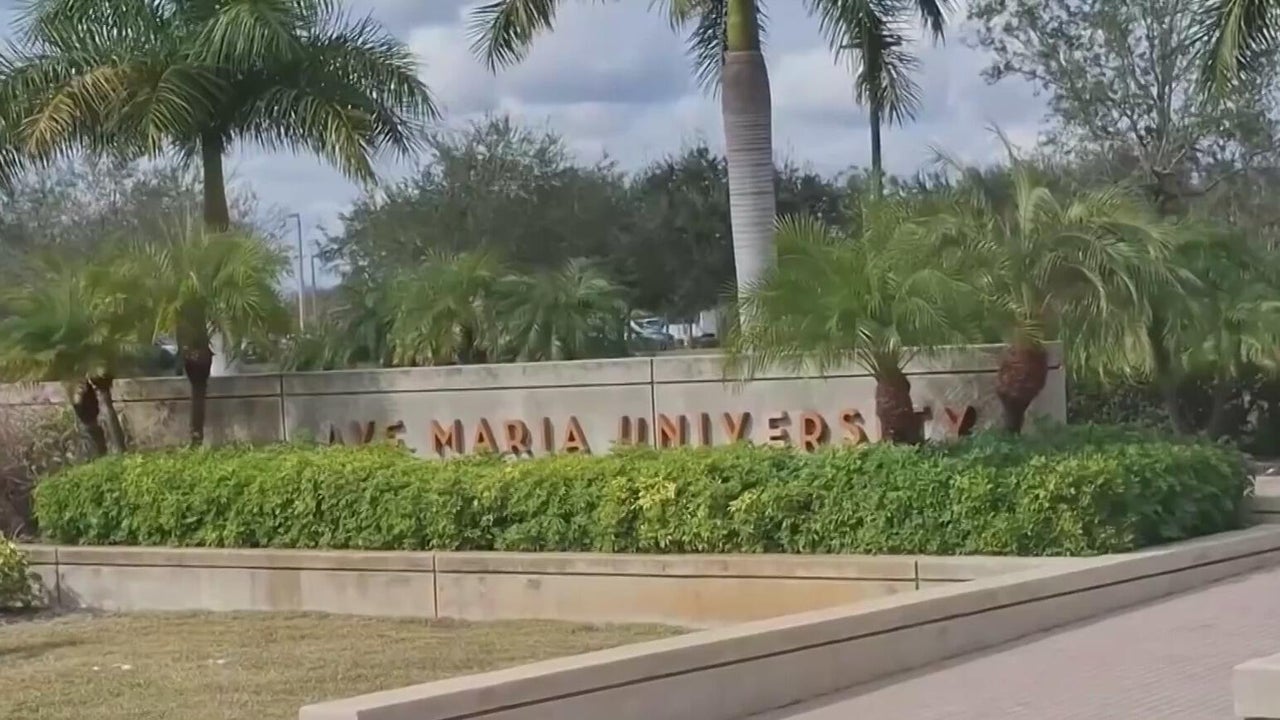
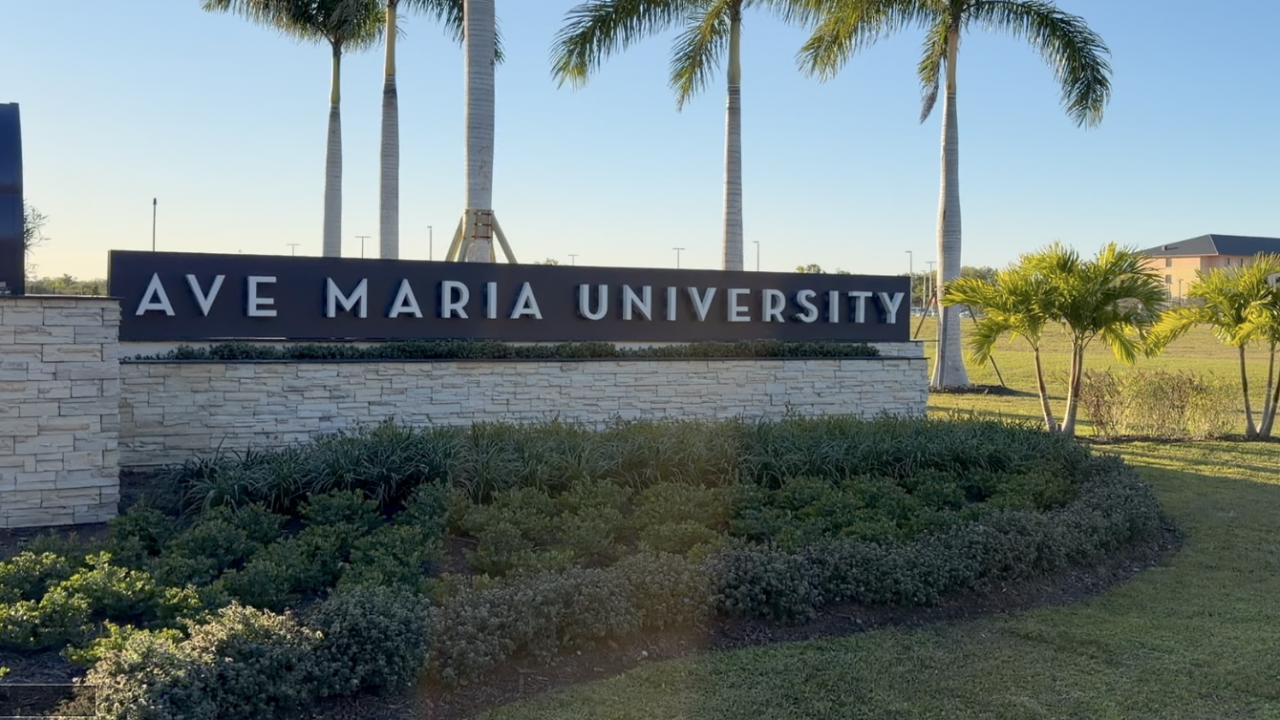
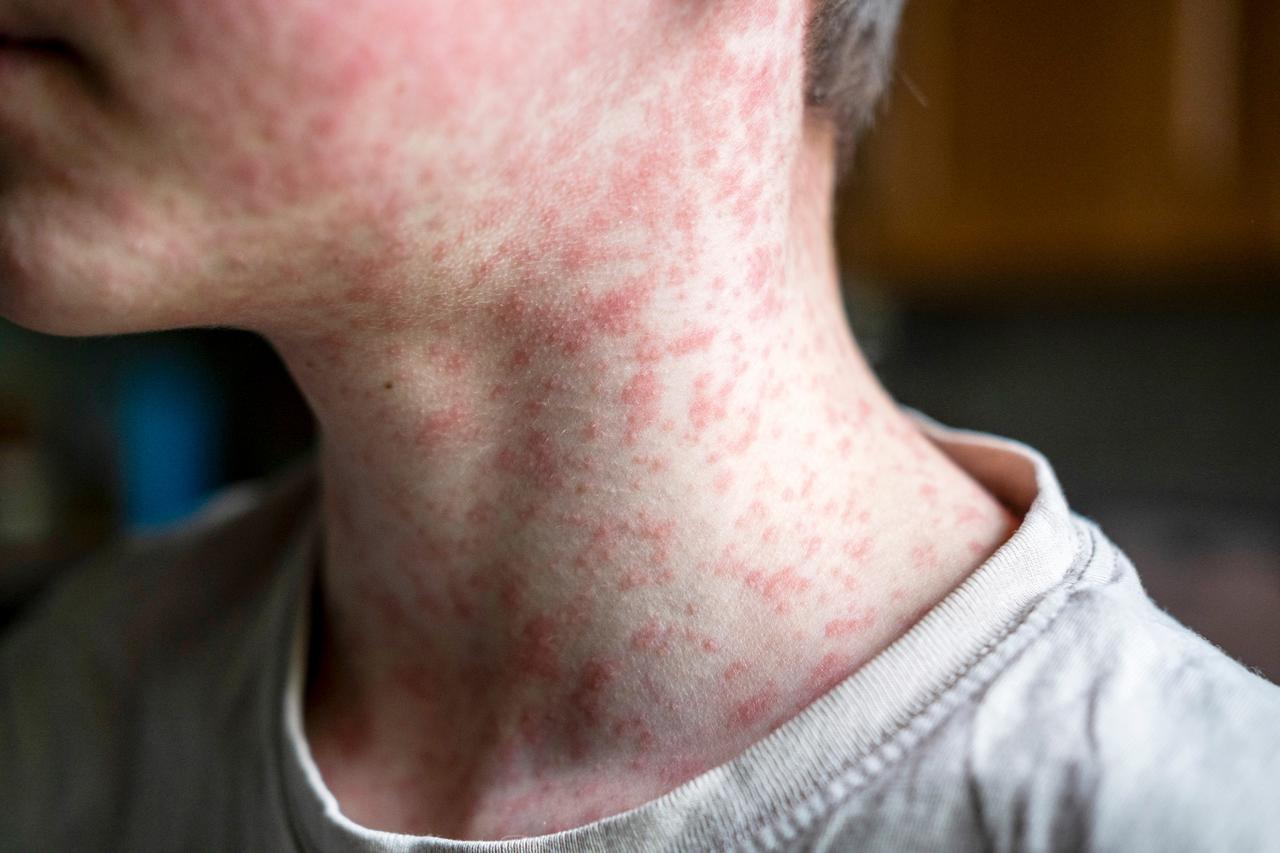
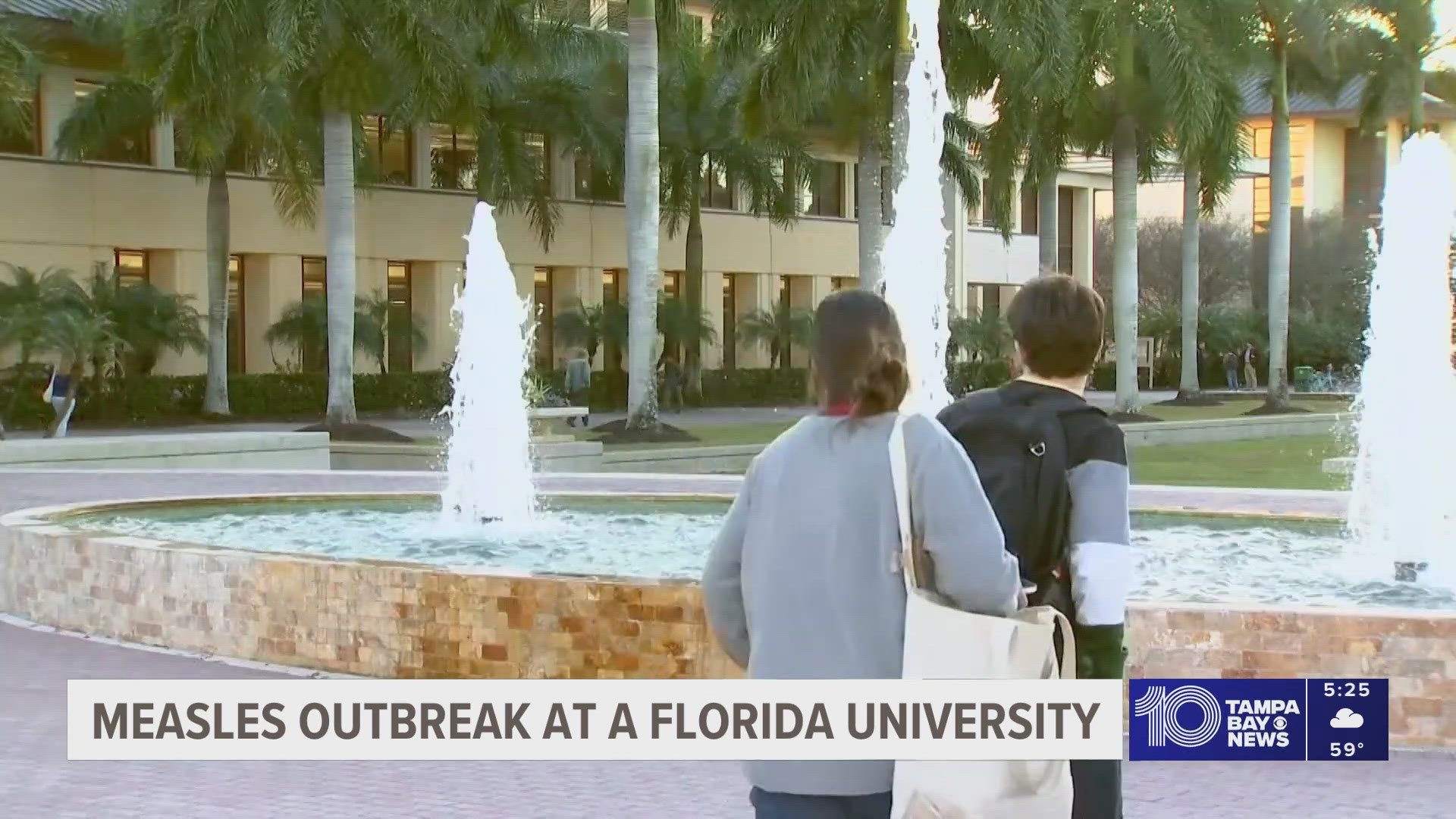
The 2026 measles outbreak spanning 17 U.S. states represents a significant market opportunity and operational challenge for cross-border e-commerce sellers. As of February 3, 2026, South Carolina leads with 876 confirmed cases—the largest outbreak since measles elimination in 2000—with additional clusters at Ave Maria University (12+ cases), University of Wisconsin-Madison, Clemson University, and ongoing transmission in Utah, Arizona, and California. The outbreak originated from holiday travel patterns and has triggered widespread public health interventions, including pop-up vaccination clinics in Northeast Florida (February 1, 2026) and contact-tracing operations across multiple counties.
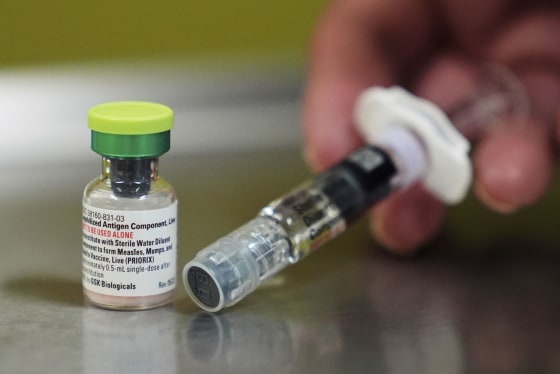
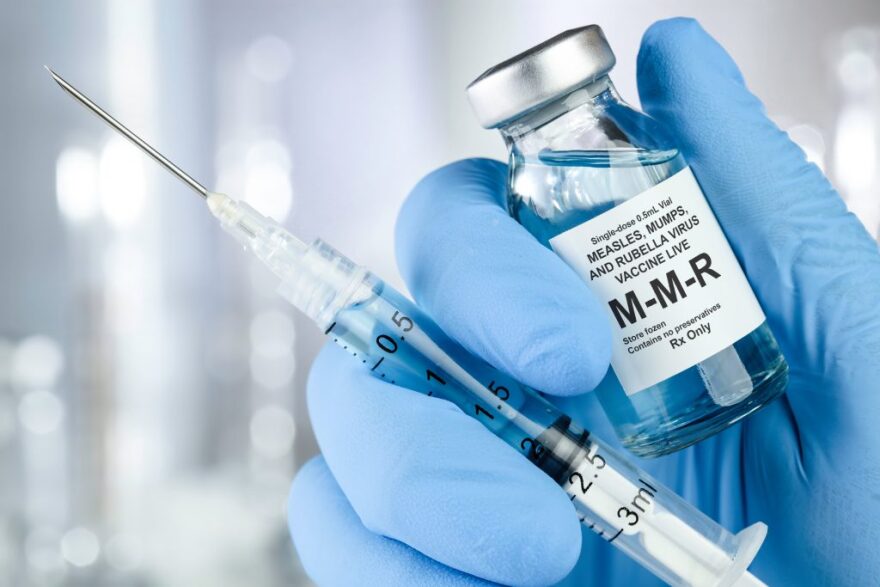
For e-commerce sellers, this crisis creates three distinct market dynamics: First, health and wellness product categories experience demand acceleration. Sellers offering MMR vaccines, thermometers, fever-reducing medications, immune-support supplements, and protective equipment (masks, hand sanitizers) are positioned to capture surge demand. The MMR vaccine provides 97% protection against measles, yet the overwhelming majority of infected individuals were never vaccinated—indicating a massive compliance gap and consumer education opportunity. Sellers can capitalize on this through targeted Amazon, eBay, and Shopify listings optimized for "measles prevention," "MMR vaccine availability," and "fever management" keywords. Historical precedent: the 2014-2015 Disneyland outbreak infected 125 people across seven states and drove 40-60% increases in related health product sales during peak months.
Second, logistics and fulfillment networks face regional disruptions. Outbreak zones in South Carolina (Spartanburg County), Florida (Collier and Duval counties), Utah, Arizona, and California experience reduced consumer mobility, school closures, and quarantine protocols affecting 354+ people in quarantine as of early February. Sellers using 3PL providers in these regions should anticipate 5-10% delivery delays and increased last-mile costs. Amazon FBA facilities in outbreak regions may implement health screening protocols, potentially adding 2-3 business days to processing times. Sellers should diversify fulfillment across non-affected regions and monitor Amazon Seller Central for facility-specific announcements.
Third, consumer behavior shifts toward preventive health spending. The outbreak disproportionately affects young children and teens (per South Carolina data), signaling increased parental spending on health monitoring devices, vitamins, and wellness subscriptions. Approximately 1 in 10 measles cases require hospitalization, and three deaths occurred in 2025, creating urgency around preventive purchases. Sellers in the health/wellness vertical should expect 25-35% category growth during outbreak peaks, with particular strength in immune-support supplements, digital thermometers, and telemedicine-adjacent products.
Questions 8
What measles outbreak impact should e-commerce sellers expect in 2026?
The 2026 measles outbreak affects 17 U.S. states with 876+ confirmed cases in South Carolina alone as of February 2026, creating dual impacts for sellers. Health and wellness product categories (MMR vaccines, thermometers, immune supplements) experience 25-35% demand acceleration during outbreak peaks, while logistics networks in affected regions face 5-10% delivery delays. Sellers should monitor outbreak zones (South Carolina, Florida, Utah, Arizona, California) and adjust inventory allocation toward health products. The MMR vaccine provides 97% protection but requires consumer education—creating content marketing opportunities for sellers in the health vertical.
Which product categories benefit most from measles outbreak demand?
Four product categories see measurable demand increases during measles outbreaks: (1) Fever management (digital thermometers, fever-reducing medications) with 30-40% sales lift; (2) Immune-support supplements (vitamin C, zinc, elderberry) with 20-30% growth; (3) Protective equipment (masks, hand sanitizers) with 15-25% increases; (4) Health monitoring devices (pulse oximeters, blood pressure monitors) with 10-20% uplift. Sellers should optimize Amazon listings with keywords like 'measles prevention,' 'fever management,' and 'immune support' to capture search volume spikes. Historical data from 2014-2015 Disneyland outbreak shows sustained demand for 8-12 weeks post-peak.