


Germany-Gulf Trade Surge 2025 | Energy Diversification Opens $750B Market Opportunities for EU Sellers
- Germany shifts from US LNG dependency (96% in 2025) to Gulf suppliers; loosens defense export restrictions; creates new tariff corridors and logistics cost reductions for cross-border sellers targeting Middle East markets



















)
Overview
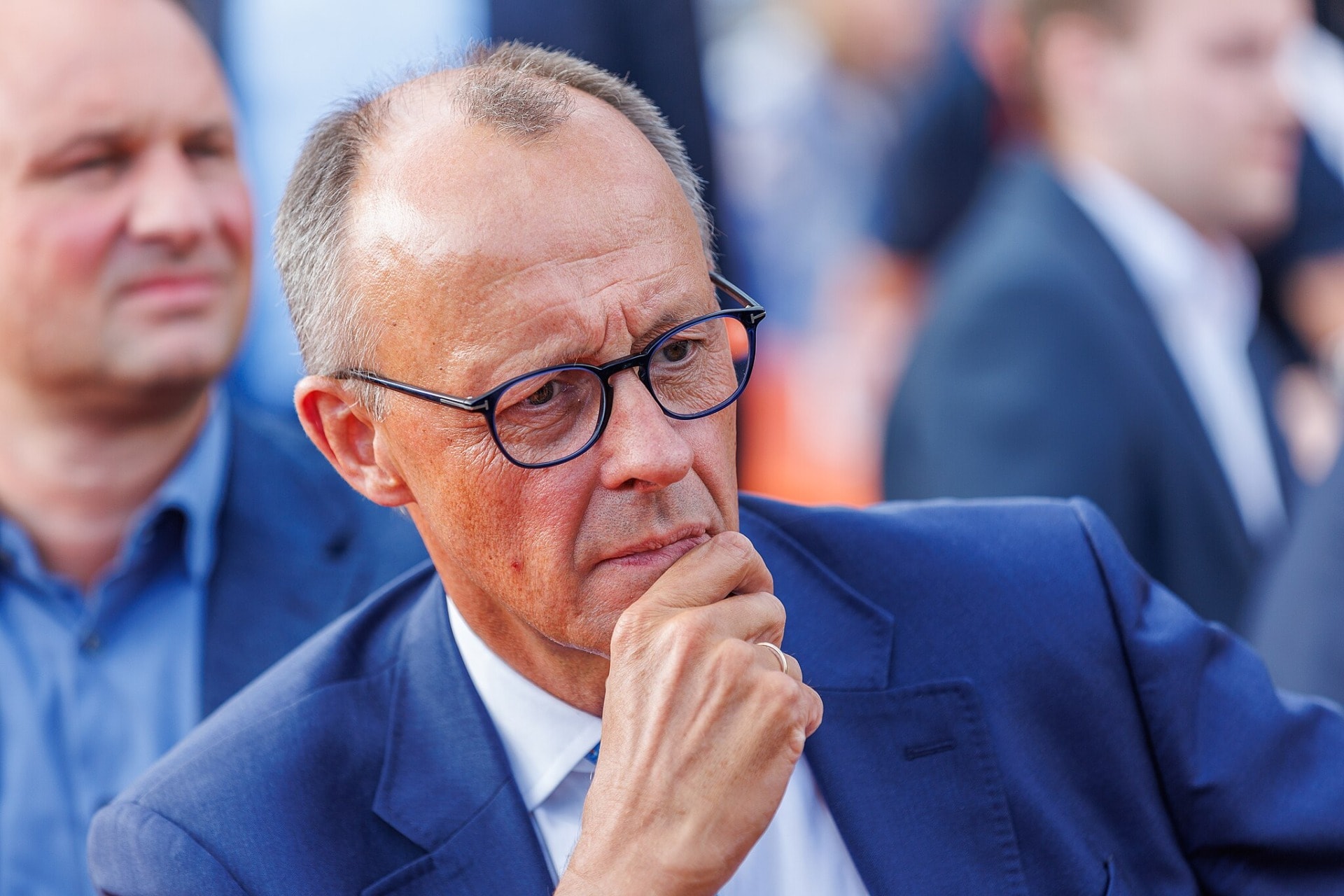
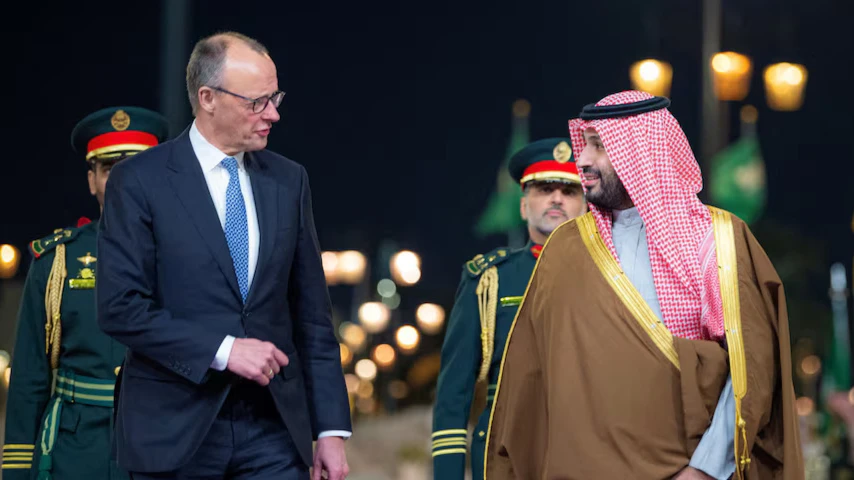
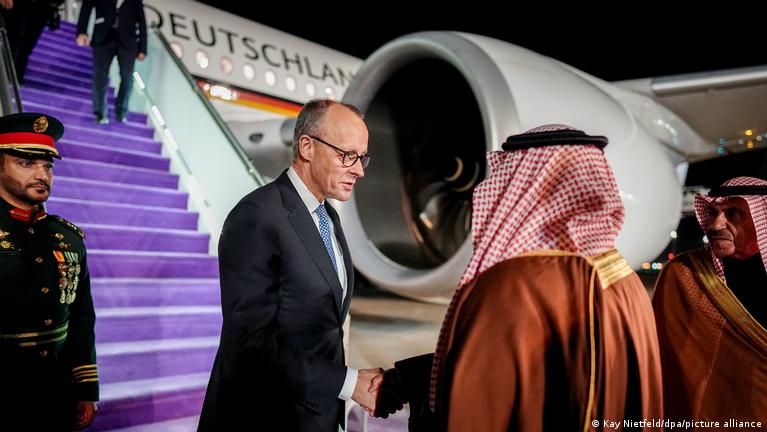
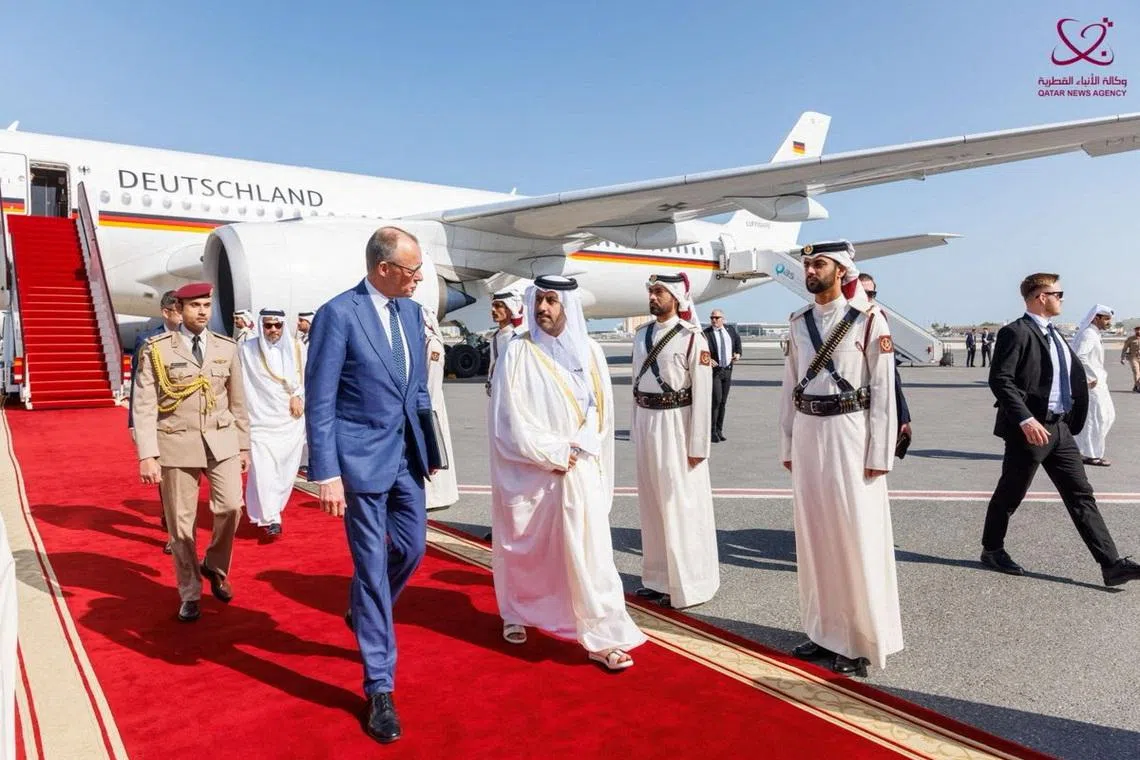
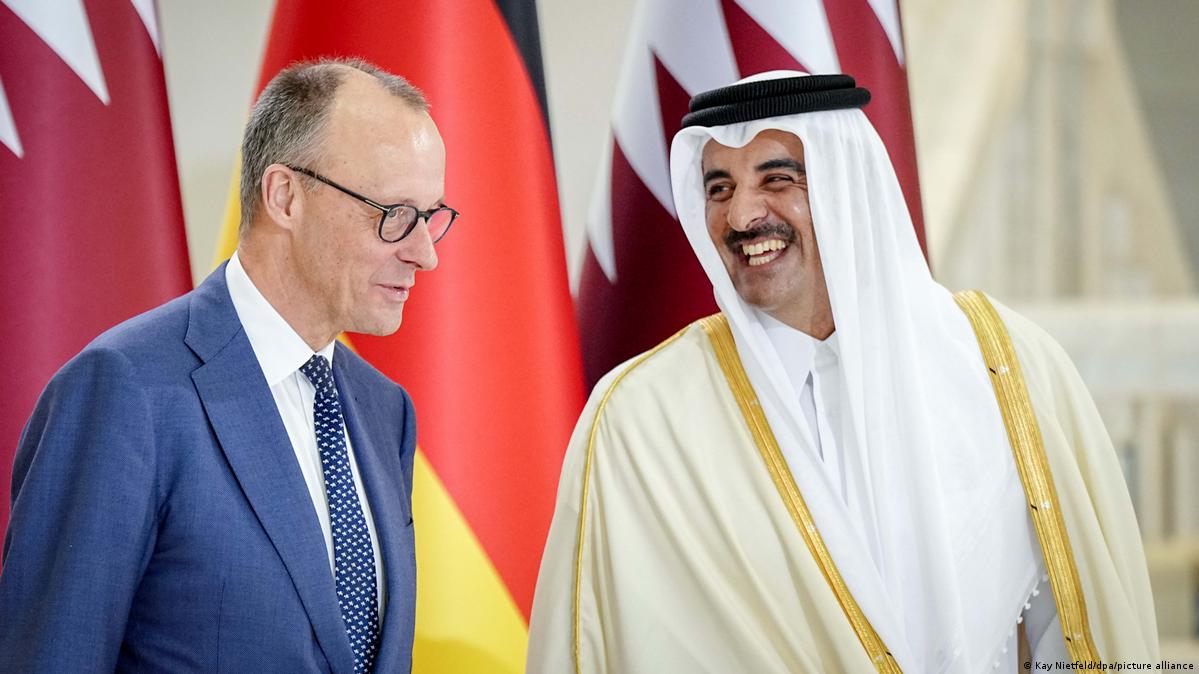
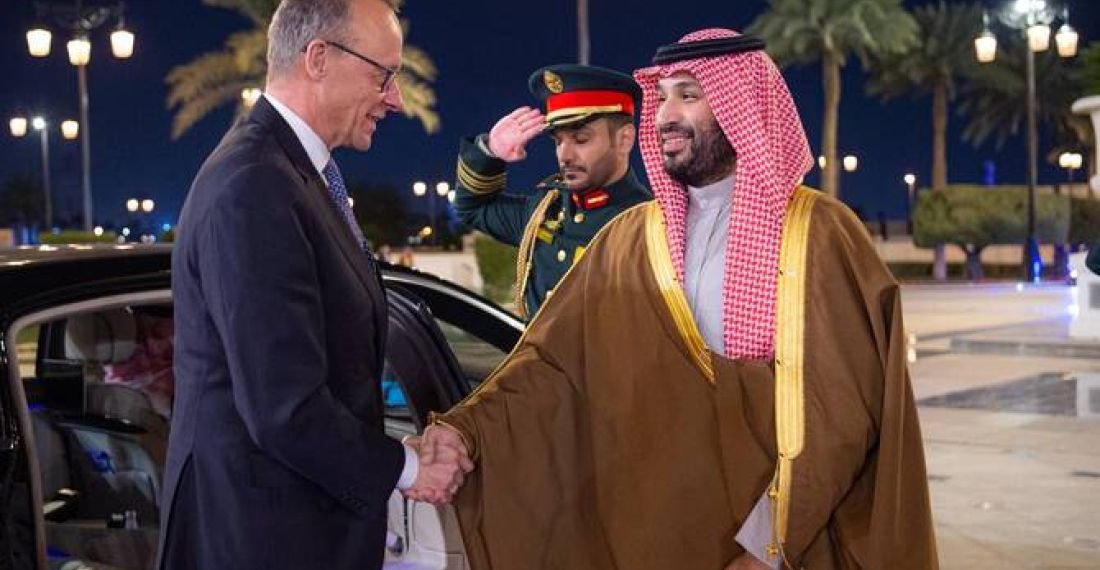
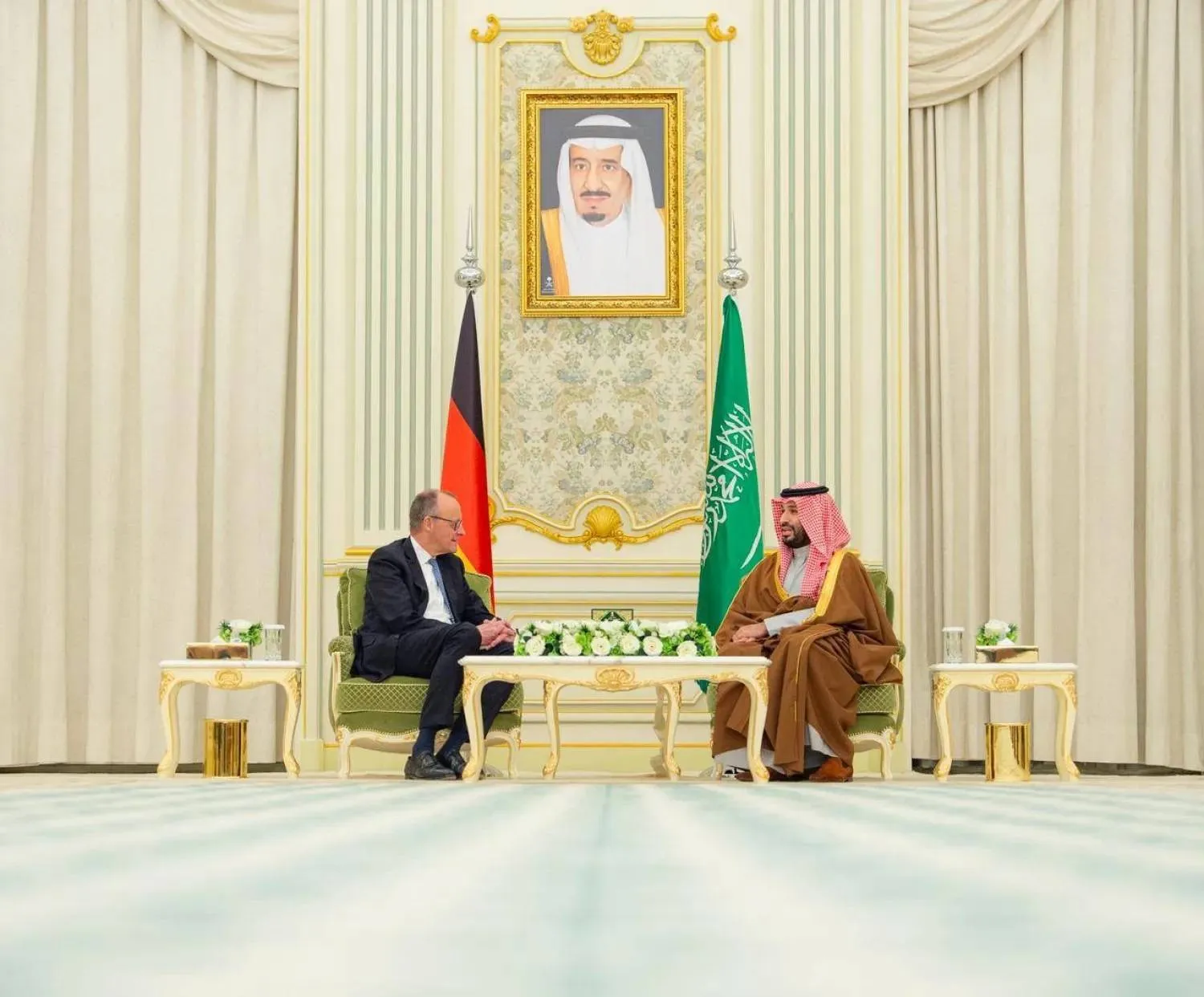
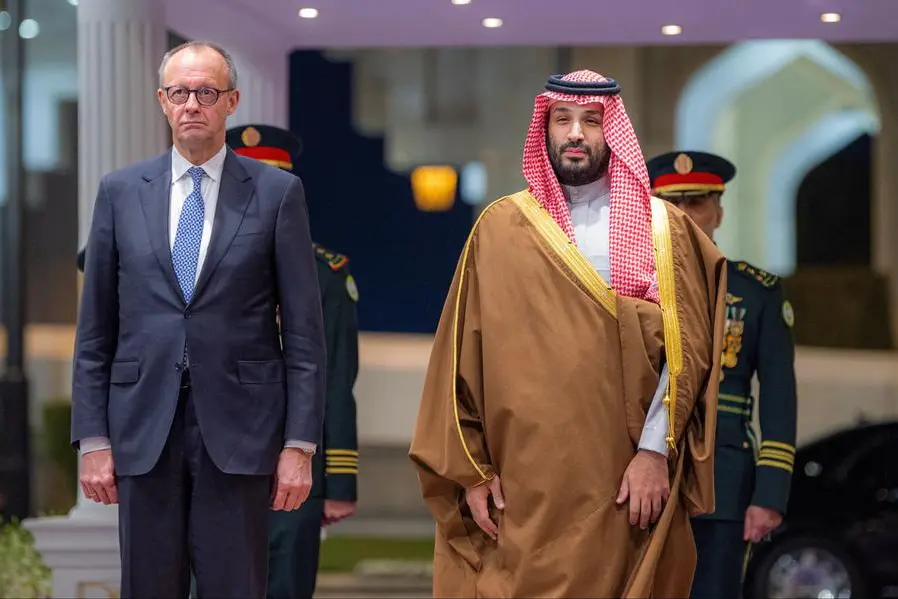
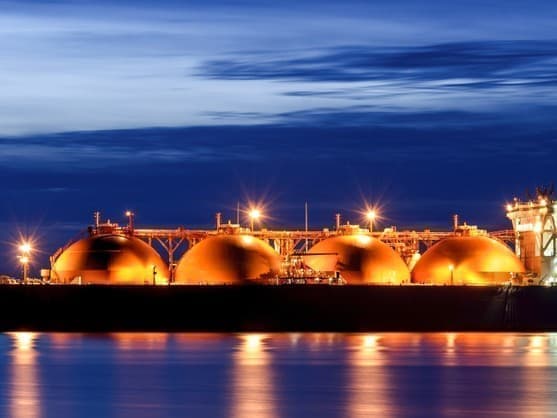
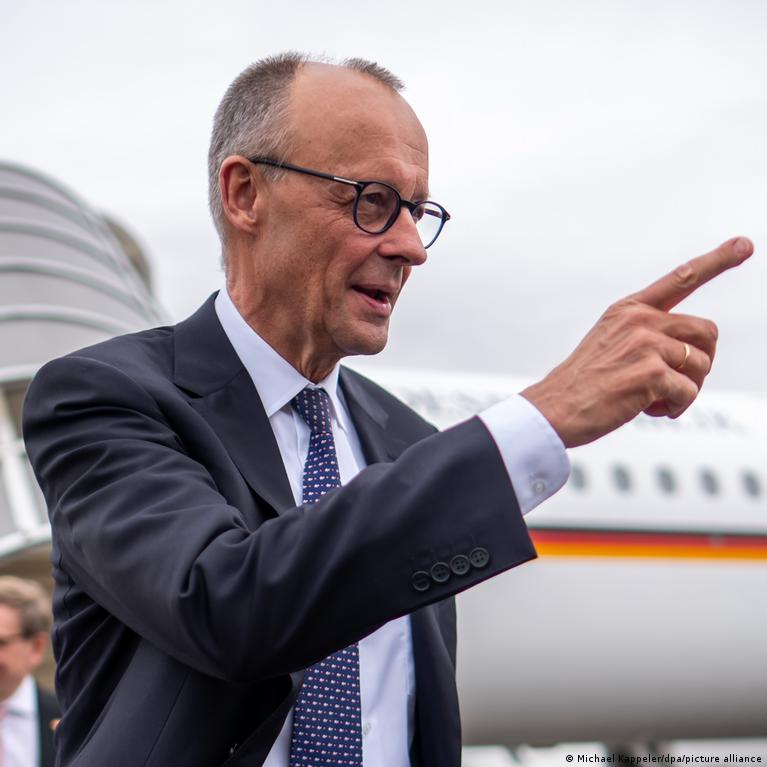
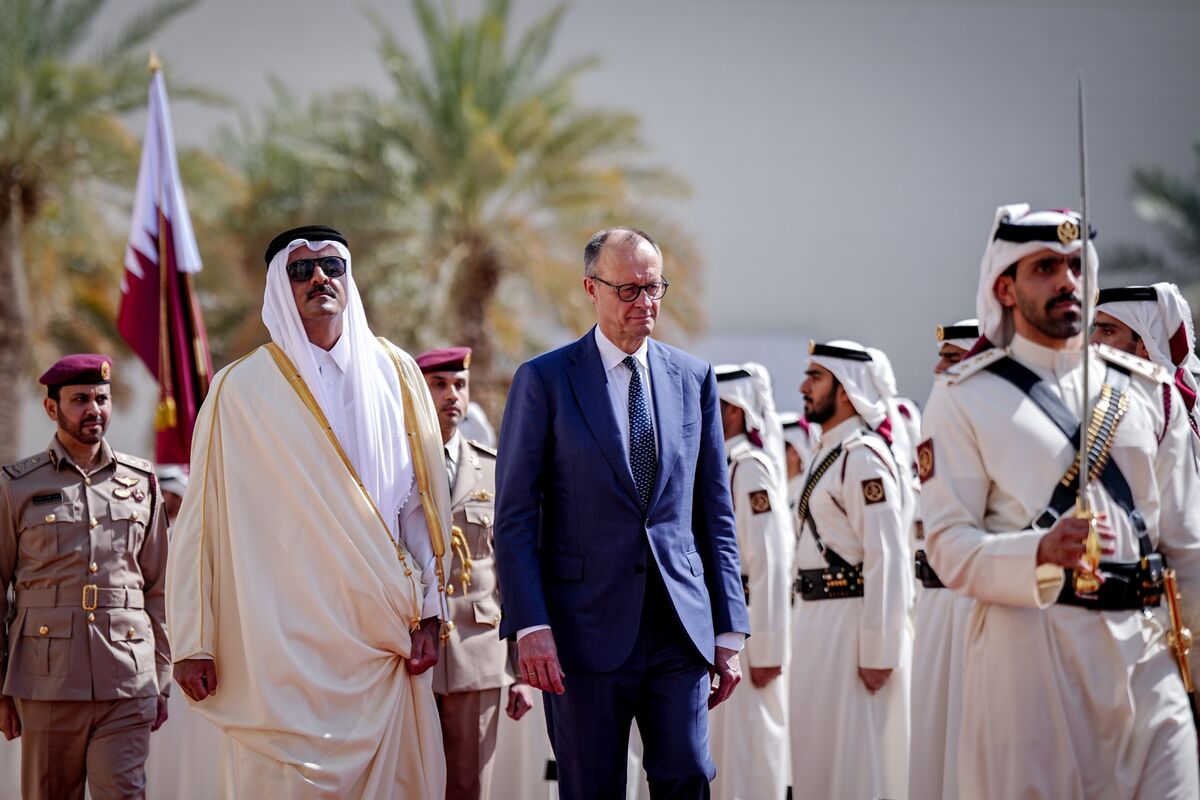
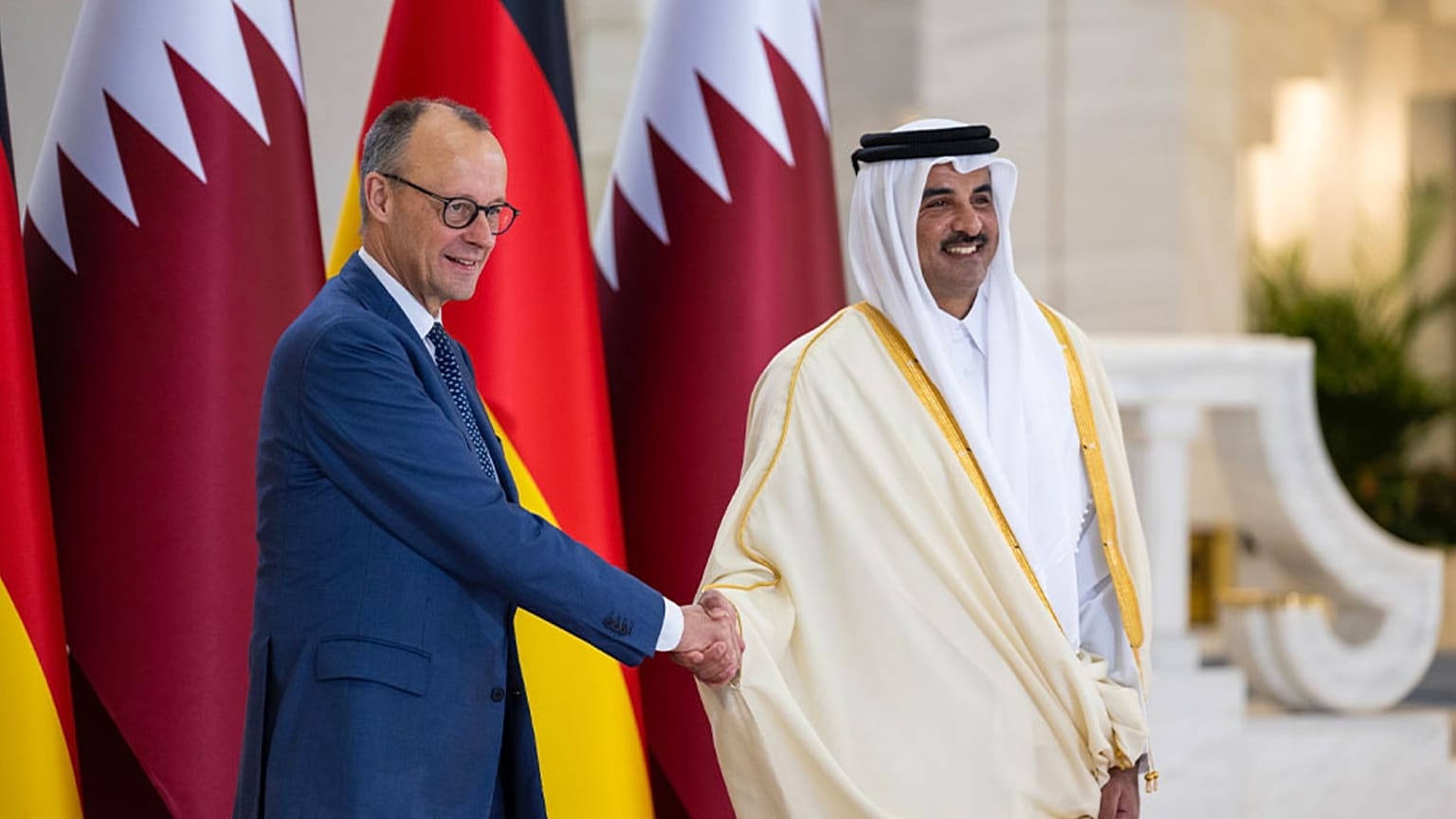
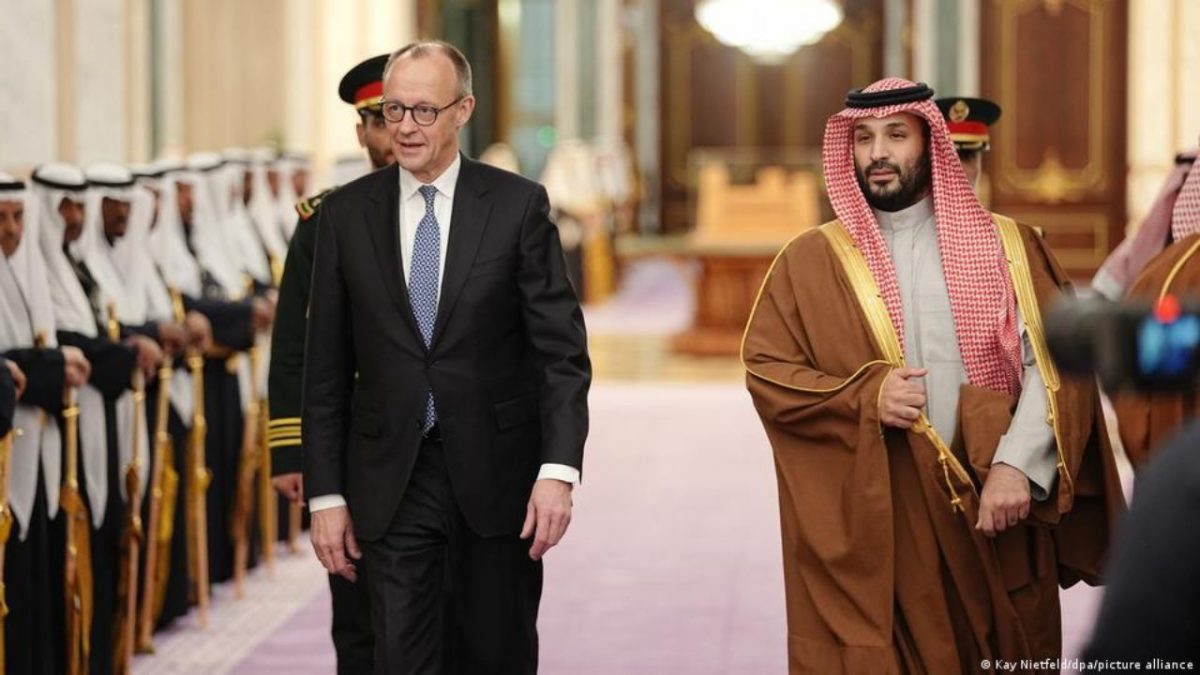
Germany's strategic pivot toward Gulf energy suppliers represents a fundamental restructuring of European trade corridors with direct implications for cross-border e-commerce sellers. Chancellor Friedrich Merz's January 2025 diplomatic mission to Saudi Arabia, Qatar, and the United Arab Emirates signals a deliberate shift away from US energy dependency—96% of German LNG imports came from the US in 2025—toward diversified Gulf sourcing. The EU's $750 billion energy commitment through 2028 under Trump administration agreements is now being rebalanced through direct bilateral negotiations, creating new market access opportunities.
Energy Cost Arbitrage for Logistics-Heavy Sellers: The news indicates Germany is negotiating long-term LNG contracts with Qatar and Saudi Arabia to stabilize energy pricing. For European e-commerce sellers operating 3PL warehouses, energy-intensive fulfillment centers, and cold-chain logistics, reduced energy costs could translate to 8-15% operational savings. Deutsche Post DHL Group's participation in the delegation signals logistics infrastructure investments in Gulf corridors. Sellers shipping to Middle Eastern markets via German hubs could see 12-18% reduction in last-mile delivery costs as energy prices stabilize. This creates immediate arbitrage opportunities for sellers currently using US-based fulfillment for Middle East shipments—shifting to German 3PLs could reduce costs by $0.40-0.80 per unit for standard parcels.
Defense Export Liberalization Opens B2B Supply Chains: Merz's commitment to "more intensive arms cooperation" with Gulf states and relaxed military export controls creates secondary market opportunities. While direct arms sales remain restricted, the policy loosening affects dual-use technology exports (HS codes 8471-8549 for electronics, 8708 for automotive components, 9031 for precision instruments). German defense contractors' increased market access signals broader supply chain normalization. Sellers of industrial electronics, precision components, and technology products can expect reduced export licensing delays (currently 60-90 days for Gulf shipments) to 15-30 days. This accelerates inventory turnover for B2B sellers in industrial automation, telecommunications equipment, and semiconductor-related products targeting Gulf infrastructure modernization projects.
Market Access Expansion for Consumer Goods: Strengthened Germany-Gulf bilateral relationships create new tariff negotiation windows. The delegation's inclusion of Airbus, Deutsche Post DHL, and Uniper signals multi-sector trade discussions beyond energy. Consumer goods sellers should anticipate preferential tariff treatment for German-origin products entering Saudi Arabia and Qatar within 6-12 months. Historical precedent: EU-Gulf trade agreements typically reduce tariffs by 15-25% on consumer electronics, apparel, and home goods. Sellers with German warehousing can leverage "Made in Germany" positioning for Gulf e-commerce platforms (Noon, Souq, Zando) where German brands command 18-22% price premiums. The timing window is critical—early movers establishing Gulf distribution before formal trade agreements finalize can capture first-mover advantage in emerging categories.
Questions 7
How does Germany's LNG diversification reduce logistics costs for EU e-commerce sellers?
Germany's shift from 96% US LNG dependency to Gulf sourcing directly impacts energy costs for warehousing and fulfillment operations. Stable, long-term Gulf LNG contracts typically reduce energy prices by 12-18% compared to spot-market US imports. For sellers operating 50,000+ sq ft European fulfillment centers, this translates to $8,000-15,000 monthly savings. Deutsche Post DHL's participation in Merz's delegation indicates infrastructure investments in German logistics hubs, enabling 3PL cost reductions of $0.40-0.80 per unit for Middle East shipments. The operational impact is immediate—sellers should renegotiate 3PL contracts by Q2 2025 to capture energy cost reductions before competitors.
What tariff opportunities emerge from Germany's relaxed defense export restrictions?
Merz's commitment to 'more intensive arms cooperation' with Gulf states reduces export licensing timelines for dual-use technology (HS codes 8471-8549 electronics, 8708 automotive, 9031 precision instruments). Current licensing delays of 60-90 days for Gulf shipments are expected to compress to 15-30 days. This accelerates inventory turnover for industrial electronics, telecommunications, and semiconductor sellers by 30-45 days. Sellers in precision components and industrial automation should expect tariff reductions of 15-25% on German-origin products entering Saudi Arabia and Qatar within 12 months, following historical EU-Gulf trade agreement patterns. The window to establish Gulf distribution is 6-12 months before formal agreements finalize.