
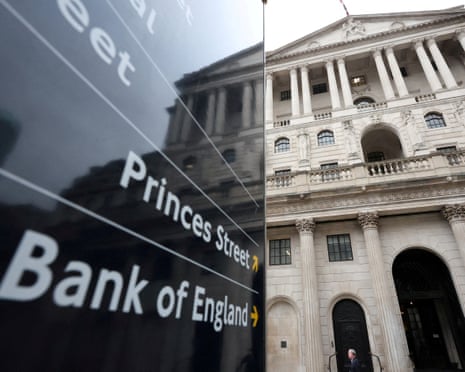




UK Interest Rate Holds Impact Cross-Border E-Commerce Sellers | Consumer Spending & Financing Outlook
- Bank of England maintains 3.75% rates through spring 2026; 1M UK households face mortgage pressures; 70% of savings providers cut rates since January 2025; sellers face inventory financing uncertainty and reduced consumer discretionary spending




















































Overview
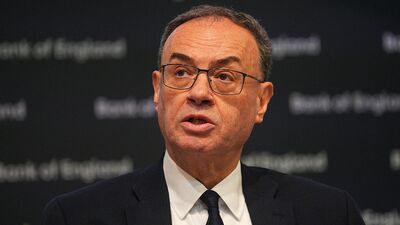
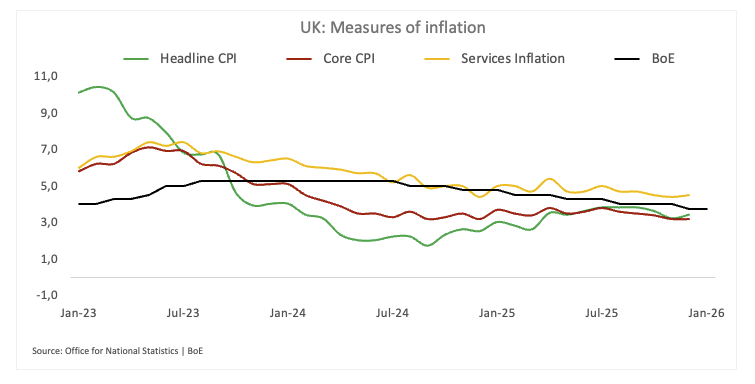
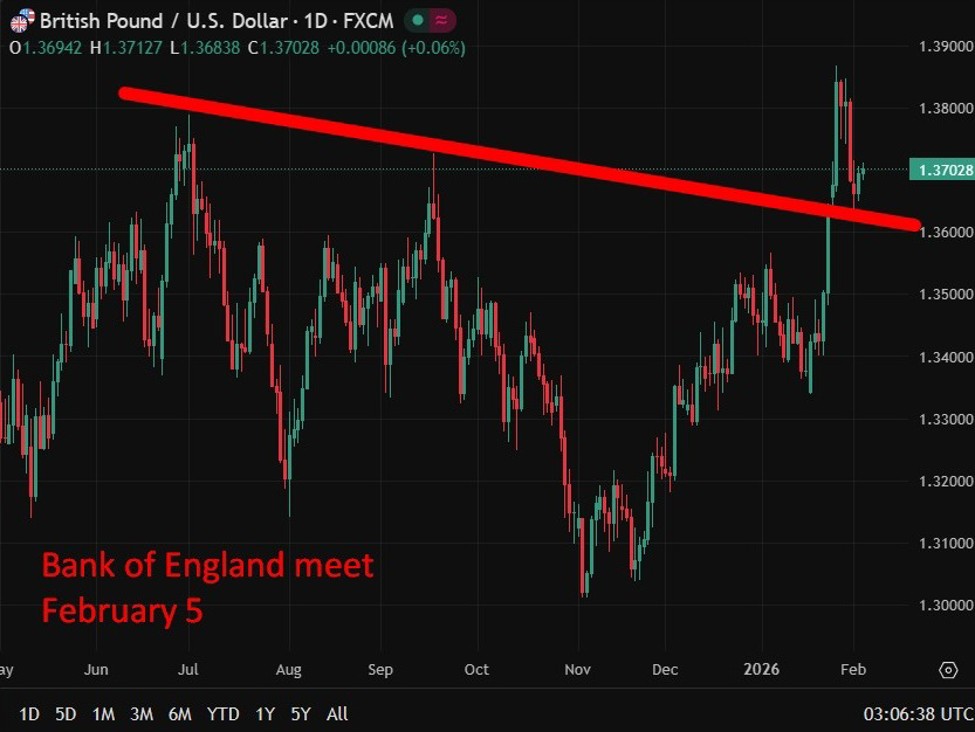
The Bank of England's Monetary Policy Committee held interest rates steady at 3.75% during its first 2025 meeting and again at its 2026 opening session, with a narrowing 5-4 vote split in 2026 indicating growing internal debate about easing policy. This dual-meeting hold reflects persistent inflation at 3.4% (above the 2% target) combined with weak economic growth, creating a stagflationary environment that directly impacts cross-border e-commerce sellers operating in the UK market. Governor Andrew Bailey projects inflation will fall to target by April 2026, with market consensus pointing to rate cuts beginning in spring 2026—likely at the April 30 meeting—followed by two to three 25 basis point reductions throughout 2026.
For UK-based and cross-border sellers, the rate hold creates immediate consumer spending headwinds. Approximately one-third of UK households hold mortgages, with roughly 1 million on variable-rate products directly affected by the maintained 3.75% rate. More critically, over 70% of savings providers have cut interest rates since January 2025, creating what Moneyfacts analyst Rachel Springall describes as "weak real returns on cash savings." This dual squeeze—higher mortgage payments for variable-rate holders and diminished savings returns—reduces consumer discretionary purchasing power precisely when sellers need strong demand. The pound sterling weakened 0.6% to 1.356 against the dollar following the 2026 announcement, increasing import costs for sellers sourcing inventory from non-UK suppliers while potentially making UK-exported goods more competitive internationally.
Business financing challenges compound consumer headwinds for seller operations. UK-based sellers relying on bank loans or credit facilities face continued uncertainty regarding borrowing costs, with the MPC's cautious stance and vague forward guidance creating planning paralysis for inventory investment and expansion decisions. The divided 5-4 vote in 2026 (versus the anticipated 7-2 outcome) signals the committee remains unconvinced about premature easing, despite Andrew Wishart from Berenberg noting that "early data covering 2026 hint at stronger demand and stickier inflation than expected." This suggests the BOE will adopt a gradual policy normalization strategy rather than aggressive easing, meaning sellers cannot reliably forecast when financing costs will decline. The quarterly Monetary Policy Reports accompanying each announcement provide economic projections that influence market sentiment and should be monitored closely for signals about inflation trajectory and labor market conditions—both critical to consumer spending patterns throughout 2025-2026.
Strategic implications for sellers span inventory, pricing, and market positioning. The stagflationary environment mirrors historical periods when consumer behavior shifts toward value-oriented and essential categories while discretionary spending contracts. Sellers should monitor the MPC's forward guidance closely, as rate cut timing directly impacts consumer purchasing power and financing availability for business operations. The April 2026 rate cut window represents a potential inflection point where consumer confidence may improve, making it a critical planning horizon for inventory positioning and marketing spend allocation.
Questions 8
How does pound sterling weakness (1.356 to USD) affect cross-border sellers sourcing from non-UK suppliers?
The pound weakened 0.6% against the dollar following the 2026 rate hold announcement, trading at 1.356. For sellers sourcing inventory from US or other non-UK suppliers, this currency depreciation increases import costs—a 0.6% move may seem modest but compounds across large inventory volumes. A seller importing $100,000 in goods faces approximately $600 additional cost at current rates. Conversely, UK-based sellers exporting goods become more price-competitive internationally as sterling weakness makes their products cheaper for foreign buyers. Sellers should consider hedging currency exposure or shifting sourcing to UK/EU suppliers to mitigate import cost inflation through 2026.
What product categories should sellers prioritize given the stagflationary environment?
The current economic environment—persistent inflation above target combined with weak growth—mirrors historical stagflationary periods when consumer behavior shifts toward value-oriented and essential categories. Sellers should prioritize: (1) Essential goods (groceries, household staples, health/beauty basics), (2) Value-oriented products (budget-friendly alternatives, discount brands), (3) Practical items (home improvement, DIY supplies), and (4) Subscription/recurring revenue models (reducing discretionary purchase frequency). Avoid heavy inventory investment in luxury goods, premium brands, and non-essential categories until April 2026 rate cuts signal consumer confidence recovery. Monitor the MPC's quarterly Monetary Policy Reports for inflation trajectory signals—if inflation remains sticky above 3.4%, consumer spending will remain compressed longer.