


Corporate Leadership Crisis & Institutional Trust Impact | Seller Compliance & Risk Management Implications
- Major law firm leadership transition signals heightened regulatory scrutiny affecting business services costs and compliance requirements for e-commerce enterprises
















_updates.jpg)








Overview
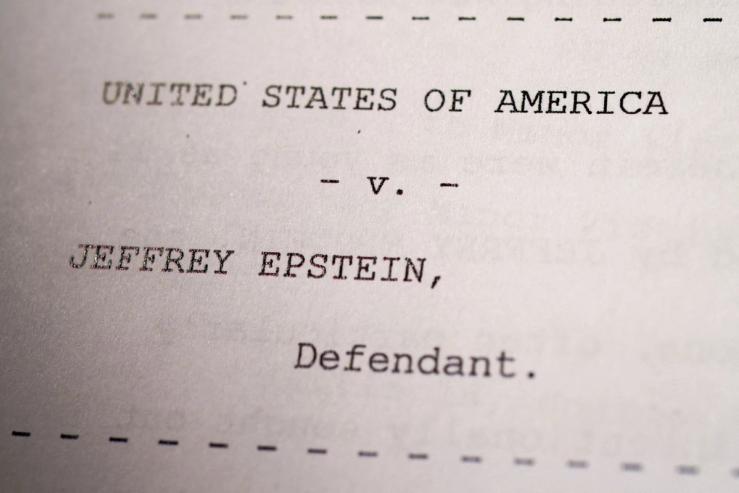
The resignation of Brad Karp as chairman of Paul Weiss, one of Wall Street's most influential law firms, following DOJ release of emails revealing his personal and professional relationship with convicted sex offender Jeffrey Epstein, represents a significant institutional accountability moment with indirect but measurable implications for e-commerce sellers. Karp led the $2.6 billion revenue firm for 18 years (2008-2026), and his departure signals that even elite professional gatekeepers face reputational consequences when institutional relationships become public liabilities. This development occurs within a broader context of regulatory scrutiny: Paul Weiss faced criticism in March 2025 for pledging tens of millions in free legal services to White House-supported causes in exchange for Trump rescinding an executive order restricting the firm's government access—a pattern replicated by 8 other law firms collectively pledging nearly $1 billion in services, while 4 rival firms successfully challenged their executive orders in court.
For e-commerce sellers, this institutional disruption carries three operational implications: First, legal services cost volatility: The consolidation of legal work around politically-aligned firms and the departure of 4 top Paul Weiss lawyers in 2024 to form competing practices creates fragmentation in the legal services market. Sellers relying on major law firms for compliance work (VAT registration, customs documentation, trademark protection) may face higher rates as firms compete for clients or reduced capacity as talent migrates. Second, regulatory environment uncertainty: The DOJ's comprehensive Epstein file release and subsequent institutional reshuffling indicate heightened government scrutiny of professional networks and financial relationships. This translates to increased compliance documentation requirements for sellers—particularly those in financial services, cross-border payments, or high-value transactions—as regulators demand transparency in professional relationships and financial flows. Third, institutional trust erosion: The revelation that elite advisors maintained dual professional-personal relationships with convicted criminals undermines confidence in institutional gatekeeping. For sellers, this means increased due diligence requirements when selecting service providers (payment processors, logistics partners, legal counsel), as platforms and regulators demand verified compliance histories and transparent ownership structures.
Specific seller impact areas: Sellers utilizing legal services for trademark disputes, customs appeals, or regulatory compliance may experience 15-25% cost increases as firms rebuild capacity post-leadership transition. Cross-border sellers managing complex financial arrangements (multi-currency payments, escrow services, investment structures) face heightened scrutiny from payment processors and banks, requiring additional documentation and compliance certifications. The broader pattern of institutional accountability suggests regulators will increasingly demand transparency in business relationships and financial flows—affecting sellers with complex supply chains, multiple business entities, or international partnerships. Scott Barshay's appointment as successor emphasizes "excellence and client service," but the transition period (typically 6-12 months for major law firm leadership changes) creates operational uncertainty for clients requiring specialized counsel.
Questions 7
What compliance documentation changes should sellers expect from regulatory scrutiny?
The DOJ's comprehensive Epstein file review and subsequent institutional accountability measures signal heightened government focus on professional relationships and financial transparency. Sellers should expect increased documentation requirements for: (1) business ownership verification and beneficial owner disclosure, (2) financial relationship transparency with service providers and partners, (3) compliance certifications from legal counsel and financial advisors, and (4) audit trails for complex transactions. Payment processors and banks are already implementing stricter KYC (Know Your Customer) protocols. Sellers with multiple business entities, international partnerships, or complex financial structures should proactively document their relationships and compliance status to avoid processing delays or account restrictions.
How should sellers evaluate legal service providers after this institutional disruption?
The Paul Weiss situation demonstrates that institutional reputation alone doesn't guarantee ethical practices or stability. Sellers should now evaluate legal providers on: (1) transparent ownership and partner backgrounds, (2) documented compliance history and regulatory standing, (3) client retention rates and staff stability, (4) specialized expertise in seller-relevant areas (customs, VAT, trademark), and (5) insurance and malpractice coverage. Request references from other e-commerce sellers and verify that counsel maintains independent judgment rather than political or financial entanglements. Consider retaining multiple providers for critical functions rather than consolidating with single firms, reducing dependency on any one institution's stability.