
Southeast Asia's Logistics Revolution Reshapes Global Supply Chain Dynamics
- Thailand emerges as strategic manufacturing and logistics powerhouse driving regional economic transformation
Overview
The global supply chain is experiencing a profound realignment, with Thailand positioning itself as a critical nexus of manufacturing and logistics innovation. At the heart of this transformation lies the Eastern Economic Corridor (EEC), a strategic initiative that is rapidly redefining Southeast Asia's economic landscape.
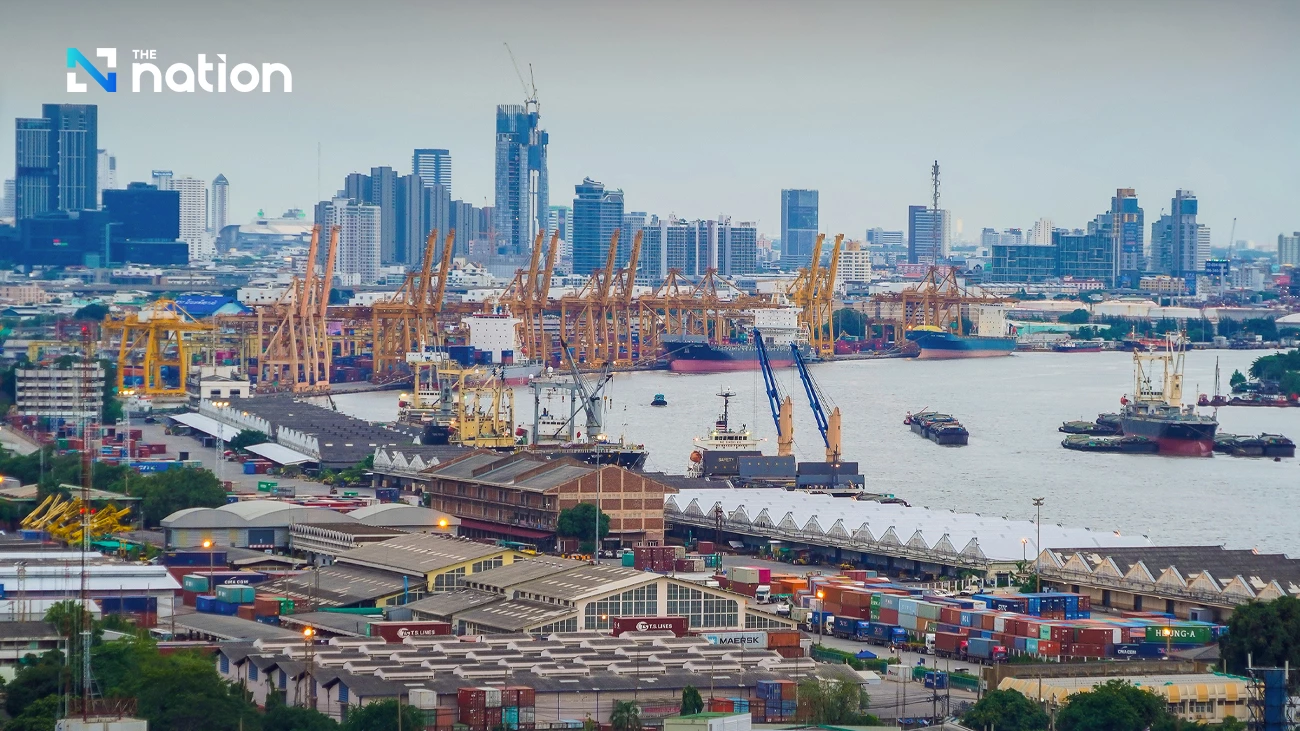
Strategic Infrastructure Investment is the key driver of this metamorphosis. Thailand's government has committed 115 billion baht to infrastructure development, signaling a deliberate strategy to become a premier logistics hub. The Laem Chabang Port's expanded container handling capacity—reaching 9.46 million TEUs in 2024—represents more than just increased logistics capability; it symbolizes Thailand's ambition to become a critical node in global supply chain networks.
E-commerce and Advanced Manufacturing are converging to create unprecedented opportunities. The sector is projected to grow from 26.5 billion to 32 billion by 2025, representing a 10% compound annual growth rate. This growth is attracting multinational logistics providers like DHL, FedEx, and UPS, who are expanding their regional operations to support increasingly complex supply chains. The manufacturing sector's robust 24.91% contribution to GDP, particularly in automotive, electronics, and electric vehicle technologies, underscores Thailand's strategic positioning.
The investment landscape tells a compelling story of transformation. Global technology and automotive giants—including BYD, Toyota, Intel, and TSMC—are making significant foreign direct investments in the EEC. This is not merely about manufacturing; it's about creating a sustainable, technologically advanced ecosystem that can adapt to rapidly changing global supply chain dynamics.
For global businesses and logistics professionals, Thailand represents a critical emerging opportunity. The combination of strategic infrastructure, advanced manufacturing capabilities, and a government committed to economic transformation creates a unique value proposition. Companies should closely monitor this region, considering potential shifts in sourcing, manufacturing, and distribution strategies.
Questions 3
Why is Thailand becoming a critical logistics hub?
Thailand's strategic infrastructure investments, particularly in the Eastern Economic Corridor, combined with a robust manufacturing sector and government support, are positioning it as a key logistics and manufacturing center. The 115 billion baht infrastructure stimulus and growing e-commerce sector make it an attractive destination for global companies.
What industries are driving Thailand's supply chain transformation?
Automotive, electronics, and electric vehicle technologies are leading the transformation. With global companies like Toyota, BYD, Intel, and TSMC investing in the region, these high-value manufacturing sectors are creating a sophisticated and technologically advanced supply chain ecosystem.