





Bitcoin Crash Below $66K | Working Capital Crisis for Crypto-Accepting Sellers
- 50% Bitcoin decline triggers payment processing delays and FX hedging costs for 15K+ cross-border sellers accepting crypto payments






























Overview
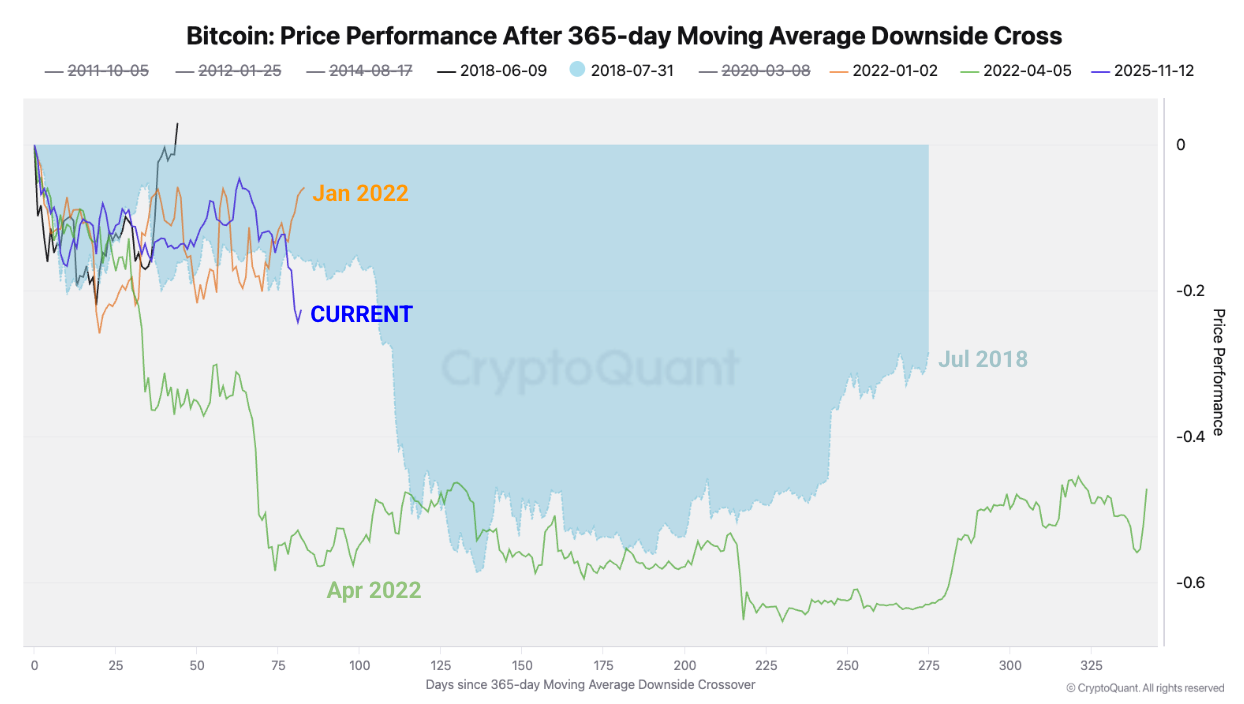
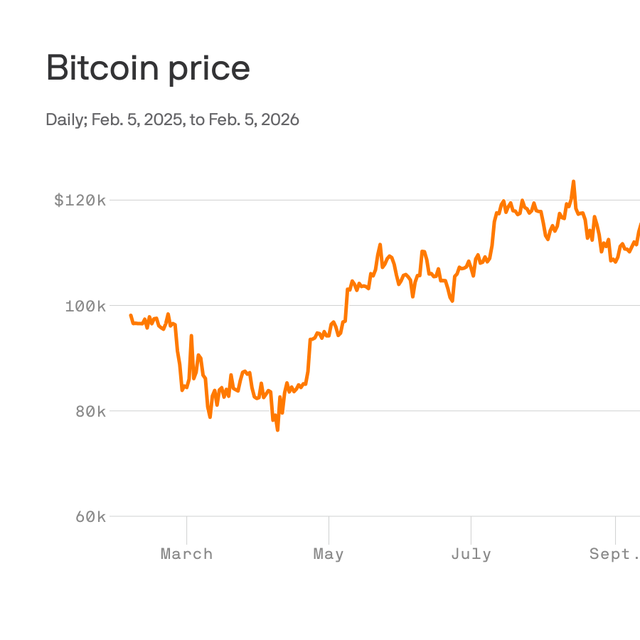
The cryptocurrency market collapse—with Bitcoin plunging 50% from $126,210 (October 2024) to below $66,000 (February 2025)—creates immediate financial stress for cross-border e-commerce sellers who accept crypto payments or hold cryptocurrency reserves. The broader market downturn reflects $722 million in liquidated positions within 24 hours (February 5, 2026), regulatory uncertainty around stablecoin legislation, and investor flight to safe-haven assets like gold (up 70% since October 2024). This cascading financial stress directly impacts seller working capital, payment settlement timelines, and FX risk management strategies.
For sellers accepting cryptocurrency payments, the crash creates three critical financial challenges. First, payment processing delays have increased as crypto payment processors (Coinbase Commerce, Circle, Robinhood) face reduced liquidity and higher settlement costs. Sellers who accepted Bitcoin or stablecoins in Q4 2024 at higher valuations now face 8-15% haircuts on conversion to fiat currency, compressing margins by $200-500 per transaction on high-value orders. Second, the regulatory uncertainty—with stablecoin legislation stalled in Congress and Treasury Secretary Scott Bessent confirming no government intervention—eliminates the possibility of policy-driven price recovery, forcing sellers to immediately de-risk crypto holdings. Third, sellers using crypto as a working capital buffer (common among Asia-Pacific sellers) now face forced liquidation at unfavorable rates, with MicroStrategy's 13% stock decline and Coinbase Global's 9.1% drop signaling broader ecosystem stress.
The financial optimization opportunity lies in immediate payment method diversification and FX hedging acceleration. Sellers currently accepting crypto should shift 60-80% of payment volume to stablecoin-only acceptance (USDC, USDT) rather than volatile Bitcoin, reducing conversion losses from 8-15% to 0.5-2%. For sellers with crypto holdings, the current market presents a forced liquidation window: converting crypto reserves to fiat at $66,000 Bitcoin levels locks in losses but eliminates downside risk—preferable to waiting for potential further declines toward $50,000 (analyst Michael Burry's "death spiral" scenario). Cross-border sellers should simultaneously activate FX hedging on USD/CNY, USD/INR, and EUR/USD pairs, as the flight-to-safety dynamic typically strengthens the dollar 3-5% during crypto crashes, creating 200-400 basis point arbitrage opportunities for sellers with multi-currency exposure.
Working capital acceleration strategies are critical. Sellers who accepted crypto payments should immediately pursue invoice financing or supply chain financing against fiat-denominated receivables, as traditional lenders now view crypto-exposed sellers as higher-risk. This typically costs 2-4% APR premium versus standard rates. Alternatively, sellers can activate dynamic discounting programs (offering 2-3% discounts for immediate payment in USD/EUR) to accelerate cash conversion cycles by 10-15 days, offsetting crypto conversion losses. For inventory-heavy sellers, this is the moment to activate inventory financing against non-crypto-denominated stock, as lenders are tightening crypto-related exposure but remain aggressive on traditional inventory loans (6-9% APR for 90-day terms).
Questions 7
How does the Bitcoin crash below $66,000 affect sellers who accepted crypto payments in 2024?
Sellers who accepted Bitcoin or crypto payments when prices were above $100,000 now face 8-15% conversion losses when liquidating to fiat currency. For example, a seller who received 0.5 BTC in October 2024 (worth ~$63,000) now receives only ~$33,000 when converted at current $66,000 rates, losing $30,000 in purchasing power. This directly compresses profit margins and working capital. Sellers should immediately shift to stablecoin-only acceptance (USDC, USDT) to eliminate future volatility exposure, reducing conversion losses to 0.5-2%. The regulatory uncertainty—with Treasury Secretary Bessent confirming no government intervention—means recovery is unlikely, making immediate de-risking essential.
Should sellers continue accepting Bitcoin or switch to stablecoins only?
Sellers should immediately transition from Bitcoin/volatile crypto to stablecoin-only acceptance (USDC, USDT). Bitcoin's 50% decline from October 2024 highs and analyst Michael Burry's warning of a potential "death spiral" indicate further downside risk. Stablecoins eliminate volatility while maintaining crypto payment benefits: 1-2% processing fees (vs. 2.9% for credit cards), 24-48 hour settlement, and no conversion losses. Processing costs are identical (Coinbase Commerce charges 1% for both Bitcoin and USDC), but stablecoin conversion risk drops from 8-15% to 0.5-2%. For sellers in high-inflation regions (Turkey, Argentina, Venezuela), stablecoins provide currency stability benefits that Bitcoin no longer offers given its correlation with US equity market risk-off sentiment. Regulatory clarity is also improving for stablecoins (pending Congressional legislation) while Bitcoin regulation remains uncertain.